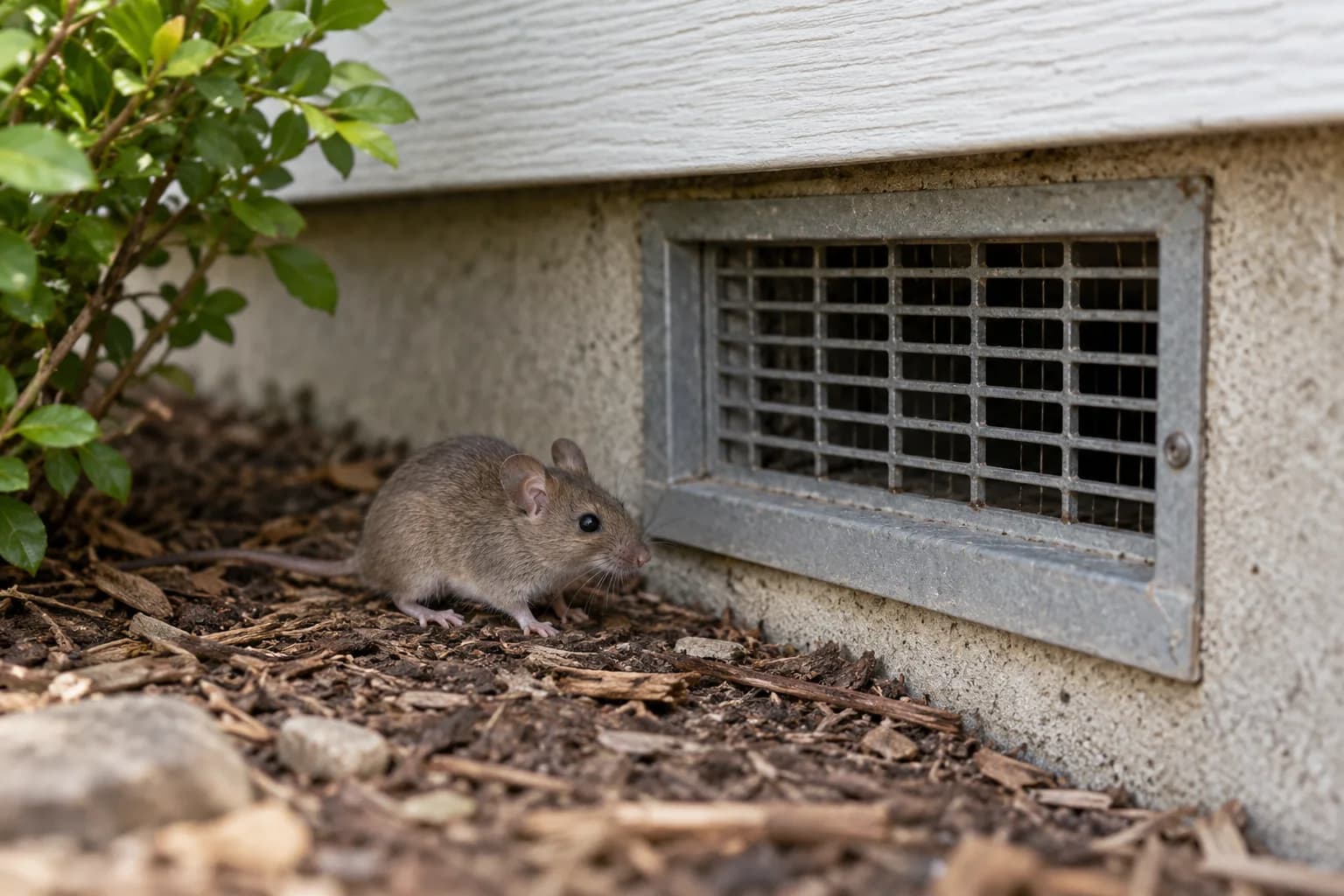
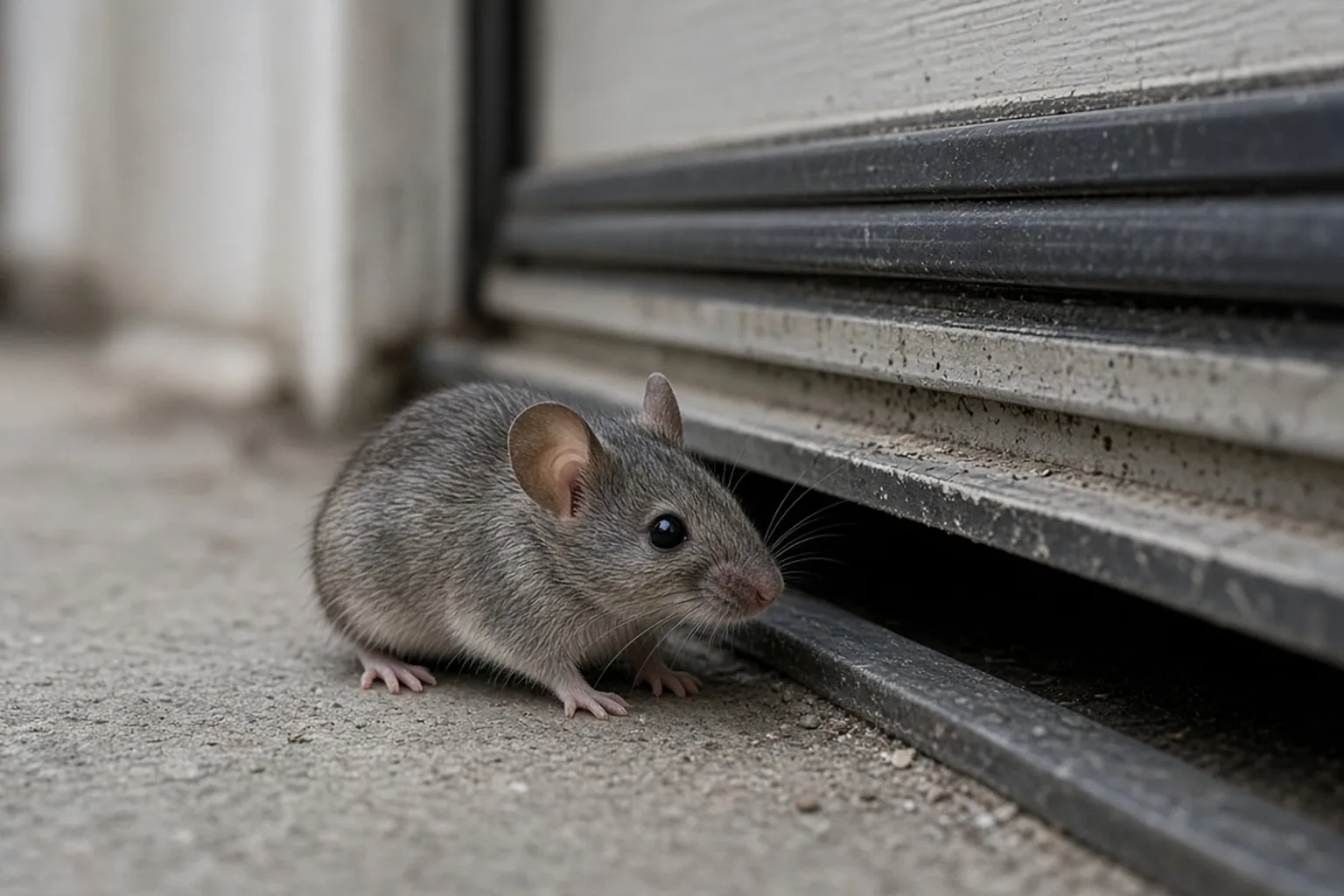
Explore rodent control services
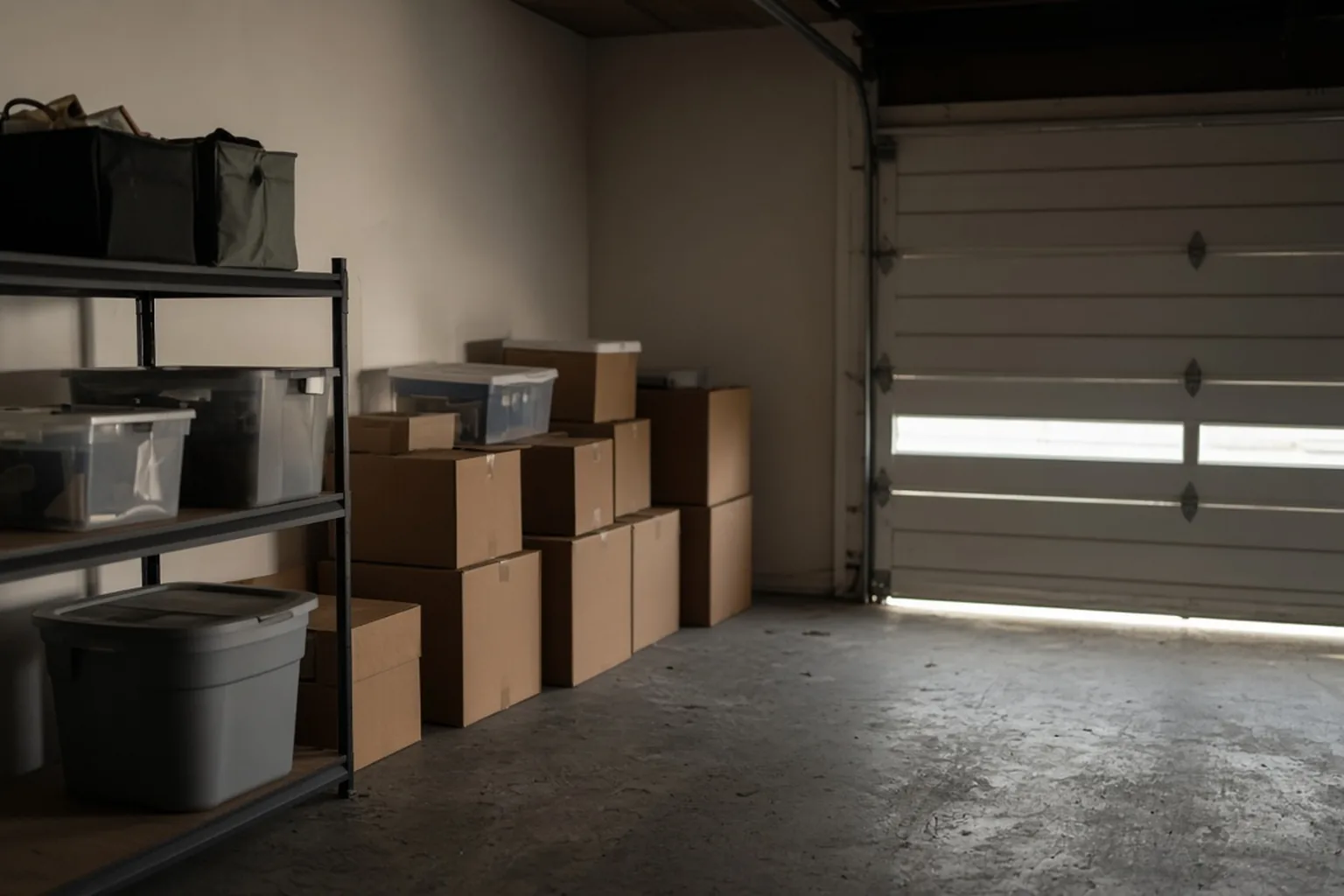 01
Rat Control
Norway rats burrow at ground level; roof rats climb into attics. Telling them apart decides where the traps and the sealing work go.
Explore this service 02
Mouse Removal
House mice fit through a gap the width of a pencil. A trapping program along the walls, plus a close look at every pipe and vent, clears them out.
Explore this service 03
Rodent-Proofing
Sealing every gap with hardware cloth, copper mesh and sheet metal is what makes the fix last. Foam and caulk on their own get chewed through.
Explore this service 04
Attic Cleanup
Soiled insulation and nesting material come out with HEPA equipment and respirators, the space is disinfected, and fresh insulation goes in.
Explore this serviceWhy do rodents keep coming back?
Rodent problems rarely announce themselves. It starts with a few dark droppings behind the toaster, scratching in the ceiling after the lights go out, or a bag of rice with a chewed corner. By the time most people notice, the mice or rats have been there for weeks.
The good news is that rodents are a building problem, not a cleanliness problem, and building problems can be fixed. Trapping clears what's inside. Sealing the gaps with metal keeps the next ones out. Done together, the problem stays gone.
Use the pages here to tell mice from rats, check your own home for the usual entry points, see what a good quote looks like, and find out what rodent control typically costs. When you're ready, tell us what you've noticed and ask about an inspection or a quote.
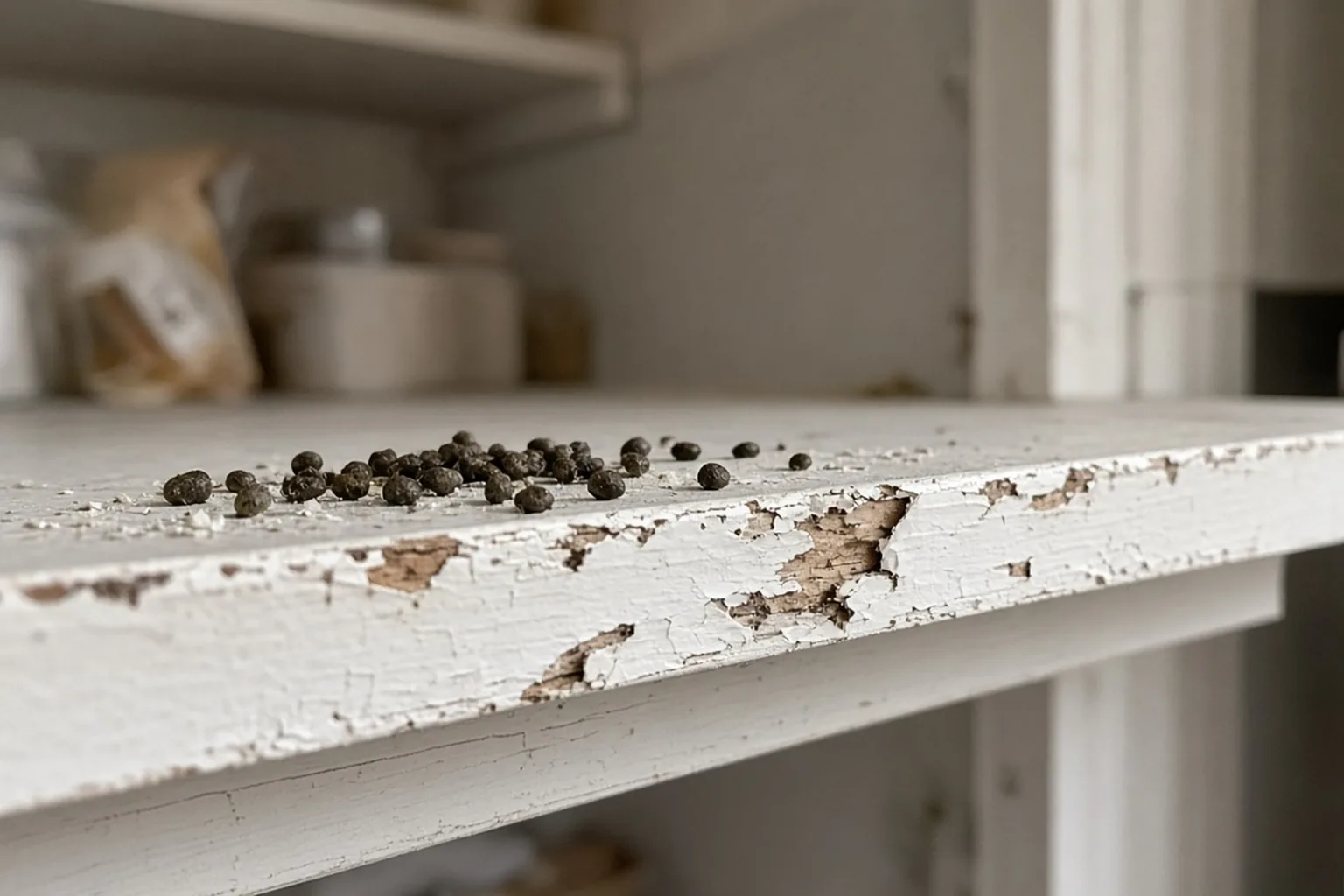
What kind of rodent problem are you seeing?
Droppings and gnaw marks
Rice-sized droppings with pointed ends mean mice; raisin-sized ones mean rats. Fresh ones are dark and soft. Chewed food packaging, trim or wiring nearby confirms they're active.
Noises after dark
Scratching, scurrying or gnawing in walls and ceilings once the house goes quiet. Heavier thumps and running are more often rats; light, quick scratching is more often mice.
Rub marks and burrows
Dark greasy smudges along baseboards, pipes and the bottom of a garage door are fur oil from repeated trips. Outside, a smooth-edged hole along the foundation or under a shed is a rat burrow.
What should you ask before booking?
Ask what the visit includes, how much it costs, and whether a follow-up is included. It’s also helpful to know what you’ll need to do before treatment and when you can use the area again.
Have children or pets at home? Mention them when discussing treatment. For a business, let the company know your opening hours so you can talk about a convenient time to visit.
How rodent activity changes through the year
- Spring: Rodents that spent the winter inside start breeding and moving between the house and the yard, so it's a good time to seal gaps while the attic is still cool enough to work in.
- Summer: Activity shifts outdoors and into cooler parts of the building like crawl spaces and garages, which can make a problem seem to disappear when it hasn't.
- Fall: This is the big move indoors. As nights cool, mice and rats test every vent, door seal and pipe gap along the block, and most winter infestations start now.
- Winter: Noise in the walls gets loud enough to act on. Trapping works fine in cold weather, and there's no reason to wait for spring to seal the openings.
Keep exploring your options
- Rat Control — Norway rats and roof rats — each needs a different approach.
- Mouse Removal — House mice squeeze through dime-sized holes. Full perimeter inspection.
- Exclusion Services — Seal every gap with rodent-proof materials. The only permanent solution.
- Attic Restoration — Insulation removal, sanitization, and re-insulation after exclusion.
- Contact and quote request — ask a question or request a quote.