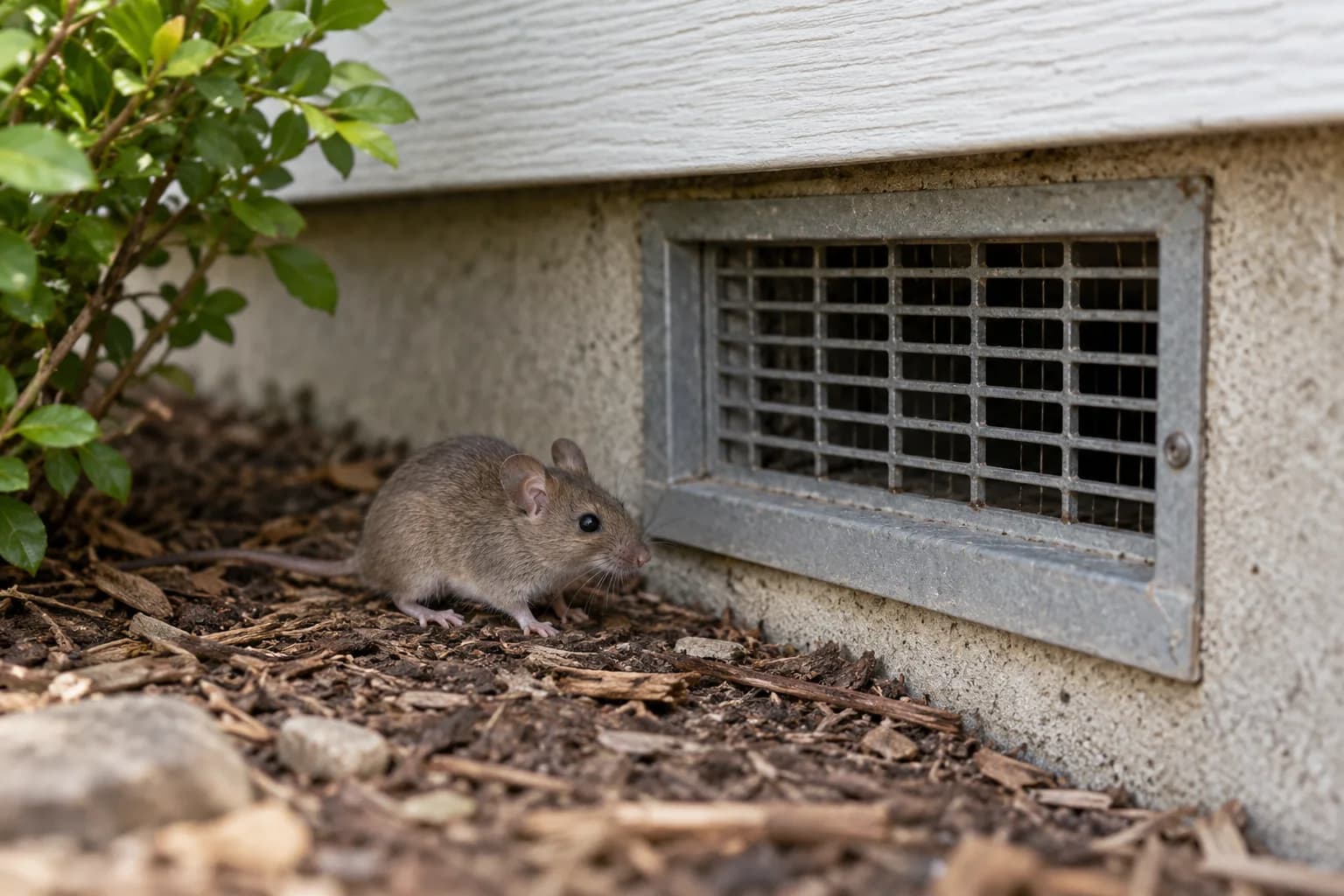
A closer look

Rat Control

Norway rats burrow at ground level; roof rats climb into attics. Telling them apart decides where the traps and the sealing work go.

Ask a question or get a quote ↗
Rat Control

Where to start

Tell the company where you've noticed rodents, how long it has been happening, and anything you've already tried. Photos and a short timeline give the inspector a useful starting point.

What to discuss during the inspection

Ask which areas need checking, what was found, and which treatment options fit. Have the inspector explain how to prepare and what follow-up may be needed.

What affects the quote

Access to the affected areas, how far the problem has spread, and the number of visits all affect the work involved. Ask what is included so you can compare the options.

Questions to ask before you book

How do you confirm it's rodents?

Ask what the provider saw and how that diagnosis was reached before any work is authorized.

What will you do, and why?

Have the provider explain each step, the products used, and why that approach fits this property.

What preparation do I need?

Clear access to the affected areas and follow any written preparation and re-entry instructions.

What does the price include?

Confirm inspection fees, the number of visits, and any follow-up or warranty terms in writing.

What to look for

Droppings and gnaw marks

Rice-sized droppings with pointed ends mean mice; raisin-sized ones mean rats. Fresh ones are dark and soft. Chewed food packaging, trim or wiring nearby confirms they're active.

Noises after dark

Scratching, scurrying or gnawing in walls and ceilings once the house goes quiet. Heavier thumps and running are more often rats; light, quick scratching is more often mice.

Rub marks and burrows

Dark greasy smudges along baseboards, pipes and the bottom of a garage door are fur oil from repeated trips. Outside, a smooth-edged hole along the foundation or under a shed is a rat burrow.

When it happens through the year

spring

Rodents that spent the winter inside start breeding and moving between the house and the yard, so it's a good time to seal gaps while the attic is still cool enough to work in.

summer

Activity shifts outdoors and into cooler parts of the building like crawl spaces and garages, which can make a problem seem to disappear when it hasn't.

fall

This is the big move indoors. As nights cool, mice and rats test every vent, door seal and pipe gap along the block, and most winter infestations start now.

winter

Noise in the walls gets loud enough to act on. Trapping works fine in cold weather, and there's no reason to wait for spring to seal the openings.

Frequently asked questions

How do I know if I have mice or rats?
Look at the droppings. Mouse droppings are the size of a grain of rice with pointed ends. Rat droppings are half an inch or longer and thicker. Mice are usually in the kitchen and walls; rats tend to be in the attic, crawl space or garage, and Norway rats leave burrows outside.
Will traps alone solve it?
Traps remove the rodents already inside, but new ones follow the same scent trails to the same openings. Trapping first, then sealing every gap with metal, is what ends the cycle. Without the sealing, you'll be trapping again next fall.
Is it safe to use poison in the house?
Indoors, it's a bad idea. A rodent that eats bait usually dies inside a wall, where the smell lasts for weeks, and loose bait is a risk for kids and pets. Pros use snap traps indoors and keep any bait in locked stations outside.
How much does rodent control cost?
Published ranges run from a few hundred dollars for a trapping program to several thousand when sealing work and attic cleanup are included. The biggest variable is how many openings need sealing, which is why a good quote follows an inspection.
Is it safe to clean up droppings myself?
A small amount, yes, with precautions. Open windows for half an hour, wear gloves and a fitted mask, wet the droppings with disinfectant and let it sit before wiping them up, and bag everything. Never sweep or vacuum dry droppings. Heavy contamination in an attic is a job for a crew with HEPA equipment.
What should a good quote include?
Separate lines for the inspection, the trapping program and how many visits it covers, each opening to be sealed and the material for it, any bait stations and how often they're serviced, and cleanup if it's needed. Also ask what happens if rodents come back and for how long that applies.

Related services

Ready to talk to a provider?

Describe what you've noticed and ask about an inspection or a quote.

Ask a question or get a quote

Ready to Get Rid of Rodents?

Tell us what you’ve noticed and where you need help. Ask about an inspection or a quote.

Or call +1 888 546 7983 to talk about your pest problem.