The short version
Rodent control combines trapping, rodent-proofing, and sanitation. Start with a no-charge inspection to identify entry points and infestation level. Professional treatment costs $200–$2,000 depending on severity.
- Mice enter through dime-sized gaps; rats need only a quarter-inch hole.
- Fall and winter are peak seasons for rodent invasions.
- Professional rodent-proofing costs $500–$2,000 but prevents future problems.
- DIY methods often fail to address the root cause—entry points.
- Rodents chew wires, causing fire hazards and disease risks.
who are dealing with—or want to prevent—a rodent problem. This guide is for homeowners, landlords, property managers, restaurant owners, and warehouse operators across the U.S. If you've seen droppings, heard scratching in walls, or noticed gnawed food packages, you're in the right place.
What to look for
In the U.S., hantavirus pulmonary syndrome is a rare but serious risk, especially in rural areas. The CDC reports that rodents directly or indirectly spread over 35 diseases worldwide, including leptospirosis and plague. Once inside, they nest in attics, crawlspaces, and wall voids, gnawing on electrical wires—a fire risk. Rats can tread water for three days and squeeze through holes the size of a quarter. A single pair of house mice can produce up to 60 offspring in a year under ideal conditions. Rodents reproduce quickly.
- 1Droppings: dark, rice-shaped (mice) or capsule-shaped (rats) near food or along walls.
- 2Gnaw marks: on wood, plastic, wiring, or food packaging—fresh marks are light-colored.
- 3Scratching or scurrying sounds in walls, ceilings, or attics, especially at night.
- 4Nesting materials: shredded paper, fabric, or insulation in hidden areas.
- 5Grease marks: dark, oily rub marks along baseboards or pipes from rodent fur.
- 6Burrows: holes near foundations, under decks, or in yards (rats).
- 7Odor: a musky, ammonia-like smell from urine in enclosed spaces.
Why it’s worth acting soon
- Structural damage from gnawing on wood, drywall, and plumbing.
- Electrical fires caused by chewed wiring—rodents are a fire risk.
- Disease transmission through droppings, urine, or saliva (hantavirus, salmonellosis, leptospirosis).
- Rapid population growth: one pregnant female can start a colony within weeks.
- Contamination of food and surfaces, leading to health code violations in restaurants and food storage.
Treatment options and typical costs
Rodent-Proofing (Sealing Entry Points)
$500–$2,000
Inspecting and sealing all cracks, gaps, and holes with steel wool, copper mesh, caulk, or metal flashing. Includes door sweeps and vent covers.
- Time
- 1–3 days for typical home; ongoing maintenance
- Best for
- Preventing future infestations; essential for long-term control.
Trapping (Snap Traps, Live Traps, Glue Boards)
$200–$500
Placing and monitoring traps in high-activity areas. Professionals use snap traps for quick kill, live traps for humane removal, and glue boards for monitoring.
- Time
- 1–2 weeks for initial removal; follow-up visits as needed
- Best for
- Active infestations with moderate to high rodent activity.
Rodenticide Baiting (Bait Stations)
$150–$400
Tamper-resistant bait stations placed outdoors or in crawlspaces. Only pest control pros should use baits to avoid secondary poisoning and non-target risks.
- Time
- 2–4 weeks for control; monthly replenishment
- Best for
- Large infestations or areas where trapping is impractical.
Attic Restoration & Cleanup
$200–$8,000
Removing contaminated insulation, sanitizing surfaces, treating for odor, and replacing insulation. May include repairing gnawed wiring and ductwork.
- Time
- 1–3 days
- Best for
- Homes with heavy infestation in the attic or crawlspace.
Prices are typical published ranges. Ask what’s included before you compare quotes.
 Crawl spaces are where rats and mice get comfortable. Vent screens, the sill plate and any gap around pipes are worth a careful look.
Why Fall and Winter Are Peak Rodent Seasons.
A study by the National Pest Management Association found that 29% of rodents enter homes through gaps around doors and windows, 20% through the roof, and 18% through the foundation. In the U.S., mouse and rat activity inside homes spikes from October through February. As temperatures drop, rodents naturally seek warm, sheltered spaces with access to food. In warmer regions like the South and Southwest, rodents may invade during cooler months but also during monsoon seasons when they flee flooded burrows. Homeowners in colder climates (Northeast, Midwest, Mountain West) should schedule rodent-proofing services in late summer or early fall to prevent winter intrusions. Once inside, they can breed year-round, but the initial invasion is heavily seasonal.
The Hidden Danger: Rodents and Electrical Fires.
Chewed wiring is a genuine fire and electrical hazard, which is why a rodent problem should be treated as more than a nuisance. Rodents gnaw constantly because their incisors keep growing, and electrical wiring is a soft, convenient target. After the rodents are gone, it is worth having an electrician check any wiring the rodents could have reached, especially in older homes where the damage is often hidden inside walls and attics.
 A metal vent cover with a working flap keeps mice out all winter. Plastic flaps crack in the cold and get chewed open.
Understanding Rodent Behavior for Better Control.
Both species are nocturnal and use established runways along walls. This means traps must be pre-baited without setting them to overcome their caution. Rats, however, are neophobic—they avoid new things for several days. Mice are curious and explore new objects, making snap traps effective. This is why trapping and rodent-proofing, rather than live release, are recommended. They also have a strong homing instinct; relocating them more than a few hundred yards rarely works because they will try to return. Rodents have poor eyesight but excellent senses of smell, touch, and hearing. Placing traps perpendicular to walls with the trigger end facing the wall increases capture rates.
What surveys and cost guides say about rodent problems.
In Homeowners, what actually matters is a walk-through: where the droppings are, how the rodents are getting in, and how large the colony is. National surveys set rough expectations but cannot diagnose one house. In Homeowners, ask any provider to show you the entry points and the plan before you compare numbers. In Homeowners, those three findings — species, entry points, and scale — are what a quote should be built on, not a regional average.
What affects the price
- Size of infestation: more rodents require more traps and visits.
- Home size and complexity: larger homes or those with multiple entry points cost more.
- Accessibility: attics and crawlspaces that are difficult to reach increase labor time.
- Type of treatment: rodent-proofing costs more upfront but prevents recurrence; trapping is cheaper short-term.
- Attic restoration: if insulation is heavily contaminated, removal and replacement add cost.
- Location: labor rates vary by region (urban vs. rural, cost of living).
- workmanship warranty: some companies offer warranty periods, which may be reflected in price.
📊
What's your biggest concern about a rodent infestation?
When to call for help
For a no-charge inspection, call Call a professional rodent control company when you see signs of a moderate to large infestation—more than a few droppings per day, persistent scratching sounds, or evidence of nesting. Also call if you have health concerns (young children, pets, or immunocompromised individuals) or if DIY trapping has failed after two weeks. Professionals have the tools and experience to find hidden entry points and apply treatments safely.
What you can do yourself
DIY rodent control can work for very small, localized infestations—a single mouse that wandered in. Snap traps, bait stations, and sealing obvious gaps can resolve the issue. However, most homeowners lack the knowledge to identify all entry points (especially roof gaps, foundation cracks, and utility penetrations). Professionals use a systematic approach: full inspection, rodent-proofing, trapping, and follow-up. They also have industrial-grade equipment and know how to handle bait safely around pets. For recurring or large infestations, professional service is more effective and often cheaper in the long run.
Where you live matters
Rodent control strategies vary across the U.S. due to climate, urban density, and rodent species. In the Northeast and Midwest, Norway rats and house mice are common; rodent-proofing must focus on foundation cracks and basement windows. In the South, roof rats are prevalent—they nest in attics and trees, so trimming branches and sealing roof vents is critical. In the West, pack rats (woodrats) are a concern in rural areas, often nesting in vehicles or sheds. Coastal regions like the Pacific Northwest face heavy rainfall that drives rodents indoors during wet months. Urban areas like New York City and Chicago have municipal rodent control programs, but homeowners still need individual protection. Regardless of location, the principles of rodent-proofing, sanitation, and trapping apply universally.
Simple ways to keep rodents away
- Seal all gaps larger than 1/4 inch with steel wool and caulk (mice can squeeze through dime-sized holes).
- Install door sweeps on exterior doors, especially garage doors.
- Keep firewood, debris, and vegetation at least 18 inches from the foundation.
- Store food in metal or glass containers with tight lids; clean crumbs and spills immediately.
- Trim tree branches away from the roof and seal any gaps around pipes, vents, and wires.
- Use metal roof vents and cover attic openings with hardware cloth.
- Remove clutter in basements, attics, and garages to reduce nesting sites.
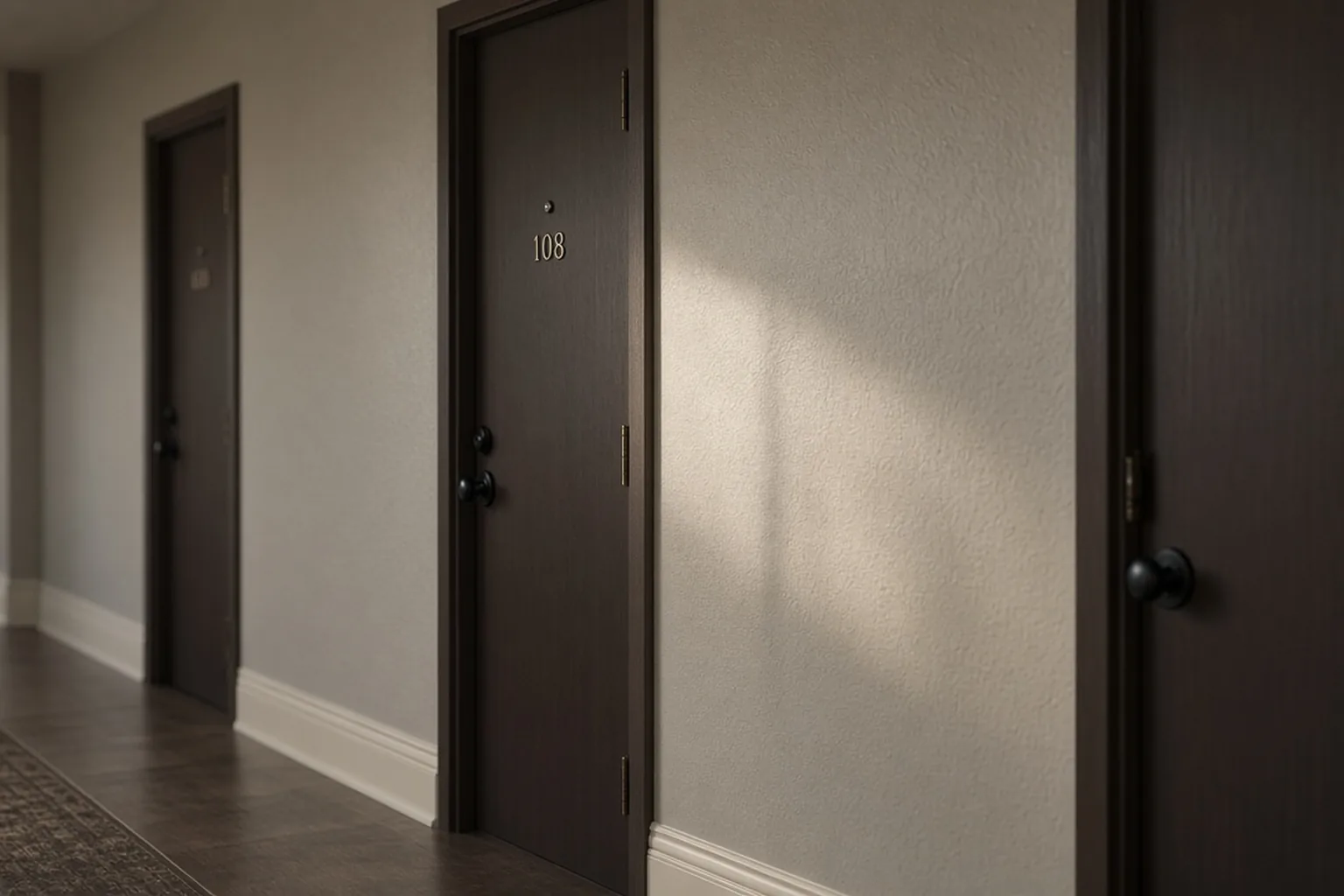 In a multi-unit building, mice move between apartments through shared walls and pipe chases, so treating one unit rarely solves it. Ask for a building-wide plan.
Did you know?
A single pair of mice can produce dozens of offspring in a year, and the young start breeding at about six weeks old.
Rats are strong swimmers and can squeeze through a hole about the size of a quarter, which is how they turn up in odd places.
In Homeowners, a rodent's front teeth never stop growing, so it gnaws constantly to keep them worn down.
Questions people ask
How do I know if I have mice or rats?
Mice are smaller (2–3 inches long) and more curious; rats are larger (7–9 inches) and wary of new objects. Scratching sounds in walls are more common with rats due to their size. Mice droppings are rice-sized (about 1/4 inch) with pointed ends; rat droppings are capsule-shaped (about 1/2 inch).
Will a cat or dog keep rodents away?
Many rodents learn to avoid pets, and pets can't access wall voids or attic spaces where rodents nest. Professional rodent-proofing and trapping are still necessary for an active infestation. Cats and dogs can deter or catch rodents, but they are not a reliable control method.
How long does it take to get rid of rodents?
Full elimination depends on infestation size—large colonies may require multiple follow-up visits. Prevention measures are ongoing. With professional trapping, visible activity often stops within 1–2 weeks. Rodent-proofing can take 1–3 days to complete.
Are rodent baits safe for pets?
Always inform your pest control pro about pets. DIY baits should be avoided for this reason. Bait stations used by professionals are tamper-resistant and placed in areas inaccessible to pets (e.g., crawlspaces, behind appliances). However, anticoagulant baits can be fatal if ingested.
What is the most effective way to prevent rodents?
Combine with good sanitation (store food in sealed containers, clean up spills) and reduce clutter. Regular inspections by a professional can catch new entry points early. Rodent-proofing—sealing all gaps larger than 1/4 inch—is the most effective prevention.
Do ultrasonic repellents work?
Rodents quickly habituate to the sound, and the waves do not penetrate walls or furniture. They are not a substitute for trapping and rodent-proofing. The Federal Trade Commission and multiple university studies have found ultrasonic devices ineffective for rodent control.
How much does professional rodent control cost?
Most companies offer no-charge inspection and provide a quote. call for a free estimate and workmanship warranty. Costs vary: trapping $200–$500, rodent-proofing $500–$2,000, attic restoration $200–$8,000.
Does a house with structural problems attract more rodents?
Census Bureau's 2019 American Housing Survey, occupied homes with sloping, leaning or buckling outside walls were 5.6 times as likely to report rodent sightings as other homes. That said, any gap wider than a pencil is a mouse door. Have visible structural gaps sealed as part of any rodent plan. The two go together, at least in the data. In the U.S.
Are rodent problems in U.S. homes getting worse?
homes (15.7 million of 133.2 million, both rounded) reported rodent signs in the previous year, almost the same as the 11.9% recorded in 2019. Your own risk depends far more on your building and neighborhood than on the national trend. Judge by what you see at home. Not noticeably, on the national numbers. Calculated from the published figures of the U.S. Census Bureau's 2023 American Housing Survey, about 11.8% of occupied U.S.
Sources (11)
The facts in this article come from the public sources listed above. Every home is different, so ask the company you talk to about pricing and what’s included. Published by Rodent Exterminator · Updated September 11, 2026 · How we write these guides