The short version
Rodent control in Albany, NY starts with sealing every gap of 1/4 inch or wider, then trapping the house mice or Norway rats already inside. Fall is entry season, and with winter lows near 15F, mice that get in stay in walls and garages until spring. Clean droppings wet with bleach, never by sweeping.
- Albany's indoor rodents are the house mouse and the Norway rat.
- Close gaps down to 1/4 inch before you set a single trap.
- Fall brings the entry wave; winter brings mice nesting in walls and garages.
- New York DEC lets property owners trap mice and rats without a permit.
Albany homeowners, renters and landlords hearing scratching in walls, finding droppings in a garage or pantry, or wanting to seal up before the fall entry season starts.
What to look for
Two species cause Albany's indoor rodent trouble. House mice slip through openings as small as 1/4 inch, according to the CDC, and nest in wall voids, insulation and cabinets. Norway rats burrow under slabs, stoops and sheds, then chew their way in low. Both respond to the cold: once nights drift toward the 15F winter average, warmth and food indoors win out over anything outside.
- 1Rice-sized droppings with pointed ends in drawers, under sinks or along basement walls.
- 2Scratching inside walls or ceilings at night, loudest once the heat comes on.
- 3Greasy rub marks along baseboards and around pipe openings.
- 4Shredded paper, insulation or fabric balled up in a garage corner.
- 5Fresh burrow holes along the foundation, often under a stoop or shed.
Why it’s worth acting soon
- House mice breed 5 to 10 times a year, so a fall arrival becomes a winter colony.
- Chewed wiring inside a wall is hard to find and expensive to fix.
- Urine and droppings soil insulation and stored goods; cleanup grows weekly.
- Rats carry leptospirosis; CDC tables show 3 New York City cases by week 13 of 2026.
30%Rodent-encountering homeowners who saw them in a basement (Harris Poll for NPMA, Sept 2022; lifetime, multi-select)NPMA / Harris Poll 53%Northeast homeowners who report ever having a rodent encounter (Harris Poll for NPMA, Sept 2022; lifetime, not a yearly rate)NPMA / Harris Poll Treatment options and typical costs
Exclusion work
Quoted after inspection
Sealing sill plates, pipe and wire penetrations, vents and garage door gaps with steel wool, hardware cloth, mortar or flashing. This is the step that stops repeat fall entry.
- Time
- Depends on how many gaps turn up
- Best for
- Homes that get mice every fall
Snap trap program
Quoted after inspection
Traps set along walls and runways, checked and reset until catches stop. This avoids dead mice decaying inside walls while an Albany house is shut for winter.
- Time
- Until catches stop
- Best for
- Active indoor mouse problems
Exterior rat bait stations
Quoted after inspection
Locked, tamper-resistant stations placed along the foundation where Norway rat burrows show up. Ask which bait goes inside and how pets and wildlife are kept out.
- Time
- Ongoing, checked on a set schedule
- Best for
- Yards with active rat burrows
Prices are typical published ranges. Ask what’s included before you compare quotes.
 Bathroom vanities hide the same plumbing gaps as the kitchen. A quick look with a flashlight shows droppings or rub marks long before you see a mouse.
House mouse or Norway rat: which one is in your Albany home?
Start with the droppings. House mouse droppings are rice-sized with pointed ends; Norway rat droppings are larger and blunt. Location tells you more. Mice nest up in wall voids, cabinets and insulation, while Norway rats dig burrows under slabs, stoops and sheds and come in low. In Albany, a fall problem in the kitchen is usually mice. Holes along the foundation with packed dirt at the entrance point to rats, which need exterior work as well as indoor traps.
How does Albany's fall entry season affect timing?
Albany summers peak near 82F, so rodents live comfortably outdoors until fall. As nights slide toward the 15F winter low, house mice push into walls and attached garages and stay until spring. The best window to seal is late summer, before that move. If you missed it, trap first and seal once catches stop, so mice are not shut inside the walls. Recheck door sweeps and pipe gaps every September in Albany, since one open gap undoes the rest.
 Fall is when rodents head indoors. Leaf piles against the foundation hide burrows and gaps, so clear them and walk the wall before the first cold snap.
What should a first rodent inspection cover?
A good inspection is mostly a slow walk around the outside. Ask the provider to check sill plates, utility penetrations, garage door seals, dryer vents and the foundation for burrows, and to mark every gap of 1/4 inch or more. Inside, they should note droppings, rub marks and nesting spots. Ask for the sealing plan in writing, which materials go where, and how many trap checks are included. In a rental, settle who pays for exclusion before work starts.
Sealing is the part that lasts in Albany.
Traps and bait remove the rodents you have; sealing removes the ones that would come in next. A mouse fits through a gap the width of a pencil, and a rat through a quarter-sized hole, so the inspection should map every opening — around pipes, under doors, and where utilities enter. In Albany, NY, 39 inches of rain a year and 67% humidity keep exterior wood soft, so gaps open again seasonally and need re-checking.
What rodent control costs in Albany.
Rodent control is priced by the size of the job: how many entry points need sealing, how much baiting and trapping the colony needs, and whether a cleanup is involved. A simple kitchen mouse job is at the low end; a multi-floor rat colony with a sanitation cleanup is at the high end. In Albany, NY, the timing matters too — most activity starts in fall as 15°F winter lows push rodents indoors, which is when providers are busiest. Ask for the sealing and the trapping as separate line items, and what the re-service covers.
What affects the price
- How many entry gaps turn up around the foundation and roofline.
- Whether you have mice inside, rats outside, or both at once.
- Access to wall voids, crawlspaces and attached garages.
- How many follow-up trap checks the plan includes.
- Removal of soiled insulation or nesting debris after a winter-long infestation.
📊
What's your biggest concern about rodents?
When to call for help
Call a provider when droppings keep turning up after a week of trapping, when you see a rat in daylight, or when burrows appear along the foundation. In Albany, booking in late summer, before the fall push, gives a provider time to seal gaps before mice settle into walls for the winter.
What you can do yourself
Burrows, caution around new objects and a foraging range of 100 to 500 feet usually call for someone who covers the whole lot. Rats are harder. New York DEC lets property owners trap mice and rats without a permit, so there is no paperwork. DIY works for a mouse or two: snap traps along walls, steel wool in obvious gaps, and food in sealed bins.
Rodents in Albany
Albany, the state capital founded in 1614, holds about 101,000 people in an urban setting. Density matters because rats and mice travel between neighboring lots, so one property's problem often starts next door. The humid continental climate adds 39 inches of rain a year and 67% average humidity, then winters near 15F that send rodents looking for warm, dry cover. With a median home value of $215,000, repairs to chewed wiring or soiled insulation are worth avoiding by sealing early. In Albany, comparing a couple of written quotes side by side is the easiest way to see what is actually included, because the scope, prep steps, and follow-up terms vary a lot between providers.
Local research
Rodents in Albany, NY: what the public record shows
Before you compare quotes, it helps to know which rodents actually live in New York, when they are busiest around Albany, and what the state figures look like. Everything below links to the agency or university page it came from.
Leptospirosis cases, New York City (YTD 2026 vs 2025, week 13)
NYC reports separately from the rest of the state.
CDC NNDSSRodent species recorded in New York
- House mouse (Mus musculus) — Enters at 1/4 inch; 5-10 litters per year; eats about 200 small meals a night.
- Norway rat (Rattus norvegicus) — Burrowing rat of basements, sewers and ground floors; tail shorter than head plus body.
When rodents are busiest around Albany
Fall entry; winter infestations. Upper Midwest and Northeast: mice in walls and garages all winter.
Based on Albany’s humid continental climate profile.
Rules that apply in New York
For context, nationally
- 1/4 inch (the width of a pencil) — Smallest gap a mouse can enter. CDC
- 890; 35% fatal; 94% west of the Mississippi — Hantavirus cases reported since 1993 (through 2023). CDC
Sources: CDC NNDSS; CDC National Notifiable Diseases Surveillance System; New York State DEC; CDC; Pest Notes: House Mouse; Pest Notes: Rats. Figures are quoted as the source prints them. How we check our sources
Simple ways to keep rodents away
- Pack steel wool into gaps around pipes, then cover it with sealant or mortar.
- Fit door sweeps on garage and basement doors before September.
- Store birdseed, pet food and grass seed in metal or hard plastic bins.
- Keep firewood and stored items off the ground and away from the foundation.
- Screen vents with hardware cloth; foam alone gets chewed through.
- Walk the foundation each fall and look for new burrow holes.
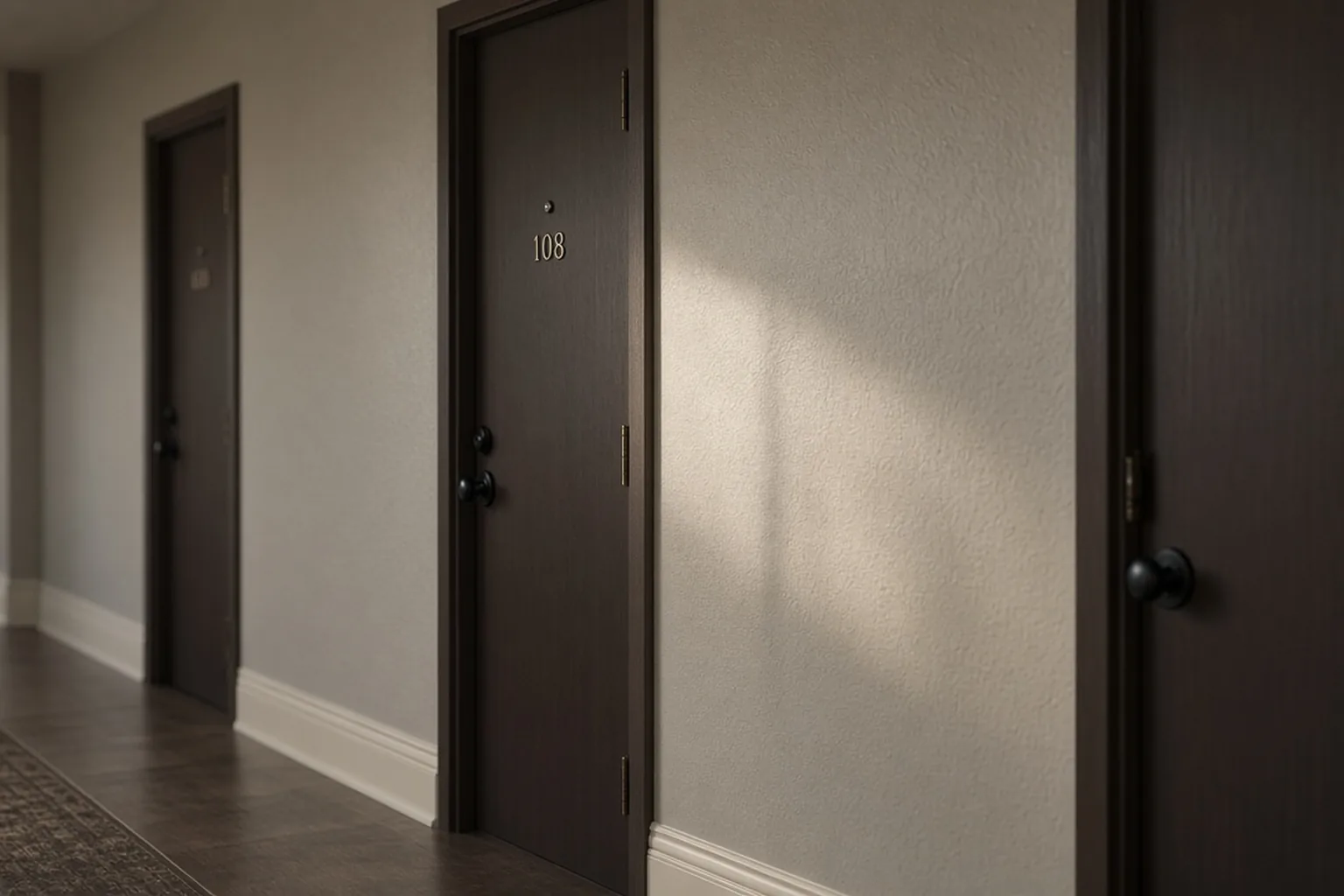 In a multi-unit building, mice move between apartments through shared walls and pipe chases, so treating one unit rarely solves it. Ask for a building-wide plan.
Did you know?
Norway rat females raise 4 to 6 litters a year, weaning 20 or more young in that time.
Of 890 U.S. hantavirus cases from 1993 through 2023, 35% were fatal.
The CDC's list of diseases rodents spread directly includes leptospirosis, rat-bite fever and tularemia.
Questions people ask
When do mice move into Albany homes?
Most Albany homes see mice arrive in fall, roughly September through November, as nights cool toward the 15F winter low. Once inside, they nest in walls and garages and stay all winter unless trapped and sealed out.
Do I need a permit to trap rats or mice in New York?
No. The New York State DEC says property owners may take mice and rats without a permit. The only exception it lists is the Allegheny woodrat, so ordinary house mice and Norway rats need no paperwork.
Is hantavirus a concern in Albany?
It is rare in Albany. CDC weekly tables show one hantavirus case in New York outside New York City so far in 2026, and 94% of U.S. cases since 1993 occurred west of the Mississippi. Still clean droppings wet.
How should I clean up mouse droppings?
Air the room out for 30 minutes first. Spray droppings with 1.5 cups of bleach per gallon of water, let them soak 5 minutes, then wipe up with paper towels. The CDC says never sweep or vacuum.
Why do mice keep coming back to my Albany house?
Trapping removes the mice inside but leaves their doorway open. Albany's next fall wave finds the same gap, so close openings of 1/4 inch with steel wool and mortar or flashing rather than foam alone.
Nearby cities
Related guides
Sources (6)
The facts in this article come from the public sources listed above. Every home is different, so ask the company you talk to about pricing and what’s included. Published by Rodent Exterminator · Updated October 11, 2026 · How we write these guides