The short version
Rodent control in Greenville, SC relies on sealing and trapping more than poison. Since February 1, 2025, South Carolina limits the strongest rodent baits to certified applicators, so homeowners can no longer buy them. Seal gaps of 1/4 inch or more, trim tree limbs that let roof rats reach the attic, and trap year-round, with extra effort in fall.
- Roof rats, Norway rats and house mice are the three rodents South Carolina lists.
- Roof rats climb trees and utility lines, so roofline sealing matters in Greenville.
- Four second-generation baits have been restricted to certified applicators since February 1, 2025.
- Rodents stay active year-round here, with a surge in fall.
- Trim limbs away from the roof and remove fallen fruit to cut off roof rats.
This guide is for Greenville homeowners hearing scurrying in the attic at night, renters near the revitalized downtown, landlords, and restaurant owners who need a rodent plan that works under the state's new bait rules. If you have old rat poison on a garage shelf, it also explains why the rules changed.
What to look for
Three rodents matter in Greenville. Roof rats are sleek, dark climbers with tails longer than their bodies, and they prefer to live up high: in attics, wall voids near the roofline, and dense vines or trees. Norway rats are heavier ground dwellers that burrow along foundations, under sheds and in overgrown banks. House mice slip in through gaps as small as 1/4 inch and nest in walls, cabinets and stored boxes. Greenville's climate keeps all three busy most of the year. Summer highs reach about 89F, rainfall runs near 50 inches, and humidity averages 69%, so vegetation is thick and food is easy to find. Winters are mild, with average lows around 32F, which slows rodents without stopping them. The pattern for this zone is year-round activity with a fall surge, when cooler nights push more animals indoors. Roof rats deserve special attention. Because they arrive from above, ground-level sealing alone misses them, and an attic infestation can go unnoticed until wiring or ductwork is damaged.
- 1Running or scratching in the attic soon after dark, when roof rats are most active.
- 2Dark, spindle-shaped droppings along attic joists or on top of insulation.
- 3Greasy rub marks where a tree limb, utility line or fence meets the roofline.
- 4Hollowed-out fruit or nuts under backyard trees, with the skins left behind.
- 5Burrows along the foundation or under a shed, a sign of Norway rats.
- 6Rice-sized mouse droppings in kitchen drawers or behind appliances.
- 7Gnawed holes in soffits, vent screens or the corners of garage doors.
Why it’s worth acting soon
- Roof rats in an attic chew wiring, ductwork and insulation, which can be costly to repair.
- A roof rat female can have 3 to 5 litters a year, so an attic colony grows quickly.
- Rodents contaminate food and surfaces, and the CDC lists salmonellosis among the diseases they spread.
- Loose rodenticide around a home puts pets and wildlife at risk, a key reason South Carolina restricted the strongest baits.
- Mild Greenville winters mean an infestation does not die back on its own when it gets cold.
February 1, 2025South Carolina second-generation rodenticide restriction took effectClemson University 4 (brodifacoum, bromadiolone, difethialone, difenacoum)Second-generation anticoagulants now limited to certified applicatorsClemson University At least 70%Kiawah Island pest accounts that dropped second-generation baitsClemson University Treatment options and typical costs
Roofline and attic exclusion
Quoted after inspection
Sealing gaps at soffits, roof returns, gable vents, plumbing stacks and the spots where utility lines enter, using hardware cloth, sheet metal and sealant. For roof rats in Greenville, this is the core of the job, paired with trimming tree limbs back from the roof so rats cannot jump across.
- Time
- One or two visits
- Best for
- Attic noise and roof rat activity
Ground-level sealing
Quoted after inspection
Closing foundation cracks, crawlspace vents, garage door corners and utility openings that house mice and Norway rats use. Anything 1/4 inch or larger needs closing. Ask for a list of entry points and materials, and for photos of work in hard-to-see places.
- Time
- One visit plus a check
- Best for
- Mice in kitchens and crawlspaces, rats at the foundation
Trapping program
Quoted after inspection
Snap traps in attics, along walls and in crawlspaces, plus covered traps outside. With South Carolina's 2025 rules limiting second-generation baits to certified applicators, trapping has become the main way to remove rodents already inside. Expect several visits to check and move traps.
- Time
- Two to four weeks
- Best for
- Active infestations after sealing
Exterior stations by a certified applicator
Quoted after inspection
Locked, tamper-resistant stations used outdoors where trapping alone is not enough. In South Carolina, brodifacoum, bromadiolone, difethialone and difenacoum can now be sold only to certified applicators through licensed dealers. Ask which active ingredient a provider uses and how pets and wildlife are protected.
- Time
- Ongoing with scheduled checks
- Best for
- Heavy rat pressure at commercial or rural sites
Prices are typical published ranges. Ask what’s included before you compare quotes.
 Clutter gives mice cover. Keeping stored fabric in lidded bins and off the floor takes away the nesting spots they like best.
How do roof rats get into Greenville attics?
Roof rats are agile climbers that use tree limbs, vines, fences and utility lines as highways. A branch that touches the roof or hangs within jumping distance is a direct route to soffit gaps, roof returns, gable vents and the spaces around plumbing stacks. Greenville's climate makes this easy. With about 50 inches of rain a year and summers near 89F, trees and vines grow fast and thick, and winter lows around 32F are not harsh enough to thin rodent numbers much. Fruit trees, nut trees and bird feeders add food right next to the house. Once inside, roof rats nest in attic insulation, along the top plates of walls and above ceilings. They come out at night, which is why most people first notice them as running or scratching overhead in the evening. The fix has two sides. Cut off the routes by trimming limbs well back from the roof and pulling vines off walls. Then seal the roofline with hardware cloth and sheet metal and trap what is still inside. From above, mostly.
What do South Carolina's 2025 rodenticide rules mean for Greenville homeowners?
Effective February 1, 2025, four second-generation anticoagulants, brodifacoum, bromadiolone, difethialone and difenacoum, can only be sold by licensed dealers to certified commercial, noncommercial and private applicators, and dealers must keep sales records. The state is one of the few with a statewide restriction like this. The reason is wildlife. Clemson research documented deaths in animals that eat poisoned rodents, and the state cited a high potential for harm to non-target species. On Kiawah Island, these baits turned up in the bobcat population, which began declining around 2017, and at least 70% of pest control accounts there moved off second-generation products voluntarily. For a Greenville homeowner, the practical effect is that exclusion and trapping now do most of the work. If you hire a provider, ask whether bait is part of the plan, which active ingredient they use, and whether it goes only into locked outdoor stations. A plan that leads with sealing and traps matches where the state is heading. South Carolina changed the rules for the strongest rodent baits.
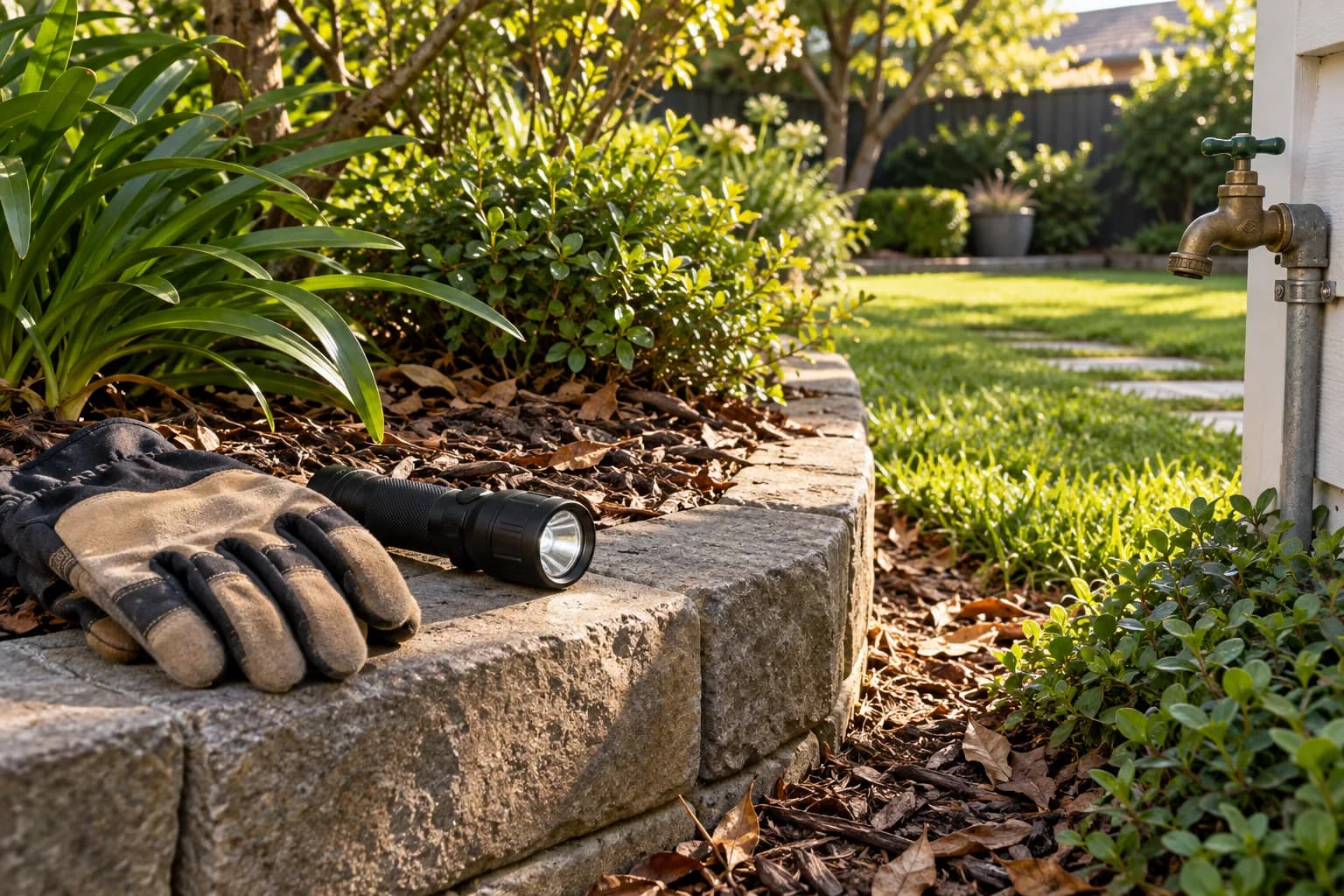 Dense shrubs against the house and a dripping hose bib give rodents cover and water. Trimming back and fixing drips makes the yard less inviting.
What does a year of rodent activity look like in Greenville?
The pattern for this part of the South is year-round activity with a surge in fall, and Greenville fits it. Spring, March through May, brings new growth and the first big breeding push outdoors. Roof rats move through trees and vines, and Norway rats dig fresh burrows in rain-softened soil. Summer, June through August, is peak outdoor feeding. Highs near 89F and humidity around 69% keep yards lush, fruit ripens, and rodent families grow. Fall, September through November, is the surge. Cooler nights and fewer outdoor food sources send more mice and rats into attics, crawlspaces and garages. This is when most people in Greenville first hear noises overhead. Winter, December through February, slows things down, but average lows around 32F rarely stop rodents. Those already inside keep breeding. Plan around it: trim trees and seal the roofline in late summer, check traps through fall and winter, and look for new burrows each spring. There is no true off-season.
What should a provider check on the first visit?
Outside, that means the roofline first: soffits, fascia, gable vents, roof returns, plumbing stacks and any spot where trees or utility lines touch the house. Then the walls and foundation: crawlspace vents, utility penetrations, garage door corners and the sill plate. A careful inspector also scans the yard for burrows, fallen fruit, bird feeders and woodpiles. Inside, the attic is the main event for roof rats. Look for droppings, trails through insulation and chewed wiring. The kitchen, laundry room and crawlspace come next for mice and Norway rats. At the end, the provider should explain which rodents are present, how they are getting in and what the plan is. Across Greenville, ask specifically about tree trimming and roofline sealing, since ground-level work alone misses roof rats. Get the plan in writing, including entry points, materials, trap counts and follow-up visits, and ask whether bait is part of it under South Carolina's 2025 rules. Expect a top-to-bottom inspection.
How do restaurants and rentals near downtown Greenville keep rodents out?
Food waste, deliveries and dumpsters draw rats, and shared walls and utility chases let mice travel between units. One business or apartment that ignores the problem can keep the whole block supplied. For restaurants, a written program matters. Expect scheduled inspections, exterior traps or stations around dumpsters and loading areas, interior traps in storage and prep rooms, and sealing around doors, pipes and drains. Keep the service log and station map on hand for inspectors. With second-generation baits now restricted to certified applicators in South Carolina, ask the provider how their program leans on exclusion and trapping. For landlords, the gap between tenants is the best time to seal and set traps. Tenants can help by storing food in sealed containers, taking trash out often and reporting droppings right away. In multi-unit buildings, treating the whole building works better than chasing mice one unit at a time. Greenville is an urban city known for its revitalized downtown, and wherever restaurants, apartments and shops sit close together, that density shapes rodent control.
What affects the price
- Roof pitch and height, which affect how safely and quickly the roofline can be sealed.
- The number of gaps at soffits, vents and utility lines.
- Tree trimming needed to cut off roof rat access, which may call for a separate tree service.
- Attic cleanup and insulation replacement after a long-running infestation.
- How many trap checks are included, since trapping now carries more of the load.
- Crawlspace access and condition in homes that sit over one.
📊
What's your biggest concern about rodents?
When to call for help
Call a provider if you hear activity in the attic, since roof rats and roofline work are hard to handle from the ground. Also call if mice keep showing up after two weeks of trapping, if you see a rat burrow by the foundation, or if you find chewed wiring. Restaurants and food businesses in Greenville should call at the first sign of droppings. When you talk to a company, ask whether their applicators hold South Carolina certification, now required to buy and use the strongest baits, and ask how much of the plan relies on exclusion and trapping.
What you can do yourself
Ask for a written plan before any work begins. If bait is part of a plan, only a certified applicator can now buy second-generation products, and Clemson's research on wildlife deaths explains why careful placement matters. A provider can also coordinate tree trimming, set traps safely in the attic and remove soiled insulation. Sealing soffits, gable vents and roof returns means working on ladders or the roof itself, and finding every gap takes experience. Roof rats are a different story. Since February 2025, the strongest rodenticides are off the shelf for homeowners in South Carolina anyway, so traps are the realistic tool. Set snap traps along walls and behind appliances, seal small gaps with steel wool and sealant, and store food in sealed containers. A few mice in the kitchen are a good DIY project.
Rodents in Greenville
Roof rats are still on the state's species list, though, so attic noise here deserves a closer look. At about 984 feet, Greenville sits well inland from the coast, where Clemson's monitoring on Kiawah Island found roof rats were the only rodent recorded. With a median home value around $420,000, rodent damage to wiring, ductwork and insulation is a real expense, and sealing the house costs little by comparison. Whatever the age of a house, settling, added utility lines and worn crawlspace vents leave entry points, and newer homes have their own weak spots at siding seams and roof vents. The city dates to 1831. Green space such as Falls Park, along with yards and street trees, gives rodents cover close to homes and businesses, while restaurants and trash areas supply food. Greenville is an urban city of about 73,000, so rodent problems often cross property lines.
Local research
Rodents in Greenville, SC: what the public record shows
Before you compare quotes, it helps to know which rodents actually live in South Carolina, when they are busiest around Greenville, and what the state figures look like. Everything below links to the agency or university page it came from.
Statewide rodenticide restriction
Brodifacoum, bromadiolone, difethialone and difenacoum: dealer license required, sales limited to certified commercial, noncommercial and private applicators, with sales records kept.
Clemson University Department of Pesticide RegulationCoastal rodent found in a Clemson monitoring study
On Kiawah Island a Clemson entomologist reported roof rats as the only rodent recorded, with mice largely absent.
Clemson University Cooperative ExtensionRodent species recorded in South Carolina
- House mouse (Mus musculus) — Enters at 1/4 inch; 5-10 litters per year; eats about 200 small meals a night.
- Norway rat (Rattus norvegicus) — Burrowing rat of basements, sewers and ground floors; tail shorter than head plus body.
- Roof rat (Rattus rattus) — Climber of attics and trees in warm and coastal regions; tail longer than head plus body.
When rodents are busiest around Greenville
Year-round, fall surge. Roof rats dominate Florida, Texas and Gulf Coast attics.
Based on Greenville’s humid subtropical climate profile.
South Carolina is one of the few states with a statewide second-generation anticoagulant restriction, so coastal roof rat work leans on exclusion and trapping.
Rules that apply in South Carolina
For context, nationally
- 1/4 inch (the width of a pencil) — Smallest gap a mouse can enter. CDC
- 890; 35% fatal; 94% west of the Mississippi — Hantavirus cases reported since 1993 (through 2023). CDC
Sources: Clemson University Department of Pesticide Regulation; Clemson University Cooperative Extension; CDC; Pest Notes: House Mouse; Pest Notes: Rats. Figures are quoted as the source prints them. How we check our sources
Simple ways to keep rodents away
- Trim tree limbs so they do not touch or hang over the roof.
- Pull vines off walls, fences and utility poles that roof rats can climb.
- Pick up fallen fruit, nuts and pet food from the yard every day.
- Screen gable vents and soffit openings with hardware cloth.
- Keep garbage and recycling in carts with tight lids.
- Seal gaps at the foundation, crawlspace vents and garage door corners.
- Store bird seed and pet food in metal bins rather than bags.
- Keep any leftover rodent bait locked away from kids and pets, or dispose of it as the label directs.
 A good rodent quote lists the inspection, the number of trapping visits, each opening to be sealed and the material for it, and any cleanup.
Did you know?
In Clemson monitoring on Kiawah Island, roof rats were the only rodent recorded, and mice were largely absent.
Second-generation anticoagulants were found in Kiawah Island's bobcats, a population that started declining around 2017.
A single roof rat female may produce 3 to 5 litters a year, each with up to 8 pups.
Questions people ask
Can I still buy rat poison in South Carolina?
Homeowners in Greenville are better served by sealing gaps and using snap traps. They can be sold only through licensed dealers to certified applicators, with sales records kept. Since February 1, 2025, South Carolina restricts second-generation anticoagulants such as brodifacoum, bromadiolone, difethialone and difenacoum. Not the strongest kinds.
Why did South Carolina restrict rodenticides?
On Kiawah Island, second-generation baits were detected in bobcats, and Clemson estimates at least 70% of pest control accounts there moved off those baits voluntarily. Animals that ate poisoned rodents were dying in Clemson's research, and the state pointed to a high potential for harm to wildlife the baits were never meant for. Because of harm to wildlife.
How do I know if I have roof rats in my Greenville attic?
Across Greenville, trees close to the house give them an easy route. Check the attic for spindle-shaped droppings, chewed insulation and greasy rub marks near vents or where tree limbs touch the roof. Roof rats are most active after dark, so scurrying overhead in the evening is a strong clue. Listen at night and look up.
When are rodents most active in Greenville?
Late summer is a good time to seal gaps and trim trees before that surge. As nights cool in September and October, more mice and rats look for shelter indoors. Greenville's mild winters, with average lows near 32F, slow rodents but rarely stop them. All year, with a surge in fall.
Do mice get into new construction?
If construction is under way near your Greenville home, a walk-around with a flashlight once the work wraps up is worth the time. Construction also disturbs rodents and pushes them toward nearby buildings. New homes and renovated buildings have their own gaps, especially where utility lines, vents and siding seams meet. Yes.
What attracts rats to my yard?
Remove the food and cover, and rats have less reason to stay. Greenville gets about 50 inches of rain a year, so water is rarely scarce. Fallen fruit and nuts, pet food, bird seed, compost and open garbage feed them, while dense vines, woodpiles and overgrown shrubs give shelter. Food, water and cover.
Is trapping enough without poison?
For most homes, sealing plus a solid trapping plan is enough. The approach is slower for large rat populations, so a provider may add certified bait stations outdoors in heavy cases. Traps remove the rodents already inside, and exclusion keeps new ones out. Often, yes, when it is paired with sealing.
Nearby cities
Related guides
Sources (6)
The facts in this article come from the public sources listed above. Every home is different, so ask the company you talk to about pricing and what’s included. Published by Rodent Exterminator · Updated October 11, 2026 · How we write these guides