The short version
For Maple Grove homes, Minnesota, rodent control mostly means keeping house mice out of garages and walls before winter lows that average 5F lock them inside. Seal every opening a pencil can slip into, trap along walls, and watch new-construction gaps and field edges. Deer mice in sheds and cabins carry hantavirus, per the Minnesota Department of Health, so clean their nests wet.
- House mice are Minnesota's structural rodent, while deer mice stick to sheds, garages and cabins.
- Winter lows near 5F mean mice that get in by November usually stay until spring.
- Newer homes still have gaps around utility lines, garage doors and siding.
- MDH says black or brown rice-sized droppings are the sign to look for.
- Deer mouse nests need airing out and a bleach soak, never a broom.
This guide is for Maple Grove homeowners and renters who are finding droppings, hearing scratching or catching mice in the garage, and for anyone with a shed, cabin or outbuilding where deer mice spend the winter. Store, restaurant and property managers near busy shopping areas will also find a section on commercial rodent work.
What to look for
Minnesota guidance names the house mouse as the main structural rodent, and that holds in Maple Grove. House mice are small and evenly gray-brown, nesting in garages, wall voids, kitchen cabinets and storage boxes. Deer mice, with white bellies and a two-toned tail, prefer sheds, detached garages and cabins, and they are the species the Minnesota Department of Health links to hantavirus. Norway rats live in the state as well but are a smaller part of the picture in suburban homes. Climate decides the schedule. Summer highs around 83F and roughly 31 inches of yearly precipitation keep grass and shrubs thick, so mice breed outdoors through the warm months. Then the cold arrives, and with average winter lows near 5F, staying outside is not an option. Mice move into garages and walls from September on and tend to stay until April. Rapid growth adds a twist: where new streets meet fields or open lots, mice living in that ground have a short trip to fresh foundations, garage doors and utility gaps.
- 1Black or brown droppings the size of rice grains in drawers, cabinets or garage corners.
- 2Chewed holes in bags of birdseed, grass seed or dog food.
- 3Nesting material in the engine bay or air filter box of a car parked in the garage.
- 4Light scratching in walls or ceilings that is loudest on the coldest nights.
- 5A sour, musky odor in a closet, pantry or storage room.
- 6Small tracks in snow or frost leading to the garage door or foundation.
- 7Gnaw marks on the rubber seal at the bottom of the garage door.
Why it’s worth acting soon
- Mice that move in by November have months of winter to breed inside your walls.
- Nests in car engine bays and air filter boxes can lead to chewed wiring and costly repairs.
- MDH lists mouse droppings and urine as an indoor asthma trigger.
- Sweeping up deer mouse nests can put hantavirus particles into the air.
- Chewed house wiring and insulation create fire risk and raise heating costs.
Treatment options and typical costs
Pre-winter sealing
Quoted after inspection
A provider checks the foundation, siding, rim joist, garage door, vents and utility entries, and closes every gap a pencil fits into using steel wool, hardware cloth, flashing and sealant. Booked in late summer, it prevents most of the fall push before snow complicates outdoor work.
- Time
- Depends on how many gaps pass the pencil test
- Best for
- Homes that get mice every fall
Interior and garage trapping
Quoted after inspection
Snap traps or enclosed traps set along walls in the garage, kitchen, utility room and storage areas, checked on a schedule and moved based on captures. Through a long winter, steady checks keep a few mice from becoming a breeding population.
- Time
- Through winter, until checks stay empty
- Best for
- Mice already inside the house or garage
Outbuilding and cabin service
Quoted after inspection
Sheds, detached garages and cabins are cleaned using wet methods, sealed, and fitted with traps before winter. This suits deer mouse problems, where safe cleanup matters and the building may sit unused for months.
- Time
- Before the building is closed for winter
- Best for
- Sheds, detached garages and seasonal cabins
Retail and restaurant program
Quoted after inspection
Scheduled service for stores, restaurants and shopping areas, with exterior stations, interior monitoring, sealing at dock and service doors, and written logs. Frequency depends on food handling and building size.
- Time
- Ongoing on a contract schedule
- Best for
- Commercial sites near busy shopping districts
Prices are typical published ranges. Ask what’s included before you compare quotes.
 Bathroom vanities hide the same plumbing gaps as the kitchen. A quick look with a flashlight shows droppings or rub marks long before you see a mouse.
Why newer Maple Grove homes still get mice.
If your Maple Grove neighborhood sits next to fields, open lots or land still being developed, the pressure is higher. Mice living in that open ground spend summer there, and when nights head toward the 5F winter average, the closest heated building is your house. The fix is the same as for an older home. Walk the outside with a pencil, since MDH says if a pencil fits, a mouse fits. Seal those gaps with steel wool and caulk, add hardware cloth to vents, and replace the garage door seal. Then set a few traps in the garage as an early warning. It is a common surprise: a house that is only a few years old, and mice in the garage by November. New construction is not mouse-proof. Every house has openings where utility lines, cable, gas and water enter, where dryer and bath fans exhaust, and where siding meets the foundation. Garage door seals wear out fast in Minnesota cold. And as a new house settles, small gaps around trim and penetrations can open up. Location adds pressure.
Reading the signs: droppings, sounds and smells.
Sounds come next. Mice are most active at night, and you may hear light scratching or scurrying in walls or ceilings, especially on the coldest nights when they are moving between nest and food. Then look for damage. Chewed corners on food boxes, gnawed holes in seed or pet food bags, and shredded paper or insulation in storage boxes all point to mice. In the garage, check under the hood of your car. Finally, smell. A stale, musky odor in a closed space often means a nest nearby. Any of these signs is reason to start trapping and look for the entry point. Mice are rarely seen before they are noticed some other way. Knowing the signs helps you catch a problem early in a Maple Grove home. Droppings come first. MDH's description is simple: black or brown pellets roughly as big as rice grains. Look in kitchen drawers, under the sink, behind the stove and along garage walls. Fresh ones are dark and soft. Old ones are gray and crumbly.
 A good inspection starts outside at ground level: door thresholds, the joint between siding and foundation, and anywhere a pipe or cable enters.
Deer mice in sheds, garages and cabins: cleaning up safely.
Wipe everything up with paper towels and seal it in a plastic bag. Mop floors and wipe counters with the same solution. Wash gloves before taking them off, then wash your hands. Never sweep or vacuum dry droppings. After cleanup, seal gaps around doors, windows and the floor, and set traps inside before closing the building for winter. Maple Grove residents with cabins elsewhere should follow the same steps when opening them in spring. In Minnesota, the deer mouse is the rodent of sheds, detached garages and cabins, and MDH identifies it as the hantavirus carrier. The virus spreads when people breathe in dust from dried droppings, urine or nesting material, so the way you clean matters more than how quickly you do it. Start by airing the building out. Open doors and windows and leave for at least 30 minutes, as the CDC advises. Put on rubber or plastic gloves. Then spray droppings and nests with a bleach solution of about 1.5 cups per gallon of water until they are thoroughly wet, and let it sit for five minutes.
Rodent control around shopping and dining areas.
Service visits happen on a schedule set in the contract, with a written log of activity and actions. Trash handling makes the biggest difference. Dumpsters should close fully and sit on a clean pad, with regular pickups so bags never pile up beside them. Spilled food around loading areas should be cleaned daily. For homes near busy commercial areas in Maple Grove, the advice stays the same: seal your own gaps, keep trash lidded and do not leave food sources outside. Retail centers and restaurants like those around the Shoppes at Arbor Lakes face the same rodents as homes, with more food on site and more doors opening and closing. Any business that handles food or stores goods in back rooms needs a plan that matches that risk. A sound commercial program starts with sealing: dock doors, service doors, utility penetrations and gaps around the building's base. Exterior stations go along the perimeter and near dumpster areas, and interior traps or monitors go in storage rooms, kitchens and break rooms.
When a winter rodent problem becomes urgent.
Droppings on counters, in the pantry or in a child's room need immediate cleanup using the CDC wet method and a fast effort to find the source. Odor is the third. A dead mouse in a wall void can produce a strong smell that has nowhere to go when windows are shut. A provider can often locate it with a careful search. Finally, if someone at home has asthma and symptoms worsen indoors, take MDH's advice seriously and treat rodent droppings as an asthma trigger. Clean up thoroughly and seal entry points quickly. In a Maple Grove winter, the house is closed for months, so problems that would be minor in July can become urgent in January. Chewed wiring is the top concern. If you find gnawed wires in the garage, basement or attic, or if a car will not start and you find nesting material under the hood, have it checked right away. Wiring damage can lead to fires or costly repairs. Food contamination is next.
What affects the price
- How many gaps turn up around garage doors, siding, utility lines and the rim joist.
- Whether detached garages, sheds or cabins need their own sealing and cleanup.
- Snow and frozen soil, which can push some outdoor work to spring.
- The length of the trapping program through a long winter.
- Cleanup of nests, droppings and soiled insulation or stored items.
- Commercial sites that need scheduled service and records.
📊
What's your biggest concern about rodents?
When to call for help
Bring in a professional if mice keep appearing after a few weeks of sealing and trapping, if activity spreads to more than one floor, or if you find nests in a shed or cabin and would rather not handle deer mouse cleanup yourself. Call promptly for chewed wiring in the house or a vehicle, droppings in food areas, or a dead-mouse smell in a closed-up winter house. For Maple Grove homes, late summer and early fall are the best times to book sealing work, before snow and frozen ground limit what can be done outside.
What you can do yourself
Most Maple Grove mouse problems can start as a DIY project. Use the MDH pencil test around the foundation, siding, garage and utility lines, and seal anything that passes with steel wool and caulk or hardware cloth. Replace the garage door bottom seal if it is cracked. Set a dozen snap traps along walls in the garage, kitchen and utility room, trigger end toward the baseboard, and check them daily. That handles plenty of fall invasions. A provider makes sense when the gaps are hard to find, which is common where siding, trim and rim joists hide openings, or when mice return every winter despite your work. Deer mice in outbuildings are another good reason, since safe cleanup takes care and protective gear. Rats, which are less common here, belong with a pro, and commercial sites usually need scheduled professional service anyway.
Rodents in Maple Grove
Maple Grove is a suburban city of about 71,000 people at roughly 928 feet of elevation, known for its northwest metro growth and for the Shoppes at Arbor Lakes. Founded in 1858, it is still growing, and that matters for rodents: where homes border fields or undeveloped lots, mice living there move toward the nearest buildings each fall, and new construction still leaves gaps around utilities and garage doors. The humid continental climate brings 70% average humidity, warm summers and winters with lows near 5F, so the indoor rodent season is long. Retail and dining areas need their own commercial rodent programs, separate from homes. With a median home value near $385,000, preventing damage to wiring, insulation and vehicles is well worth the effort.
Local research
Rodents in Maple Grove, MN: what the public record shows
Before you compare quotes, it helps to know which rodents actually live in Minnesota, when they are busiest around Maple Grove, and what the state figures look like. Everything below links to the agency or university page it came from.
Hantavirus cases likely acquired in Minnesota since 1999
Plus one resident infected in the western US; Minnesota rodents are far less likely to carry the virus.
Minnesota Department of HealthWhich mouse carries hantavirus here
Minnesota Department of Health states plainly that the house mouse does not carry hantavirus.
Minnesota Department of HealthRodent species recorded in Minnesota
- House mouse (Mus musculus) — Enters at 1/4 inch; 5-10 litters per year; eats about 200 small meals a night.
- Norway rat (Rattus norvegicus) — Burrowing rat of basements, sewers and ground floors; tail shorter than head plus body.
- Deer mouse (Peromyscus maniculatus) — Primary U.S. hantavirus carrier; lives throughout Washington and the interior West.
When rodents are busiest around Maple Grove
Fall entry; winter infestations. Upper Midwest and Northeast: mice in walls and garages all winter.
Based on Maple Grove’s humid continental climate profile.
In Minnesota the house mouse is the structural problem; the deer mouse is the rural cabin and outbuilding problem.
For context, nationally
- 1/4 inch (the width of a pencil) — Smallest gap a mouse can enter. CDC
- 890; 35% fatal; 94% west of the Mississippi — Hantavirus cases reported since 1993 (through 2023). CDC
Sources: Minnesota Department of Health; CDC; Pest Notes: House Mouse; Pest Notes: Rats; Hantavirus. Figures are quoted as the source prints them. How we check our sources
Simple ways to keep rodents away
- Seal gaps that pass the pencil test before the end of September.
- Replace garage door bottom seals before they crack and stiffen.
- Keep the garage door closed in fall, and check under the hood if you find droppings nearby.
- Store seed and pet food in metal cans with tight lids.
- Trim grass and shrubs away from the foundation, especially on lots that border fields.
- Close sheds and cabins tightly and set traps inside before winter.
- Keep snow cleared from the base of the house so tracks are easy to spot.
- Seal gaps where outdoor lights, cables and new utility lines enter the house.
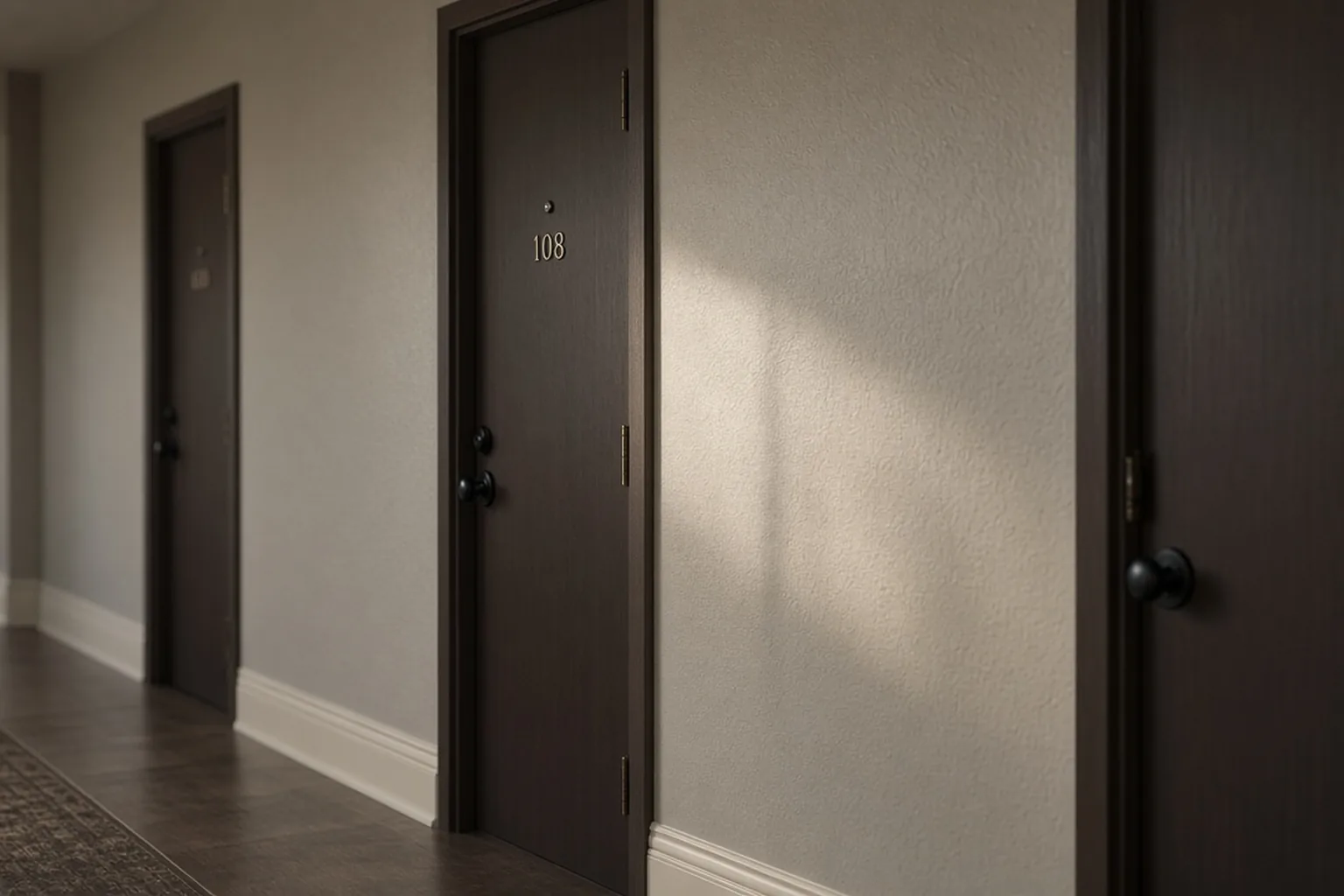 In a multi-unit building, mice move between apartments through shared walls and pipe chases, so treating one unit rarely solves it. Ask for a building-wide plan.
Did you know?
Minnesota health officials say plainly that the common house mouse does not carry hantavirus.
Washington, Oregon, Idaho, Nevada and New Mexico each reported one of the 17 provisional U.S. hantavirus cases for 2025.
Rodents also spread disease indirectly: the CDC names Lyme disease, plague and murine typhus as illnesses carried by their ticks and fleas.
Questions people ask
Why do newer homes in Maple Grove still get mice?
Because new construction still has gaps. Utility lines, dryer vents, garage doors and siding all leave openings, and settling can widen them within a few years. In Maple Grove neighborhoods that border fields or open lots, mice living in that ground have a short trip to your foundation once fall cold arrives.
When does mouse season start in Maple Grove?
Usually in September, with the most activity from October through December. With winter lows averaging 5F, mice that get inside rarely leave before spring. Sealing gaps and setting garage traps by mid-September is the most effective timing in Maple Grove.
What do mouse droppings look like?
The Minnesota Department of Health describes them as black or brown and about the size of a grain of rice. Fresh droppings are dark and soft, while old ones turn gray and crumbly. Look in drawers, cabinets, along walls and in garage corners.
Do deer mice carry hantavirus in Minnesota?
Yes. MDH identifies the deer mouse, not the house mouse, as the hantavirus carrier. Deer mice favor sheds, detached garages and cabins. Before cleaning those spaces, open doors and windows to air them out, then soak droppings with diluted bleach and wipe up with paper towels.
Can mice damage my car?
They can. Mice nest in engine bays and air filter boxes, especially in garages during cold months, and they chew wiring. During a Maple Grove winter, check under the hood and around the air filter if you see droppings in the garage, and keep seed and pet food sealed so mice have less reason to stay.
Do shopping centers and restaurants bring more rodents?
Any area with concentrated food waste can support mice and rats if trash is not managed well. Retail and dining areas in Maple Grove depend on sealed dumpsters, tight dock doors and regular service. For nearby homes, the best defense is the same as anywhere: seal your own gaps and keep food away from the house.
What counts as a rodent emergency?
Chewed wiring, droppings in food areas, a rodent in a bedroom, or a dead-animal smell inside a wall. In a sealed-up winter house, odors and allergens build up fast. Get those situations inspected within days rather than weeks.
Is poison safe to use in a Minnesota garage?
Traps are safer. Poisoned mice can die in walls, vehicles or stored items, and pets or wildlife may find the bait. Snap traps set along garage walls let you see results and remove each catch. If an outdoor rat problem needs bait, use locked stations placed by a licensed provider.
Nearby cities
Related guides
Sources (6)
The facts in this article come from the public sources listed above. Every home is different, so ask the company you talk to about pricing and what’s included. Published by Rodent Exterminator · Updated October 11, 2026 · How we write these guides