The short version
Rodent control in Odessa, TX should handle rats and their fleas together. Texas reported over 8,600 flea-borne typhus cases from 2008 through 2025, and rats are the main reservoir. Norway rats, roof rats, house mice and deer mice all occur here. Seal entry points, trap indoors, treat fleas on pets and in infested areas, and clean droppings wet.
- Odessa has Norway rats, roof rats, house mice and deer mice.
- Texas logged a record 1,110 flea-borne typhus cases in 2025, per DSHS.
- About 72 percent of Texas typhus patients were hospitalized.
- Flea treatment should go along with rat removal, not after it.
- Summer highs near 95F and 14 inches of rain push rodents toward water and shade.
This guide is for Odessa homeowners with rats in the attic or yard, renters seeing mice in the kitchen, and anyone storing trucks, trailers or equipment where rodents nest. Pet owners should read the flea sections closely, since dogs and cats can carry fleas between rats and people.
What to look for
Four rodents show up in Odessa structures. Norway rats burrow along foundations, under sheds and near trash and feed. Roof rats climb into attics by way of fences, utility lines and trees. House mice live inside walls, cabinets and garages. Deer mice favor outbuildings, vehicles and storage, and although Texas reports few hantavirus cases, their droppings still call for careful cleanup. The semi-arid climate shapes their behavior. Odessa gets about 14 inches of rain a year with humidity near 52 percent, so leaky irrigation, pet bowls and AC condensate become water sources rodents seek out. Summer highs near 95F send them toward shade under homes and in garages, and winter lows near 32F bring mice inside for warmth. The Texas twist is fleas. Rats carry the fleas that spread flea-borne typhus, and Texas DSHS notes the state reports more of it than any other, which makes flea control part of rodent control here.
- 1Droppings along garage walls, in the attic or behind appliances.
- 2Burrows near the foundation, under sheds or beside trash areas.
- 3Chewed wiring under the hood of a truck or inside a parked trailer.
- 4Pets scratching more than usual, or fleas on pets that rarely leave the yard.
- 5Gnawed pet food bags or birdseed in the garage.
- 6Noise in the attic around dusk, often a roof rat.
- 7Nests of shredded material in stored boxes or equipment.
Why it’s worth acting soon
- Texas DSHS counts over 8,600 flea-borne typhus cases from 2008 through 2025.
- About 72 percent of those typhus patients were hospitalized, and 17 died.
- Rats chew vehicle and equipment wiring, which is costly to repair.
- House mice and rats contaminate stored food and pantry items.
- UC IPM notes Norway rats can have 4 to 6 litters a year, so colonies grow quickly.
Treatment options and typical costs
Rodent removal with flea control
Quoted after inspection
Trapping or baiting paired with flea treatment of pets and infested areas, so fleas do not move to people as rats die. Texas DSHS treats rat control as a flea-borne typhus issue, and this pairing follows that thinking. Ask the provider how fleas are handled on the same visit.
- Time
- Until rat activity and flea signs stop
- Best for
- Any rat problem, especially with pets in the home
Exclusion
Quoted after inspection
Sealing gaps around garage doors, utility lines, roof vents and foundation openings with steel wool, hardware cloth and metal flashing. Roof rats need roofline sealing, while Norway rats need ground-level work. Exclusion is what keeps the next group from moving in.
- Time
- Depends on how many openings need sealing
- Best for
- Homes with repeat activity or attic noise
Indoor and attic trapping
Quoted after inspection
Snap traps along walls, in the attic and in garages, checked on a schedule. Trapping indoors avoids carcasses in walls and lets the provider confirm when activity stops. Attic trapping is the main tool against roof rats.
- Time
- Until catches stop
- Best for
- Rats and mice already inside
Vehicle and outbuilding cleanup
Quoted after inspection
Removing nests and droppings from sheds, stored vehicles and equipment using the CDC wet method. Deer mice may be involved, so ventilation and gloves matter. Ask whether the crew checks engine compartments, trailers and toolboxes.
- Time
- Per building or vehicle
- Best for
- Properties with stored trucks, trailers or sheds
Prices are typical published ranges. Ask what’s included before you compare quotes.
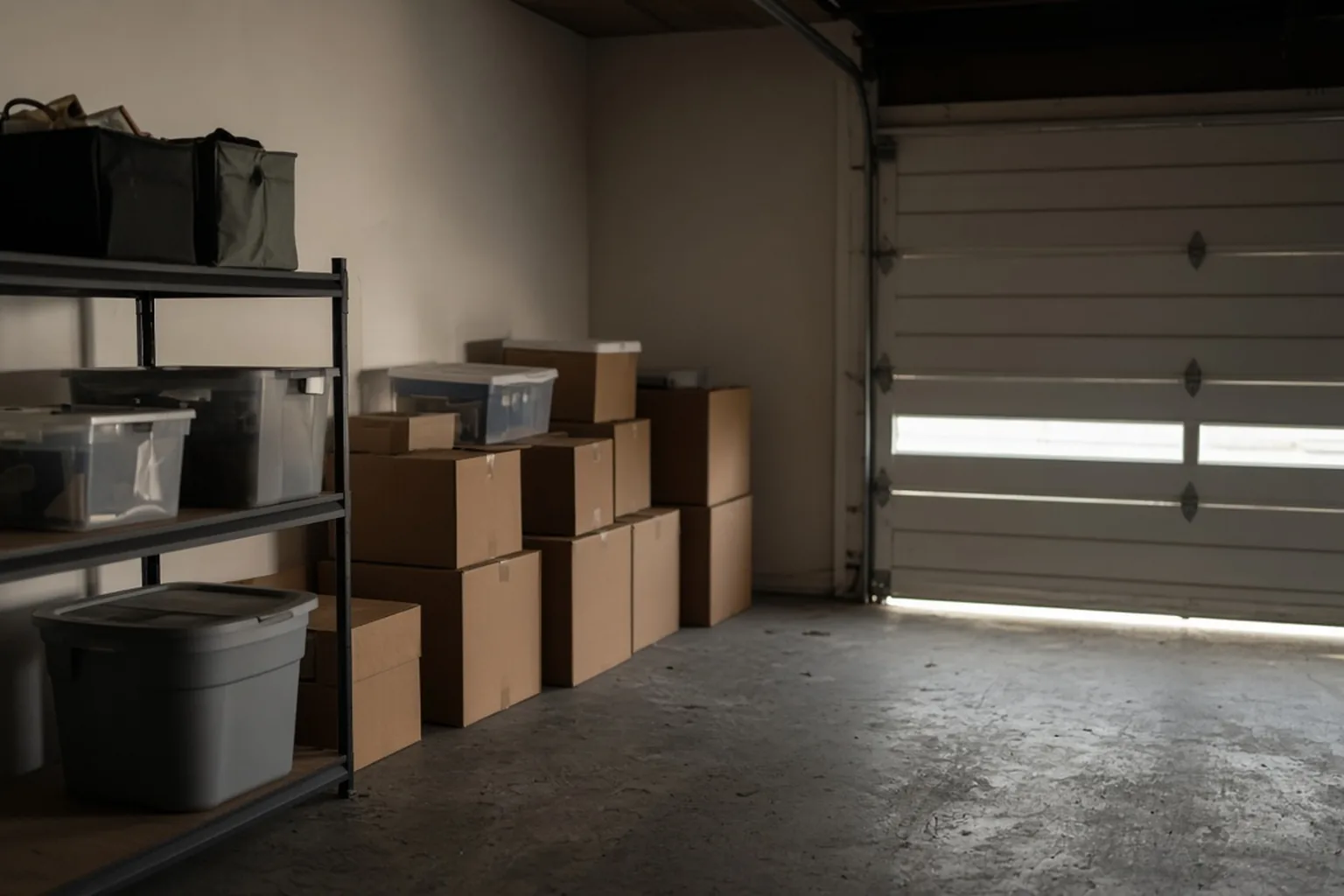 Cardboard boxes make easy nests and the gap under an overhead door makes an easy entrance. Plastic bins and a fresh door seal fix both.
Flea-borne typhus in Texas: why rat control in Odessa includes fleas.
Keep pets on a preventive, ask the provider about flea treatment for infested areas, and wear gloves when handling anything rats have touched. For an Odessa household, the lesson is practical: treat fleas whenever you treat rats. Odessa is not on that list, but two decades of spread show the disease follows rats into new places. DSHS reports the heaviest concentration in South Texas from Nueces County to the Rio Grande Valley, with newer endemic areas in Dallas-Fort Worth, Greater Houston, Bexar and Travis counties. Pets that roam where rats live can carry those fleas home. People get sick when infected fleas bite, or when flea droppings get rubbed into a scratch or the eyes. Rats and their fleas are the natural reservoir. About 72 percent of patients were hospitalized, and 17 died over the period. Texas DSHS counted over 8,600 cases from 2008 through 2025, with yearly counts climbing from a low of 135 in 2010 to a record 1,110 in 2025. Texas has a flea-borne typhus problem that shapes how rat control should work.
Water, shade and a 95-degree summer: where Odessa rodents go.
Winter brings a second push. Those are the places to check first. When summer highs near 95F, rodents shelter in the coolest spots they can reach during the day: under decks and sheds, inside garages, in stored vehicles, and in attics where roof rats find a shaded corner. Shade matters just as much. Fixing leaks is one of the cheapest and most effective rodent controls available. Rats and mice settle nearby and travel to the water nightly. Common sources include leaking hose bibs, drip irrigation, pet water bowls, AC condensate lines and cooler drains. With about 14 inches of rain a year and humidity near 52 percent, natural water is scarce, so rodents look for it around homes. In a semi-arid city like Odessa, rodents follow water and shade. A late-summer sealing pass covers both seasons, closing the summer shelter points and blocking the fall entry routes. Lows near 32F send house mice indoors, usually through garage doors and utility gaps.
 This is what a proper seal looks like: metal mesh fastened with screws and sealed at the edges. Foam or caulk on its own gets chewed through.
Treating rats and fleas together: why the order matters.
If you rent, ask the landlord whether flea treatment is part of the rodent service, and treat your own pets either way. Wash pet bedding in hot water. Remove nests and droppings using the wet method, with gloves, and bag everything. Cleanup comes last. Fourth, seal entry points so new rats do not bring new fleas. Third, trap or bait the rats while treating those areas for fleas. Second, have the provider check for fleas where rats nest, such as the attic, garage and under the house. First, make sure pets are on a flea preventive before trapping starts. A sensible sequence in an Odessa home runs like this. That is why Texas DSHS treats rat control as a flea-borne typhus issue, and why flea treatment should happen alongside rodent removal rather than weeks later. Hungry fleas leave the rat and look for the nearest warm body, which can be a dog, a cat or a person. When rats die or move out, their fleas do not die with them.
Trucks, trailers and equipment: rodents in Odessa vehicles and sheds.
Lift the hood on stored vehicles every week or two, and look for nests before starting the engine. Keep the ground around parked equipment clear of weeds and debris. Do not store feed, snacks or trash in vehicles or sheds. Prevention comes down to attractants and regular checks. Open sheds and trailers to air out before cleaning, wear gloves, and wet droppings with bleach solution before wiping. Texas DSHS says reported hantavirus cases in Texas are rare, but deer mice still warrant CDC cleanup precautions in rural buildings. Deer mice add a health angle. Nests in trailers and toolboxes contaminate equipment and stored gear. Chewed wiring, fuel lines and air filters can sideline a vehicle. The damage adds up. Engine compartments offer warmth in winter and shade in summer, and wiring and insulation make good nesting material. Odessa is known for Permian Basin oil, and if you keep a work truck, trailer, toolboxes or equipment parked outside or in a shed, rodents see shelter.
What to ask an Odessa rodent provider before work starts.
How many visits are included, and what happens if activity continues? Ask about follow-up. Where will traps and any stations go, how will bait be kept away from pets and children, and how often will they check? Ask about traps and bait. Which entry points will they seal, with what materials, and does the quote include roofline work? Ask about exclusion. Around Odessa, roof rats in the attic and Norway rats in the yard need different sealing, so ask which they found and what evidence they saw. Ask about species. Given Texas typhus numbers, a plan that ignores fleas is incomplete. Do they recommend pet treatment before trapping? Will they treat fleas in infested areas? Ask about fleas. A few questions up front show whether a provider's plan fits a Texas rat problem. Get the plan in writing so you can compare. Last, ask about cleanup in sheds, attics and vehicles, and whether the crew uses wet-cleaning methods.
What affects the price
- Whether flea treatment of the house and yard is included.
- The number of entry points, including roofline work for roof rats.
- Outbuildings, trailers and stored vehicles in the scope.
- Rat burrows in the yard that need exterior work.
- Follow-up trap checks and station service.
- Cleanup of attic insulation or storage areas.
📊
What's your biggest concern about rodents?
When to call for help
Call too when rodents are in the attic, when wiring in a vehicle or the house has been chewed, or when your own trapping has not slowed activity. If anyone in the household develops fever, headache and rash after rodent activity, see a doctor and mention the rats and fleas. Call a professional when you see rats, find burrows, or notice fleas on pets around the same time as rodent signs. In Texas, rats and fleas together raise typhus risk, and a pro can work on both at once.
What you can do yourself
Roof rats require sealing at the roofline, which means ladder work. If the problem involves an attic, a yard full of burrows, or fleas on pets, professional help usually ends it faster. Odessa homeowners can cover the basics: snap traps for a kitchen mouse, steel wool and caulk around pipe gaps, sealed containers for pet food and seed, and fixing leaks that give rodents water. Putting pets on a flea preventive is something you can do today. The harder parts are rats, fleas and roof work. Rats are wary and range widely, so they often need careful trap placement or locked bait stations. When rats die or leave, their fleas look for new hosts, and treating fleas at the same time takes planning.
Rodents in Odessa
Texas data lists Norway rats, roof rats, house mice and deer mice, and state health officials frame rat control as a flea-borne typhus issue, since Texas reports more of it than any other state. Odessa is outside the counties DSHS names as typhus hot spots, but new endemic areas have appeared over two decades. With median home values around $205,000, simple steps like flea preventives, sealed feed bins and door sweeps go a long way. Odessa is an urban city of about 112,000 in West Texas, founded in 1881 and known for Permian Basin oil and Friday Night Lights. The climate is semi-arid at 2,890 feet: roughly 14 inches of yearly rain, humidity around 52 percent, summers that peak near 95F and winter lows close to 32F. For rodents, that means a constant search for water and shade, and homes, garages and parked vehicles offer both.
Local research
Rodents in Odessa, TX: what the public record shows
Before you compare quotes, it helps to know which rodents actually live in Texas, when they are busiest around Odessa, and what the state figures look like. Everything below links to the agency or university page it came from.
Flea-borne (murine) typhus cases reported in Texas, 2008-2025
Texas reports more flea-borne typhus than any other state; rats and their fleas are the natural reservoir.
Texas Department of State Health ServicesRodent species recorded in Texas
- House mouse (Mus musculus) — Enters at 1/4 inch; 5-10 litters per year; eats about 200 small meals a night.
- Norway rat (Rattus norvegicus) — Burrowing rat of basements, sewers and ground floors; tail shorter than head plus body.
- Roof rat (Rattus rattus) — Climber of attics and trees in warm and coastal regions; tail longer than head plus body.
- Deer mouse (Peromyscus maniculatus) — Primary U.S. hantavirus carrier; lives throughout Washington and the interior West.
When rodents are busiest around Odessa
Spring cleanup exposure; summer. Deer mice and hantavirus in NM/AZ/CO/NV; plague fleas on wild rodents.
Based on Odessa’s semi-arid climate profile.
Rat control in Texas is a flea-borne typhus issue as much as a structural one, so flea treatment goes with rodent removal.
For context, nationally
- 1/4 inch (the width of a pencil) — Smallest gap a mouse can enter. CDC
- 890; 35% fatal; 94% west of the Mississippi — Hantavirus cases reported since 1993 (through 2023). CDC
Sources: Texas Department of State Health Services; CDC; Pest Notes: House Mouse; Pest Notes: Rats; Hantavirus. Figures are quoted as the source prints them. How we check our sources
Simple ways to keep rodents away
- Keep dogs and cats on a flea preventive all year.
- Fix leaky hose bibs, irrigation lines and AC condensate drains.
- Store pet food, feed and birdseed in metal containers with tight lids.
- Seal gaps at garage doors and around utility lines with steel wool and caulk.
- Trim trees and pull vines that let roof rats reach the roof.
- Check stored trucks, trailers and equipment for nests every couple of weeks.
- Keep lumber, scrap and junk off the ground and away from the house.
- Use lidded trash cans and keep the ground around them clean.
 After sealing, a few monitors or unset traps left along the walls tell you whether anything is still getting in before you hear it again.
Did you know?
Texas reports more flea-borne typhus than any other state, according to Texas DSHS.
Texas DSHS describes reported hantavirus cases in the state as rare, even though deer mice live there.
UC IPM says roof rats have 3 to 5 litters a year of up to 8 young each.
Questions people ask
Is flea-borne typhus a risk in Odessa?
Texas DSHS counted over 8,600 flea-borne typhus cases statewide from 2008 through 2025, with a record 1,110 in 2025. The heaviest concentrations are in South Texas and the big metro areas, but rats and their fleas live in Odessa too, so flea control belongs in any rat plan. It is worth taking seriously.
Why should flea treatment go with rodent control?
When rats are trapped or killed, their fleas look for a new host, which can be a pet or a person. Texas DSHS treats rat control as a flea issue as much as a structural one, so treating fleas at the same time protects your household. Because rats carry the fleas that spread typhus.
Do roof rats live in Odessa, TX?
Around Odessa, roof rats climb fences, trees and utility lines to reach attics. Noise overhead around dusk is the usual sign, often followed by droppings along the rafters. Yes. Roof rats are one of four rodents in the Texas data we compiled, along with Norway rats, house mice and deer mice.
Is hantavirus common in Texas?
Deer mice still live here, so clean droppings in sheds, trucks and storage the safe way: ventilate for 30 minutes, soak droppings with bleach solution for 5 minutes, then wipe up wet. Do not sweep or vacuum. No. Texas DSHS says reported hantavirus cases in the state are rare.
Why are rodents getting into my truck or trailer?
Around Odessa, where summer highs near 95F make shade valuable, an engine compartment or trailer is an easy pick. Rodents chew wiring and build nests there, so check stored vehicles regularly and keep food and trash out of them. Parked vehicles offer shelter, quiet and, in cold months, leftover engine warmth.
When are rodents most active around Odessa?
Summer heat pushes them toward shade and water around homes, and winter lows near 32F bring mice indoors. Spring cleanup of sheds and storage is when deer mouse droppings are most likely to be disturbed, so take extra care then. They are active all year, with shifts.
How much does rodent control cost in Odessa?
Around Odessa, a quote usually reflects how many entry points need sealing, whether roof rats require roofline work, whether flea treatment is included, and how many outbuildings or vehicles are involved. Ask for itemized pricing so you can compare providers fairly. It depends on the property.
Nearby cities
Related guides
Sources (6)
The facts in this article come from the public sources listed above. Every home is different, so ask the company you talk to about pricing and what’s included. Published by Rodent Exterminator · Updated October 11, 2026 · How we write these guides