The short version
Rodent control in Portland, Maine is mainly about house mice and Norway rats, with activity all year and a peak in fall as nights drop toward a 14F winter average. Maine CDC's advice sums it up: seal up, trap up, clean up. Close gaps a quarter inch or larger, trap along walls, and air out spaces for 30 minutes before wet-cleaning droppings.
- House mice and Norway rats are the two rodents Maine data lists for homes here.
- Coastal weather keeps rodents active all year, with the biggest push indoors in fall.
- Maine CDC's three steps are seal up, trap up and clean up.
- Ventilate at least 30 minutes before cleaning droppings, and never sweep or vacuum.
- Rodent work for hire in Maine falls under license category 7A.
This page is for Portland homeowners, condo owners and renters with mice in the kitchen or rats near the building, and for restaurant, brewery and shop owners who handle food. Landlords managing multi-unit buildings will also find practical guidance on sealing and on what to ask a licensed provider.
What to look for
Maine data lists two structural rodents, and Portland has both. House mice nest inside walls, under cabinets, behind appliances and in stored goods, and the CDC says they need only a quarter-inch gap. Norway rats are heavier burrowers that live along foundations, under steps, in yards and near trash and food waste, entering buildings at ground level. The coastal climate shapes the season. Summers are mild, with highs around 78F, and about 47 inches of precipitation a year keeps soil damp and easy to dig. Winter lows average 14F, cold enough to push rodents indoors in fall, yet in this coastal zone some activity continues through the year. Age can matter too. The city was founded in 1786, and if you live in an older brick or wood structure, expect mortar gaps, settled foundations and old utility openings. Add urban density and a busy restaurant and brewery scene, and rodents find shelter and food close together.
- 1Rice-sized droppings in kitchen drawers, cupboards or along baseboards.
- 2Larger, blunt droppings near trash areas, in basements or along back walls.
- 3Burrows under steps, along foundations or beside garden beds.
- 4Gnawing on cardboard, food packaging or wooden door bottoms.
- 5Scratching in walls or ceilings at night, especially from October on.
- 6Grease marks along pipes or the base of walls where rodents travel.
- 7Torn garbage bags or scattered food waste near bins in the morning.
Why it’s worth acting soon
- UC IPM reports a Norway rat female can raise 4 to 6 litters a year.
- Mice in walls chew wiring, a real fire risk in older buildings.
- Rodents contaminate food, a serious problem for homes and food businesses alike.
- Maine CDC notes some U.S. rats and mice carry hantavirus, so careless cleanup carries risk.
- In multi-unit buildings, mice spread between units the longer a problem runs.
At least 30 minutesVentilation before cleaning rodent droppingsMaine CDC Treatment options and typical costs
Seal up: exclusion
Quoted after inspection
A provider inspects foundations, basements, doors, vents and utility entries, then closes gaps with steel wool, hardware cloth, mortar and metal flashing. In older masonry buildings, repointing crumbling mortar and sealing around old pipes are often the biggest jobs.
- Time
- Depends on the building and how much masonry needs work
- Best for
- Older homes and multi-unit buildings
Trap up: interior trapping
Quoted after inspection
Snap traps or enclosed traps placed along walls in kitchens, basements, storage rooms and utility areas, checked and moved based on captures. Larger rat traps are often baited unset for a few days so cautious rats accept them.
- Time
- Until captures stop
- Best for
- Mice or rats already inside
Clean up: sanitation
Quoted after inspection
After trapping, droppings and nests are ventilated for at least 30 minutes, sprayed with bleach and water, then wiped up and bagged, following Maine CDC guidance. Contaminated insulation or stored goods may be removed.
- Time
- After activity has stopped
- Best for
- Basements, storage rooms and attics after an infestation
Commercial food-site program
Quoted after inspection
Scheduled service for restaurants, breweries, cafes and markets, with exterior stations, interior monitoring, sealing at doors and utility lines, and written logs. Frequency depends on food handling and building size.
- Time
- Ongoing on a documented schedule
- Best for
- Restaurants, breweries and food retailers
Prices are typical published ranges. Ask what’s included before you compare quotes.
 Under the sink is the first place to check: the hole where the pipe passes through the cabinet back is often cut much bigger than the pipe.
Seal up, trap up, clean up: Maine CDC's three steps in a Portland home.
Set a dozen along walls where you see droppings, trigger end toward the baseboard, and check them daily. Clean up last. Once activity stops, ventilate the area for at least 30 minutes. Spray droppings and nests with bleach and water, let them soak, and wipe up with paper towels. Bag everything and wash your hands. Never sweep or vacuum. Repeat the trapping if new signs appear, and look for the gap you missed. Maine CDC boils rodent control down to three steps, and they work in the order given. Seal up first. Walk the outside of your Portland home and look for openings a quarter inch or larger around pipes, wires, vents, doors and the foundation. Pack small gaps with steel wool and caulk over it, use hardware cloth on vents, and repoint crumbling mortar. Inside, check under sinks, behind the washer and in the basement where pipes come through. Trap up next. Use snap traps rather than poison indoors, since poisoned mice often die inside walls.
Restaurants, breweries and rodents in Portland's food scene.
The biggest wins are often operational. Keep dumpsters closed and on clean pads. Remove spent grain promptly and store it in sealed containers. Clean floors and drains nightly. Store dry goods off the floor in sealed bins. For residents living near busy dining areas, the advice is the same as anywhere: seal your own building, keep trash lidded, and report overflowing commercial dumpsters to the business or the property owner. Portland's food scene is a big part of the city's identity, and it also concentrates the things rodents want most. Restaurant kitchens produce scraps, grease and packaging. Breweries handle grain, and spent grain left in open containers draws Norway rats and mice quickly. Cafes and markets store dry goods in back rooms. For these businesses, rodent control is part of food safety. A solid program includes sealing around doors, utility lines and the building's base; exterior stations near dumpsters and loading areas; interior monitoring in kitchens and storage rooms; and scheduled service with written records.
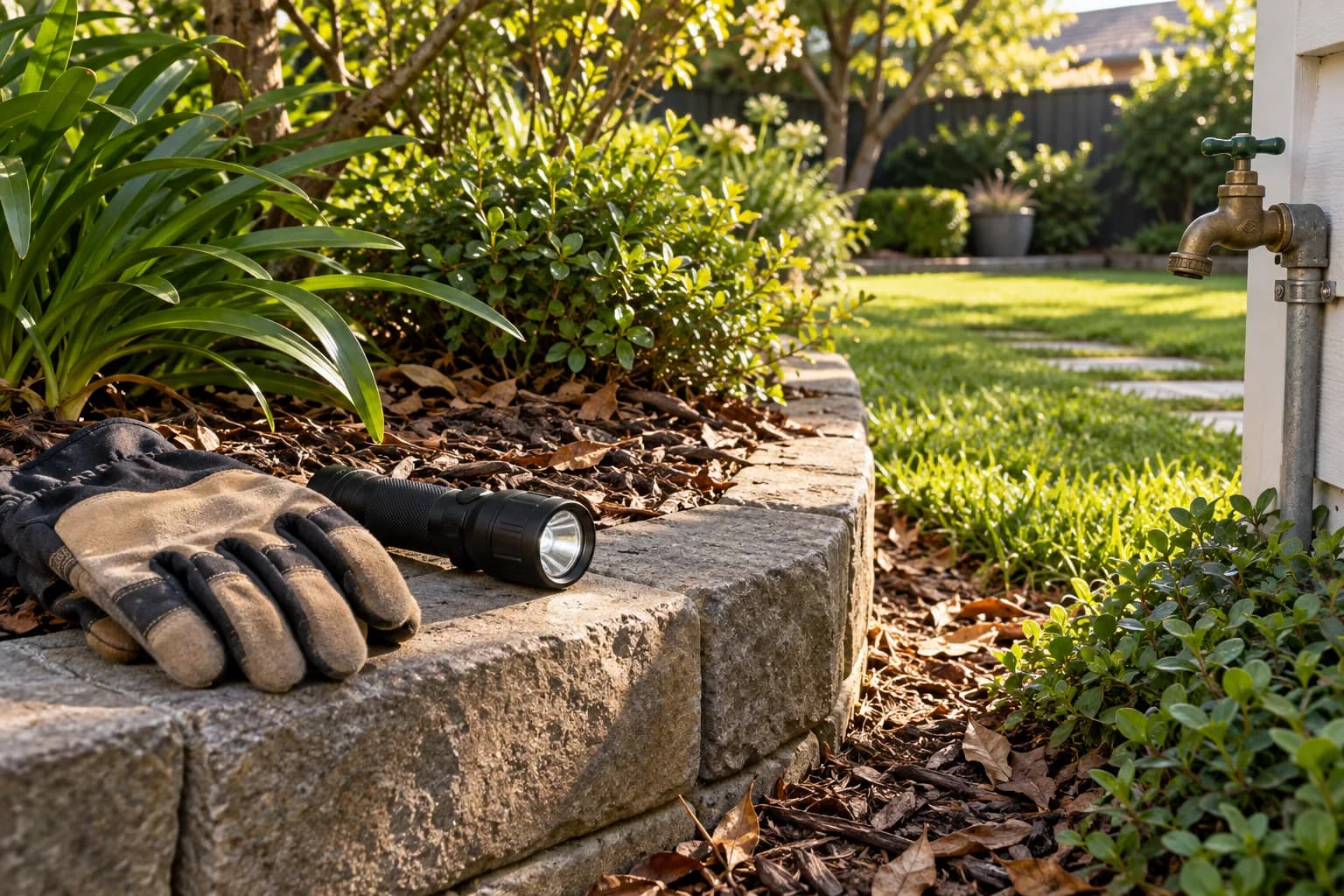 Dense shrubs against the house and a dripping hose bib give rodents cover and water. Trimming back and fixing drips makes the yard less inviting.
Older buildings and hidden entry points.
Match the material to the gap. Mortar or masonry patch for foundation joints. Steel wool and caulk for small gaps around pipes. Hardware cloth with 1/4-inch mesh for vents and window wells. Metal flashing where wood meets masonry. In multi-unit buildings, shared walls and pipe chases connect units, so seal from the basement up and treat the building as one system. A city that dates to 1786 has had centuries to build, and older construction tends to give rodents more ways in. If your Portland building has some age, brick and stone foundations can develop mortar gaps, wood sills can settle and pull away, and old pipe and wire openings may never have been sealed tightly. Start your inspection in the basement. Look along the top of the foundation where the sill plate sits, around every pipe and wire that passes through, and at basement windows and their wells. Outside, walk the base of the building and look for cracked or missing mortar, gaps under steps and porches, and openings around utility meters.
Checking a Maine pest control license.
If a company plans to use any rodenticide, ask what product, where it will be placed, and how children, pets and wildlife will be protected. Also ask about the non-chemical parts of the plan. Maine CDC's guidance emphasizes sealing, trapping and safe cleanup, and a good provider will put sealing first. Get the list of entry points and materials in writing. For restaurants and breweries, ask how the provider documents visits and findings, since those records support food safety inspections. In Maine, applying pesticides for hire requires a commercial applicator license from the Board of Pesticides Control. Structural general pest control, the category that covers rodent work in homes and businesses, is category 7A. Licensed operators must complete 6 hours of continuing education over three years to renew. Before you hire anyone in Portland, ask for the license number and category, and the name of the licensed person responsible for your job. A reputable company will share this without hesitation.
A coastal rodent year: why activity never fully stops.
December through March, mice that got in are nesting and breeding indoors, and rats shelter in basements and under buildings. Keep trapping and look for missed entry points. April through June, rats expand burrows outdoors as soil softens, helped by about 47 inches of precipitation a year. Check foundations, steps and garden beds. Summer, with highs near 78F, is busy outdoors around trash and food waste. Use those months to fix trash storage and do any masonry repair before fall. Portland's coastal climate zone shapes the rodent calendar. Average lows still reach 14F, but activity runs through the year with a fall peak rather than stopping outright. The fall peak is still the main event. From September through November, house mice and Norway rats push into buildings as nights cool. This is when droppings appear in kitchen drawers and scratching starts in walls. Seal gaps by early September and set early-warning traps in basements.
What affects the price
- Building age and construction, since older masonry and wood often need more sealing.
- The number of units and shared spaces in multi-family buildings.
- Rat burrows outdoors that require exterior work.
- How much cleanup is needed, including insulation or stored goods.
- Follow-up visits, especially through the fall peak.
- Commercial requirements like service frequency and written records.
📊
What's your biggest concern about rodents?
When to call for help
Call a licensed provider when you see rats, find burrows, or keep catching mice after a few weeks of your own effort. In an older Portland building, entry points can hide in mortar joints, behind trim or around old pipes, and finding them takes experience. Restaurants and breweries should call at the first sign of activity, since food safety is on the line. Get help quickly for chewed wiring, droppings in food areas or a dead-animal smell. In Maine, anyone applying pesticides for hire needs a commercial license, so ask for the provider's category and license details before work starts.
What you can do yourself
For food businesses, professional service is usually the only practical option, since inspections and customer trust depend on records and quick response. Pesticide use for hire requires a Maine commercial license in category 7A, and operators keep current with continuing education. Norway rats require outdoor work: locating burrows, removing food sources and sometimes placing locked stations. Hire help when the building is old and the gaps are hard to find, when you have rats, or when you share walls with other units. Plenty of small fall invasions end that way. For a few mice, seal gaps a quarter inch or larger with steel wool and caulk, set a dozen snap traps along walls with the trigger end toward the baseboard, and clean up using the wet method after ventilating for 30 minutes. Maine CDC's three steps work for homeowners, too.
Rodents in Portland
Portland is an urban city of about 69,000 people at roughly 62 feet above sea level on the Maine coast. Founded in 1786, it is known for its lighthouses, craft beer and food scene, and each of those shapes the rodent picture. With that long building history, any older masonry or wood construction deserves a close look for gaps in foundations, sills and utility openings. Restaurants and breweries concentrate food and grain waste, which Norway rats exploit whenever trash handling slips. The coastal climate brings 70% average humidity and steady precipitation, and rodents stay somewhat active through the year while still pushing indoors in fall. Urban density puts homes, businesses and shared trash areas close together, and a median home value near $450,000 makes prevention worth the investment.
Local research
Rodents in Portland, ME: what the public record shows
Before you compare quotes, it helps to know which rodents actually live in Maine, when they are busiest around Portland, and what the state figures look like. Everything below links to the agency or university page it came from.
Rodent species recorded in Maine
- House mouse (Mus musculus) — Enters at 1/4 inch; 5-10 litters per year; eats about 200 small meals a night.
- Norway rat (Rattus norvegicus) — Burrowing rat of basements, sewers and ground floors; tail shorter than head plus body.
When rodents are busiest around Portland
Year-round; fall peak. Pacific Northwest: roof and Norway rats plus deer mice statewide in Washington.
Based on Portland’s humid continental climate profile.
Maine CDC's hantavirus page says the virus is carried by certain rodents, including some rats and mice in the United States, and recommends seal up, trap up, clean up.
Rules that apply in Maine
For context, nationally
- 1/4 inch (the width of a pencil) — Smallest gap a mouse can enter. CDC
- 890; 35% fatal; 94% west of the Mississippi — Hantavirus cases reported since 1993 (through 2023). CDC
Sources: Maine Center for Disease Control & Prevention; CDC; Pest Notes: House Mouse; Pest Notes: Rats. Figures are quoted as the source prints them. How we check our sources
Simple ways to keep rodents away
- Seal gaps around pipes, wires and vents with steel wool and caulk before October.
- Repoint crumbling mortar along the foundation and around basement windows.
- Install door sweeps on exterior and basement doors.
- Use lidded metal or heavy plastic trash cans, and never leave bags out overnight.
- Store food, pet food and birdseed in hard containers.
- Keep compost in a closed bin with a solid bottom.
- Clear clutter from basements and storage areas so nests are easier to spot.
- Screen basement vents and windows with 1/4-inch hardware cloth.
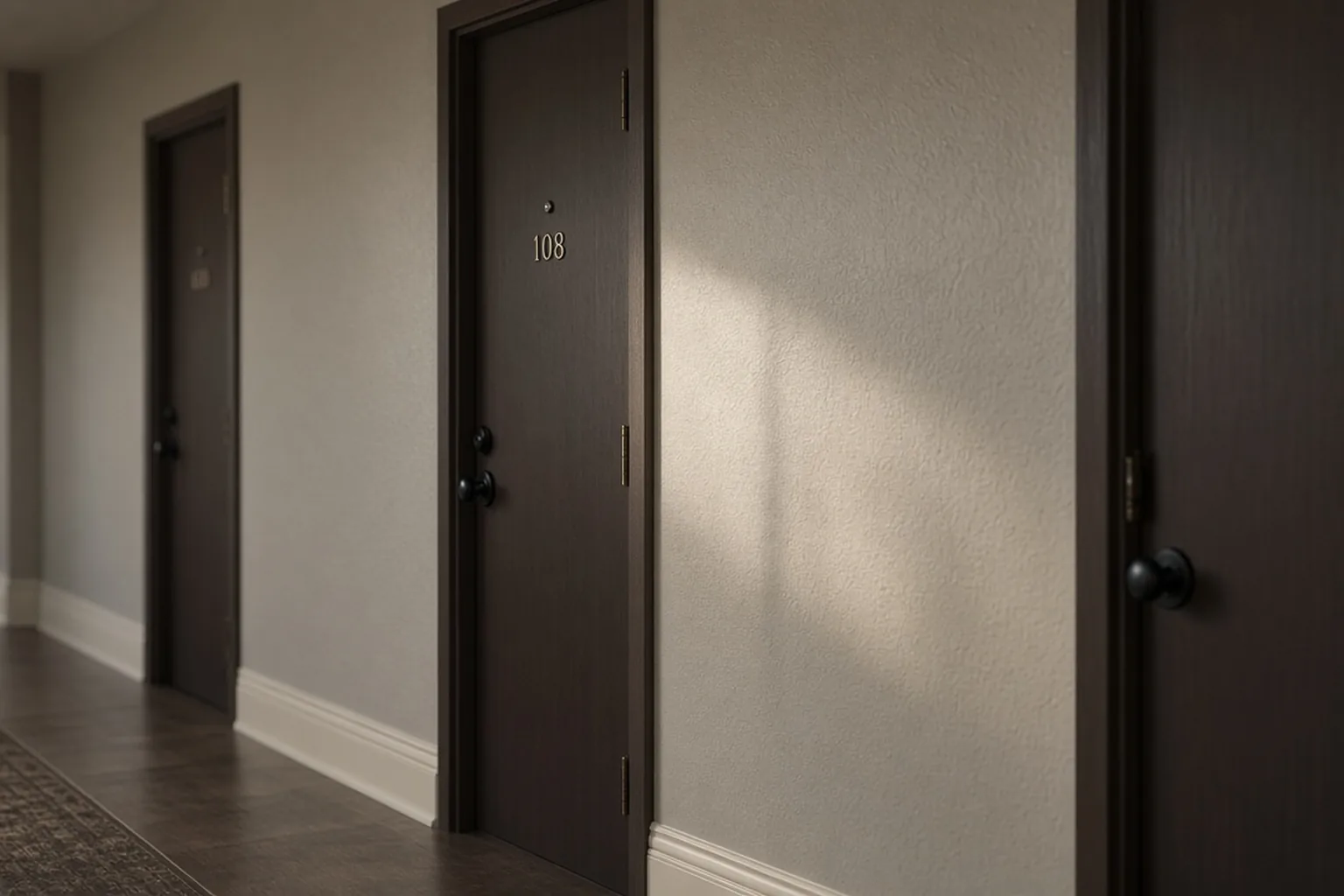 In a multi-unit building, mice move between apartments through shared walls and pipe chases, so treating one unit rarely solves it. Ask for a building-wide plan.
Did you know?
Maine CDC sums up rodent control in three short phrases: seal up, trap up, clean up.
Maine CDC says hantavirus symptoms can start anywhere from one to eight weeks after contact with infected rodents.
Rat-bite fever can follow a bite or scratch from an infected rat, according to the CDC.
Questions people ask
When are rodents most active in Portland, Maine?
Year-round, with a peak in fall. Portland sits in a coastal climate zone where some activity continues all year, but as nights fall toward the 14F winter average, house mice and Norway rats push indoors. Seal gaps in late summer and set traps in early fall to catch the first arrivals.
What does Maine CDC recommend for rodents?
Seal up, trap up, clean up. Close the gaps rodents use, trap the ones already inside, and clean droppings safely. Maine CDC says to ventilate for at least 30 minutes, spray droppings with bleach and water, then wipe them up, and never vacuum or sweep. Those steps apply in any Portland home or business.
Do rats carry hantavirus in Maine?
Maine CDC says hantavirus is carried by certain rodents, including some rats and mice in the United States, while the CDC reports most U.S. cases occur in the West. The practical step for Portland residents is to clean droppings wet after ventilating, never dry, and to wear gloves while doing it.
How do I know a pest company is licensed in Maine?
Ask for its Maine Board of Pesticides Control commercial applicator license. Structural general pest control, which covers rodent work, is category 7A. Licensed operators need 6 hours of continuing education over 3 years to renew. A reputable company will share this before starting work.
Why do restaurants and breweries attract rodents?
Food, grain and waste. Kitchens produce scraps and grease, and breweries handle grain, all of which draw Norway rats and mice. In a dense city like Portland, those businesses can sit close to homes, so good trash handling and sealing at food sites helps the whole block.
Are older buildings more likely to get mice?
Often, yes. Older brick and wood buildings tend to have mortar gaps, settled foundations, and old pipe and wire openings that were never sealed tightly. In a city founded in 1786 like Portland, check basements, foundation walls and around old utility lines first.
What should I use to seal mouse holes?
Steel wool packed tight, then caulk or sealant over it, works for small gaps. Use 1/4-inch hardware cloth on vents and mortar on masonry. The CDC says mice can get through a quarter-inch opening, so even small gaps around pipes are worth closing.
Is it safe to clean up droppings myself?
Yes, with care. Ventilate for at least 30 minutes, wear gloves, spray droppings with bleach and water, wait, then wipe up with paper towels and bag them. Maine CDC warns against sweeping or vacuuming. Wash your hands well afterward.
Nearby cities
Related guides
Sources (6)
The facts in this article come from the public sources listed above. Every home is different, so ask the company you talk to about pricing and what’s included. Published by Rodent Exterminator · Updated October 11, 2026 · How we write these guides