The short version
Rodent control in Provo, Utah focuses on the deer mouse, a native mouse that carries hantavirus, along with house mice that move indoors when nights head toward 22F. Seal gaps of 1/4 inch before October, use snap traps rather than poison, and clean any droppings wet with a bleach solution. Never sweep or vacuum droppings in a garage, shed or basement.
- The deer mouse is the rodent Utah's data flags, and it carries hantavirus.
- Provo's 22F winter lows push mice into homes from late September on.
- Utah had no cases among the 17 provisional US hantavirus reports for 2025, but neighbors did.
- CDC's weekly table listed 3 Utah leptospirosis cases early in 2025.
- Seal to 1/4 inch and clean droppings wet, never with a broom.
This guide is for Provo homeowners finding droppings in a garage or basement, students and renters near Brigham Young University dealing with mice in apartments, and landlords preparing units between tenants. It is also for anyone about to clean a shed, storage unit or cabin that has been closed for months.
What to look for
Utah's state data names the deer mouse, and in Provo it is the rodent to understand first. Deer mice are brown on top with bright white bellies and feet, and they live naturally in brush, fields and other open ground. When temperatures drop, they move into garages, sheds, crawlspaces and the edges of homes. House mice are the other common indoor pest, nesting near food in kitchens and wall voids. The climate sets the calendar. Summer highs near 92F and low humidity around 52 percent keep mice outdoors and busy through the warm months. Winter lows around 22F send them looking for shelter, so the main push into homes runs from late September into November. The CDC says a mouse can get through a 1/4-inch gap, so even small openings around pipes, garage doors and vents let them in. The dry air adds a hazard: droppings dry quickly, and dried droppings turn into dust when disturbed. Since deer mice carry hantavirus, that dust is the main way people get exposed.
- 1Small dark droppings on garage shelves, in drawers or along basement walls.
- 2Nests of shredded paper, fabric or insulation in stored boxes.
- 3Seeds, grains or pet food stashed in unexpected places like shoes or cupboards.
- 4Scratching in walls or ceilings on cold nights starting in fall.
- 5Chewed packaging on cereal, grains or pet food.
- 6A musty smell in closed closets, cabinets or storage areas.
- 7Tiny tracks in dust on garage floors or shelves.
Why it’s worth acting soon
- Deer mouse droppings in closed spaces raise hantavirus exposure risk during cleanup.
- Mice that move in during fall breed through winter in heated walls.
- Gnawed wiring in garages and walls creates fire hazards.
- Food, pantry goods and stored belongings become contaminated.
- The longer droppings build up, the bigger and riskier the cleanup.
3Utah leptospirosis cases, first 13 weeks of 2025CDC NNDSS Maximum of 1Utah plague reports, previous 52 weeksCDC NNDSS 17, none from UtahUS hantavirus pulmonary syndrome cases, 2025 (provisional)CDC NNDSS Treatment options and typical costs
Exclusion around garages and foundations
Quoted after inspection
A provider seals openings down to 1/4 inch around the foundation, garage door, pipes, vents and utility entries using steel wool, hardware cloth, metal or cement. Garages and crawlspaces are common entry points for deer mice. Ask for a written list of what was sealed.
- Time
- Set after the garage and foundation check
- Best for
- Homes with fall mouse activity
Snap trapping
Quoted after inspection
Traps placed along walls in garages, basements and kitchens where droppings appear, then checked and reset. Traps let you remove mice promptly instead of having them die inside walls. Ask how often the provider checks and who disposes of the catch.
- Time
- Until traps stop catching
- Best for
- Mice already indoors
Contaminated area cleanup
Quoted after inspection
For garages, sheds or crawlspaces with heavy droppings, some providers clean using protective gear, disinfectant and sealed disposal following CDC guidance. Worth considering when deer mice are likely involved. Ask what protective equipment they use.
- Time
- Depends on how heavy the droppings are
- Best for
- Heavily soiled storage spaces
Prices are typical published ranges. Ask what’s included before you compare quotes.
 Crawl spaces are where rats and mice get comfortable. Vent screens, the sill plate and any gap around pipes are worth a careful look.
Why the deer mouse is the rodent Provo homeowners should know.
If you are not sure which mouse left the droppings, assume deer mouse and clean carefully. Around Provo, with about 16 inches of precipitation a year and humidity near 52 percent, droppings dry quickly and crumble easily. Deer mice are the main carrier in the West, and people get exposed by breathing in dust from dried droppings, urine or nests. The reason they matter more than other mice is hantavirus. They often nest in stored boxes and stash seeds and grains in odd places. When nights cool in fall, they move into garages, sheds, crawlspaces and basements. They live in brush, fields and open ground, the kind of habitat found at the edges of many Utah towns. Their tails are sharply two-toned, dark on top and white underneath. They have brown or gray-brown backs, bright white bellies and feet, large eyes and big ears. Deer mice are native to the West. Utah's state data points to the deer mouse, and for Provo homeowners it is the one worth learning to recognize.
Hantavirus in the West: reading the latest numbers.
Never sweep or vacuum. Wipe up with paper towels, bag it, and wash your hands. Soak droppings and nests with 1.5 cups of bleach per gallon of water for 5 minutes. Wear gloves. Ventilate for 30 minutes. The CDC's cleanup steps are simple. Deer mice live around Provo, and exposure happens the same way everywhere: cleaning out a garage, shed, cabin or storage space where droppings have built up. The risk is low in any single year, and it exists in the region. That pattern tells Provo residents two things. California led with 4. Utah was not among them, but neighboring and nearby states were: Arizona with 3, Colorado with 2, and Idaho, Nevada and New Mexico with 1 each. CDC's provisional table for 2025 listed 17 hantavirus pulmonary syndrome cases nationwide. The CDC has counted 890 US cases from 1993 through 2023, with about 35 percent fatal and roughly 94 percent west of the Mississippi. Hantavirus is rare, but it is mostly a western disease.
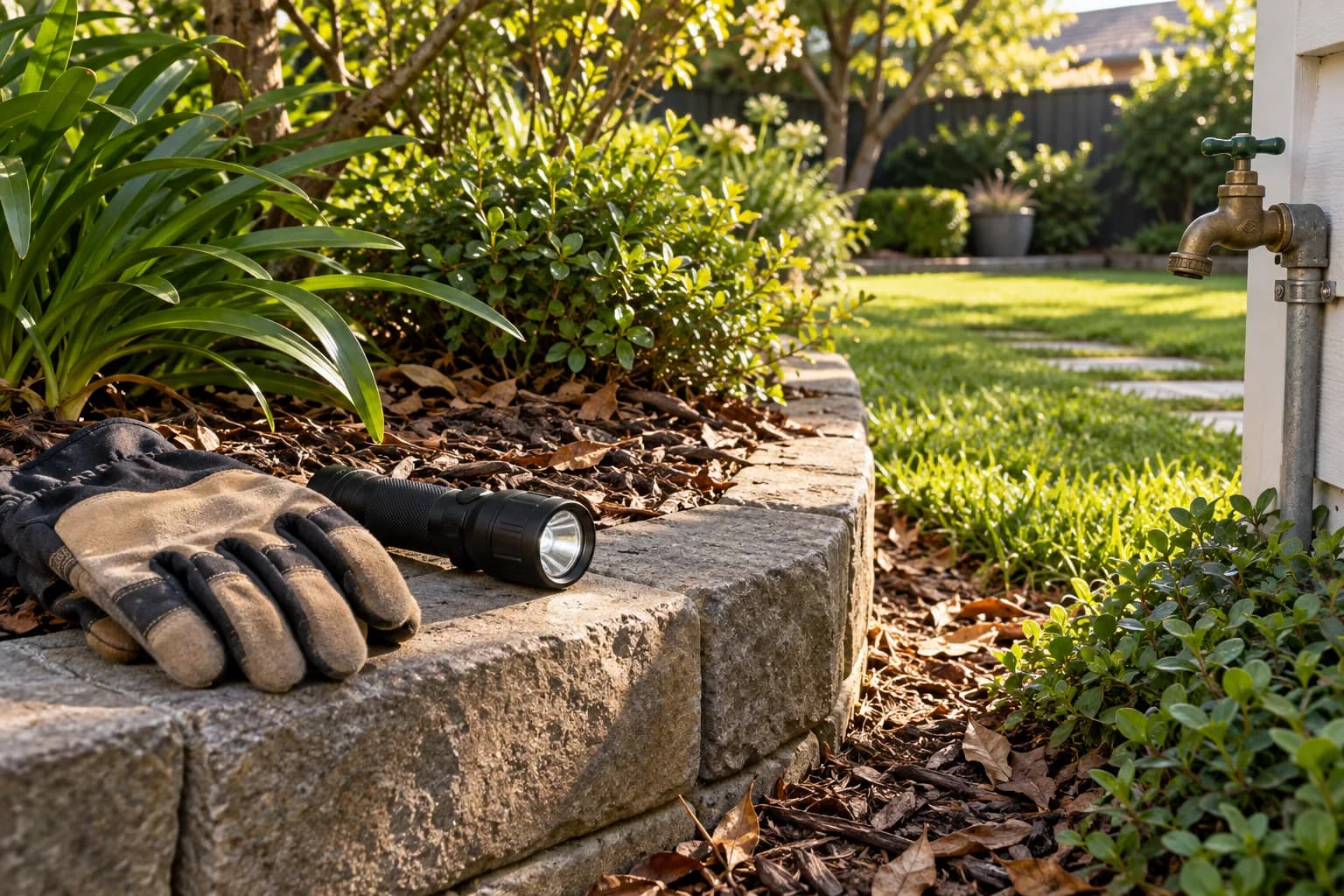 Dense shrubs against the house and a dripping hose bib give rodents cover and water. Trimming back and fixing drips makes the yard less inviting.
Mice in student rentals and apartments near BYU.
Ask providers for a written report covering every unit so tenants and owners know what was done. Before move-in, check empty units for droppings and clean them properly. Seal common entry points like utility chases, garage doors and foundation gaps. If you own or manage rentals in Provo, an inspection of the whole building is usually more effective than unit-by-unit calls. Avoid sweeping droppings; wet them with a bleach solution first. Keep your food sealed and trash out. If you rent, tell your landlord or property manager in writing as soon as you see signs. Units that sit empty between leases can also build up droppings, which matters when deer mice are involved. Treating one apartment while others still have mice usually means the problem returns. In connected buildings, mice travel between units through wall voids, ceiling spaces and gaps around pipes. If you live in an apartment or student rental near Brigham Young University, the building's layout affects how mice spread and how they should be handled.
What other rodent diseases matter in Utah?
The risk to any one person is low, but simple habits lower it further. Clean droppings wet, with gloves. Treat pets for fleas, especially if they roam fields or open ground. Do not handle wild rodents or their nests with bare hands. Keep rodents out of the house. For a Provo household, the practical steps are the same for all of these. Plague in the US averages about 7 human cases a year, mostly in the Four Corners region and parts of California, Oregon and Nevada, spread by rodent fleas. The same tables show a plague maximum of 1 report in the previous 52 weeks. In Utah, CDC weekly tables listed 3 leptospirosis cases in the first 13 weeks of 2025, which is notable for a dry state. Others, such as plague, reach people indirectly through fleas or ticks. Hantavirus gets the most attention, but the CDC lists several diseases rodents can spread directly, including leptospirosis, rat-bite fever, salmonellosis, tularemia and lymphocytic choriomeningitis.
Sealing a Provo home before the first hard freeze.
If you catch mice, look for the gap that let them in. Set a few snap traps in the garage and basement in October as an early warning. Keep grains, seed and pet food in metal or heavy plastic containers. Move firewood, stored items and brush away from the house. Clear the outside. Check crawlspace vents and screens for tears or rust. Use hardware cloth or cement for larger openings. Pack small gaps with steel wool and seal with caulk. A mouse fits through 1/4 inch, according to the CDC. Look for gaps where pipes, wires, dryer vents and air conditioning lines enter. Walk the foundation. Replace worn weatherstripping and sweeps. Check the bottom seal and corners of the garage door, where deer mice often get in. Start with the garage. Sealing before that window is the most effective thing you can do. Around Provo, winter lows average around 22F, and the main rodent push comes as nights cool from late September through November.
What affects the price
- How many gaps the inspection finds around garages, foundations and utility entries.
- Whether the job includes cleanup of contaminated storage areas or insulation.
- Crawlspace access and condition.
- The number of follow-up trap visits.
- Detached garages, sheds or outbuildings that need separate work.
- Multi-unit buildings where several apartments need inspection.
📊
What's your biggest concern about rodents?
When to call for help
Call a provider if mice keep appearing after a couple of weeks of your own trapping, which means gaps are still open. Call before cleaning a garage, shed or storage space with heavy droppings if you are unsure how to do it safely, since deer mice in Provo can carry hantavirus. Call if you manage rental units near BYU and see activity in more than one unit, because mice travel between connected spaces. And if anyone gets fever and muscle aches a few weeks after cleaning droppings, see a doctor and mention the exposure.
What you can do yourself
Many Provo homeowners can handle a small mouse problem themselves. Snap traps along walls where you find droppings work well, and steel wool with caulk closes small gaps around pipes. A new garage door sweep fixes a common entry point. Cleanup is where you need to be careful. With deer mice in the area, follow CDC guidance: ventilate for 30 minutes, wet droppings with a bleach solution, wait 5 minutes, then wipe up with paper towels while wearing gloves. Never sweep or vacuum. A provider helps when you cannot find the entry points, when the infestation is in multiple areas, or when cleanup is too large to manage safely.
Rodents in Provo
Provo sits at about 4,551 feet in Utah's semi-arid continental climate, with summer highs near 92F, winter lows around 22F, average humidity of about 52 percent and roughly 16 inches of precipitation a year. The dry air means droppings dry and crumble quickly, which matters because deer mice, the rodent Utah's data flags, carry hantavirus. Provo is an urban city of about 115,000 people, founded in 1849 and anchored by Brigham Young University. In any apartment building, mice can move between units. With a median home value around $460,000, preventing damage to wiring, insulation and finished basements is worth the effort. The main rodent push into homes comes in fall, with mice staying in walls and garages through the winter.
Local research
Rodents in Provo, UT: what the public record shows
Before you compare quotes, it helps to know which rodents actually live in Utah, when they are busiest around Provo, and what the state figures look like. Everything below links to the agency or university page it came from.
Leptospirosis cases, 2025 (YTD through week 13)
Plague previous-52-week max of 1.
CDC NNDSSRodent species recorded in Utah
- Deer mouse (Peromyscus maniculatus) — Primary U.S. hantavirus carrier; lives throughout Washington and the interior West.
When rodents are busiest around Provo
Fall entry; winter infestations. Upper Midwest and Northeast: mice in walls and garages all winter.
Based on Provo’s semi-arid continental climate profile.
For context, nationally
- 1/4 inch (the width of a pencil) — Smallest gap a mouse can enter. CDC
- 890; 35% fatal; 94% west of the Mississippi — Hantavirus cases reported since 1993 (through 2023). CDC
Sources: CDC NNDSS; CDC; Hantavirus. Figures are quoted as the source prints them. How we check our sources
Simple ways to keep rodents away
- Seal gaps of 1/4 inch or more before late September.
- Install a tight sweep on the garage door.
- Store grains, seeds and pet food in metal or heavy plastic containers.
- Keep firewood and stored items off the ground and away from the house.
- Clear brush and tall grass from the foundation.
- Set a few snap traps in the garage each fall as an early warning.
- Air out closed sheds or storage areas for 30 minutes before cleaning.
- Use sealed plastic bins rather than cardboard for storage.
 After sealing, a few monitors or unset traps left along the walls tell you whether anything is still getting in before you hear it again.
Did you know?
The CDC lists tularemia and lymphocytic choriomeningitis among diseases rodents can spread directly to people.
US plague cases average about 7 a year, ranging from 0 to 17, concentrated in the Four Corners and far western states.
Norway rats are not on Utah's list, but where they do live, UC IPM says each female weans 20 or more pups a year across 4 to 6 litters.
Questions people ask
What kind of mice live in Provo?
Deer mice and house mice are the two you are most likely to find. Deer mice are native, with brown backs and white bellies, and live in fields and brush around Provo. House mice are gray-brown all over and live near food indoors. Deer mice are the main carrier of hantavirus in the West.
When do mice come inside in Provo?
Mostly from late September through November, as nights head toward Provo's winter average of about 22F. Mice move into garages, basements and walls and stay through winter. Sealing gaps in late summer is the best way to stay ahead of them.
Is hantavirus a concern in Utah?
It is rare but worth respecting. CDC's provisional count for 2025 listed 17 US cases, none from Utah, but several from neighboring states like Arizona, Colorado, Idaho and Nevada. Nationally, the CDC has counted 890 cases from 1993 through 2023, about 35 percent fatal. Clean droppings wet and never sweep.
How do I safely clean mouse droppings in my garage?
Open the garage and let it air out for 30 minutes. Put on gloves and soak droppings with a bleach solution of 1.5 cups per gallon of water. Give it 5 minutes to soak before you wipe it up with paper towels and tie it off in a bag. The CDC warns never to sweep or vacuum droppings.
Are mice a problem in BYU-area rentals?
They can be. In apartment buildings and student rentals near Brigham Young University, mice move between units through shared walls and pipe chases. Tell your landlord in writing, keep food sealed and ask whether the building is being treated as a whole rather than one unit at a time.
What does rodent control cost in Provo?
Most Provo providers quote after an inspection. The price depends on how many gaps need sealing, whether cleanup of a garage or crawlspace is included, and how many follow-up visits are needed. Ask for each part listed separately so you can compare.
Should I use poison for mice in Provo?
Traps are usually the better choice indoors. A poisoned mouse can die inside a wall, leaving odor and a contaminated spot that is hard to reach. In a dry climate where droppings and carcasses dry out, removing mice promptly with traps keeps cleanup simpler and safer.
Nearby cities
Related guides
Sources (6)
The facts in this article come from the public sources listed above. Every home is different, so ask the company you talk to about pricing and what’s included. Published by Rodent Exterminator · Updated October 11, 2026 · How we write these guides