The short version
Rodent control in Salem, OR is mostly about the September to November move indoors, when wet, cooling weather sends Norway rats into crawlspaces, roof rats into attics and deer mice into garages and shops. Screen vents and close gaps of 1/4 inch, trap rather than poison inside, and clean droppings wet because deer mice can carry hantavirus.
- Salem's rodents are Norway rats, roof rats and deer mice, plus the usual house mice.
- Fall rains and cooler nights drive most indoor moves from September to November.
- Crawlspace vents and attic gaps are the two main entry zones.
- Oregon recorded 1 provisional hantavirus case in 2025, per CDC tables.
- Bleach-soak droppings for 5 minutes; do not sweep or vacuum them.
This guide is for Salem homeowners hearing noises under the floor or overhead, people with shops, barns or outbuildings near open fields, and landlords who want to close up rentals before the wet season. If you have a crawlspace and have never looked inside it, this page will help you know what to check.
What to look for
Salem has three rodents with very different habits. Norway rats are ground-level burrowers that move into crawlspaces, under decks and into garages, and they need water daily. Roof rats climb trees, fences and utility lines and settle in attics and upper walls. Deer mice, with white bellies and two-tone tails, live in fields, hedgerows and woodpiles and move into outbuildings, garages and homes, and they are the main hantavirus carrier in the West. House mice can show up indoors too. The Mediterranean climate sets the schedule. Summers are fairly dry with highs around 82F, so rodents breed outdoors comfortably. Then the rain returns, and much of the 42 inches falls in the cool months. Burrows flood, nests get soaked, and a dry crawlspace or attic becomes the best shelter available. Winter lows average about 36F, mild enough that outdoor populations survive, which means pressure on your house stays steady all winter. Salem sits low, at about 154 feet, and damp ground stays damp for months.
- 1A musty or ammonia smell coming up through floor registers from the crawlspace.
- 2Torn or pushed-in crawlspace vent screens.
- 3Scratching under the floor at night, a common sign of Norway rats.
- 4Movement or thumping in the attic after dark, typical of roof rats.
- 5Droppings in the garage, shop or barn, especially near stored seed or feed.
- 6Nesting material made from insulation, paper or fabric in stored boxes.
- 7Burrows along the foundation or under a deck or shed.
Why it’s worth acting soon
- Rats in crawlspaces tear down vapor barriers and insulation and leave urine-soaked debris.
- Chewed wiring under floors or in attics can cause electrical problems.
- Deer mouse droppings pile up in closed outbuildings, raising hantavirus risk at cleanup.
- Norway rats can have 4 to 6 litters a year, per UC IPM, so numbers rise through winter.
- Odors from crawlspace contamination can travel into living spaces.
94%Share of U.S. hantavirus cases west of the Mississippi, 1993 to 2023CDC 1/4 inchGap a mouse can fit throughCDC Treatment options and typical costs
Crawlspace sealing and vent screening
Quoted after inspection
Damaged or missing crawlspace vent screens are replaced with sturdy 1/4-inch hardware cloth, and gaps around pipes, the access door and the foundation are sealed. For Salem homes with crawlspaces, this is often the most important single step against Norway rats.
- Time
- One to two days
- Best for
- Rats or mice under the floor
Attic exclusion for roof rats
Quoted after inspection
Gaps at eaves, roof vents, gable vents and around utility lines are closed with metal flashing, hardware cloth and steel wool, and branches touching the roof are trimmed. Attic traps remove the rats already inside.
- Time
- One to three days plus trapping visits
- Best for
- Roof rats in attics
Trapping in crawlspaces, attics and outbuildings
Quoted after inspection
Snap traps go on runways where droppings and rub marks show activity, and they are checked over several visits. Traps avoid the problem of poisoned rodents dying under floors, where the odor rises through the house.
- Time
- One to three weeks
- Best for
- Active rodents in any space
Crawlspace and outbuilding cleanup
Quoted after inspection
Droppings, nests and soiled insulation or vapor barrier are wetted, removed and bagged, and damaged material is replaced. For barns and shops with deer mice, this follows hantavirus-safe methods.
- Time
- One to two days
- Best for
- Heavy contamination after a winter of activity
Prices are typical published ranges. Ask what’s included before you compare quotes.
 Bathroom vanities hide the same plumbing gaps as the kitchen. A quick look with a flashlight shows droppings or rub marks long before you see a mouse.
Why Salem crawlspaces attract rats when the rain returns.
Doing this in late August, before the rains, prevents most of the problem. Then trap the rats already inside and remove contaminated material. Replace vent screens with sturdy 1/4-inch hardware cloth, make sure the access door closes tight, and seal pipe gaps. The fix starts with sealing. Signs include scratching under the floor at night, a musty or ammonia smell through floor registers, and torn vent screens outside. Once inside, they tear into vapor barriers and insulation to make nests, and their urine and droppings soak into that material. Rats get in through torn or missing vent screens, gaps around the access door, and openings where pipes and wiring enter the foundation. A crawlspace that is dry, dark and close to food becomes the best option nearby. When the wet season arrives and much of the city's 42 inches of yearly rain falls, those burrows flood. Norway rats spend the dry months in yards, along creeks and in burrows under sheds and decks. For a Salem house built over a crawlspace, rodent problems often begin under the floor.
Deer mice near the valley fields: barns, shops and garages.
Skip the broom and shop vacuum entirely. Air the space out for 30 minutes, put on gloves, soak droppings with bleach solution for 5 minutes, and wipe them up with paper towels. When cleaning, keep it wet. Seal gaps around doors and walls with hardware cloth or steel wool. Keep stored items in sealed bins. Store seed, feed and pet food in metal or heavy plastic. For anyone with outbuildings near open land, prevention matters. Exposure happens when dried droppings and nests are disturbed, usually while cleaning a closed space. cases since 1993, with 94 percent west of the Mississippi, and Oregon reported one provisional case in 2025. CDC data shows 890 U.S. They are also the main hantavirus carrier in the West. Deer mice move readily into barns, shops, garages and sheds, especially as fall weather turns wet. Look for a small mouse with a snow-white underside and a sharply two-toned tail. Salem sits in the Willamette Valley, and the open fields, hedgerows and woodpiles around town are deer mouse habitat.
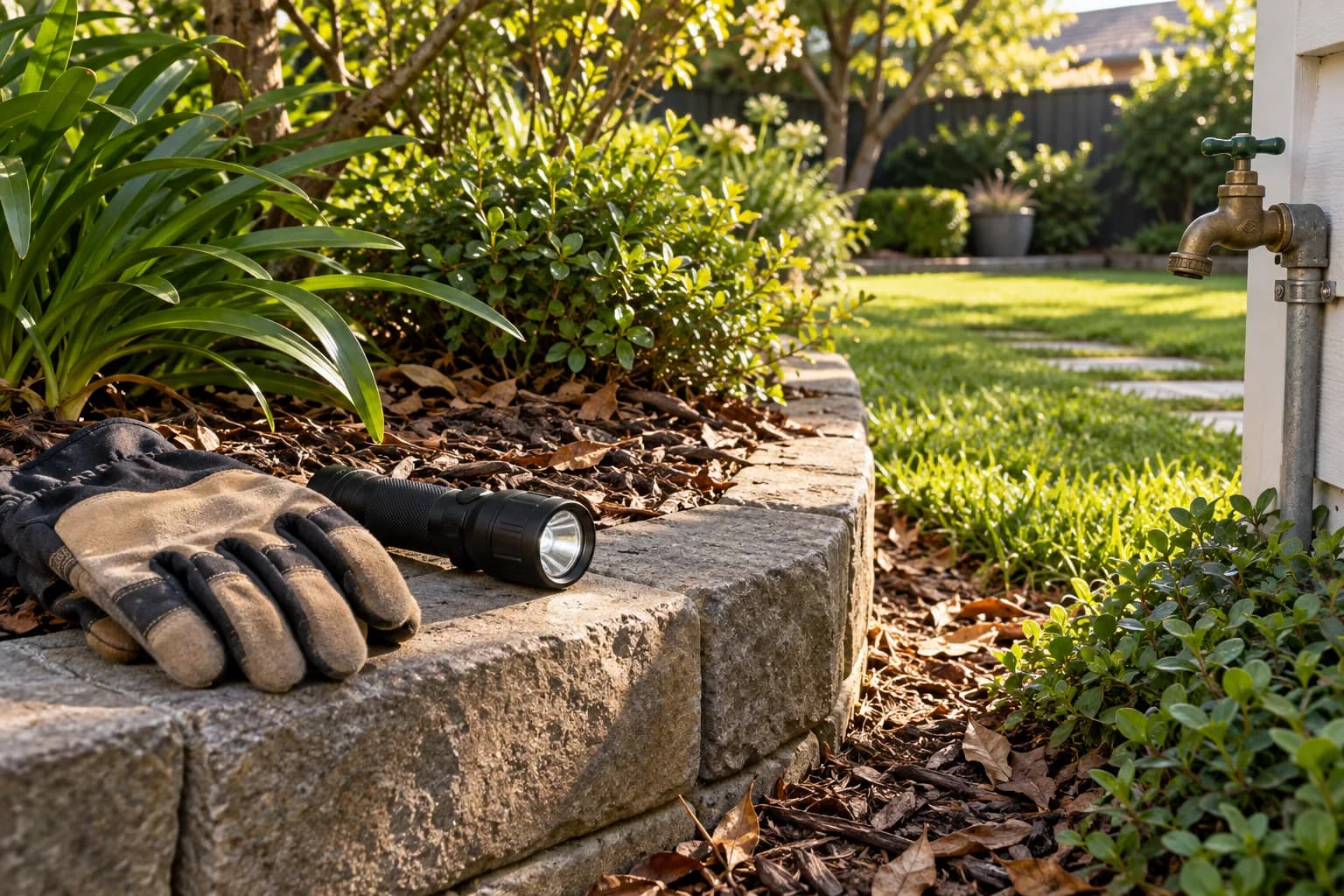 Dense shrubs against the house and a dripping hose bib give rodents cover and water. Trimming back and fixing drips makes the yard less inviting.
What a first inspection of a Salem home should include.
For a Salem home with a crawlspace, ask specifically whether vapor barrier and insulation replacement are included or priced separately. Before you approve work, ask for a written plan with entry points and materials, trap locations, the number of follow-up visits, and how cleanup will be handled. Each calls for a different plan. Those findings tell them which species you have: Norway rats under the floor, roof rats overhead, or deer mice in outbuildings. In garages, shops and barns, they should look for deer mouse signs. In the attic, they should look for droppings, rub marks and nests. In the crawlspace, they should look for droppings, nests, torn vapor barrier and damaged insulation. They should also look at the roofline, eaves and roof vents, and note branches touching the house. Outside, expect the provider to walk the foundation, check every crawlspace vent screen, look at the access door, and note gaps around pipes and wiring. A thorough inspection covers three zones: the crawlspace, the roofline and attic, and the outbuildings.
What affects the price of rodent work in Salem homes.
Ask for a quote broken into exclusion, trapping and sanitation so you can see what you are paying for. With a median home value near $395,000, sealing and cleanup are worth doing properly. Plans with more trap checks cost more but usually work better. Follow-up visits matter as well. Each barn, shop or shed included in the plan needs its own inspection and sealing, and deer mouse cleanup takes care. Outbuildings add cost. Roof rats need high exclusion work, and attic insulation may need cleanup too. A simple roofline with few vents is quicker to seal than one with multiple gables and dormers. The attic is next. If rats have been there a while, vapor barrier and insulation may need to come out, and that can be the largest part of the bill. A roomy, dry crawlspace is quicker to inspect, trap and seal than a tight, wet one. Crawlspaces drive a lot of it. Rodent pricing in Salem depends less on square footage and more on access and contamination.
Roof rats in Salem attics: the noise overhead.
After catches stop, clean up droppings and replace soiled insulation. Leave traps in place for several days, since rats are cautious about new objects. Then trap in the attic, placing snap traps on rafters and along runways where droppings show travel. Seal eave gaps and vents with metal flashing or hardware cloth. Trim branches several feet back from the roof. Control starts outside. Signs include thumping or running after dark, droppings on top of insulation, rub marks along rafters and chewed wiring. Winters near 36F are not cold enough to slow them much, so an attic population can grow steadily through the wet season. UC IPM notes roof rats have 3 to 5 litters a year with up to 8 young each. They enter at eaves, roof vents, gable vents and gaps around pipes and wiring. Roof rats are slender climbers with long tails, and in Salem they reach the roof by running along fences, branches and utility lines. If the scratching is above you rather than under the floor, it is likely a roof rat.
What affects the price
- Crawlspace access and height, since tight or wet crawlspaces slow the work.
- Whether vapor barrier and insulation under the floor need replacing.
- Number of attic entry points and roofline complexity.
- Number of outbuildings, barns or shops included.
- Species found and how widespread the activity is.
- Number of follow-up visits for trap checks.
📊
What's your biggest concern about rodents?
When to call for help
Call a provider if you hear rodents under the floor or in the attic for more than a few nights, if you smell ammonia through floor registers, or if crawlspace vent screens are torn. Crawlspaces are cramped, wet and often full of droppings, which makes them hard and unpleasant to handle yourself. Bring in help before cleaning a barn, shop or garage with heavy deer mouse droppings. Around Salem, late August is the ideal time to schedule sealing, just before the rains return.
What you can do yourself
Plenty of prevention is DIY. Walk the outside of your Salem house and check every crawlspace vent screen. Replace torn ones with 1/4-inch hardware cloth. Seal gaps around pipes with steel wool and sealant. Trim branches back from the roof. Store seed, feed and pet food in metal or heavy plastic. Set snap traps in the garage for a mouse or two. Going into the crawlspace is where many people stop. It is tight, damp and may hold months of droppings and nests. A provider can trap there, seal from inside, and remove contaminated insulation or vapor barrier using wet methods. Attic work for roof rats also leans professional, since entry points are high and need metal materials. Outbuildings fall in between. A shop with a few deer mouse droppings is fine to clean yourself if you follow the CDC steps: air out half an hour, gloves, bleach solution, 5-minute soak, paper towels, bag it. A barn with heavy contamination is worth hiring out.
Rodents in Salem
Salem is Oregon's state capital, an urban city of about 180,000 people in the Willamette Valley. Its Mediterranean climate shapes the rodent calendar: dry summers with highs near 82F, then wet months that bring most of the roughly 42 inches of yearly rain, with average humidity around 74 percent. Winter lows average about 36F, so rodents survive outdoors but seek dry shelter once the rain starts. The city sits at about 154 feet, and the surrounding valley fields give deer mice plenty of habitat near the edge of town. Salem was founded in 1842, so homes span a long range of building eras, and crawlspace vents, foundations and rooflines on older houses often need attention. With a median home value around $395,000, protecting insulation, wiring and vapor barriers from rodents is worthwhile. Oregon logged one provisional hantavirus case in 2025.
Local research
Rodents in Salem, OR: what the public record shows
Before you compare quotes, it helps to know which rodents actually live in Oregon, when they are busiest around Salem, and what the state figures look like. Everything below links to the agency or university page it came from.
Rodent species recorded in Oregon
- Norway rat (Rattus norvegicus) — Burrowing rat of basements, sewers and ground floors; tail shorter than head plus body.
- Roof rat (Rattus rattus) — Climber of attics and trees in warm and coastal regions; tail longer than head plus body.
- Deer mouse (Peromyscus maniculatus) — Primary U.S. hantavirus carrier; lives throughout Washington and the interior West.
When rodents are busiest around Salem
Fall entry (Sept-Nov). Norway rats and house mice move indoors as temperatures drop.
Based on Salem’s mediterranean climate profile.
For context, nationally
- 1/4 inch (the width of a pencil) — Smallest gap a mouse can enter. CDC
- 890; 35% fatal; 94% west of the Mississippi — Hantavirus cases reported since 1993 (through 2023). CDC
Sources: CDC National Notifiable Diseases Surveillance System; CDC; Pest Notes: Rats; Hantavirus. Figures are quoted as the source prints them. How we check our sources
Simple ways to keep rodents away
- Check crawlspace vent screens every August and replace torn ones with 1/4-inch hardware cloth.
- Make sure the crawlspace access door closes tightly.
- Seal gaps around pipes and wiring with steel wool and sealant.
- Trim tree limbs and shrubs back from the roof and siding.
- Store seed, feed and pet food in metal or heavy plastic containers.
- Keep woodpiles off the ground and away from the house.
- Clean gutters and fix downspouts so water drains away from the foundation.
- Store items in garages and shops in sealed bins rather than cardboard.
 Before you call, sketch where you have seen droppings or heard noise and measure any gaps you found. It makes the first visit faster and the quotes comparable.
Did you know?
Washington, Oregon and Idaho each reported a single provisional hantavirus case in 2025.
Lyme disease appears on the CDC's list of illnesses rodents spread indirectly, through the ticks that feed on them.
Southern Oregon lies within one of the CDC's main regions for human plague, which averages about 7 U.S. cases a year.
Questions people ask
What rodents live in Salem, Oregon?
Oregon's main structural rodents are the Norway rat, the roof rat and the deer mouse, and house mice turn up indoors as well. Around Salem, Norway rats are typically found in crawlspaces and yards, roof rats in attics, and deer mice in garages, shops and barns near open fields.
Why do I hear rats under my house when the rain starts?
Salem's wet season floods burrows and soaks outdoor nests, and Norway rats look for dry shelter. A crawlspace with torn vent screens or gaps around pipes is an easy target. The move usually happens from September through November. Replacing vent screens before the rains is the best defense.
Did Oregon have hantavirus cases recently?
CDC weekly tables list one provisional Oregon case for 2025. Deer mice, which carry the virus, are among the rodents listed for Oregon, and the valley fields around Salem suit them. Cases are uncommon, but the disease is serious, so clean droppings with bleach solution rather than sweeping.
Is it safe to clean a barn or shop with mouse droppings?
Yes, if you clean wet. Open doors and windows and let the space air out for 30 minutes. Wear gloves and soak droppings and nests with 1.5 cups bleach per gallon of water for 5 minutes, then wipe up with paper towels. For heavy contamination, hire a crew with respirators.
What is the ammonia smell in my crawlspace?
A strong ammonia or musty smell often comes from rodent urine and droppings soaked into insulation or vapor barrier. In damp Salem crawlspaces, that smell can drift up through floor registers. Have the crawlspace inspected, sealed, trapped and cleaned, and replace contaminated material.
How do I rodent-proof a crawlspace vent?
Replace thin window screen with sturdy 1/4-inch hardware cloth, fastened securely to the vent frame. Mice fit through 1/4-inch gaps, according to the CDC, so anything larger lets them in. Check the access door and seal gaps around pipes entering the crawlspace.
How often should I check rodent traps?
Check traps at least every day or two, and wear gloves when handling them. Rats can be cautious about new traps for several days, so leave them in place rather than moving them each morning. In a Salem crawlspace or attic, place traps along runways where droppings and rub marks show travel.
Should I use poison under my house?
Poisoned rodents often die under floors or inside walls, and the smell can rise into the house for weeks. Bait can also harm pets and wildlife. Traps and sealing are usually the better approach indoors, with any bait kept in locked exterior stations and used according to the label.
Nearby cities
Related guides
Sources (6)
The facts in this article come from the public sources listed above. Every home is different, so ask the company you talk to about pricing and what’s included. Published by Rodent Exterminator · Updated October 11, 2026 · How we write these guides