The short version
Rodent control in Springfield, MO centers on the Norway rat, which MU Extension calls Missouri's structural rat, plus house mice moving in from September to November. Rats live within 100 to 150 feet of their burrow, so traps and stations must cover that whole area, spaced 10 to 20 feet apart. Close every opening larger than 1/4 inch.
- Norway rats, house mice and deer mice are Springfield's main rodents.
- A female Norway rat raises more than 20 young a year, per MU Extension.
- Rats stay within about 100 to 150 feet of the burrow day to day.
- Space rat traps 10 to 20 feet apart and close openings over 1/4 inch.
- Mice move indoors September through November as nights cool toward 23F.
This guide is for Springfield homeowners with rats in the yard or garage, families finding mice in the kitchen each fall, people storing hunting, camping or fishing gear in garages and sheds, and anyone keeping chickens, birdseed or animal feed. Renters near Missouri State will find the fall entry and cleanup sections useful too.
What to look for
MU Extension treats the Norway rat as Missouri's structural rat, found in and around both towns and farms. It is a heavy, burrowing rat that digs along foundations, under sheds, beneath woodpiles and in brushy fence lines, and it raids feed, seed, garbage and pet food. House mice live indoors in walls and cabinets. Deer mice live in fields and woods and move into garages, sheds, cabins and stored gear. The numbers explain why a small rat problem grows. MU Extension says a female has 4 to 6 litters a year of 6 to 12 young and raises more than 20 offspring annually. Gestation is just 21 to 23 days, and young rats breed at about three months. Springfield's climate supports them. Summers average around 89F, humidity sits near 70 percent and about 46 inches of rain falls each year, so outdoor food and water are easy to find. Winter lows average about 23F, cold enough that house mice and Norway rats move indoors each fall, mostly from September through November.
- 1Burrow openings along foundations, under sheds or beside woodpiles, often with fresh dirt.
- 2Worn paths through grass between a burrow and a food source like a feeder or coop.
- 3Large droppings near feed bins, birdseed or garbage cans.
- 4Gnawed holes in feed bags, seed sacks or pet food containers.
- 5Small droppings in kitchen drawers and cabinets in fall, a sign of house mice.
- 6Nests in stored sleeping bags, tents, tackle boxes or boat covers.
- 7Scratching in walls or ceilings at night as weather cools.
Why it’s worth acting soon
- A burrow colony rebuilds fast, since young Norway rats breed at about three months.
- Each rat eats about 30 pounds of grain a year and contaminates roughly 300 pounds, per MU Extension.
- Mice that get in during fall keep breeding through winter in wall voids.
- Rodents chew wiring in walls, garages and stored vehicles.
- Deer mouse droppings in stored gear can raise hantavirus exposure when it is unpacked.
Treatment options and typical costs
Exclusion to MU Extension standards
Quoted after inspection
Openings larger than 1/4 inch are closed with hardware cloth, sheet metal, steel wool or concrete, since MU Extension says rats get through anything larger than 1/2 inch. Garage doors, foundation gaps, utility entries and crawlspace vents get attention first in a Springfield home.
- Time
- One to two days
- Best for
- Homes and outbuildings with recurring rodents
Area-wide rat trapping
Quoted after inspection
Traps are spaced 10 to 20 feet apart across the burrow area, not just next to the building, following MU Extension guidance. They go along runways, beside burrows and near food sources, and they are checked regularly.
- Time
- Two to four weeks
- Best for
- Norway rats in yards, garages and around feed
Bait station program
Quoted after inspection
Where bait is used, MU Extension recommends stations at 10 to 30 foot intervals, baited continuously for 15 days. Anticoagulants kill two to six days after a lethal dose. Stations should be tamper-resistant and follow label directions.
- Time
- At least 15 days, then monitoring
- Best for
- Larger properties or heavy outdoor rat activity
Fall mouse trapping indoors
Quoted after inspection
Snap traps go along walls and in cabinets where droppings appear, paired with sealing gaps under doors and around pipes. Timed for September through November, this catches the fall wave early.
- Time
- One to three weeks
- Best for
- House mice in kitchens, closets and garages
Prices are typical published ranges. Ask what’s included before you compare quotes.
 Clutter gives mice cover. Keeping stored fabric in lidded bins and off the floor takes away the nesting spots they like best.
How fast a Norway rat colony rebuilds in Springfield.
Close openings larger than 1/4 inch with hardware cloth, sheet metal or steel wool, and the population has less room to rebuild. A colony that cannot get into your garage, crawlspace or shed has fewer places to nest and less food. Sealing matters most of all. Burrows should be filled and watched, with any reopened holes treated again. If bait is used, MU Extension says stations should be baited continuously for 15 days, since stopping early leaves survivors. Trapping should continue until activity stops completely, not just until catches slow. That has practical consequences. If a few survivors remain after trapping or baiting stops, the colony can return to its original size within a season. Young rats are ready to breed at about three months. Pregnancy lasts only 21 to 23 days. A female has 4 to 6 litters a year, each with 6 to 12 young, and raises more than 20 offspring annually. Norway rats are built to bounce back, and MU Extension's numbers show why a half-finished job rarely lasts in Springfield.
Mapping where Springfield rats live: the 100 to 150 foot rule.
If the burrow is on the next lot, coordinating with them makes control far more effective. Neighbors matter too. If you use bait stations, MU Extension spaces them 10 to 30 feet apart. A single trap by the back door covers only a small slice of the rats' range. MU Extension recommends traps 10 to 20 feet apart, placed along runways, beside burrows and near food. Then set traps across the whole area. Worn paths through grass often lead from burrow to food. Walk the area and look for burrow openings with fresh dirt along foundations, under sheds and decks, beside woodpiles and in brushy fence lines. Rats seen near a bird feeder, chicken coop, compost pile or garbage area probably have a burrow within that range. Start at the food. That is one of the most useful numbers for a Springfield homeowner, because it tells you where to look and how widely to work. MU Extension says Norway rats typically stay within 100 to 150 feet of their burrow in daily activity and seldom range beyond 300 feet.
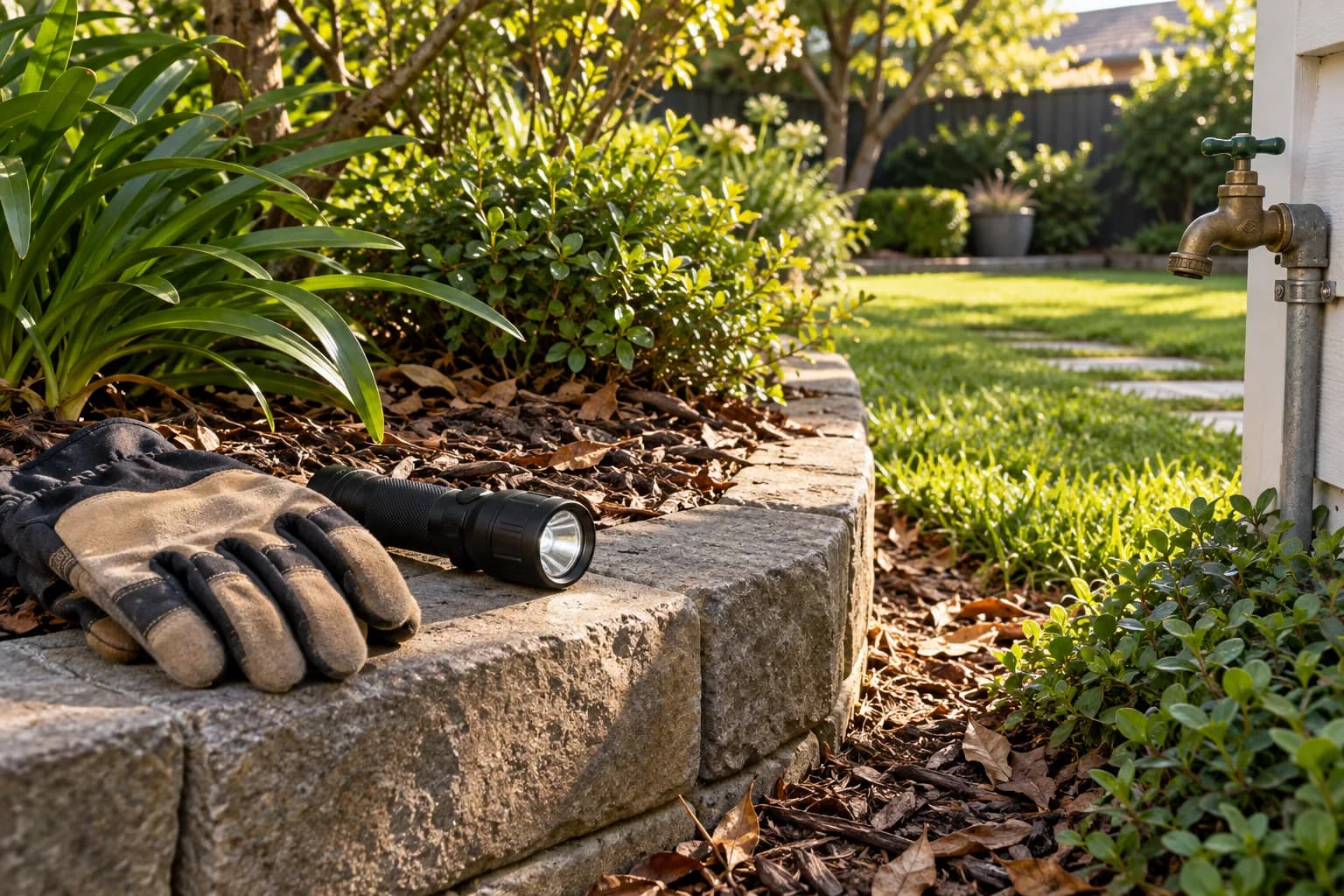 Dense shrubs against the house and a dripping hose bib give rodents cover and water. Trimming back and fixing drips makes the yard less inviting.
Stored gear, cabins and deer mice.
To prevent it, store gear in sealed plastic bins rather than open shelves or cardboard, and seal gaps in garage and shed doors. Never shake out sleeping bags or sweep a cabin floor dry. Spray any droppings or nests with bleach solution and let it soak 5 minutes before wiping up with paper towels. Wear gloves. Before you unpack, take the gear outside or open the space and let it air out for 30 minutes. The risk comes when someone unpacks a gear bag or opens a cabin and stirs up dried droppings. cases since 1993 occurred west of the Mississippi, and Missouri sits on that side of the river. Missouri was not among the states in the CDC's provisional 2025 count, but the CDC reports 94 percent of U.S. Deer mice carry hantavirus. Soft materials make good nests, and gear stored for months goes undisturbed. Bass Pro Shops is headquartered in Springfield, and if your garage or shed holds tents, sleeping bags, hunting clothes, tackle boxes or boat covers, deer mice and house mice will find that storage.
Feed, seed and grain: the 300-pound problem.
If rats are established around livestock or poultry, a provider can set up a station program that follows the label and keeps bait away from animals. Seal coops and sheds to the 1/4-inch standard with hardware cloth. Set traps 10 to 20 feet apart along runways between burrows and feed. Look for burrows within 100 to 150 feet of feed areas, since that is the range MU Extension gives for daily rat activity. Use feeders that limit spillage and pick up what falls. Spilled grain around coops and feeders is an open invitation. Clean up daily. Store containers off the ground and away from walls so you can see signs of activity. Plastic bins can work for a while, but rats chew through them. Keep feed, seed and birdseed in metal cans with tight lids. The fix starts with storage. For anyone in Springfield keeping chickens, feeding birds or storing animal feed, that ratio is the real cost of a rat problem. MU Extension estimates that a single rat eats about 30 pounds of grain a year but contaminates roughly 300 pounds with urine, droppings and hair.
September to November: Springfield's fall entry season.
Then reseal before September, so the cycle does not repeat in your Springfield home. Clean up droppings using the wet method and check for damage to seals and screens. In spring, activity shifts outdoors again. Indoor trapping does the most good during this stretch. Rats stay active in garages and burrows near warm foundations. Mice that got inside nest in walls, cabinets and stored items and keep breeding. From December through March, winter lows average about 23F. Norway rats move closer to buildings and into garages, sheds and crawlspaces. October and November bring the biggest wave. In September, mice start probing garage doors, foundation gaps and the spaces where pipes and wires enter the house. This is the best window for sealing and yard cleanup. With July and August running near 89F and rain falling steadily, food and cover are easy to find. From April through August, Norway rats, house mice and deer mice live mostly outdoors, breeding in yards, fields and fence lines. Springfield's rodent calendar turns on the first cool nights of fall.
What affects the price
- Size of the burrow area, since traps and stations need to cover 100 to 150 feet of activity.
- Number of outbuildings, coops, sheds or barns included.
- Number of openings larger than 1/4 inch that need sealing.
- Whether the plan uses traps, stations or both, and for how long.
- Cleanup of stored gear, insulation or feed contaminated by droppings.
- Number of follow-up visits.
📊
What's your biggest concern about rodents?
When to call for help
Call a provider when you see burrows along the foundation, find rats in the garage or around feed, or keep catching mice after two weeks. Rats that range 100 to 150 feet need traps or stations placed across the whole area, which can mean working on several sides of a property. Around Springfield, anyone keeping chickens or livestock feed should act quickly, since rats contaminate far more than they eat. Bring in help before unpacking stored gear or cleaning a cabin with heavy droppings.
What you can do yourself
MU Extension's guidance gives homeowners a clear playbook, and much of it is DIY. Close openings larger than 1/4 inch with hardware cloth, sheet metal or steel wool. Store feed, seed and pet food in metal containers. Remove woodpiles and brush near buildings. Set traps 10 to 20 feet apart along runways and near burrows. For fall mice, put snap traps along walls in the kitchen and garage. The challenge with Norway rats is coverage. Their range means traps belong across the whole burrow area, and rats are cautious about new objects. If you have several burrows, multiple outbuildings or rats around animal feed, a provider can map activity and set up stations at proper spacing. Bait is where many people go wrong. MU Extension says bait stations need to be baited continuously for 15 days, and anticoagulants take two to six days to kill. Stopping early or using too few stations lets the colony survive. A licensed provider can follow those rules and keep bait away from pets and wildlife.
Rodents in Springfield
Springfield is an urban city of about 170,000 people, known as the headquarters of Bass Pro Shops and the base of Missouri State. If your household stores camping, hunting or fishing gear in a garage or shed, deer mice and house mice readily nest in it. The humid continental climate brings summer highs near 89F, winter lows around 23F, humidity averaging about 70 percent and roughly 46 inches of rain a year. The cold winters drive a strong fall entry season from September through November. The city was settled in 1838 and sits near 1,299 feet. The median home value is about $205,000, which makes cost-effective sealing and trapping worth getting right. MU Extension's rat guidance applies directly here, since it treats the Norway rat as the state's structural rat in towns and on farms alike.
Local research
Rodents in Springfield, MO: what the public record shows
Before you compare quotes, it helps to know which rodents actually live in Missouri, when they are busiest around Springfield, and what the state figures look like. Everything below links to the agency or university page it came from.
Rodent species recorded in Missouri
- House mouse (Mus musculus) — Enters at 1/4 inch; 5-10 litters per year; eats about 200 small meals a night.
- Norway rat (Rattus norvegicus) — Burrowing rat of basements, sewers and ground floors; tail shorter than head plus body.
- Deer mouse (Peromyscus maniculatus) — Primary U.S. hantavirus carrier; lives throughout Washington and the interior West.
When rodents are busiest around Springfield
Fall entry (Sept-Nov). Norway rats and house mice move indoors as temperatures drop.
Based on Springfield’s humid continental climate profile.
MU Extension treats the Norway rat as Missouri's structural rat, in and around both towns and farms.
For context, nationally
- 1/4 inch (the width of a pencil) — Smallest gap a mouse can enter. CDC
- 890; 35% fatal; 94% west of the Mississippi — Hantavirus cases reported since 1993 (through 2023). CDC
Sources: University of Missouri Extension; CDC; Pest Notes: House Mouse; Pest Notes: Rats; Hantavirus. Figures are quoted as the source prints them. How we check our sources
Simple ways to keep rodents away
- Store feed, seed, birdseed and pet food in metal cans with tight lids.
- Keep coops and feed areas clean and pick up spilled grain daily.
- Close any opening larger than 1/4 inch with hardware cloth or sheet metal.
- Move woodpiles and brush piles away from the house and off the ground.
- Store camping, hunting and fishing gear in sealed plastic bins.
- Check garage door seals and side doors before September.
- Fill and watch burrows; reopened holes mean active rats.
- Keep garbage in lidded cans away from the house.
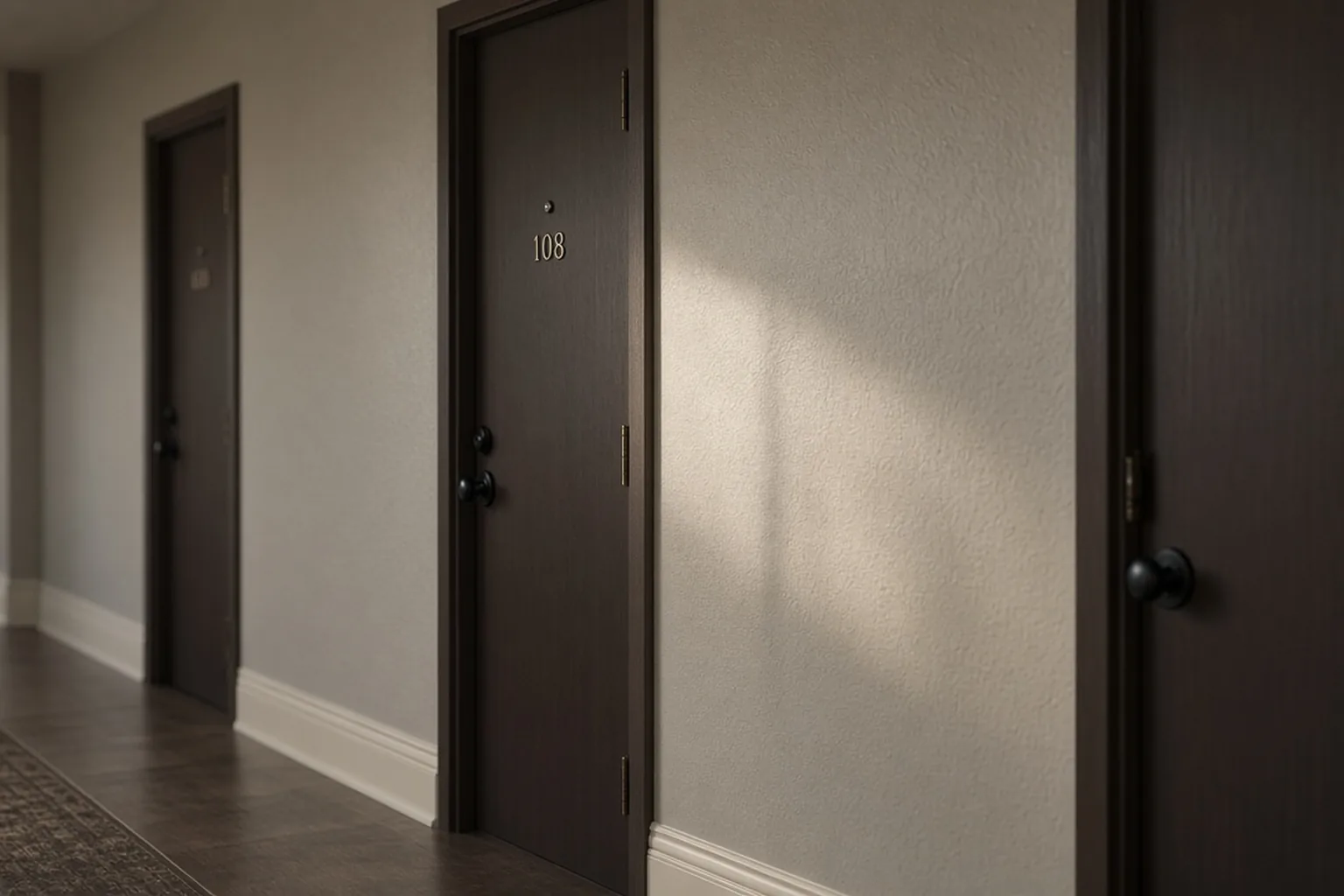 In a multi-unit building, mice move between apartments through shared walls and pipe chases, so treating one unit rarely solves it. Ask for a building-wide plan.
Did you know?
A Norway rat pregnancy lasts only 21 to 23 days, and the young can breed at about three months old.
The grain a rat fouls with urine, droppings and hair costs more than the grain it actually eats.
Missouri sits west of the Mississippi, the side of the river where the CDC has recorded 94 percent of U.S. hantavirus cases since 1993.
Questions people ask
How fast do Norway rats multiply in Missouri?
MU Extension says a female Norway rat has 4 to 6 litters a year of 6 to 12 young and raises more than 20 offspring annually. Gestation takes only 21 to 23 days, and young rats breed at about three months. A few rats in a Springfield yard in spring can become a sizable colony by fall.
How far from my house is the rat burrow?
Probably close. MU Extension says Norway rats usually stay within 100 to 150 feet of the burrow day to day and seldom go beyond 300 feet. Look along foundations, under sheds and decks, beside woodpiles and near any food source within that range.
How far apart should I set rat traps?
MU Extension recommends spacing rat traps 10 to 20 feet apart across the area where rats are active, not just next to the house. Place them along runways, beside burrows and near food. On a typical Springfield lot, that can mean traps on several sides of the property.
How long does rat bait take to work?
According to MU Extension, anticoagulant baits kill two to six days after a rat eats a lethal dose, and stations should be baited continuously for 15 days. Stopping early lets survivors rebuild the colony. Bait belongs in tamper-resistant stations, placed according to the label.
When do mice come inside in Springfield?
Mostly September through November. As nights cool toward Springfield's winter average of about 23F, house mice and Norway rats move into homes, garages and sheds. Sealing gaps and replacing door seals in late summer is the best way to get ahead of the fall wave.
What size hole lets a rat in?
MU Extension says rats get through openings larger than 1/2 inch and recommends closing anything larger than 1/4 inch. That tighter standard also keeps out mice. Use hardware cloth, sheet metal, steel wool or concrete, since rats chew through softer materials.
Are deer mice a hantavirus risk in Springfield?
Missouri was not among the states in the CDC's provisional 2025 hantavirus count, but deer mice live in the state and carry the virus. Around Springfield, the main exposure risk is unpacking stored gear or cleaning a cabin or shed with droppings. Clean wet with bleach solution and never sweep.
Why do rats ruin so much feed?
MU Extension estimates a single rat eats about 30 pounds of grain a year but contaminates roughly 300 pounds with urine, droppings and hair. The contamination costs more than what the rat eats. Metal storage bins and daily cleanup of spills are the best defense.
Nearby cities
Related guides
Sources (6)
The facts in this article come from the public sources listed above. Every home is different, so ask the company you talk to about pricing and what’s included. Published by Rodent Exterminator · Updated October 11, 2026 · How we write these guides