The short version
Rodent control requires a combination of rodent-proofing (sealing the entry points), trapping, and sanitation. Professional help is recommended for large infestations. call to ask about an inspection or a quote.
- Rodents enter through gaps as small as 1/4 inch; seal all cracks and holes.
- Fall and winter are peak seasons; proactive prevention in early fall reduces risk.
- DIY methods work for small problems; professionals handle large infestations and rodent-proofing.
- Costs range from $200-$500 for trapping to $500-$2,000 for rodent-proofing; attic restoration can exceed $8,000.
- Rodents cause structural damage, fire hazards from gnawed wires, and spread diseases.
This guide is for homeowners noticing droppings or gnaw marks, restaurant owners who need to protect their health inspection rating, landlords responsible for multiple units, warehouse managers safeguarding inventory, and property managers overseeing commercial or residential properties. If you've seen a mouse or rat, or simply want to rodent-proof your building, you'll find step-by-step strategies here.
What to look for
According to the National Fire Protection Association (NFPA), gnawed electrical wiring is a fire risk. Additionally, rodents carry diseases like hantavirus (spread through droppings and urine), leptospirosis, and salmonellosis, posing serious health risks to occupants. Rodents invade structures for three reasons: food, water, and shelter. As temperatures drop in fall, mice and rats seek warmth inside homes and businesses. A single house mouse can squeeze through a hole the size of a dime (1/4 inch), and rats can gnaw through lead sheeting and cinder blocks. Once inside, they reproduce rapidly: a pair of mice can produce up to 60 offspring in a year under ideal conditions. Their constant gnawing (to keep teeth from overgrowing) damages insulation, drywall, and electrical wiring, creating fire hazards.
- 1Droppings: dark, rice-shaped (mice) or capsule-shaped (rats) near food sources, along walls, or in cabinets.
- 2Gnaw marks: small, rough holes in walls, baseboards, food packages, or electrical wires.
- 3Nesting materials: shredded paper, fabric, insulation, or plant matter in hidden areas like attics, basements, or behind appliances.
- 4Grease marks: dark, oily rub marks along walls, pipes, or baseboards from rodent fur.
- 5Unusual pet behavior: dogs or cats staring at walls, scratching, or barking at unseen areas.
- 6Scratching sounds: scurrying or scratching noises in walls, ceilings, or attics, especially at night.
- 7Urine odors: a strong, musky smell in enclosed spaces, often from large infestations.
Why it’s worth acting soon
- Rapid population growth: a few rodents can become hundreds within months.
- Structural damage: gnawing can compromise beams, insulation, and drywall.
- Fire hazard: chewed electrical wires are a fire risk.
- Health risks: exposure to rodent droppings and urine can lead to hantavirus, leptospirosis, and salmonellosis.
- Contamination: rodents contaminate food and surfaces with feces, urine, and fur, leading to costly cleanups.
Treatment options and typical costs
Rodent-Proofing (Sealing Entry Points)
$500-$2,000
Professional rodent-proofing involves a thorough inspection to identify and seal all cracks, holes, and gaps using materials like copper mesh, steel wool, caulk, and metal flashing. This is the most effective long-term solution, preventing future infestations.
- Time
- 1-3 days
- Best for
- Prevention and eliminating large infestations; ideal for homes, restaurants, and warehouses.
Trapping (Snap Traps, Live Traps, Glue Boards)
$200-$500
Trapping is the primary method for removing rodents. Snap traps are effective and humane when used correctly. Glue boards are less humane and should be avoided. Live traps capture rodents for release, but release must be far from the property.
- Time
- 1-2 weeks
- Best for
- Small to moderate infestations; DIY-friendly but more effective with professional placement.
Rodenticide Baits (Poison)
$150-$400
Baits are used in tamper-resistant stations to kill rodents. They are effective but pose risks to non-target animals and children if not used properly. Professional application is recommended to ensure safety and efficacy.
- Time
- 1-3 weeks
- Best for
- Large infestations where trapping is impractical; used by professionals in outdoor or restricted access areas.
Attic Restoration and Sanitation
$200-$8,000
After rodents are removed, attic restoration involves removing contaminated insulation, disinfecting surfaces, sealing entry points, and installing new insulation. This restores safety, energy efficiency, and eliminates odors.
- Time
- 2-5 days
- Best for
- Properties with severe infestations that have caused significant damage to insulation and wiring.
Prices are typical published ranges. Ask what’s included before you compare quotes.
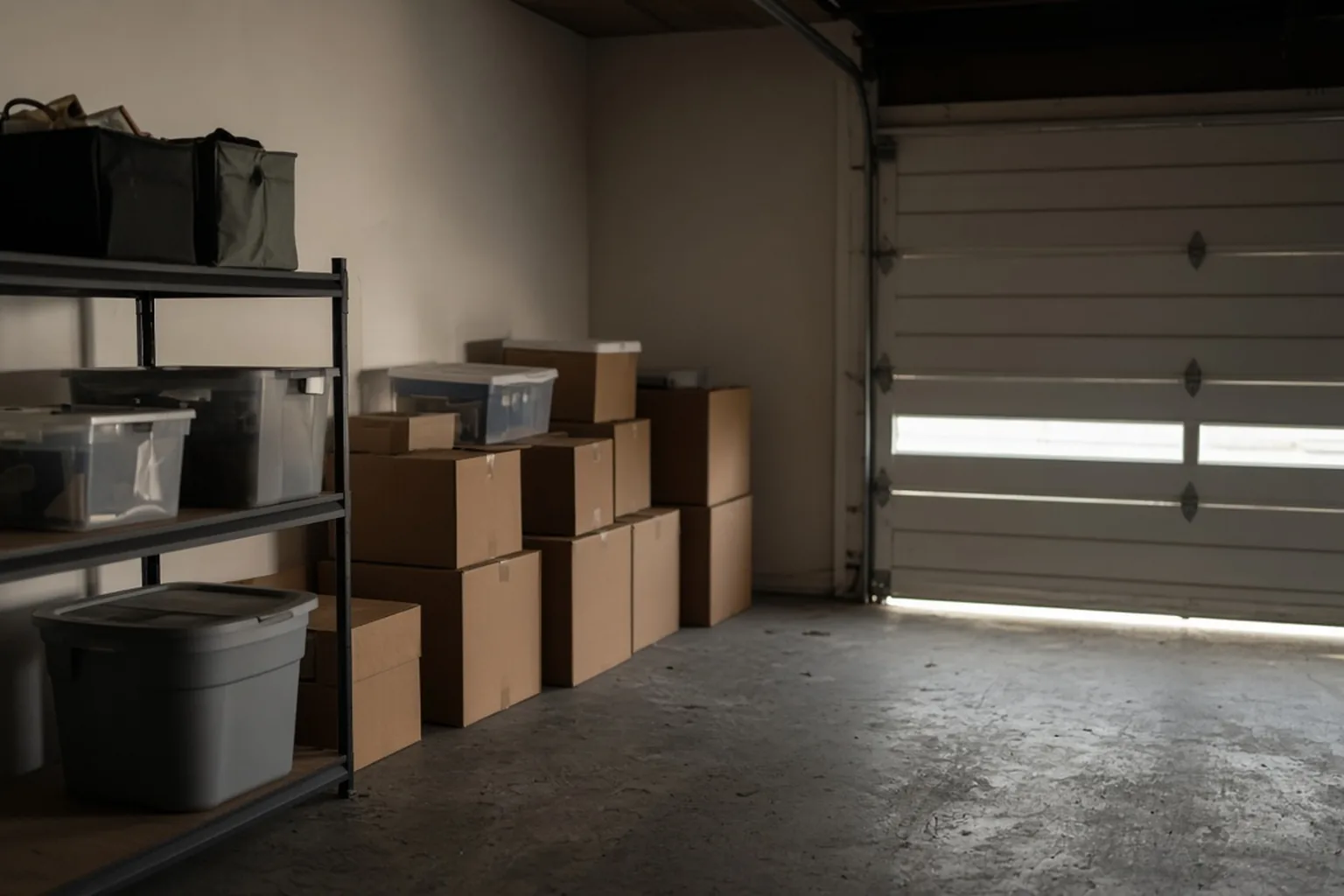 Cardboard boxes make easy nests and the gap under an overhead door makes an easy entrance. Plastic bins and a fresh door seal fix both.
Why Rodents Enter Homes and Businesses.
Rodents are driven by three basic needs: food, water, and shelter. Understanding this drive is key to prevention: eliminate food and water sources, and seal all potential entry points before the cold season begins. Their rapid reproduction means a small problem quickly becomes a large one. Water sources like leaky pipes or pet dishes sustain them. Once inside, they find ample food in kitchens, pantries, and even pet food bowls. A single unsealed crack or hole is an invitation. As temperatures drop in fall, mice and rats instinctively seek warm indoor spaces.
Health Risks Associated with Rodents.
Leptospirosis spreads through water contaminated with rodent urine, causing kidney and liver damage. Hantavirus, carried by deer mice, can cause Hantavirus Pulmonary Syndrome, a severe respiratory disease. Rodents pose serious health risks through direct contact, droppings, urine, and saliva. Prompt cleanup, done properly, keeps these risks down. Additionally, rodents can bring fleas, ticks, and mites into your home, which can transmit diseases like Lyme disease and typhus. Salmonellosis results from consuming food contaminated with rodent feces.
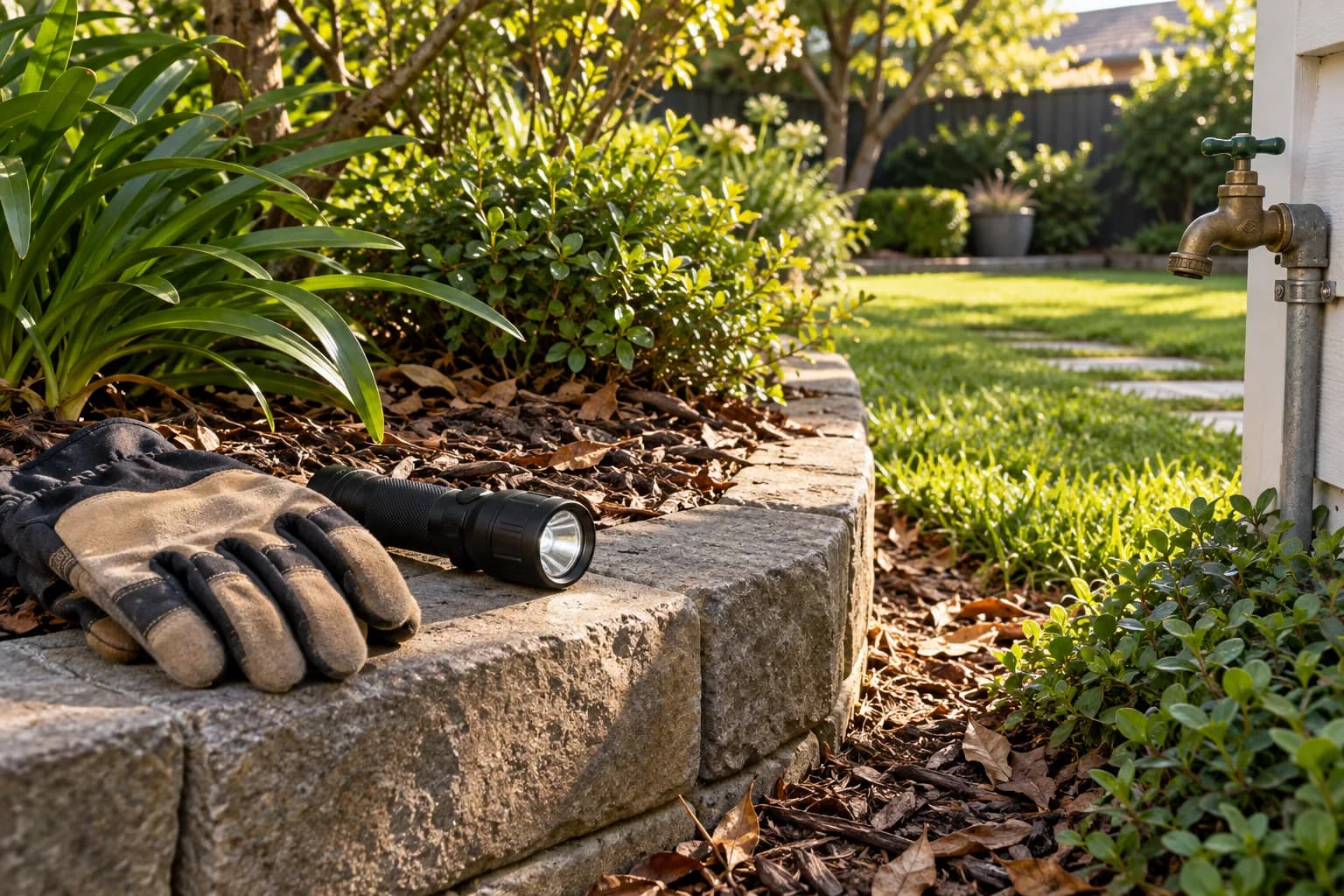 Dense shrubs against the house and a dripping hose bib give rodents cover and water. Trimming back and fixing drips makes the yard less inviting.
The Importance of Rodent-proofing Over Trapping Alone.
A professional rodent-proofing service inspects the entire structure, from roofline to foundation, identifying gaps around pipes, vents, windows, and doors. Rodent-proofing—sealing all potential entry points—is the cornerstone of long-term rodent control. Trapping removes rodents already inside, but it does not prevent new ones from entering. For lasting results, always combine trapping with comprehensive rodent-proofing. Without rodent-proofing, you are essentially playing a game of whack-a-mole, trapping rodents while new ones freely enter. Materials like copper mesh and steel wool are used because rodents cannot gnaw through them.
Attic Restoration: What It Involves and Why It Matters.
After a severe rodent infestation, attics often require restoration. It is a critical step for homeowners dealing with long-term infestations. Costs vary widely based on attic size and contamination level, but typical projects range from $1,500 to $5,000. This process restores energy efficiency, eliminates odors, and removes disease-causing contaminants. Professional attic restoration involves removing all contaminated insulation, vacuuming and disinfecting surfaces, sealing entry points, and installing new insulation. They also gnaw on wiring and structural elements. Rodents urinate and defecate throughout insulation, creating health hazards and foul odors.
Rodent Control for Restaurants and Commercial Kitchens.
Restaurants face unique rodent control challenges due to abundant food sources and strict health regulations. Many pest control companies offer specialized restaurant programs with after-hours service to avoid disruption. For restaurant owners, investing in professional service is not optional—it is a business necessity. Regular inspections are essential. Professionals install tamper-resistant bait stations around the perimeter and use snap traps in sensitive areas. Commercial rodent control requires integrated pest management (IPM): rigorous sanitation, rodent-proofing, and monitoring. A single sighting can result in fines, closure, or reputation damage.
What the numbers say before you hire rodent control.
In Rodent Prevention, what actually matters is a walk-through: where the droppings are, how the rodents are getting in, and how large the colony is. National surveys set rough expectations but cannot diagnose one house. In Rodent Prevention, ask any provider to show you the entry points and the plan before you compare numbers. In Rodent Prevention, those three findings — species, entry points, and scale — are what a quote should be built on, not a regional average.
What affects the price
- Severity of infestation: more rodents require more labor and materials.
- Property size and type: larger homes or commercial buildings cost more to treat.
- Entry points: number and accessibility of holes to seal affect labor time.
- Attic restoration needed: replacing contaminated insulation adds $1,000-$5,000 typically.
- Geographic location: costs vary by region; urban areas tend to be higher.
- workmanship warranty: companies offering warranties may charge a premium but provide peace of mind.
- Type of treatment: rodent-proofing costs more upfront but prevents recurrence; trapping is cheaper short-term.
📊
What is your biggest concern about rodents in your home?
When to call for help
If you see multiple rodents, hear noises in walls, find large amounts of droppings, or notice damage to wiring or insulation, it's time to call a professional. DIY methods often miss hidden entry points or fail to eliminate the entire population. A professional inspection can identify the full extent of the problem and provide a tailored solution, often with a workmanship warranty. For restaurant owners or property managers, swift professional action is critical to avoid health code violations and reputational damage.
What you can do yourself
They also offer rodent-proofing warranties that warranty results. For rats, which are larger and more cautious, professional trapping and rodent-proofing are almost always necessary. The cost of professional service is often recouped by preventing costly damage to wiring and insulation. DIY rodent control can work for very small infestations—a few mice caught in snap traps, sealing obvious holes with steel wool, and keeping a clean kitchen. However, DIY often fails because it does not address all entry points, especially those in attics, crawlspaces, or behind appliances. Professionals use commercial-grade materials (copper mesh, expanding foam, metal flashing) and have training to identify subtle signs of activity.
Where you live matters
Roof rats are common in coastal areas and prefer attics and upper levels. In the West, pack rats (woodrats) are a concern in rural and suburban areas, often nesting in vehicles or sheds. Western homeowners should focus on removing debris and sealing garages. Regardless of region, the principles of rodent-proofing and sanitation apply universally. Local pest control companies understand regional rodent species and building styles, making them the best resource for tailored solutions. Rodent control needs vary across the United States due to climate and geography. In the Northeast and Midwest, cold winters drive rats and mice indoors in large numbers starting in September. Homes with basements are particularly vulnerable; professionals often focus on sealing foundation cracks and installing door sweeps. In the South, milder winters mean year-round rodent activity, but peak season still occurs in fall.
Simple ways to keep rodents away
- Seal all gaps larger than 1/4 inch with copper mesh, steel wool, or caulk; pay attention to pipes, vents, and foundations.
- Install door sweeps on exterior doors and repair damaged screens on windows and vents.
- Store food in airtight containers and clean up crumbs, pet food, and garbage regularly.
- Trim tree branches and shrubs away from the roof to eliminate rodent highways.
- Keep basements, attics, and crawl spaces dry and clutter-free to reduce nesting sites.
- Inspect your property in early fall before rodents seek warmth; look for signs like droppings or gnaw marks.
 Before you call, sketch where you have seen droppings or heard noise and measure any gaps you found. It makes the first visit faster and the quotes comparable.
Did you know?
Rats are strong swimmers and can squeeze through a hole about the size of a quarter, which is how they turn up in odd places.
A single pair of mice can produce dozens of offspring in a year, and the young start breeding at about six weeks old.
In Rodent Prevention, a rodent's front teeth never stop growing, so it gnaws constantly to keep them worn down.
Questions people ask
How do I know if I have rats or mice?
Mice are smaller (2-4 inches) with pointed noses; rats are larger (7-10 inches) with blunt noses. Rats are more cautious and avoid new objects; mice are curious and explore freely. Mouse droppings are small, dark, and rice-shaped (about 1/4 inch). Rat droppings are larger, capsule-shaped (about 1/2 inch).
Can rodents cause house fires?
This can cause short circuits and sparks, leading to fires. The National Fire Protection Association (NFPA) reports that gnawed electrical wiring is a recognized fire risk. Yes. Rodents frequently gnaw on electrical wiring, stripping insulation and exposing wires.
How quickly can a rodent infestation grow?
In ideal conditions, one pair of mice can produce over 60 offspring in a year. Rats reproduce similarly, though slightly slower. A small problem can become a large infestation in weeks. Very quickly. A female mouse can have 5-10 litters per year, with 5-6 pups per litter.
Should I use poison baits for rodents?
Professional application using tamper-resistant stations is safer and more effective. For most homes, trapping combined with rodent-proofing is preferred. Poison baits can be effective but pose risks to pets, children, and wildlife. Rodents may die in walls, causing odor and fly issues.
How long does professional rodent control take?
Attic restoration can take 2-5 days. Most companies offer follow-up visits to ensure complete elimination. Trapping typically shows results within a few days to two weeks. Rodent-proofing work (sealing entry points) takes 1-3 days depending on property size.
What is the best way to prevent rodents?
Install door sweeps and repair screens. An annual professional inspection in early fall is highly recommended. The best prevention is rodent-proofing: seal all gaps larger than 1/4 inch with copper mesh, steel wool, or caulk. Keep food in airtight containers, eliminate clutter, and maintain cleanliness.
Does homeowners insurance cover rodent damage?
Check your policy or consult your agent. Prevention is always more cost-effective than repair. Most standard homeowners insurance policies exclude rodent damage because it is considered a preventable maintenance issue. However, some policies may cover resulting fire damage if rodents chew wires.
Can I get rid of rodents myself?
Professionals can identify hidden entry points and provide guarantees. If you see more than a few signs, it's best to call a pro. For small infestations, DIY with snap traps and sealing obvious holes can work. However, without a comprehensive inspection and professional-grade materials, many infestations return.
Where in the house are mice most often found?
homeowners who had ever encountered rodents said they saw them in the kitchen, followed by the garage or shed (32%), the basement (30%), the backyard (26%) and the living room (17%). Respondents could pick more than one location. Start any inspection behind the refrigerator and under the sink. The kitchen leads. In a September 2022 Harris Poll for the National Pest Management Association (NPMA), 37% of U.S.
Which parts of the U.S. have the most rodent problems?
Census Bureau's 2019 American Housing Survey, the share of occupied homes reporting rodent signs ranged from 3.1% in Arizona's largest metro to 18.9% in Pennsylvania's, a gap of 15.8 percentage points, against a national rate of 11.9%. Ask neighbors and local companies what they typically see. Older, denser metros in the Northeast report far more. Calculated from the published figures of the U.S.
Sources (10)
The facts in this article come from the public sources listed above. Every home is different, so ask the company you talk to about pricing and what’s included. Published by Rodent Exterminator · Updated September 11, 2026 · How we write these guides