Around Nebraska
Conditions vary across the state. Choose your city below, then describe what’s happening around your home or business.
Local rodent information
Learn what to look for around your property, explore your city, and ask about an inspection or a quote.
Conditions vary across the state. Choose your city below, then describe what’s happening around your home or business.
Where you see rodents, how long it has been going on, and anything you’ve already tried are the most useful details to mention.
Ask about an inspection, what treatment would involve, and whether follow-up visits are included. You don’t need to identify the problem yourself before getting in touch.
Before you compare quotes, it helps to know which rodents actually live in Nebraska, when they are busiest, and what the state figures look like. Everything below links to the agency or university page it came from.
Nebraska Extension notes mice gnaw openings out to about 1 1/2 inches once started.
Nebraska ExtensionGestation is 18-21 days and adults live only 9-12 months, so populations turn over quickly.
Nebraska ExtensionDropping counts are how Nebraska Extension gauges infestation size.
Nebraska ExtensionMice move into Nebraska structures as fall harvest ends and temperatures drop.
Nebraska Extension advises storing goods at least 8 inches off the ground and a foot from walls so runways are visible.
Sources: Nebraska Extension; CDC; Pest Notes: House Mouse; Pest Notes: Rats; Hantavirus. Figures are quoted as the source prints them. How we check our sources
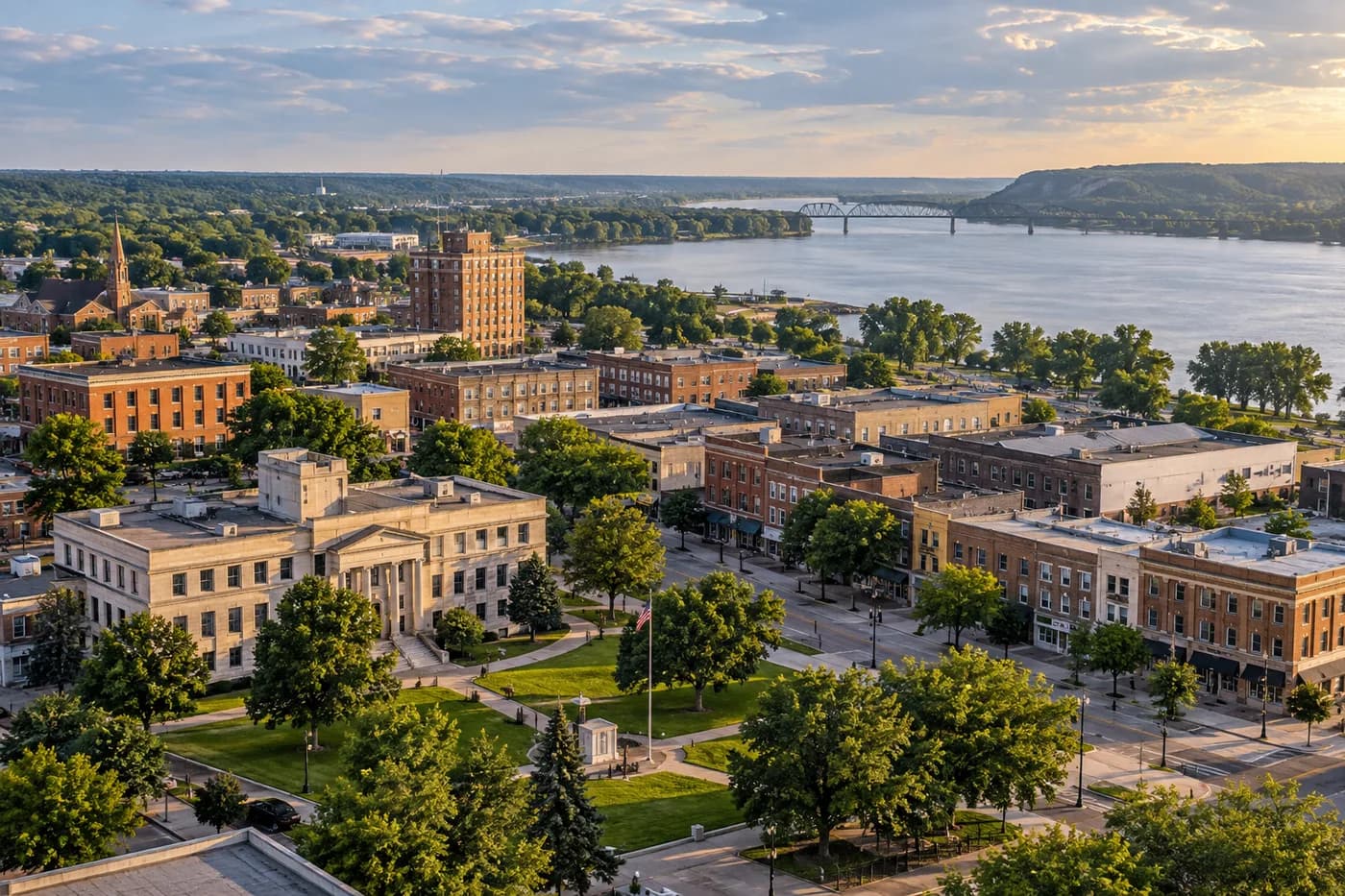
Humid Continental · suburban setting
Read the local guide →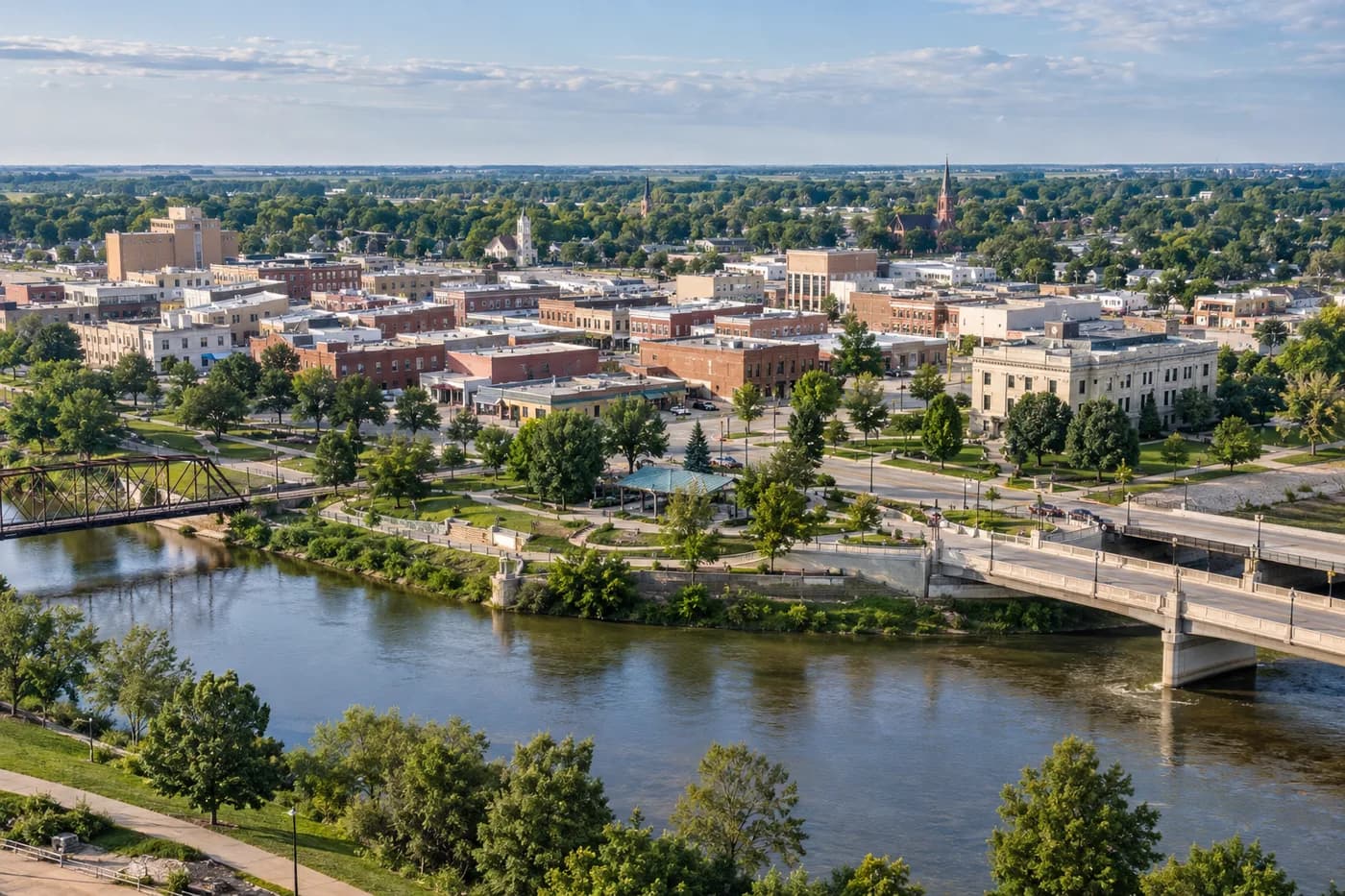
Humid Continental · rural setting
Read the local guide →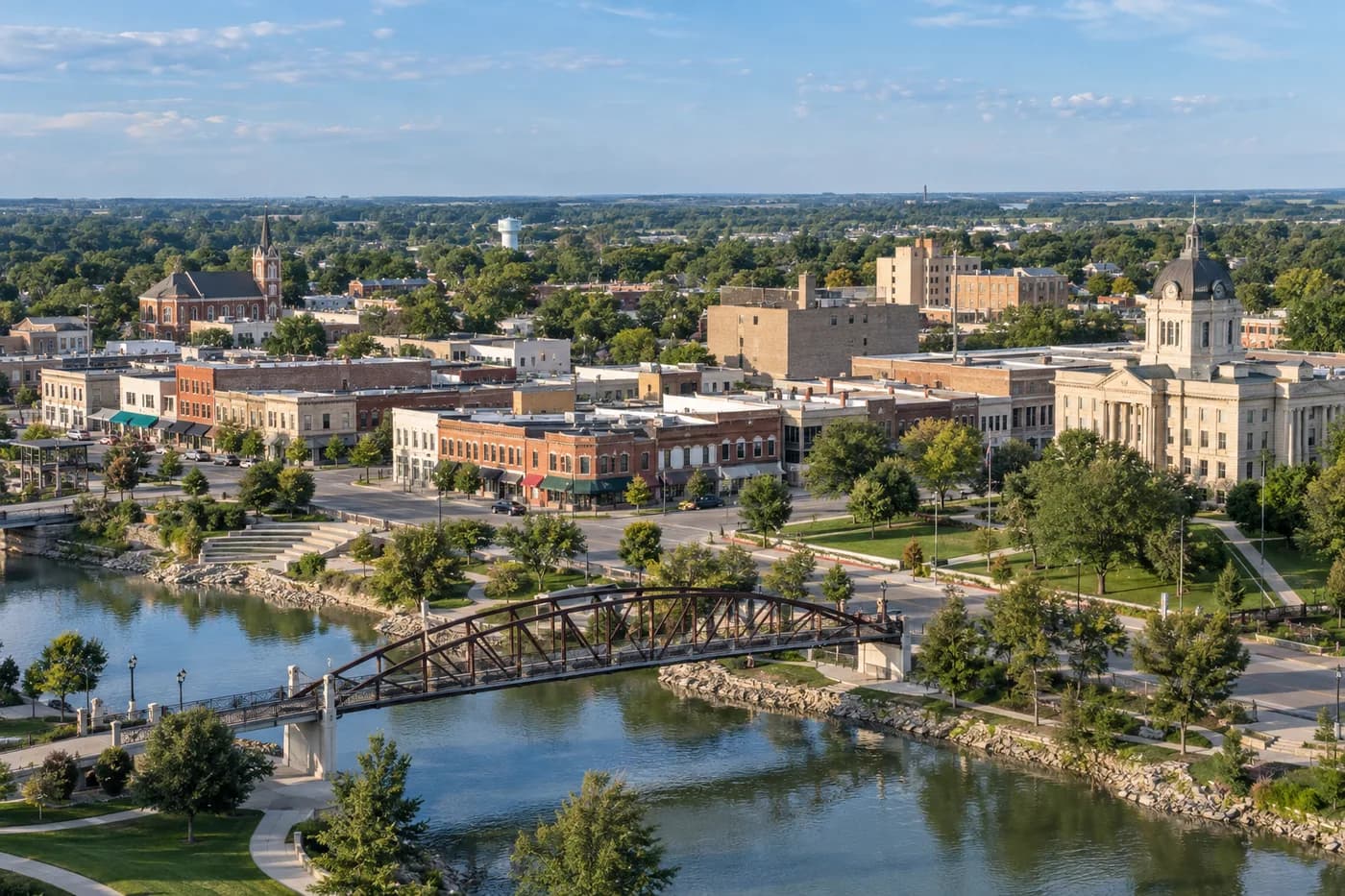
Humid Continental · rural setting
Read the local guide →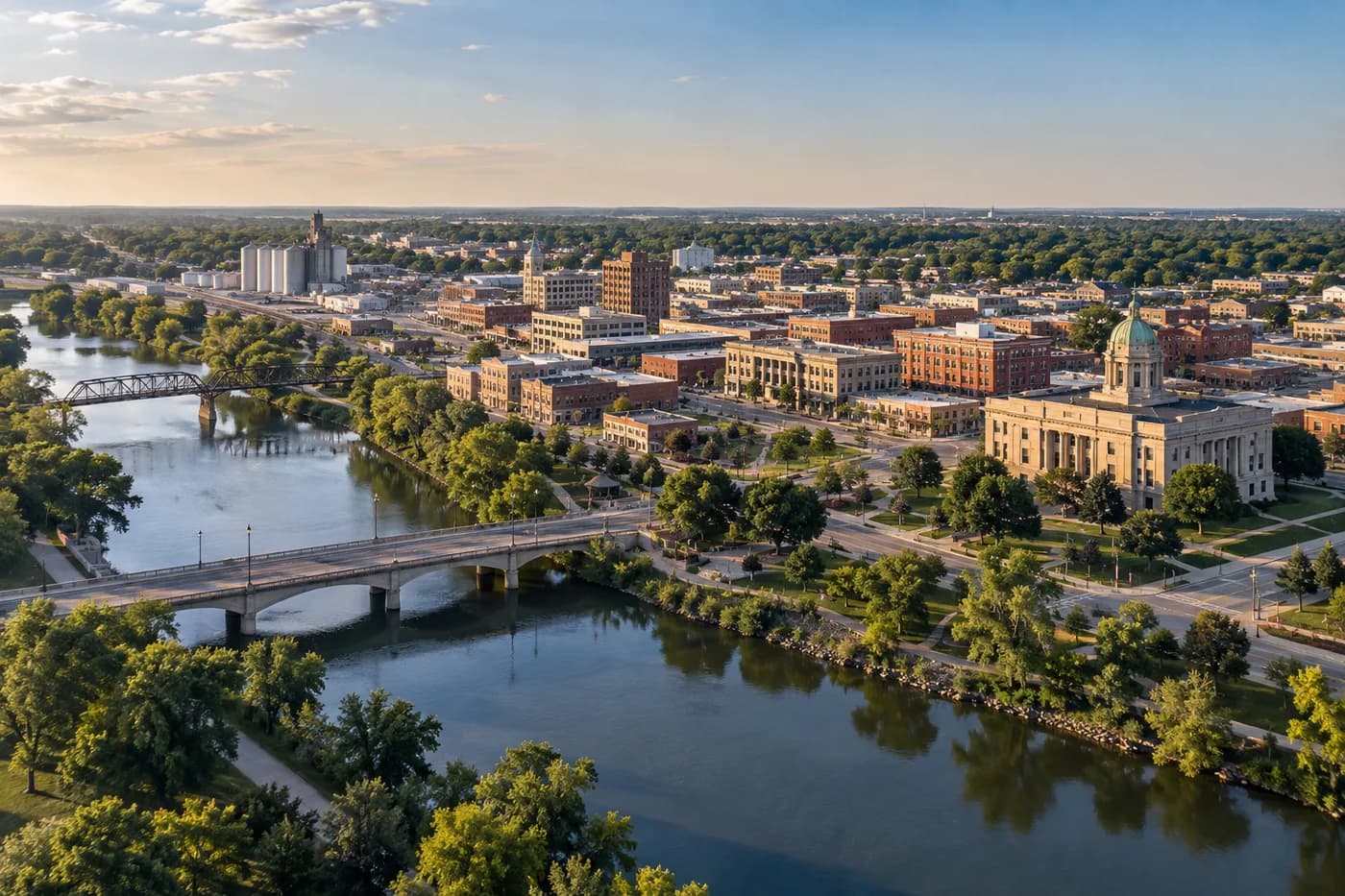
Humid Continental · suburban setting
Read the local guide →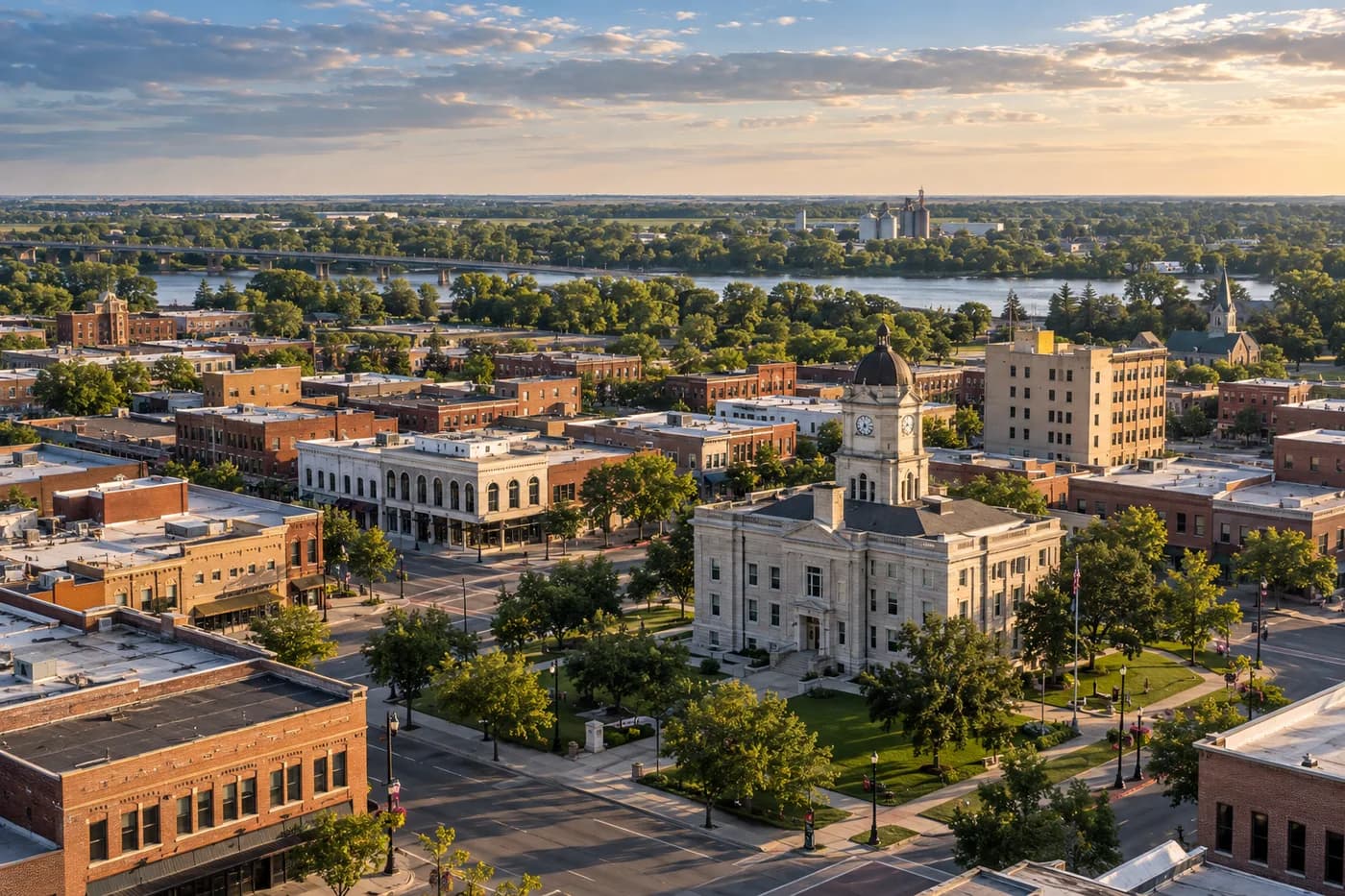
Humid Continental · rural setting
Read the local guide →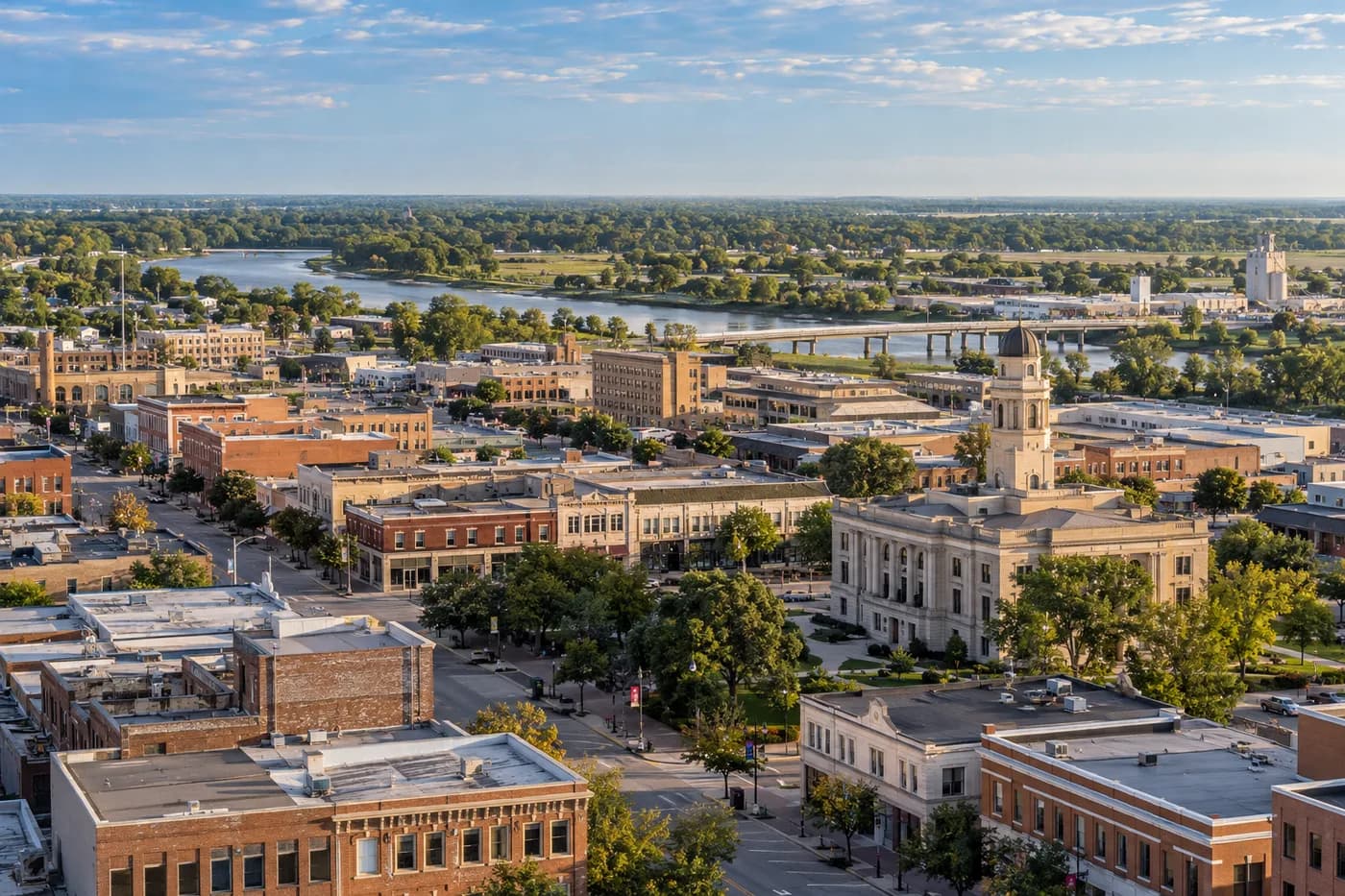
Humid Continental · suburban setting
Read the local guide →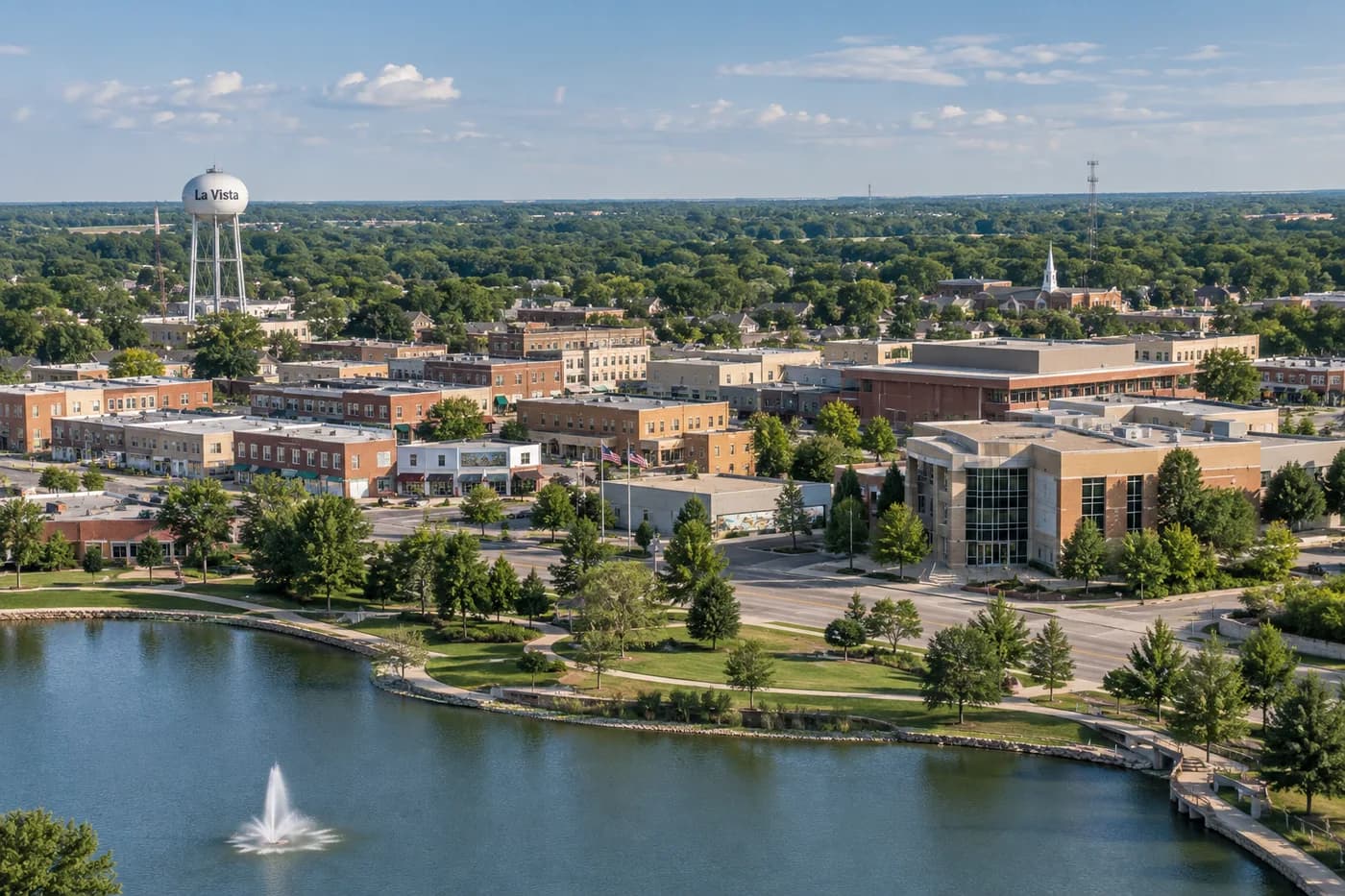
Humid Continental · suburban setting
Read the local guide →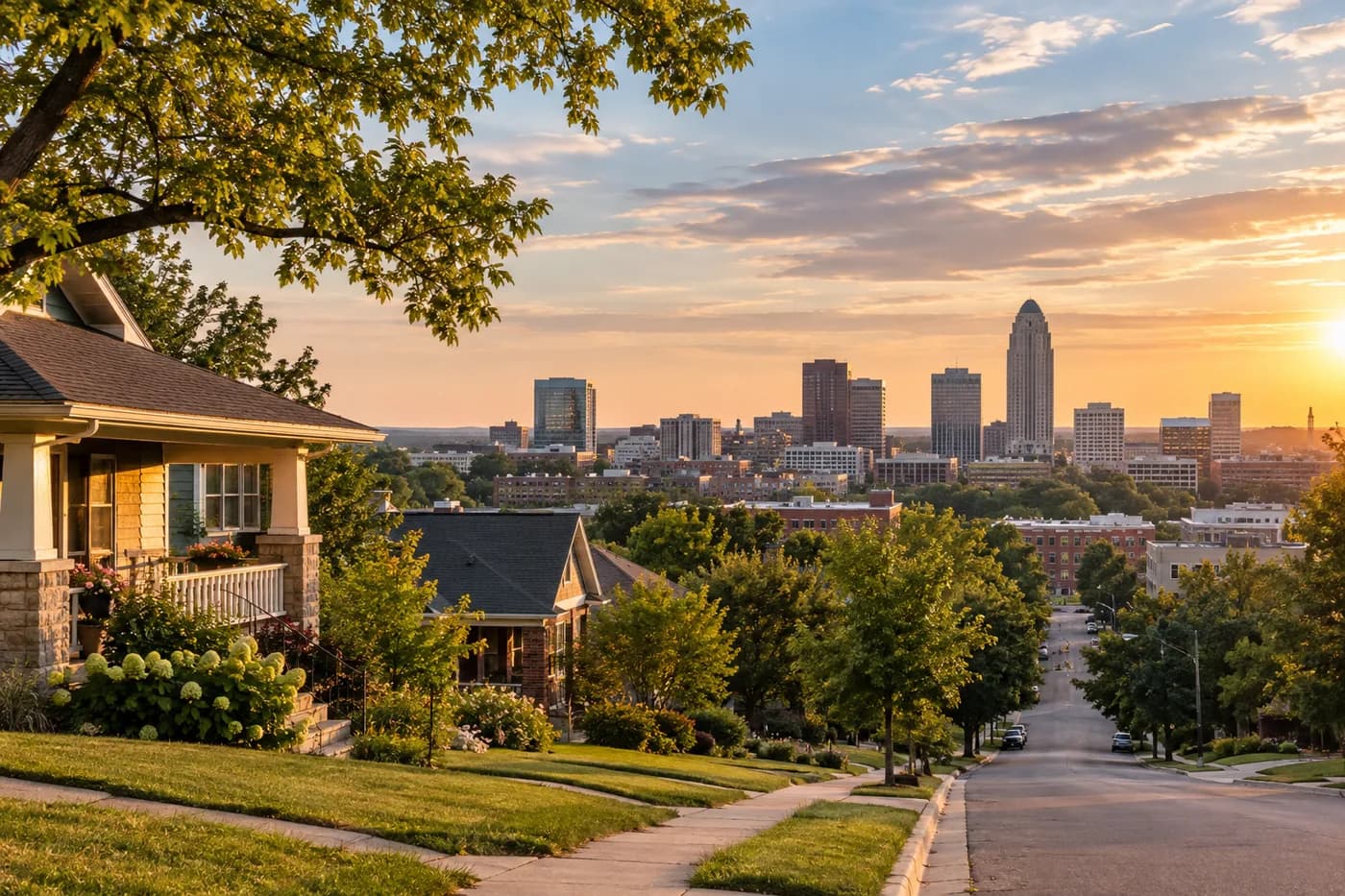
Humid Continental · urban setting
Read the local guide →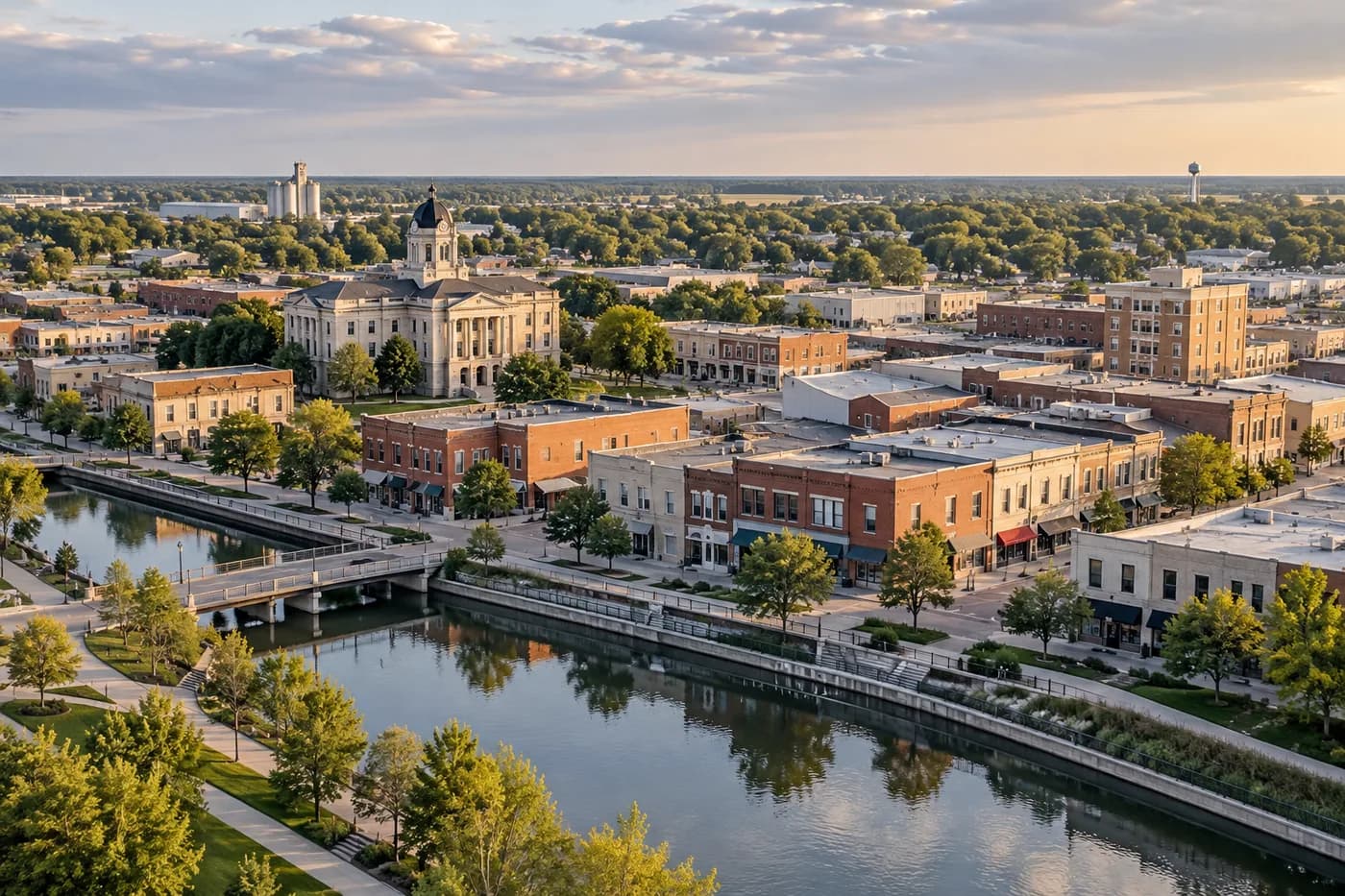
Humid Continental · rural setting
Read the local guide →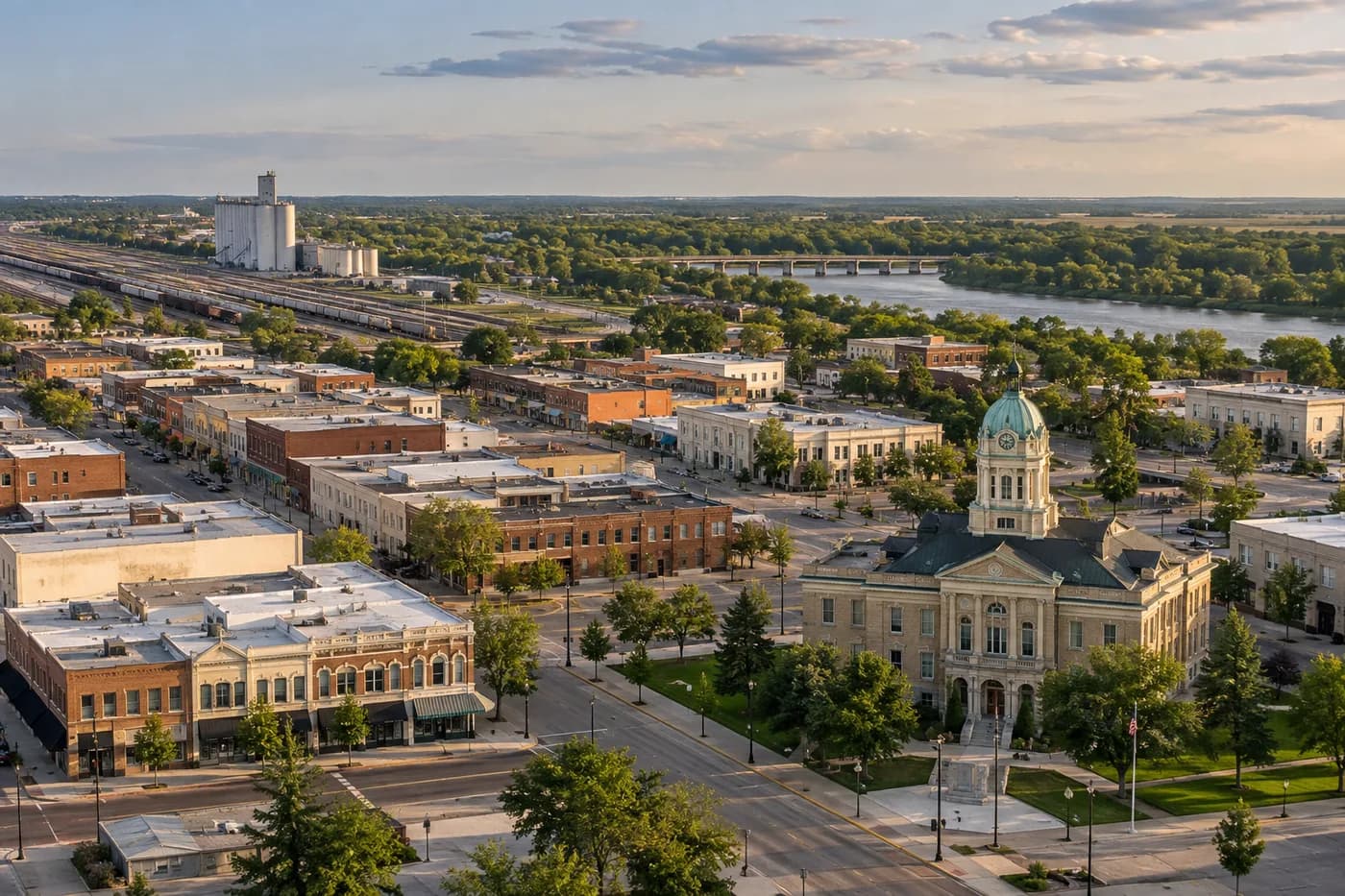
Semi-Arid Continental · rural setting
Read the local guide →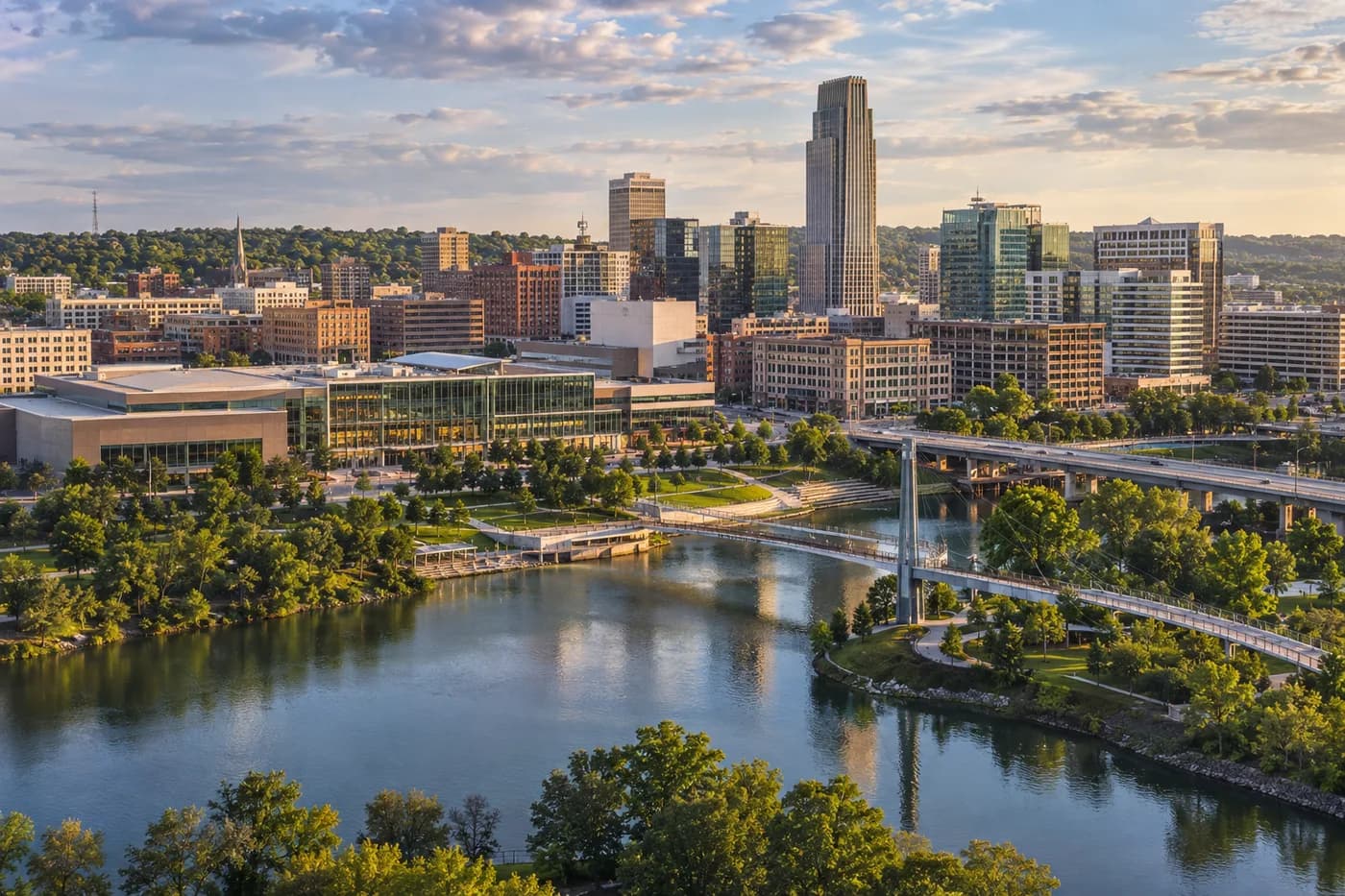
Humid Continental · urban setting
Read the local guide →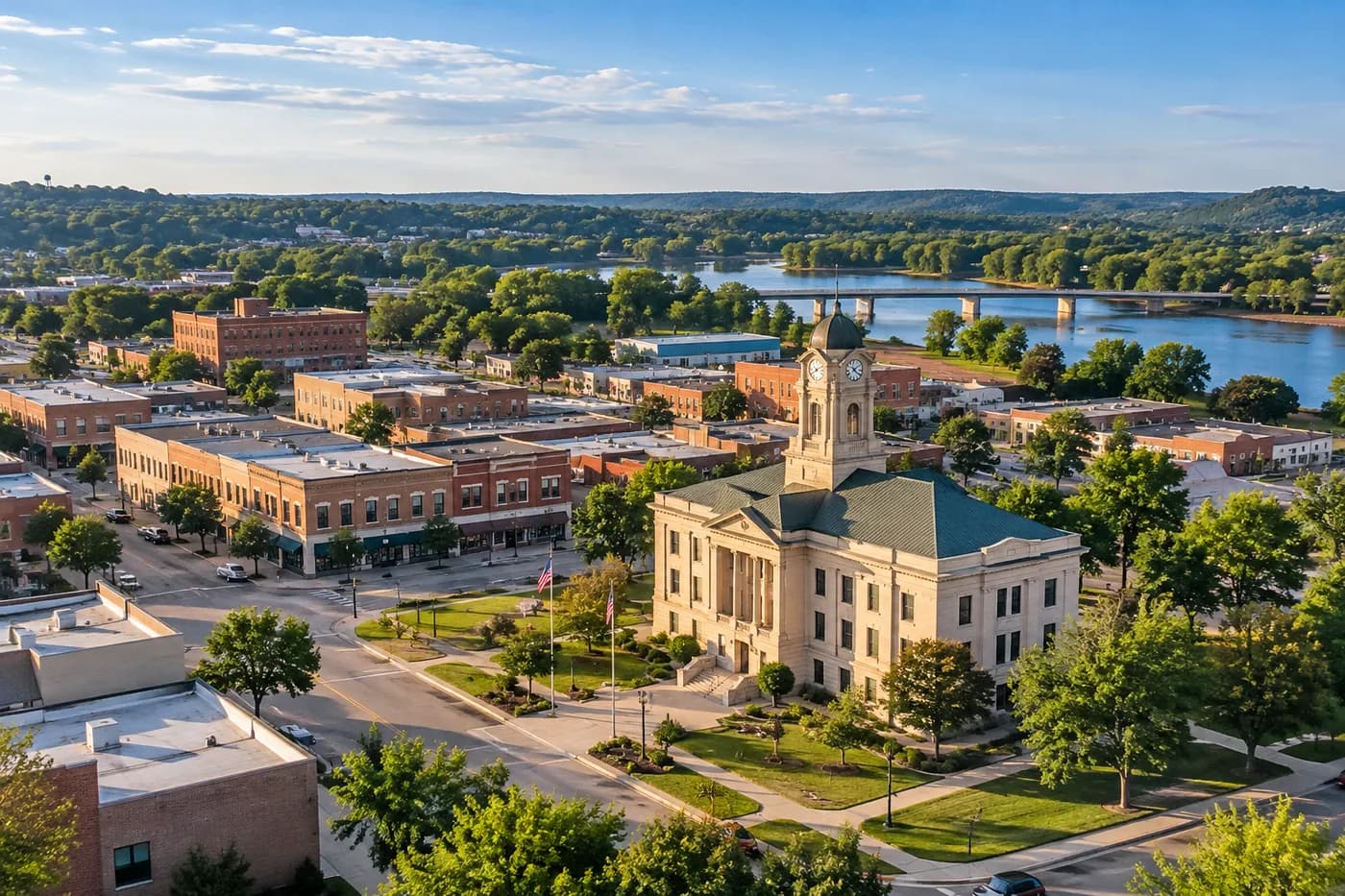
Humid Continental · suburban setting
Read the local guide →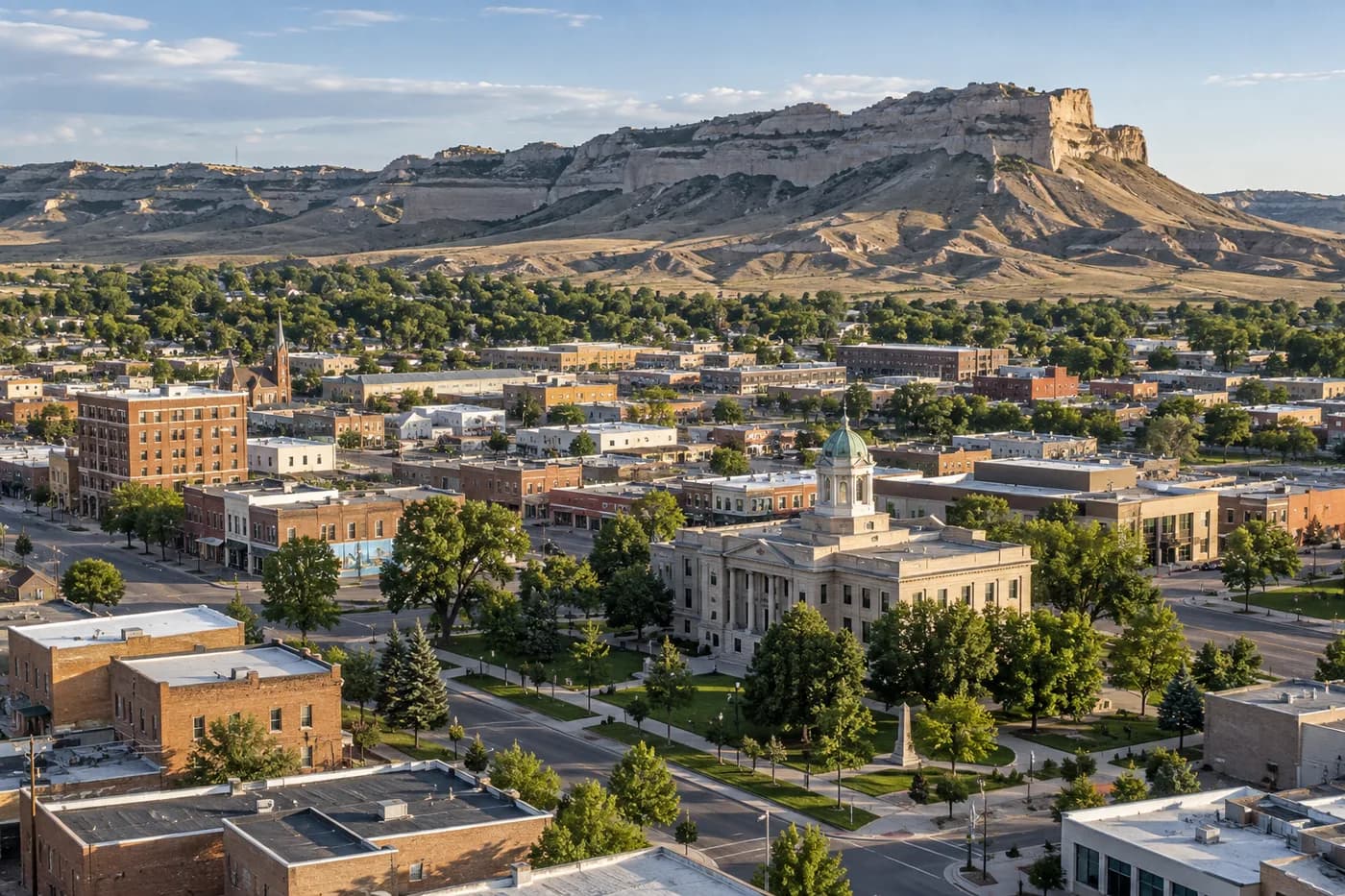
Semi-Arid Continental · rural setting
Read the local guide →