Around Virginia
Conditions vary across the state. Choose your city below, then describe what’s happening around your home or business.
Local rodent information
Learn what to look for around your property, explore your city, and ask about an inspection or a quote.
Conditions vary across the state. Choose your city below, then describe what’s happening around your home or business.
Where you see rodents, how long it has been going on, and anything you’ve already tried are the most useful details to mention.
Ask about an inspection, what treatment would involve, and whether follow-up visits are included. You don’t need to identify the problem yourself before getting in touch.
Before you compare quotes, it helps to know which rodents actually live in Virginia, when they are busiest, and what the state figures look like. Everything below links to the agency or university page it came from.
If need be, rats will travel 1300 feet or more daily for food and water.
Virginia Department of HealthRats destroy approximately ten times more food through urination and defecation than they actually eat.
Virginia Department of HealthExterior stations go every 30 to 50 feet around the building perimeter.
Virginia Department of HealthVDH Norfolk describes the house mouse, Norway rat (nests near floors and in foundation burrows) and roof rat (elevated areas, prefers seeds and fruit); the Norway rat is better suited to colder climates than the roof rat.
Sources: Virginia Department of Health; CDC; Pest Notes: House Mouse; Pest Notes: Rats. Figures are quoted as the source prints them. How we check our sources

Humid Subtropical · urban setting
Read the local guide →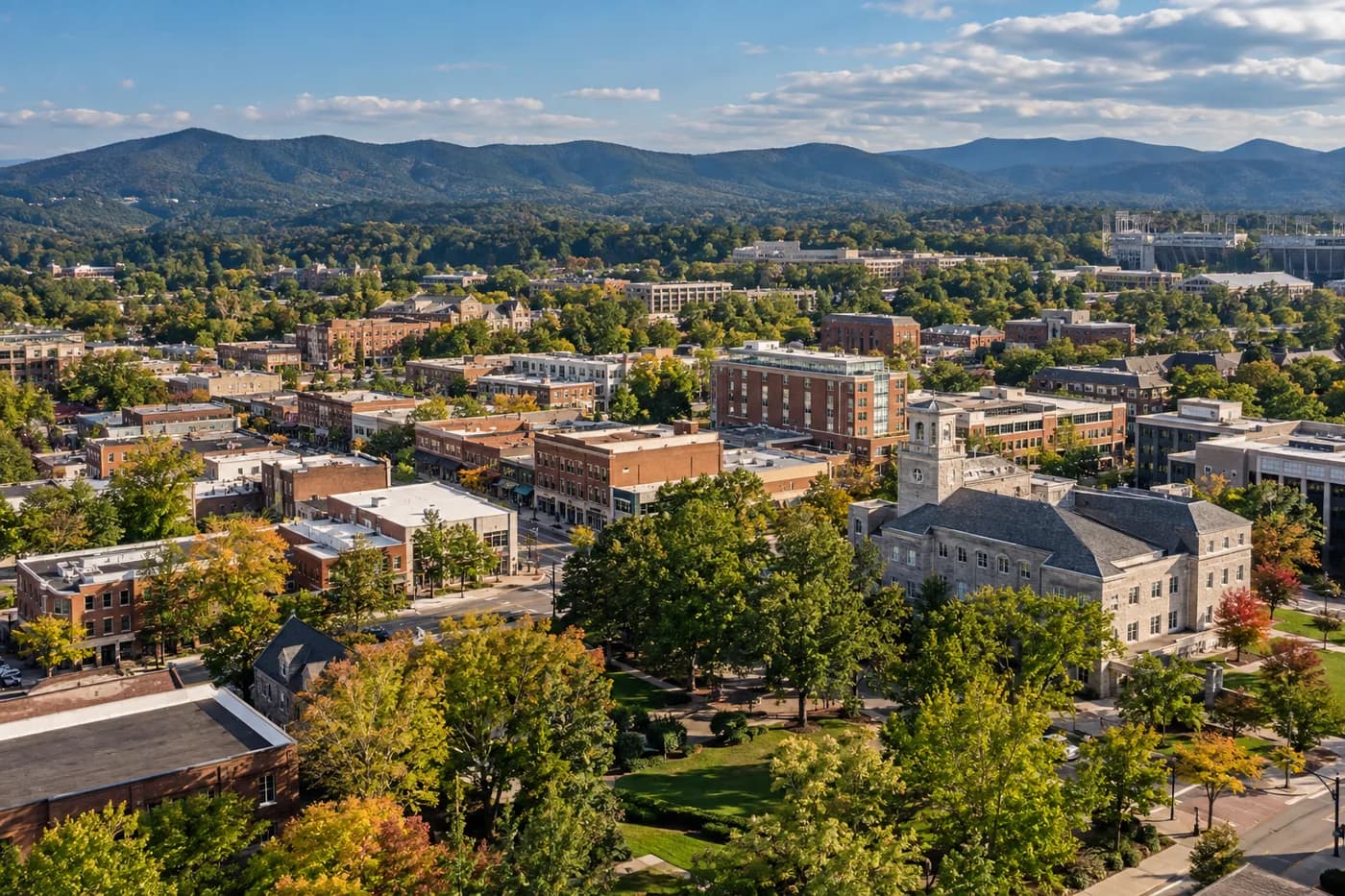
Humid Subtropical · suburban setting
Read the local guide →
Humid Subtropical · suburban setting
Read the local guide →
Humid Subtropical · suburban setting
Read the local guide →
Humid Subtropical · suburban setting
Read the local guide →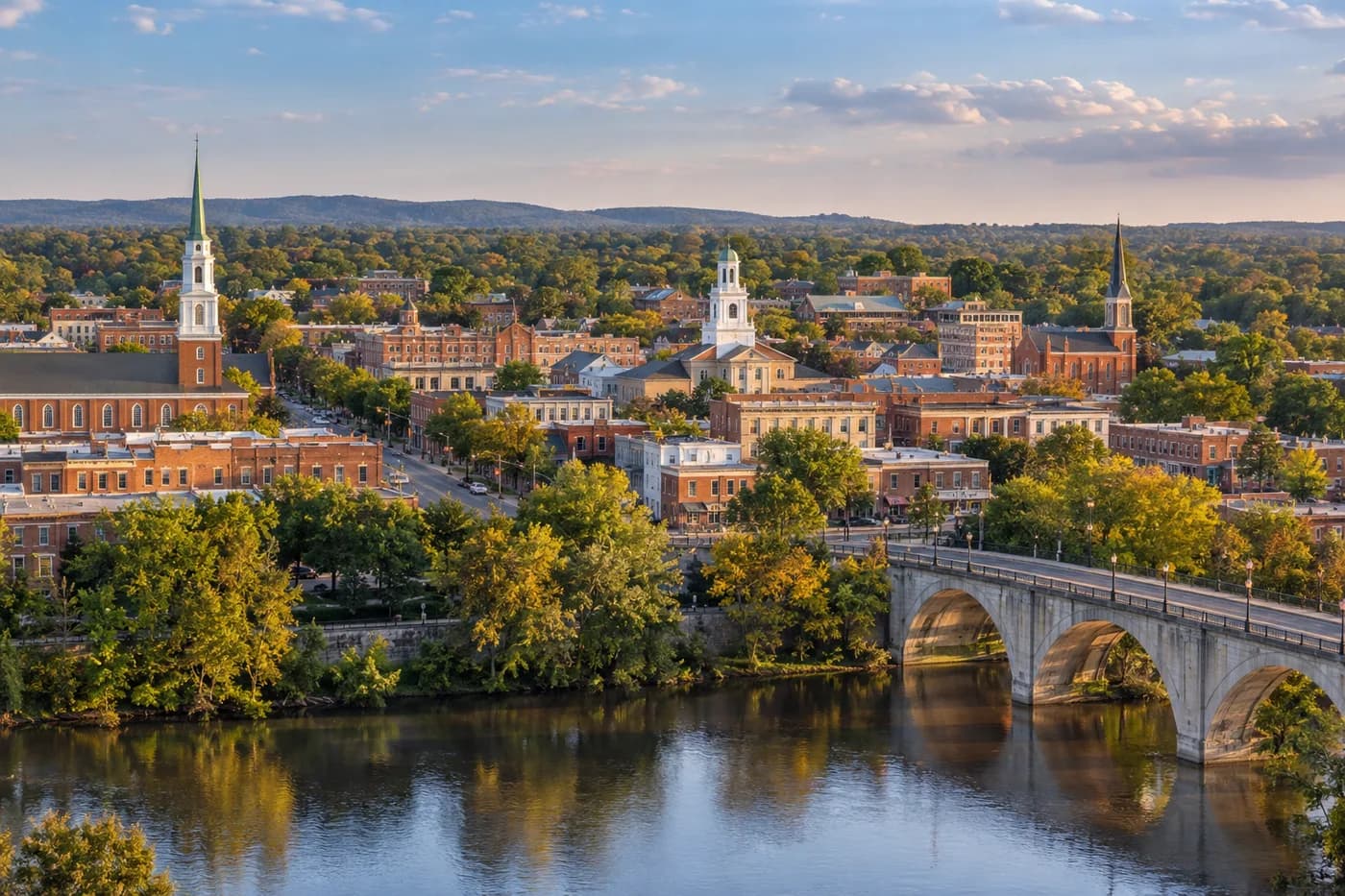
Humid Subtropical · suburban setting
Read the local guide →
Humid Subtropical · urban setting
Read the local guide →
Humid Subtropical · suburban setting
Read the local guide →
Humid Subtropical · suburban setting
Read the local guide →
Humid Subtropical · suburban setting
Read the local guide →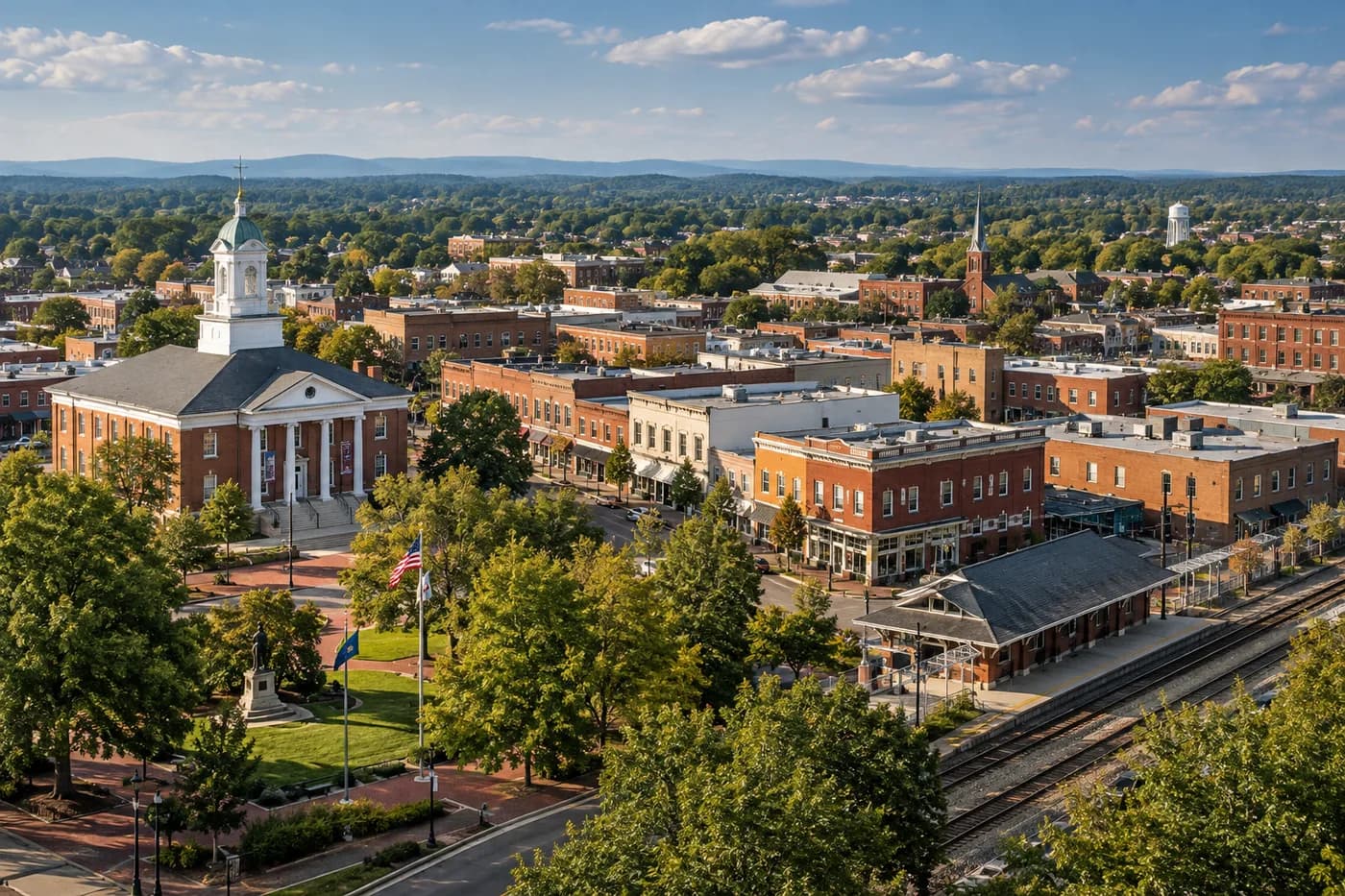
Humid Subtropical · suburban setting
Read the local guide →
Humid Subtropical · urban setting
Read the local guide →
Humid Subtropical · urban setting
Read the local guide →
Humid Subtropical · suburban setting
Read the local guide →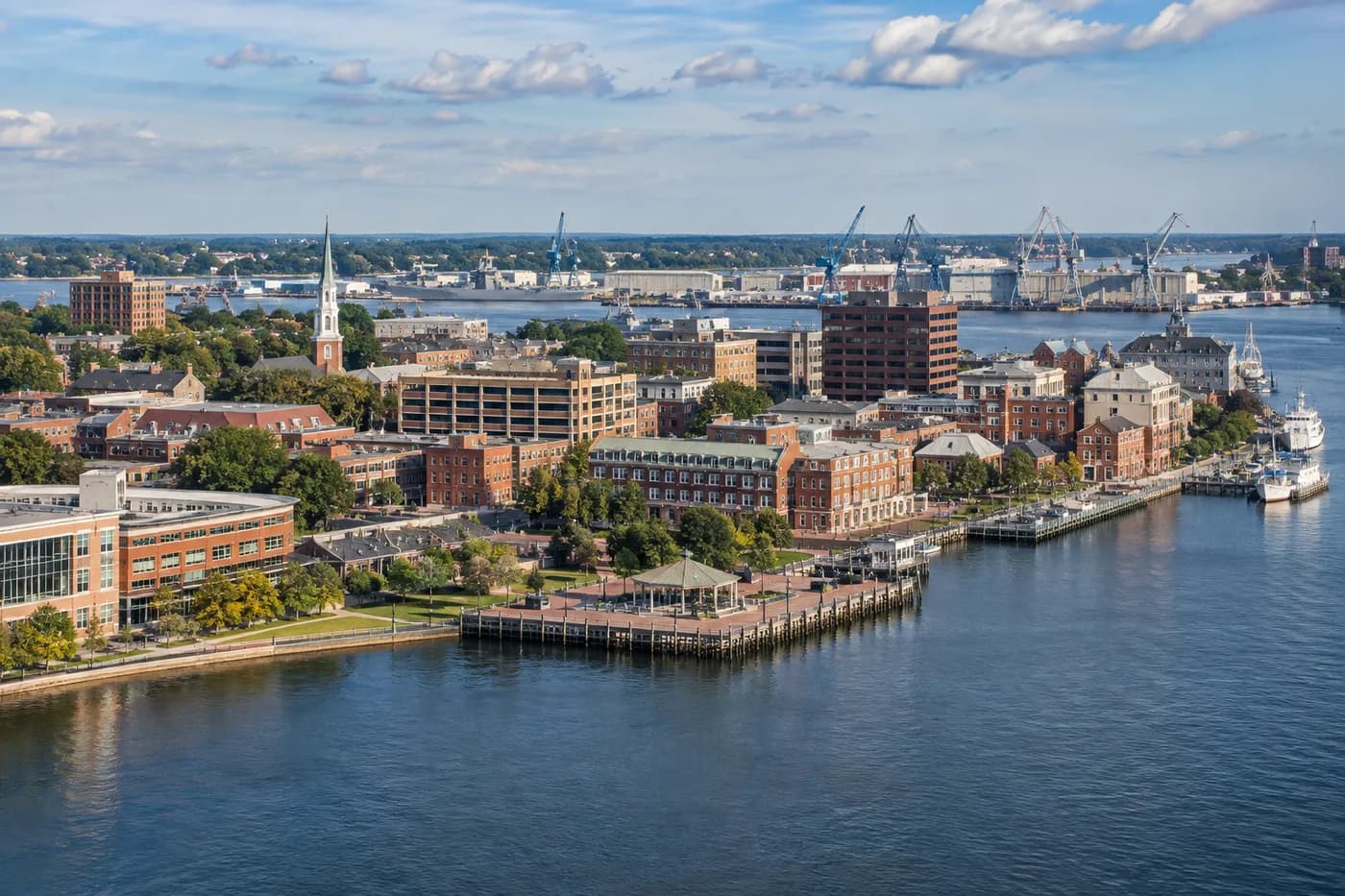
Humid Subtropical · urban setting
Read the local guide →
Humid Subtropical · urban setting
Read the local guide →
Humid Subtropical · urban setting
Read the local guide →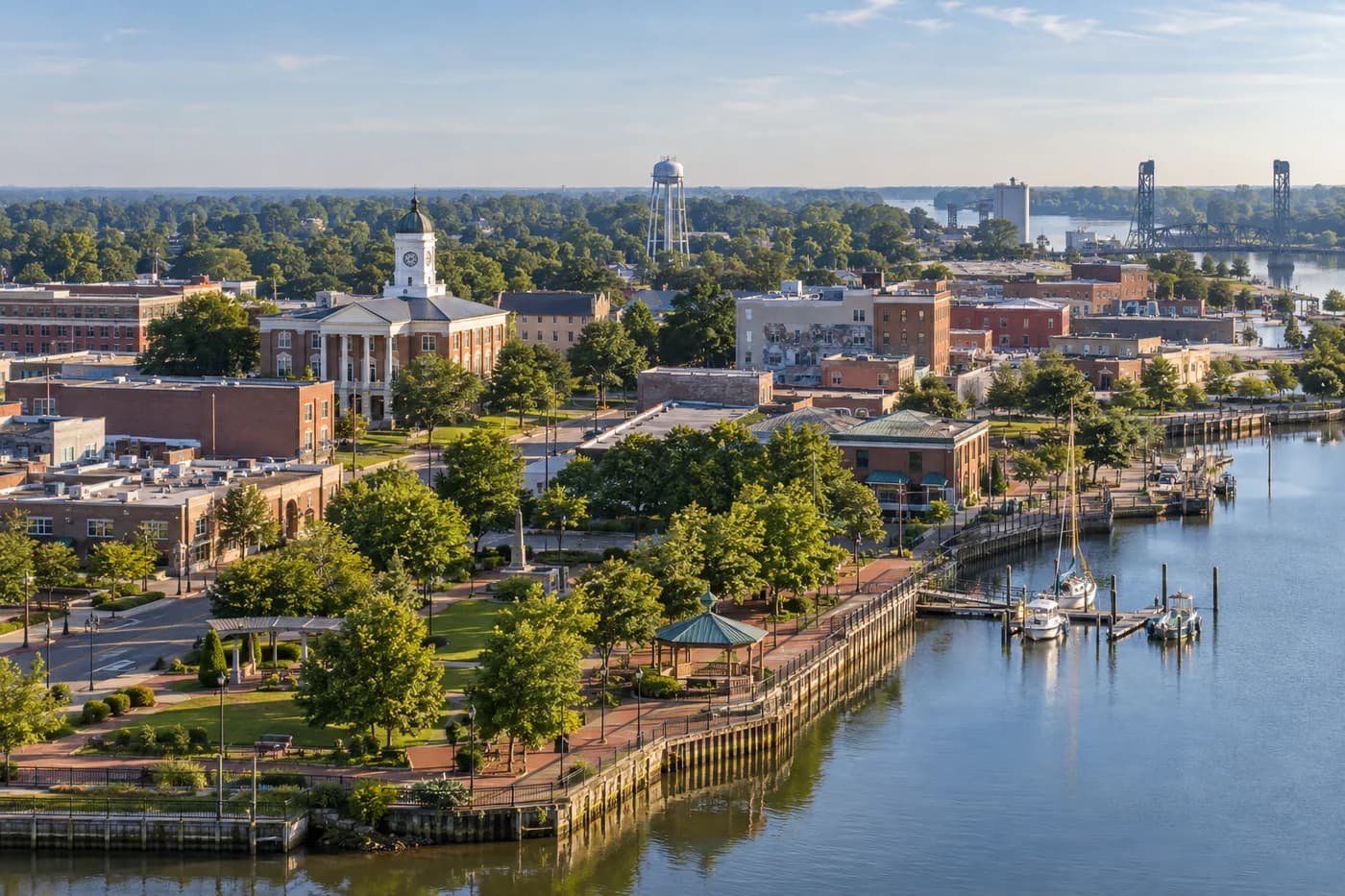
Humid Subtropical · suburban setting
Read the local guide →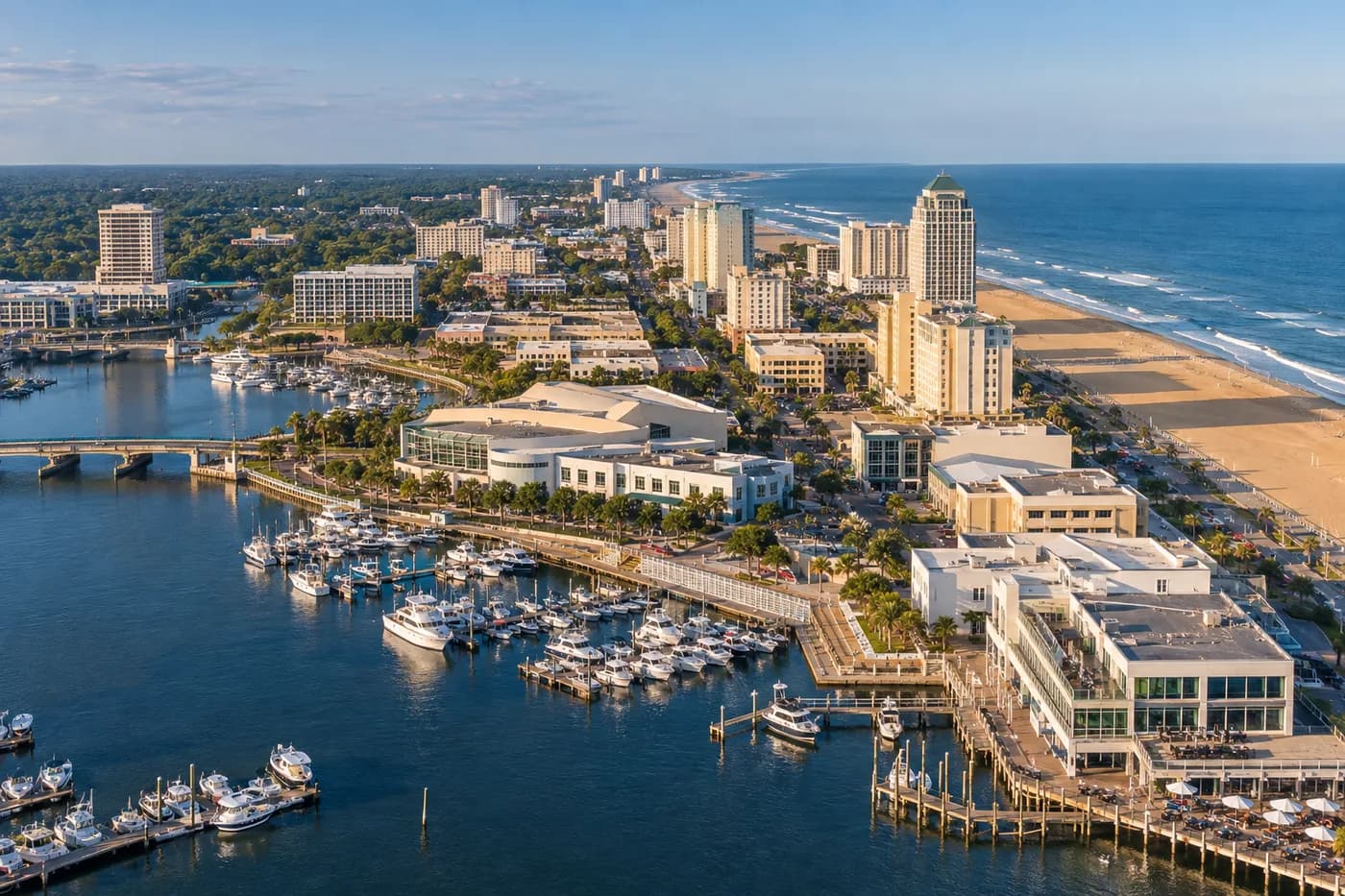
Humid Subtropical · urban setting
Read the local guide →
Humid Subtropical · suburban setting
Read the local guide →