The short version
Rodent control in Beaverton, Oregon starts with knowing which animal you have. Deer mice, which can carry hantavirus, nest in garages and sheds, while roof rats and Norway rats work attics and foundations. Seal gaps down to 1/4 inch before fall, trap rather than poison indoors, and wet any droppings with diluted bleach before you clean them up.
- Deer mice are the main health concern in Beaverton because they carry hantavirus.
- The CDC's provisional 2025 count listed one Oregon hantavirus case, so the risk is real but uncommon.
- September through November is when rodents push hardest to get indoors here.
- Winter lows near 36F let roof rats stay busy in attics all year.
- Wet droppings with a 1:9 bleach mix, wait five minutes, then wipe; never sweep.
Written for Beaverton homeowners finding droppings in the garage or pantry, renters hearing scratching in a shared wall, landlords responsible for repairs, and people who run small offices or shops with break rooms and storage closets. If you own a shed, cabin or garage that sits closed for months at a time, read the cleanup advice twice.
What to look for
Soggy burrows and colder nights together push animals toward dry wall voids and garages just as the September to November entry season peaks. About 40 inches of rain a year, falling mostly in the cool months under a Mediterranean pattern, saturates the ground each fall. Norway rats dig, usually under decks, patios and garden beds, and come in at ground level. They run along fences, vines and utility lines into attics, and mild winters with lows averaging 36F rarely slow them down. Roof rats climb. cases. Their droppings and urine can carry hantavirus, which the CDC reports was fatal in about 35% of U.S. They have white bellies and feet and a habit of nesting in stored boxes, outbuildings and garages. Deer mice are the health concern. Each causes a different kind of trouble. Oregon's rodent list for homes like these comes down to three animals: the deer mouse, the roof rat and the Norway rat, with ordinary house mice mixed in.
- 1Small, pointed droppings scattered on garage shelves, in stored camping gear, or inside cardboard boxes.
- 2Shredded paper, fabric or insulation balled into a nest inside drawers, boots, or rarely opened bins.
- 3Footsteps or scurrying above the ceiling after dark, a classic roof rat sign in a mild-winter suburb.
- 4Burrow holes beneath decks, along patio edges, or in raised garden beds, with fresh soil at the entrance.
- 5Chewed corners on pet food bags, birdseed sacks, or the plastic lids of garbage and recycling bins.
- 6Smudged trails along fence tops or the upper edge of a foundation where rats travel nightly.
- 7A sharp ammonia smell in a garage or shed that has stayed shut since summer.
Why it’s worth acting soon
- Hantavirus exposure grows every week deer mouse droppings and nests sit in a closed garage or shed.
- Roof rats breed 3 to 5 times a year, so one pair in the attic becomes a crowd by spring.
- Gnawed wiring in attics and behind appliances can short out or start a fire.
- Insulation soaked with urine stops doing its job and usually has to be pulled out and replaced.
- Rats living near the house raise leptospirosis exposure for anyone handling wet soil or standing water.
1Oregon hantavirus cases, 2025 (provisional)CDC NNDSS 890U.S. hantavirus cases reported, 1993 to 2023CDC 94%Share of those cases west of the MississippiCDC Treatment options and typical costs
Exclusion and sealing
Quoted after inspection
A provider finds and closes every opening a quarter inch or larger, using hardware cloth, sheet metal, sealant and door sweeps. On two-story homes this includes eaves, roof vents and pipe entries where roof rats climb in. Done before September, it heads off most of the fall migration.
- Time
- Depends on how many openings the inspection finds
- Best for
- Homes with active entry points or recurring fall activity
Indoor trapping
Quoted after inspection
Snap traps or enclosed traps set along walls, under appliances and in attics, then checked and reset over several visits. Trapping indoors avoids the problem of a poisoned mouse dying inside a wall, and it lets the provider confirm which species you have before deciding on next steps.
- Time
- Until catches stop; ask how many checks are included
- Best for
- Mice or rats already living inside
Exterior bait stations
Quoted after inspection
Locked stations holding rodenticide placed around the outside of the house and outbuildings. They help where Norway rats burrow under decks or slabs. Ask what product is inside, how stations are secured from pets and wildlife, and how often they are checked and refilled.
- Time
- Ongoing service
- Best for
- Heavy outdoor rat activity around the foundation
Hantavirus-safe cleanup
Quoted after inspection
Removal of droppings, nests and soiled materials from garages, sheds and attics, with ventilation first, a bleach soak, gloves and respirators. This matters most where deer mice have been nesting in a closed space for a season or longer.
- Time
- Depends on how much material is soiled
- Best for
- Sheds, cabins, garages and attics with heavy contamination
Prices are typical published ranges. Ask what’s included before you compare quotes.
 Bathroom vanities hide the same plumbing gaps as the kitchen. A quick look with a flashlight shows droppings or rub marks long before you see a mouse.
Deer mice and hantavirus: how worried should Beaverton households be?
If you uncover a large nest or a thick layer of droppings, consider letting a professional handle that job. Wear rubber gloves, and add a respirator if the mess is heavy. Wet everything with diluted bleach before touching it. Before spring cleaning a storage space, prop the doors and let fresh air move through for half an hour. The habits that protect you are simple. The exposure story is nearly always the same: someone opens a shed, cabin or long-closed garage and stirs up dust from droppings and old nesting material. The CDC's provisional 2025 table listed a single Oregon case, against four in California. Oregon is not a hot spot. About 35% of those cases were fatal, which is why the cleanup rules exist. The CDC counts 890 hantavirus cases nationwide from 1993 through 2023, and 94% of them occurred west of the Mississippi River, which puts Beaverton on the side of the map where deer mice matter. Worried enough to clean carefully, not so worried that you avoid your own garage.
How the wet-winter, dry-summer climate drives the rodent calendar.
This part of Oregon follows a Mediterranean pattern: most of the roughly 40 inches of yearly rain falls from fall through spring, and summers stay dry with highs near 80F. Rodent activity tracks that swing. Late spring and summer: rodents breed outdoors in hedges, compost and garden beds, and roof rats raise litters in trees and attics alike. This is the best time to trim plants back from the house and repair vents. September through November: the rains return and nights cool. Burrows get soggy, outdoor food thins out, and Norway rats and house mice start probing for gaps. Most indoor complaints begin in this window. December through February: lows average around 36F, cold enough to keep mice inside but mild enough for roof rats to stay active overhead. Expect noise in the ceiling at night. March and April: as people open storage spaces for spring, they discover what moved in over winter. Treat every shed and garage cleanup as a possible deer mouse exposure and wet things down before you sweep anything.
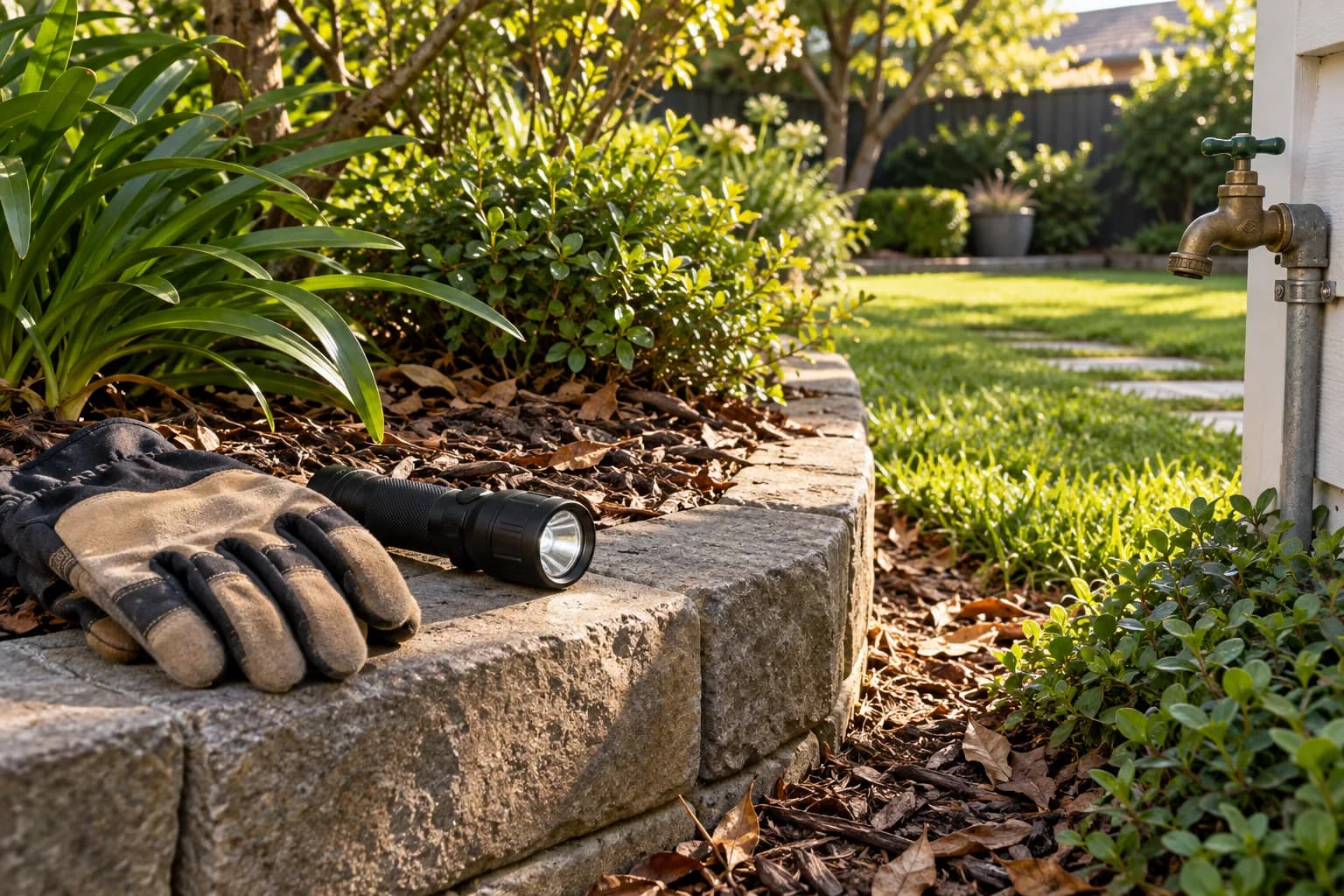 Dense shrubs against the house and a dripping hose bib give rodents cover and water. Trimming back and fixing drips makes the yard less inviting.
Roof rats or Norway rats: which one is in your yard?
A Beaverton yard with a fruit tree, a compost bin and a woodpile can support a growing colony long before the fall rains arrive, so the clues you find in summer deserve attention. UC IPM puts the Norway rat at 4 to 6 litters a year and the roof rat at 3 to 5 litters of up to 8 pups. Both breed quickly enough to matter. For Norway rats, the work moves down to foundation cracks, crawl space vents and burrows, sometimes with bait stations along the perimeter. For roof rats, a provider concentrates on the roofline: vents, gaps at the eaves, pipe and cable entries, and limbs that act as bridges. That difference changes the plan. Norway rats are heavier diggers, so look for them at ground level under decks, along patio edges and beneath sheds. Roof rats are sleek climbers with tails longer than their bodies, and they live up high: attics, fence tops, dense ivy, and trees that overhang the roof. Where the evidence shows up usually tells you.
Renters, landlords and who pays for rodent work.
Ask the provider for a short written summary you can keep with the unit's maintenance file. Deer mouse contamination in a garage or storage unit deserves professional cleanup before a new tenant moves in, both for health reasons and to head off disputes. For landlords, records protect everyone: photos of droppings, the date activity was reported, and the provider's written list of entry points and repairs. A building-wide inspection that includes common areas, trash enclosures and storage rooms works far better. In Beaverton rentals with shared walls, mice travel between units through utility chases and gaps around pipes, so treating one apartment alone rarely ends the problem. Shared walls complicate things. If it says nothing, put the problem in writing with photos and ask for a timeline. Read the lease first, since the split can be written differently. In most rentals, the landlord handles structural fixes such as sealing gaps, repairing vents and replacing damaged insulation, while tenants keep food stored and report problems promptly.
How to compare two rodent control quotes.
A provider who talks about ventilating first, wetting droppings with disinfectant and wearing respirators is showing you they take the risk seriously. Finally, ask how the company handles deer mouse sign. Some companies fold these in and others price them separately. Then check the extras: attic cleanup, insulation replacement, bait station service and cleanup of garages or sheds. Jobs that start during the September to November entry season often need more follow-up than summer ones, because new animals keep testing the house. How many visits are included, over how many weeks, and what happens if animals are still being caught when those visits run out? Next, compare the trapping plan. A Beaverton house with roof rats needs attention up high, so a quote that only mentions ground-level sealing is incomplete. The stronger quote names each entry point, the material that will close it, and whether the work covers the roofline as well as the foundation. Lay the quotes side by side and look for specifics, not totals.
What affects the price
- Whether deer mice are involved, since hantavirus precautions add protective gear and slower cleanup.
- Roofline work on two-story houses, where roof rats use vents, eaves and gaps around flashing.
- How much stored clutter in a garage or shed has to be moved, inspected and cleaned.
- The number of return visits needed to check traps through the September to November entry season.
- Exterior bait station service billed monthly or quarterly rather than as a single charge.
- Insulation removal and replacement in an attic where roof rats have nested for months.
📊
What's your biggest concern about rodents?
When to call for help
Bring in a professional if you find more than a scattering of droppings in a garage, shed or attic, if you hear movement overhead, or if traps keep catching animals after two weeks. Heavy deer mouse contamination is worth handing off, because cleaning it properly means respirators, gloves and a careful disinfection routine rather than a quick sweep. Around Beaverton, roof rats in the attic are another clear signal: the access is awkward, the entry gaps are usually high on the house, and a ladder job on wet roofing is not where you want to learn.
What you can do yourself
DIY works for the common case: a couple of mice in the kitchen or garage, gaps you can see and reach, and no rats. Snap traps along walls, steel wool and sealant in small openings, and food kept in hard containers will settle most of these. Wear gloves, and wet droppings before you touch them. Hire help when the problem is bigger or riskier. Rats roam widely and learn fast, so beating them takes trap placement across the property and exclusion high on the roof. A heavily soiled shed or attic, especially one with deer mouse sign, calls for protective equipment most homeowners do not own. Pros can also place and service outdoor bait stations under state pesticide rules. Plenty of households split the work: they handle trapping and storage changes themselves, then pay for one professional exclusion visit before October.
Rodents in Beaverton
With a median home value near $530,000, chewed wiring or ruined attic insulation is an expensive repair, which is a strong argument for sealing up before the September to November push begins. Whatever a house's age, rodent gaps develop where utility lines, dryer vents and garage doors meet the frame. The town was founded in 1847. At only 184 feet above sea level, the city sits low and damp, with average humidity around 74% and a Mediterranean rhythm of dry summers and rainy winters. Hedges, yards and planting strips give rodents places to live, while dumpsters and office break rooms give them food. Beaverton's 98,000 residents live in a suburban city known for Nike's headquarters and the Silicon Forest nickname.
Local research
Rodents in Beaverton, OR: what the public record shows
Before you compare quotes, it helps to know which rodents actually live in Oregon, when they are busiest around Beaverton, and what the state figures look like. Everything below links to the agency or university page it came from.
Rodent species recorded in Oregon
- Norway rat (Rattus norvegicus) — Burrowing rat of basements, sewers and ground floors; tail shorter than head plus body.
- Roof rat (Rattus rattus) — Climber of attics and trees in warm and coastal regions; tail longer than head plus body.
- Deer mouse (Peromyscus maniculatus) — Primary U.S. hantavirus carrier; lives throughout Washington and the interior West.
When rodents are busiest around Beaverton
Fall entry (Sept-Nov). Norway rats and house mice move indoors as temperatures drop.
Based on Beaverton’s mediterranean climate profile.
For context, nationally
- 1/4 inch (the width of a pencil) — Smallest gap a mouse can enter. CDC
- 890; 35% fatal; 94% west of the Mississippi — Hantavirus cases reported since 1993 (through 2023). CDC
Sources: CDC National Notifiable Diseases Surveillance System; CDC; Pest Notes: Rats; Hantavirus. Figures are quoted as the source prints them. How we check our sources
Simple ways to keep rodents away
- Store camping gear, holiday decorations and sleeping bags in sealed plastic totes rather than cardboard.
- Seal the corners of the garage door and replace the bottom seal if daylight shows underneath.
- Trim shrubs and ivy away from siding and the roof to remove the climbing routes roof rats depend on.
- Cover foundation and attic vents with sturdy hardware cloth instead of flimsy window screen.
- Keep compost bins and chicken feed away from the house in rodent-resistant containers.
- Before opening a shed or cabin that sat closed all winter, prop the doors and let it air for half an hour.
- Close every gap a pencil fits through by late August, ahead of the fall entry season.
 A good rodent quote lists the inspection, the number of trapping visits, each opening to be sealed and the material for it, and any cleanup.
Did you know?
A single female Norway rat can wean 20 or more young in one year.
Tularemia and lymphocytic choriomeningitis, known as LCM, are on the CDC's list of illnesses people can catch directly from rodents.
Leptospirosis is reported far more often in Puerto Rico than on the mainland: 82 cases there by week 13 of 2025 versus 22 among other U.S. residents.
Questions people ask
Do deer mice in Beaverton carry hantavirus?
The risk comes from breathing dust stirred up from droppings or nests in closed spaces, so in Beaverton the garage, shed and cabin are where to be careful. The CDC's provisional 2025 count included one Oregon case. Deer mice are the main hantavirus carrier in the West, and they are on Oregon's rodent list. Some do.
What is the safest way to clean up mouse droppings?
The CDC warns against sweeping or vacuuming, because both lift contaminated dust into the air. Then wet the droppings with 1.5 cups of bleach per gallon of water, wait five minutes, and pick them up with paper towels while wearing gloves. Air the space out for 30 minutes first.
Why do I hear rats in my attic in the middle of winter?
They climb trees, fences and utility lines to reach the roofline, so trimming branches and screening vents matters as much as trapping. Beaverton's winter lows average about 36F, mild enough that roof rats stay active and keep breeding in warm attic insulation. That is usually a roof rat.
When do rodents move indoors around Beaverton?
Getting exclusion done in August, before that shift, usually means fewer animals to remove later in the season. As the rain returns after a dry summer and nights cool, Norway rats and house mice look for drier, warmer spaces. The peak runs September through November.
Should I put out poison for mice inside the house?
In a suburb where pets and wildlife share fenced yards, any rodenticide belongs in locked outdoor stations placed by a licensed applicator. A poisoned mouse can crawl into a wall void and die where you cannot reach it, leaving odor and flies. Traps are the better choice indoors.
Is plague a concern in Beaverton?
Around Beaverton, the practical rodent health concerns are hantavirus from deer mice and germs in rat droppings. The CDC places Oregon's plague activity in the southern part of the state, within a region that also covers California and far western Nevada, and the whole country averages about 7 human cases a year. Very unlikely.
How much does rodent control cost in Beaverton?
Ask for two written quotes that list the same items so you can compare them fairly. The biggest swings come from how many gaps need sealing, whether roof rats are in the attic, how much garage or shed cleanup is needed, and how many follow-up visits are included. Companies serving Beaverton generally quote after seeing the property.
Nearby cities
Related guides
Sources (6)
The facts in this article come from the public sources listed above. Every home is different, so ask the company you talk to about pricing and what’s included. Published by Rodent Exterminator · Updated October 11, 2026 · How we write these guides