The short version
Rodent control in Bolingbrook, IL means handling two animals: house mice that slip through 1/4-inch gaps when fall arrives, and Norway rats that burrow in suburban yards near food. Seal the house before winter lows near 17F, remove bird seed, compost and pet food that feed rats, and trap along walls instead of leaning on poison indoors.
- Norway rats and house mice are the two rodents Illinois records for this area.
- Bird seed, pet food and open compost feed most backyard rat colonies.
- Rats forage 100 to 500 feet from the nest, so neighbors' yards matter.
- Seal gaps over 1/4 inch before October, ahead of winter lows near 17F.
- Illinois reported a hantavirus case in 2025 and leptospirosis cases in 2025 and 2026.
This guide is for Bolingbrook homeowners dealing with rats in the yard or mice in the garage, renters whose units share walls with neighbors, and owners or managers of restaurants and shops who need to keep rodents out of food areas. If you are weighing doing it yourself against hiring a company, the comparisons below are meant for you.
What to look for
House mice and Norway rats are the two rodents Illinois records in this area, and they behave differently around a Bolingbrook home. House mice move inside. They slip through gaps as small as 1/4 inch around garage doors, utility lines and dryer vents, nest in insulation and storage boxes, and stay close to food. Their big entry season is fall, as nights cool from summer highs around 84F toward winter lows near 17F. Norway rats tend to live outside and visit. They dig burrows under decks, sheds, patios and slabs, and they feed on whatever the yard offers: spilled bird seed, dog food, compost, garden vegetables and garbage. They travel 100 to 500 feet from the nest to eat, so a rat in your yard may live behind the neighbor's shed. With 38 inches of rain a year and 70% average humidity, soil stays workable for digging through the warm months, and burrows often show up in summer before anyone sees a rat.
- 1Fresh burrow holes under a deck, shed, patio slab or along the foundation, with loose dirt at the mouth.
- 2Runways worn into the grass along a fence line or foundation.
- 3Rat droppings about the size of a raisin near garbage carts or bird feeders.
- 4Mouse droppings like dark grains of rice in kitchen drawers or along the garage wall.
- 5Gnaw marks on plastic garbage carts, wooden doors or the edge of the garage door seal.
- 6Scratching in the garage ceiling or basement walls on fall and winter evenings.
- 7Bird seed hulls or pet food stashed in a corner of the garage.
Why it’s worth acting soon
- Rats burrowing under slabs and patios can leave hollow voids beneath the concrete.
- Mice and rats chew wiring in walls, attics and parked cars.
- Illinois logged leptospirosis cases in both 2025 and 2026, a disease the CDC ties to rats.
- A single female Norway rat can produce 4 to 6 litters a year, so yard colonies grow fast.
- Mice that settle in during fall keep breeding through winter inside walls and ceilings.
1Illinois hantavirus cases, 2025 (provisional)CDC NNDSS 1 vs 3Illinois leptospirosis cases through week 13, 2026 vs 2025CDC NNDSS Treatment options and typical costs
Exclusion work
Quoted after inspection
Sealing every gap over 1/4 inch on the house and garage with steel wool, hardware cloth, metal flashing or concrete patch. It is the step that keeps the next round of fall mice out of a Bolingbrook home. Ask the provider to point out each opening and show what material they plan to use.
- Time
- One main visit plus a check
- Best for
- Garage and basement mice, repeat problems
Yard rat program
Quoted after inspection
Trapping and, where it fits, locked bait stations along rat runways, paired with removing bird seed, pet food and compost. Because rats range several hundred feet, the plan should cover the whole yard and fence lines. Ask how burrows will be monitored after the first round.
- Time
- Several weeks, then monitoring
- Best for
- Rats under decks, sheds and patios
Indoor trapping
Quoted after inspection
Snap traps or electronic traps set along walls, in garages and in basements where droppings show up. Traps confirm each catch and avoid odors from rodents dying in walls. Expect follow-up checks to move traps as mice shift routes.
- Time
- Two to four weeks
- Best for
- Mice in garages, kitchens and basements
Commercial service
Quoted after inspection
Scheduled inspections, exterior stations and interior trapping for restaurants and shops. Food businesses near busy retail areas like Promenade Bolingbrook need records an inspector can check. Ask for a service log and a map of station locations as part of the contract.
- Time
- Ongoing, monthly or more often
- Best for
- Restaurants, groceries and retail
Prices are typical published ranges. Ask what’s included before you compare quotes.
 Crawl spaces are where rats and mice get comfortable. Vent screens, the sill plate and any gap around pipes are worth a careful look.
Why do Norway rats settle in Bolingbrook yards?
Norway rats eat almost anything: spilled bird seed, dog kibble left on a patio, fallen tomatoes, compost and garbage. Across Bolingbrook, any yard with a deck, shed, fence line or planting beds gives them dry, hidden places to dig. Weather helps them. With roughly 38 inches of rain a year and summer highs around 84F, the ground stays soft enough for burrowing from spring through fall. Rats often dig under a deck or along a patio edge where the soil is shielded from rain and predators. You may see the burrow long before you see the animal. Range matters too. Norway rats forage 100 to 500 feet from the nest, which in a subdivision can cover several backyards. If you take down your bird feeder but the neighbor keeps theirs, rats may stay. Talking with the people next door, and asking a provider to look along shared fence lines, makes the fix last. Rats in a suburban yard usually come for food and stay for shelter.
How does the fall mouse season play out in Bolingbrook?
By late September, nights cool from the summer peak, and house mice that spent the warm months in yards, fields and planting beds start looking for shelter. Across Bolingbrook, that often means the garage first. October and November are the busiest months. Winter lows near 17F are on the way, and mice are quick to use gaps along the bottom of the overhead door, around the water heater vent and where cable and gas lines enter. From the garage, the door into the house, the laundry room and the kitchen are short trips. December through February, whatever got in keeps breeding. You may hear them in the garage ceiling or behind basement drywall, especially at night. In spring, activity shifts back outdoors, but mice that wintered inside often stay put. That makes March a good time to inspect the garage and basement for droppings and to fix any gaps before the next fall arrives. Mice follow the thermometer.
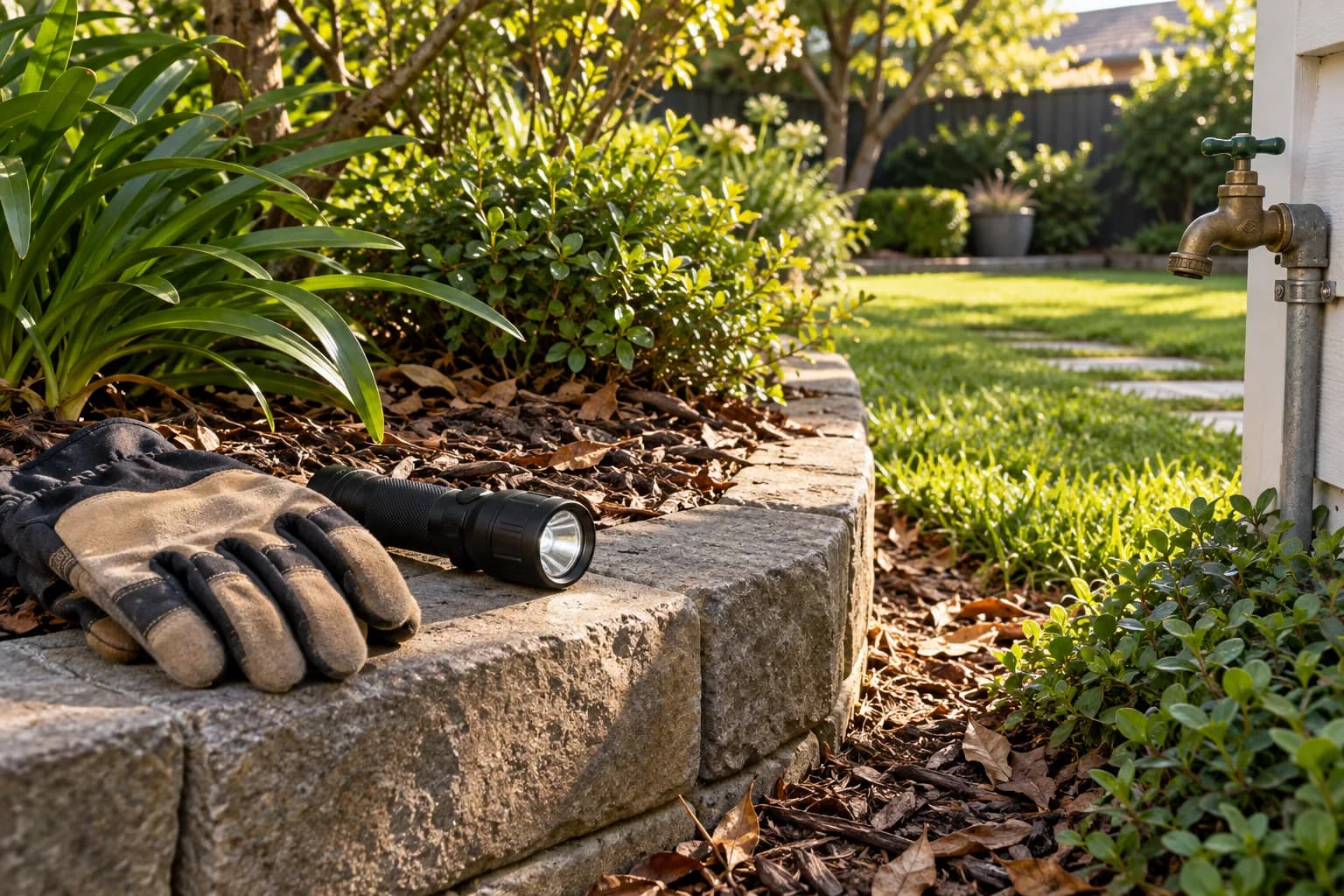 Dense shrubs against the house and a dripping hose bib give rodents cover and water. Trimming back and fixing drips makes the yard less inviting.
What should a rodent inspection in a Bolingbrook home cover?
Outside, the provider should walk the foundation, look under the deck and around sheds for burrows, check fence lines, and note food sources like bird feeders, compost and pet dishes. Then they should look at the garage: door seal, slab edges, the service door and gaps around utility lines. Inside, the focus is the basement, laundry room, kitchen and attic. Droppings, gnaw marks and rub marks reveal which routes rodents use. A good inspector will tell you whether you have mice, rats or both, and where each is getting in. Before you agree to anything, get a written plan. It should list each entry point to be sealed and the material, the number and type of traps or stations and where they go, any burrow treatment, and the number of follow-up visits. For a Bolingbrook yard with active burrows, ask how they will confirm the colony is gone. Expect the inspection to cover the whole property, not just the room where you saw a mouse.
What does rodent control look like for Bolingbrook restaurants and shops?
A restaurant, bakery or grocery in Bolingbrook, including the dining and retail around Promenade Bolingbrook, draws rodents with steady food waste, deliveries and back doors that open all day. One mouse spotted by a customer or a health inspector can cost more than a year of service. A commercial program usually includes scheduled inspections, exterior stations or traps around dumpsters and loading areas, interior traps in storage and prep rooms, and sealing of gaps around doors, pipes and drains. The most useful part is documentation: a service log, a map of every station and trap, and notes on what was found and fixed. Inspectors want to see those records. Ask the provider how often they will visit, what they do if activity picks up between visits, and whether they will coach staff on food storage and trash handling. Clean dumpster pads and tight-fitting back doors do as much as any trap. Food businesses carry higher stakes than homes.
Is a rodent problem in Illinois a health risk?
In the CDC's provisional count for 2025, Illinois reported one hantavirus case, one of the few states east of the Mississippi on the list. Hantavirus is carried by deer mice, and nationally the CDC has tallied 890 cases since 1993. The same CDC weekly data shows Illinois with 3 leptospirosis cases through early April 2025 and 1 in that window of 2026, and rats are a key urban reservoir for that disease. The numbers are small, but they explain why cleanup method matters. Never sweep or vacuum droppings. Open the space and let it air out for 30 minutes, wear gloves, soak droppings and nests with 1.5 cups of bleach per gallon of water for 5 minutes, then wipe up with paper towels. For Bolingbrook homes, the bigger everyday risks are contaminated food and chewed wiring. Seal, trap and clean, and see a doctor if you get sick after a rodent bite or cleanup. Rodents can spread disease, and Illinois has seen recent cases.
What affects the price
- The number of burrows and how far rat activity spreads across the yard.
- Whether a deck, shed or patio needs hardware cloth skirting to stop burrowing.
- How many gaps the house and garage have, especially at utility lines and door seals.
- The number of follow-up visits and station checks built into the plan.
- Whether the work covers only the house or also a detached shed and fence line.
- Cleanup of droppings and nests in garages, attics or crawlspaces.
📊
What's your biggest concern about rodents?
When to call for help
Call a provider as soon as you see a rat or a fresh burrow in your Bolingbrook yard. Rats are cautious and breed quickly, and a colony under a deck is rarely solved with one trap. For mice, call if you are still catching them after two to three weeks, if droppings show up on more than one floor, or if you hear activity inside walls you cannot reach. Food businesses should call at the first sign of droppings in storage or prep areas. Ask for an inspection report, a written plan and a clear number of return visits.
What you can do yourself
A pro can also install hardware cloth skirting around a deck or shed so rats cannot move back in. The trapping, burrow work and any bait use are usually better left to a licensed provider, especially with pets or kids in the yard, since rodenticide in the wrong spot can poison them. Removing food is something you can do today: take down bird feeders, move pet food inside and switch to a closed compost bin. They avoid new objects for a while, so traps may sit untouched, and burrows under slabs or decks are tough to reach. Rats are harder. Clean up with the CDC bleach method once activity stops. Seal gaps with steel wool and sealant, replace worn door sweeps and the garage door seal, set snap traps along walls, and check them daily. Mice are often DIY territory.
Rodents in Bolingbrook
Bolingbrook is a Chicago suburb of about 74,000 people, founded in 1965. In a suburban setting, rodent problems tend to travel along backyards, fence lines and shared green space, so one lot with an open compost pile or a busy bird feeder can support rats that visit several neighbors. A newer house is not a sealed house. Garage door seals wear out and every utility line leaves a gap where it meets the wall, which is why fall mouse trouble so often starts in the garage. With a median home value around $290,000, the cost of chewed wiring, soiled insulation or a burrow under a patio is worth heading off. At about 702 feet, with average humidity near 70%, the area stays damp enough in spring and fall to keep yards green and rodents well fed until the cold arrives. Retail and dining around Promenade Bolingbrook add a commercial layer, where tight dumpster lids and clean loading areas help keep rats from spreading.
Local research
Rodents in Bolingbrook, IL: what the public record shows
Before you compare quotes, it helps to know which rodents actually live in Illinois, when they are busiest around Bolingbrook, and what the state figures look like. Everything below links to the agency or university page it came from.
Leptospirosis cases (YTD 2026 vs 2025, week 13)
Chicago rat exposure.
CDC NNDSSRodent species recorded in Illinois
- House mouse (Mus musculus) — Enters at 1/4 inch; 5-10 litters per year; eats about 200 small meals a night.
- Norway rat (Rattus norvegicus) — Burrowing rat of basements, sewers and ground floors; tail shorter than head plus body.
When rodents are busiest around Bolingbrook
Fall entry; winter infestations. Upper Midwest and Northeast: mice in walls and garages all winter.
Based on Bolingbrook’s humid continental climate profile.
For context, nationally
- 1/4 inch (the width of a pencil) — Smallest gap a mouse can enter. CDC
- 890; 35% fatal; 94% west of the Mississippi — Hantavirus cases reported since 1993 (through 2023). CDC
Sources: CDC National Notifiable Diseases Surveillance System; CDC NNDSS; CDC; Pest Notes: House Mouse; Pest Notes: Rats. Figures are quoted as the source prints them. How we check our sources
Simple ways to keep rodents away
- Take bird feeders down for a few weeks if you see rats, and add a seed tray to catch spills afterward.
- Keep dog food, grass seed and bird seed in sealed metal containers in the garage.
- Use a closed compost bin rather than an open pile.
- Skirt decks and sheds with buried hardware cloth so rats cannot dig underneath.
- Keep garbage carts closed and rinse them now and then to cut odors.
- Pick up dog waste promptly, since rats will eat it.
- Seal gaps around utility lines and dryer vents before October.
- Replace worn sweeps on the garage service door and the door from the garage into the house.
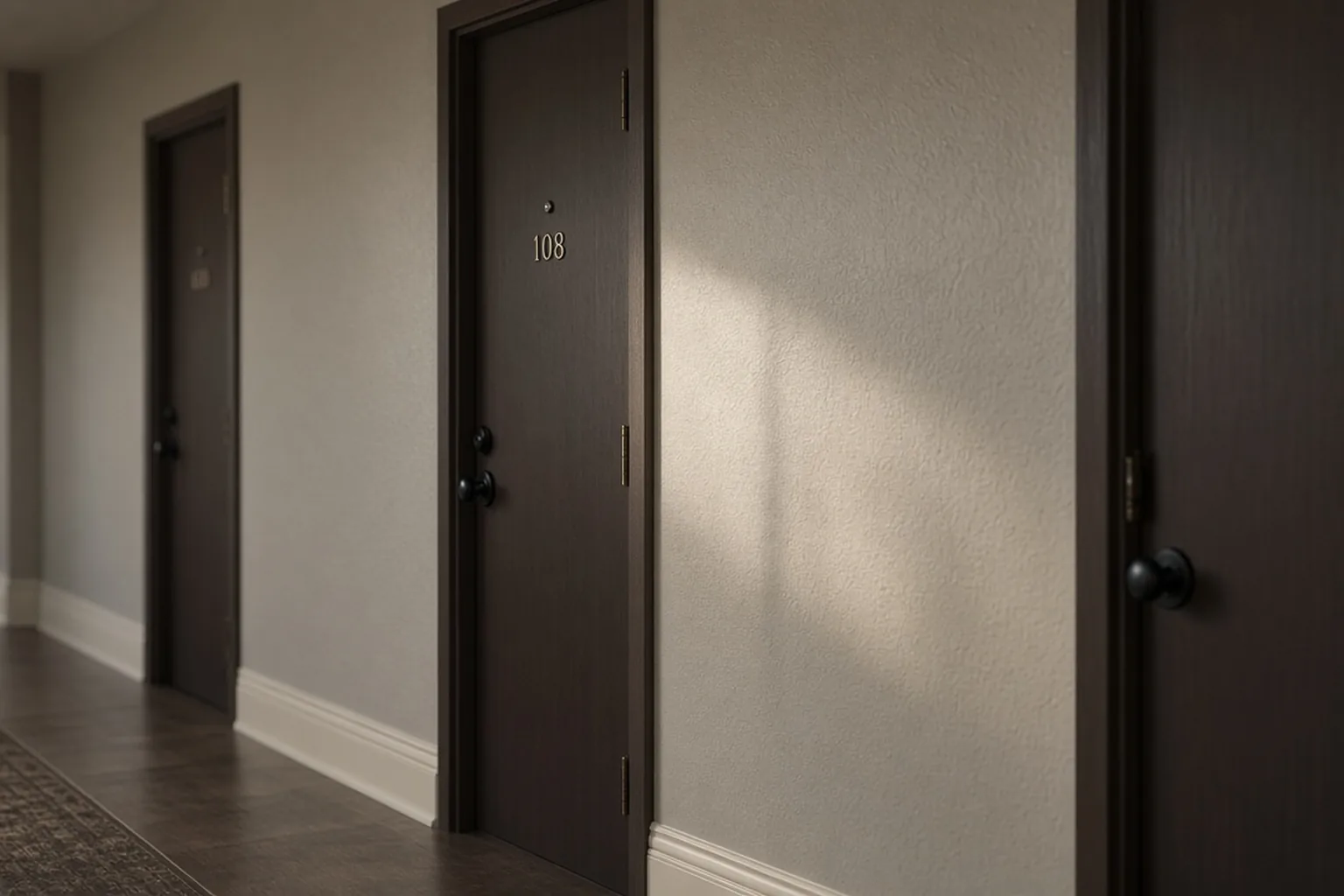 In a multi-unit building, mice move between apartments through shared walls and pipe chases, so treating one unit rarely solves it. Ask for a building-wide plan.
Did you know?
Puerto Rico reported 82 leptospirosis cases in the first 13 weeks of 2025, far more than the 22 among residents of the 50 states.
Roof rats, the climbing cousin of the Norway rat, can have 3 to 5 litters a year of up to 8 young.
About 35% of the 890 U.S. hantavirus cases reported from 1993 through 2023 were fatal.
Questions people ask
Why are there rats in my Bolingbrook backyard?
Usually food and cover. Bird seed, pet food, compost, gardens and garbage feed Norway rats, while decks, sheds and patios give them a dry place to burrow. Bolingbrook's 38 inches of yearly rain keeps soil soft enough to dig, and rats travel 100 to 500 feet from the nest, so the source may sit a few yards over.
When do mice try to get into Bolingbrook homes?
From late September through November, as temperatures drop. Winter lows near 17F make a heated garage or basement attractive, and once inside, mice keep breeding all winter. Seal gaps by early September and set a few traps along the garage wall in October to catch scouts before they settle in.
Is hantavirus a risk in Illinois?
It is rare but not zero. Illinois reported one hantavirus case in the CDC's provisional 2025 count, one of the few eastern states on that list. The disease is carried mainly by deer mice. Clean any droppings with gloves, a bleach solution and plenty of fresh air, and never sweep or vacuum them dry.
What is leptospirosis, and should I worry about it?
Leptospirosis is a bacterial disease spread through the urine of infected animals, and the CDC calls rats a key urban reservoir. Illinois reported 1 case through early April 2026 and 3 in the same stretch of 2025. Risk rises where rat urine mixes with standing water, so wear gloves when cleaning areas rats have used.
Should I put rat poison out in my yard?
Think twice. Loose bait can poison pets, wildlife and children, and rats that eat it can die under decks or inside walls. If bait is part of the plan for your Bolingbrook property, it should sit in locked, anchored stations placed by a licensed applicator, alongside trapping and food removal.
How long does it take to get rid of rats?
Plan on several weeks. Rats are wary of new objects, so it can take days before they approach traps, and a colony under a deck or shed holds several animals. Most plans combine food removal, trapping and burrow work, then monitoring. Ask the provider how many visits are included and how they will confirm the colony is gone.
Do newer homes get mice too?
Yes. Bolingbrook was founded in 1965, but a newer house is not automatically sealed, because mice need only a 1/4-inch gap. Garage door seals, utility openings, dryer vents and the seam where siding meets the foundation are common entry points in a house of any age. Check them every fall.
Nearby cities
Related guides
Sources (6)
The facts in this article come from the public sources listed above. Every home is different, so ask the company you talk to about pricing and what’s included. Published by Rodent Exterminator · Updated October 11, 2026 · How we write these guides