The short version
Rodent control in Clearwater, Florida is mostly a roof rat problem. These climbing rats nest in attics and fruit trees all year, and Florida health officials say they need only a quarter-sized hole. The fix is sealing those holes with steel mesh or galvanized metal, trapping the rats inside, and removing the fruit and clutter that feed them.
- Roof rats, also called fruit rats, lead Clearwater rodent problems.
- A roof rat can squeeze through a hole about the size of a quarter.
- Warm 53F winter lows mean rodents never take a season off here.
- Keep garage storage in sturdy bins at least 12 inches off the floor.
This guide is for Clearwater homeowners hearing noises overhead, residents with fruit trees in the yard, and condo owners or renters finding droppings in a garage or storage closet.
What to look for
Humidity around 74 percent and lush vegetation keep all three supplied year round. Norway rats burrow near trash and woodpiles, and house mice settle into kitchens. It nests in attics, palms and vines and runs along fences and power lines to reach soffits and roof vents. Here the roof rat does most of the damage. Florida's health department tracks three rodents around homes: the house mouse, the roof rat and the Norway rat, nicknamed the sewer rat.
- 1Thumping in the attic in the first hours after dark.
- 2Fruit hollowed out from one side while still on the tree.
- 3Spindle-shaped half-inch droppings along wall tops.
- 4Smudge marks along soffits and roof edges.
- 5Chewed insulation or AC ductwork in the attic.
Why it’s worth acting soon
- Roof rats breed at 2 to 3 months, so attic numbers climb fast.
- Chewed wires in an attic are a hidden fire hazard.
- Rats in ducts spread droppings and odor through the house.
- Gaps left open after trapping invite a new group in.
Treatment options and typical costs
Roofline exclusion
Quoted after inspection
The provider seals soffits, roof vents, AC line chases and roof joints with heavy-gauge steel wool, galvanized metal or steel mesh. Ask for photos of each sealed spot.
- Time
- Set once every opening is mapped
- Best for
- Any attic with roof rats
Attic trapping
Quoted after inspection
Snap traps along attic beams and runways, checked on a schedule until catches stop, so rats do not die in hidden spots.
- Time
- Until attic catches stop
- Best for
- Rats living in the attic
Exterior stations and yard work
Quoted after inspection
Tamper-resistant stations near fruit trees and trash areas, plus advice on trimming and fruit pickup, cut the number of rats trying the roof.
- Time
- Ongoing, on a schedule you agree to
- Best for
- Yards with fruit trees
Prices are typical published ranges. Ask what’s included before you compare quotes.
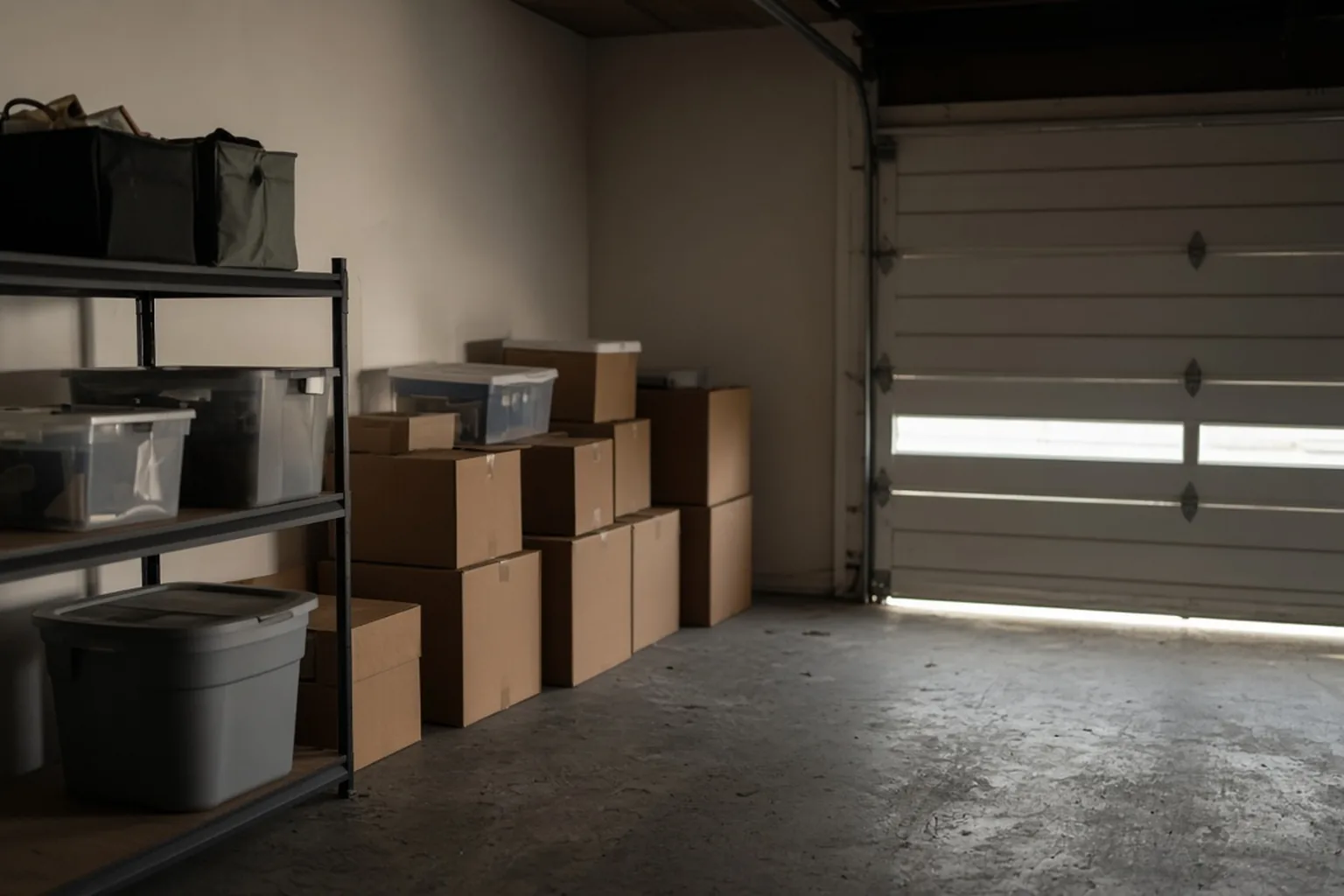 Cardboard boxes make easy nests and the gap under an overhead door makes an easy entrance. Plastic bins and a fresh door seal fix both.
Why do roof rats run Clearwater attics?
With winter lows around 53F there is food and shelter all year, so they move into attics not to survive winter but because an attic is dry and safe from predators. That is why rodent control here focuses on the roofline. Trapping removes the rats already there; sealing the openings and trimming the paths to them keeps new ones out. Roof rats are built for Clearwater. They are more comfortable on a power line or palm frond than on the ground, and they nest up high.
What should a provider check on a Clearwater home?
In the yard, fruit trees, palms and fences that bridge to the roof. In the garage, cardboard boxes, pet food and clutter on the floor. You should leave with a written plan listing openings to seal, trap locations and return visits. A thorough Clearwater inspection covers four zones. On the roofline: soffits, fascia, gable vents, AC line chases and the joints where rooflines meet. In the attic: droppings, chewed insulation, wiring damage and runways along beams.
 Fall is when rodents head indoors. Leaf piles against the foundation hide burrows and gaps, so clear them and walk the wall before the first cold snap.
How fast does an attic population come back?
So the order matters: find every way in, trap the rats inside, then seal once trapping shows the attic is clear. Recheck the roofline every few months and after storms, since catching a new gap early costs far less. Florida health officials report that roof rats can have up to 8 litters a year with 6 to 8 young each, and house mice produce 4 to 7 young about once a month. With no winter pause, an attic trapped out but left open can refill within the same season.
Sealing is the part that lasts in Clearwater.
A mouse fits through a gap the width of a pencil, and a rat through a quarter-sized hole, so the inspection should map every opening — around pipes, under doors, and where utilities enter. For Clearwater homes, FL, 51 inches of rain a year and 74% humidity keep exterior wood soft, so gaps open again seasonally and need re-checking. Traps and bait remove the rodents you have; sealing removes the ones that would come in next.
What rodent control costs in Clearwater.
For Clearwater homes, FL, the timing matters too — most activity starts in fall as 53°F winter lows push rodents indoors, which is when providers are busiest. Ask for the sealing and the trapping as separate line items, and what the re-service covers. Rodent control is priced by the size of the job: how many entry points need sealing, how much baiting and trapping the colony needs, and whether a cleanup is involved. A simple kitchen mouse job is at the low end; a multi-floor rat colony with a sanitation cleanup is at the high end.
What affects the price
- How many roofline openings need sealing.
- Roof height and pitch, which affect ladder time.
- Insulation or ductwork needing cleanup.
- The number of follow-up trap checks.
- Whether Norway rats or mice are present too.
📊
What's your biggest concern about rodents?
When to call for help
Call a provider as soon as you hear the attic at night, because roof rats in Clearwater do not leave on their own and can have up to 8 litters a year. Call too if you see half-eaten fruit or chewed wires. Roofline sealing usually needs a tall ladder and real experience with soffits and vents, which is the part most people hand off.
What you can do yourself
The ground is yours. Pick up fallen fruit, trim branches and vines away from the roof, and move garage storage into metal or heavy plastic bins kept 12 inches up, as Florida health guidance suggests. Snap traps can handle a few garage mice. The roofline is where DIY gets hard in Clearwater: finding every quarter-sized gap and sealing it with metal, not foam, takes ladders and practice.
Rodents in Clearwater
Clearwater sits at about 30 feet of elevation, with summers near 91F and roughly 51 inches of rain a year that keep yards green and give rodents water and cover. Known for its beaches and the Clearwater Marine Aquarium, it is an urban city of about 117,000, founded in 1888. With a median home value around $335,000, roof rat damage to wiring, ductwork and insulation is a real cost. Activity runs all year here, with a noticeable surge in fall. In Clearwater, comparing a couple of written quotes side by side is the easiest way to see what is actually included, because the scope, prep steps, and follow-up terms vary a lot between providers. Most providers include a follow-up visit in the plan, but the terms differ, so ask exactly what is covered and for how long before you decide.
Local research
Rodents in Clearwater, FL: what the public record shows
Before you compare quotes, it helps to know which rodents actually live in Florida, when they are busiest around Clearwater, and what the state figures look like. Everything below links to the agency or university page it came from.
Rodent species recorded in Florida
- House mouse (Mus musculus) — Enters at 1/4 inch; 5-10 litters per year; eats about 200 small meals a night.
- Norway rat (Rattus norvegicus) — Burrowing rat of basements, sewers and ground floors; tail shorter than head plus body.
- Roof rat (Rattus rattus) — Climber of attics and trees in warm and coastal regions; tail longer than head plus body.
When rodents are busiest around Clearwater
Roof rats stay active in attics and fruit trees year-round in Florida's climate.
Florida DOH guidance: store food and feed in metal or heavy plastic containers and keep stored material at least 12 inches off the ground.
For context, nationally
- 1/4 inch (the width of a pencil) — Smallest gap a mouse can enter. CDC
- 890; 35% fatal; 94% west of the Mississippi — Hantavirus cases reported since 1993 (through 2023). CDC
Sources: Florida Department of Health in Gadsden County; CDC; Pest Notes: House Mouse; Pest Notes: Rats. Figures are quoted as the source prints them. How we check our sources
Simple ways to keep rodents away
- Pick up fallen fruit daily and harvest ripe fruit promptly.
- Trim palms and vines so they do not touch the roof.
- Seal openings with steel mesh or galvanized metal, never foam alone.
- Store pet food and birdseed in metal or heavy plastic containers.
- Cover gable vents with sturdy metal screening.
- Check the roofline after storms for loose soffit panels.
 Before you call, sketch where you have seen droppings or heard noise and measure any gaps you found. It makes the first visit faster and the quotes comparable.
Did you know?
A house mouse body runs only 3 to 4 inches, with a tail about as long again.
The CDC counts murine typhus among diseases rodents spread through fleas rather than direct contact.
Roof rats typically have 3 to 5 litters of up to 8 young, per UC IPM.
Questions people ask
What rodent is in my attic in Clearwater?
Most often a roof rat, which Florida health officials also call the fruit rat. It is slim and dark, with a tail longer than its body, and climbs trees and power lines. For Clearwater homes, attic noise at night is the classic sign.
How small of a hole can a roof rat get through?
About the size of a quarter, according to Florida health guidance, and the CDC says a mouse needs just 1/4 inch. That is why soffits, vents and roof joints need sealing with metal or steel mesh.
Do rodents go away in winter in Florida?
No. For Clearwater homes, winter lows average around 53F, which is not cold enough to slow rodents. Roof rats stay active in attics and fruit trees all year, though many homeowners notice a jump in fall.
What diseases do rats carry in Florida?
Florida health officials tie rodents to hantavirus, leptospirosis, plague, rat bite fever, salmonella and typhus, with leptospirosis and typhus mattering most in warm, wet cities. Clean droppings by soaking them with bleach, never by sweeping.
Do fruit trees attract rats?
Yes. Roof rats feed on citrus and other fruit and often nest in dense trees. Pick up fallen fruit daily and trim branches off the roof, which cuts both the food supply and the path to your attic.
Nearby cities
Related guides
Sources (6)
The facts in this article come from the public sources listed above. Every home is different, so ask the company you talk to about pricing and what’s included. Published by Rodent Exterminator · Updated October 11, 2026 · How we write these guides