The short version
Across St. Petersburg, the rodent most homes fight is the roof rat, which Florida health officials also call the fruit rat. It lives in attics, palms and fruit trees all year, since winter lows only reach about 53F. Lasting control means sealing every quarter-sized hole with galvanized metal or steel mesh, trapping in the attic, and removing fruit and stored food.
- Roof rats dominate St. Petersburg attics and stay active in every season.
- Florida DOH says a roof rat needs a hole only the size of a quarter.
- Roof rats can have up to 8 litters a year, so attic populations rebound fast.
- Seal with heavy-gauge steel wool, galvanized metal or steel mesh, not foam.
- Store food and feed in metal or heavy plastic, at least 12 inches off the ground.
Petersburg homeowners hearing scratching overhead, renters finding droppings in a kitchen cabinet, landlords handling rodent complaints between tenants, and anyone with mango, citrus or avocado trees that keep losing fruit at night. It also helps vacation-rental and second-home owners who are not around to notice early signs. This is for St.
What to look for
Florida's Department of Health tracks three structural rodents: the house mouse, the roof rat, often called the fruit rat, and the Norway rat, also known as the sewer rat. Across St. Petersburg, roof rats cause most of the trouble. They are slender, dark and excellent climbers, living in attics, palms, dense vines and fruit trees and traveling along fences and utility lines. Florida DOH reports roof rats can have up to 8 litters a year with 6 to 8 young each, and they become sexually active at 2 to 3 months. That pace lets an attic population rebuild within a single season if entry points stay open. The climate keeps them going. Winter lows average around 53F, so roof rats breed year-round. Humidity near 74% and roughly 50 inches of rain a year keep water and lush vegetation close to homes. Many people notice a fall surge as rats move from yards into attics. Norway rats burrow near foundations and sewers. House mice, small with tails about as long as their 3 to 4 inch bodies, nest in walls and cabinets and have 4 to 7 young about once a month.
- 1Running, scratching or gnawing in the attic, most often in the first hours after sunset.
- 2Half-eaten mangoes, citrus or avocados on the tree or scattered underneath it.
- 3Spindle-shaped droppings on attic insulation, in the garage or along the top of a fence.
- 4Dark rub marks where palm fronds, branches or wires touch the roofline.
- 5Chewed AC ductwork or wiring found during an attic check.
- 6Burrow holes near the foundation or under slabs, which point to Norway rats.
- 7Small droppings in kitchen drawers or under the sink from house mice.
Why it’s worth acting soon
- Roof rats chew wiring and AC ducts in attics, which can lead to costly repairs.
- Attic populations rebuild quickly, with up to 8 litters a year.
- Urine and droppings in insulation may require full removal and replacement.
- Florida DOH links rodents to leptospirosis, typhus and salmonella, among other diseases.
- Rats can move from your attic to neighboring homes through shared trees and lines.
Treatment options and typical costs
Roofline exclusion
Quoted after inspection
Sealing every gap at the roofline, soffits, vents, plumbing stacks and where pipes and wires enter. Florida DOH recommends heavy-gauge steel wool, galvanized metal or steel mesh, since a roof rat needs only a quarter-sized hole. Across St. Petersburg, this is usually the most important step.
- Time
- One to two days
- Best for
- Roof rats in attics
Attic trapping
Quoted after inspection
Snap traps placed along rat runways in the attic and on beams, checked on a schedule. Trapping removes rats that are already inside after sealing. Expect several visits, since roof rats are cautious around new objects.
- Time
- Two to four weeks
- Best for
- Active roof rats inside the attic or walls
Exterior station program
Quoted after inspection
Locked bait stations or traps along fences, near fruit trees and dense vegetation. Ask the provider what product is used, where stations will go and how pets and wildlife are protected.
- Time
- Monthly or quarterly
- Best for
- Ongoing outdoor pressure from yards and neighbors
Attic sanitation
Quoted after inspection
Removing droppings, nests and contaminated insulation, disinfecting surfaces and sometimes replacing insulation. Worth considering after a long-running roof rat problem.
- Time
- One to three days
- Best for
- Attics with heavy contamination
Prices are typical published ranges. Ask what’s included before you compare quotes.
 Crawl spaces are where rats and mice get comfortable. Vent screens, the sill plate and any gap around pipes are worth a careful look.
Fruit rats: what Florida calls roof rats and why it matters.
Petersburg the nickname fits. Roof rats feed heavily on fruit, nuts and seeds, and backyard mangoes, citrus and avocados are easy meals. They are also climbers. Roof rats prefer to live above ground in palms, vines and trees, and they travel along fences, branches and power lines to reach rooflines. From there, they enter attics through small gaps at soffits, vents and where pipes or wires enter. That combination makes fruit trees near the house a major risk factor. A tree that touches the roof is both a food source and a bridge. To reduce fruit rat pressure, pick fruit as it ripens and clean up fallen fruit at least twice a week. Trim branches and palm fronds so they do not touch the roof. Thin dense vines on fences and walls. These steps make your yard less attractive and help any attic treatment last. Florida health officials often call the roof rat the fruit rat, and in St.
Sealing a St. Petersburg roofline against quarter-sized holes.
Ask for photos of each sealed spot and the materials used, so you know the job was done right. On a typical St. Petersburg home, there can be many such gaps along soffits, roof vents, plumbing stacks, gable vents and where utility lines enter. Materials matter. Florida DOH recommends heavy-gauge steel wool, galvanized metal or steel mesh. Expanding foam or caulk alone is easy for rats to chew through and should not be the only material used. A thorough sealing job starts with a full inspection of the roofline, inside and out. From the attic, look for daylight and droppings near gaps. From outside, check soffit edges, vent screens, roof-to-wall joints and areas where trees touch the roof. After sealing, traps in the attic remove rats that were already inside. Some providers leave one-way doors briefly so rats can leave before final sealing.
 Fall is when rodents head indoors. Leaf piles against the foundation hide burrows and gaps, so clear them and walk the wall before the first cold snap.
Why attic rat numbers bounce back so fast.
Regular monitoring, especially in fall when activity surges, helps catch problems early. Many St. Petersburg homeowners trap a few rats, enjoy a quiet attic for a while, and then hear them again. Roof rat biology explains it. In a climate where winter lows average around 53F, breeding barely slows. That means a few survivors in the attic, or new rats coming in through open gaps, can rebuild the population within a season. To stop the cycle, combine sealing and trapping. Seal every entry point with durable materials so no new rats get in. Then trap thoroughly inside until activity stops, and keep checking for a few weeks after. Yard work matters too. If fruit trees, palms and vines still provide food and access, new rats will keep testing your roofline.
Leptospirosis, typhus and other health risks in a wet city.
For heavy attic contamination, consider professional cleanup. Florida's Department of Health links rodents to several diseases: hantavirus, leptospirosis, plague, rat bite fever, salmonella and typhus. In warm, wet urban places like St. Petersburg, leptospirosis and typhus matter most. Leptospirosis spreads through water or soil contaminated with urine from infected animals, including rats. With about 50 inches of rain a year, puddles and wet soil are common, and pets can be exposed too. Typhus is linked to fleas that feed on rats. To lower risk, avoid contact with standing water where rats are active, keep pets on flea control and ask your vet about leptospirosis vaccination for dogs. When cleaning droppings, follow CDC steps. Open the space and let air move through for 30 minutes. Wear gloves. Wet the droppings thoroughly with a bleach solution of 1.5 cups per gallon, give it five minutes, and then wipe. Do not sweep or vacuum.
When a rodent problem in St. Petersburg is urgent.
Act right away if you find chewed wiring or AC ductwork. In St. Petersburg summers, with highs near 91F, an AC failure is more than an inconvenience, and chewed wires raise fire risk. Move quickly if you smell a dead rodent. Heat and 74% humidity speed decay, and the smell spreads through attics and walls fast. Call promptly if rats are seen inside living areas, near food prep or around children. Florida DOH links rodents to several diseases, and droppings near food are a real concern. Take care after heavy rain or flooding. Rats displaced from burrows and sewers may move into garages and ground floors. For vacation rentals and second homes, ask a neighbor or manager to check for signs regularly, since problems can grow unnoticed. Anything else can usually wait for a regular appointment, but book it within the week, because a roof rat colony adds litters even while you wait. Most rodent problems can wait a few days for a scheduled visit, but some need faster attention.
What affects the price
- Number of roofline gaps, soffit openings and vents to seal.
- Roof style and height, since two-story and complex roofs take longer.
- Attic size and how much insulation is contaminated.
- Fruit trees, palms and vines near the house that need trimming or treatment.
- Whether Norway rats or mice are also present.
- Follow-up visits and ongoing monitoring included.
📊
What's your biggest concern about rodents?
When to call for help
Across St. Petersburg, call quickly if you notice chewed AC lines or smell a dead rodent, since heat and humidity make both worse fast. Call a pro if you hear rats in the attic more than a night or two, find droppings in more than one area, or see rats on fences, palms or the roof. Roof rats enter high, avoid new objects and rebuild fast, so a few traps in the garage rarely solve the problem. A provider can seal the roofline with the right materials, trap inside the attic and check for damage to wiring and ducts.
What you can do yourself
Some St. Petersburg rodent work is DIY-friendly. Pick fruit promptly and clean up what falls. Trim palm fronds and branches away from the roof. Store food and pet food in metal or heavy plastic containers, and keep stored items at least 12 inches off the ground, as Florida DOH suggests. For a house mouse or two, snap traps along walls and sealing small gaps usually work. Roof rats in the attic are harder. Finding every quarter-sized gap along soffits, vents and roof edges takes ladder work and a practiced eye. Foam alone does not stop rats; Florida DOH recommends heavy-gauge steel wool, galvanized metal or steel mesh. Trapping in a hot attic is uncomfortable and needs regular checks. A provider can handle roofline sealing and attic trapping together, which is usually what ends the problem. You can save money by handling the yard work yourself.
Rodents in St. Petersburg
Yards with palms, fruit trees and dense plantings give rats food and travel routes to rooflines. With median home values around $375,000, many homeowners want to protect attics, roofs and AC systems from chewing damage. Florida's Department of Health guidance on rodents, which names the roof rat as the fruit rat, applies directly to St. Petersburg homes. Nearby Tampa, Clearwater and Sarasota face similar roof rat pressure. St. Petersburg, the Sunshine City, was founded in 1888 and now has about 261,000 residents. It is known for its beaches and the Dali Museum, and it sits at about 44 feet of elevation. The humid subtropical climate brings summer highs near 91F, winter lows around 53F, 74% humidity and about 50 inches of rain a year. That warmth and moisture let roof rats breed and stay active all year, with a fall surge into attics.
Local research
Rodents in St. Petersburg, FL: what the public record shows
Before you compare quotes, it helps to know which rodents actually live in Florida, when they are busiest around St. Petersburg, and what the state figures look like. Everything below links to the agency or university page it came from.
Rodent species recorded in Florida
- House mouse (Mus musculus) — Enters at 1/4 inch; 5-10 litters per year; eats about 200 small meals a night.
- Norway rat (Rattus norvegicus) — Burrowing rat of basements, sewers and ground floors; tail shorter than head plus body.
- Roof rat (Rattus rattus) — Climber of attics and trees in warm and coastal regions; tail longer than head plus body.
When rodents are busiest around St. Petersburg
Roof rats stay active in attics and fruit trees year-round in Florida's climate.
Florida DOH guidance: store food and feed in metal or heavy plastic containers and keep stored material at least 12 inches off the ground.
For context, nationally
- 1/4 inch (the width of a pencil) — Smallest gap a mouse can enter. CDC
- 890; 35% fatal; 94% west of the Mississippi — Hantavirus cases reported since 1993 (through 2023). CDC
Sources: Florida Department of Health in Gadsden County; CDC; Pest Notes: House Mouse; Pest Notes: Rats. Figures are quoted as the source prints them. How we check our sources
Simple ways to keep rodents away
- Pick ripe fruit quickly and clear fallen fruit at least twice a week.
- Trim palm fronds, branches and vines so they do not touch the roof.
- Seal gaps the size of a quarter with galvanized metal, steel mesh or heavy-gauge steel wool.
- Store food and pet food in metal or heavy plastic containers.
- Keep stored items at least 12 inches off the ground in garages and sheds.
- Cover attic vents with metal mesh and check soffits for gaps.
- Keep trash in lidded cans and do not leave pet food outside overnight.
- Check the attic every few months for droppings or chewed wiring.
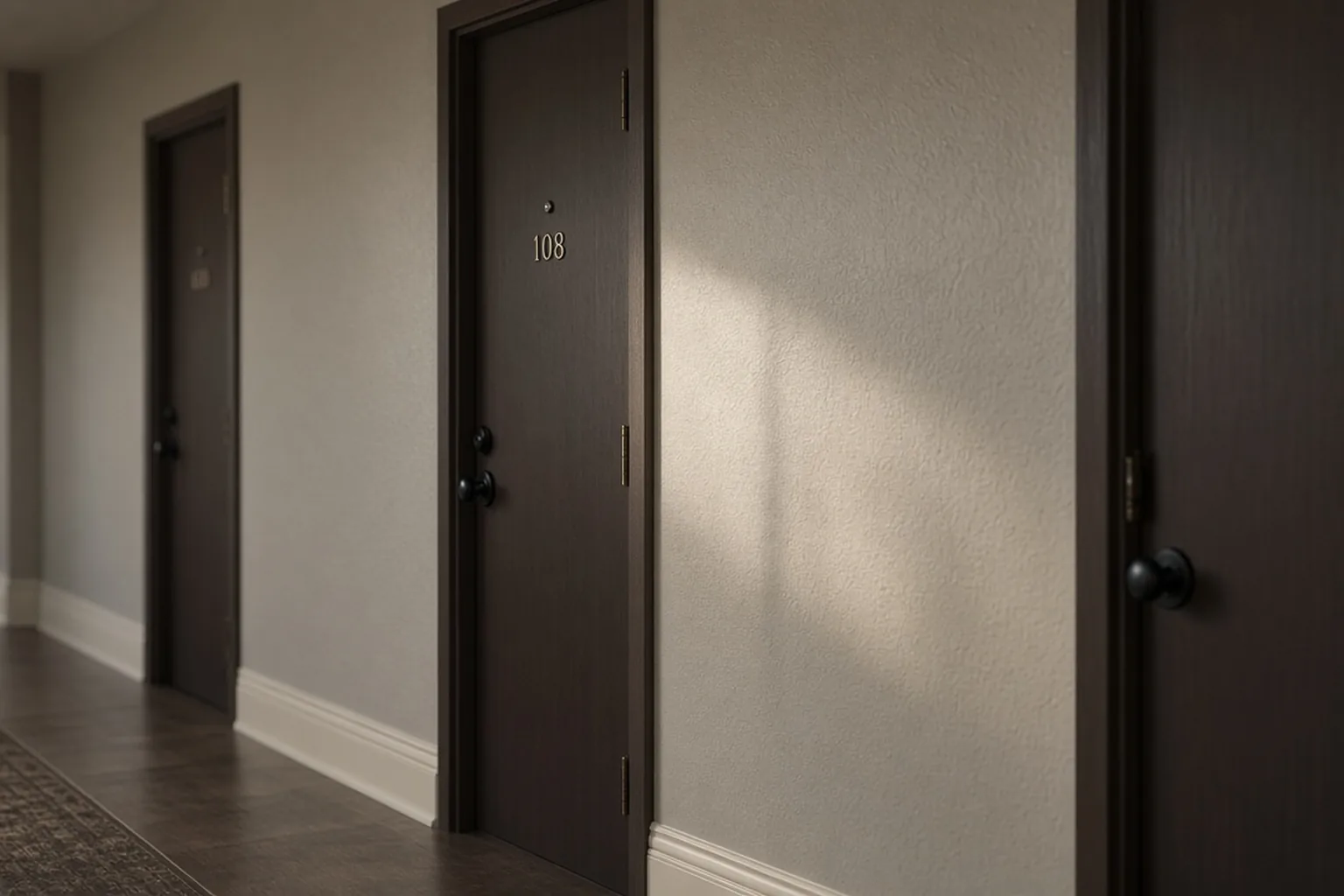 In a multi-unit building, mice move between apartments through shared walls and pipe chases, so treating one unit rarely solves it. Ask for a building-wide plan.
Did you know?
A house mouse's body runs only 3 to 4 inches, with a tail about as long again.
Florida health officials list typhus among the diseases tied to rodents, along with leptospirosis and rat bite fever.
U.S. human plague cases cluster in the West, with an average of about seven a year nationwide.
Questions people ask
What kind of rats are in St. Petersburg attics?
They are slender, dark climbers that travel along trees, palms and power lines. Norway rats, or sewer rats, live lower down in burrows and sewers. Most rats in St. Petersburg attics are roof rats, which Florida health officials also call fruit rats.
Why are they called fruit rats?
Petersburg yards, mangoes, citrus and avocados are common targets, and rats often eat the fruit right on the branch. Picking fruit promptly and clearing fallen fruit cuts off a major food source. Roof rats feed heavily on fruit, which is why Floridians often call them fruit rats. In St.
How small a hole can a roof rat use?
Seal openings with heavy-gauge steel wool, galvanized metal or steel mesh. Foam alone is easy for rats to chew through, so it should not be used by itself. Florida DOH says a roof rat can get through a hole about the size of a quarter.
When are rats most active in St. Petersburg?
Many residents notice a surge in fall, when rats move from yards into attics. Heavy summer rain, which helps push the city toward 50 inches a year, can also drive rodents toward buildings. Roof rats are active year-round in St. Petersburg because winter lows average about 53F.
How fast do roof rats multiply?
Florida DOH reports roof rats can have up to 8 litters a year, with 6 to 8 young each, and become sexually active at 2 to 3 months. An attic population can rebuild within one season if entry points are left open.
Can rats make you sick in Florida?
In warm, wet places like St. Petersburg, leptospirosis and typhus matter most. Clean droppings with bleach solution, wear gloves, and never sweep or vacuum them dry. Yes. Florida DOH ties rodents to hantavirus, leptospirosis, plague, rat bite fever, salmonella and typhus.
Should I store things on the garage floor?
In a humid St. Petersburg garage, raised shelving also keeps boxes drier, removes hiding spots and makes droppings easier to spot. Better not. Florida DOH recommends keeping stored materials at least 12 inches off the ground and storing food and feed in metal or heavy plastic containers.
Nearby cities
Related guides
Sources (6)
The facts in this article come from the public sources listed above. Every home is different, so ask the company you talk to about pricing and what’s included. Published by Rodent Exterminator · Updated October 11, 2026 · How we write these guides