The short version
Around Gainesville, Florida, the rodent most homes battle is the roof rat, which nests in attics and fruit trees all year. Florida health officials say a roof rat needs only a quarter-sized hole and can have up to eight litters a year. Control means sealing those holes with steel wool, galvanized metal or steel mesh, then trapping the rats already inside.
- Roof rats, called fruit rats in Florida, rule Gainesville attics.
- A quarter-sized hole is enough for a roof rat.
- Winter lows near 43 degrees let rats breed every season.
- Keep stored food and feed 12 inches off the ground.
This guide is for Gainesville homeowners hearing attic noises, renters finding droppings in the kitchen, and landlords. It also fits anyone with fruit trees, chicken feed or bird seed in the yard, since those pull roof rats closer.
What to look for
Florida health officials track three structural rodents: the house mouse, the roof rat and the Norway rat, also called the sewer rat. In Gainesville the roof rat leads. It climbs trees and utility lines to the roof and slips in through any quarter-sized opening. Its young breed by two to three months old, and with summer highs near 91 and winter lows around 43, nothing slows that cycle.
- 1Running noises in the attic after dark, often above bedrooms.
- 2Hollowed fruit still hanging on backyard trees.
- 3Spindle-shaped droppings on attic insulation or along rafters.
- 4Chewed wires or AC duct insulation in the attic.
- 5Small droppings behind the refrigerator, a house mouse sign.
Why it’s worth acting soon
- Up to eight litters a year means an attic colony grows fast.
- Florida officials tie rodents to leptospirosis, rat bite fever, salmonella and typhus.
- Gnawed AC ducts and wiring cause electrical trouble and higher bills.
- Urine-soaked insulation usually has to be replaced.
43%Southern homeowners reporting any past rodent encounter, 2022 Harris Poll for NPMA (lifetime, not a yearly rate)NPMA and The Harris Poll Treatment options and typical costs
Roofline exclusion
Quoted after inspection
Openings down to quarter size get heavy-gauge steel wool, galvanized metal or steel mesh, per Florida health guidance, including roof returns, soffits, gable vents and AC line gaps.
- Time
- One or two visits
- Best for
- Roof rats entering the attic
Attic trapping program
Quoted after inspection
Snap traps go along rafters and near entry points with fresh droppings. Roof rats are wary of new objects, so several scheduled checks beat a single setup.
- Time
- Two to four weeks
- Best for
- Rats already inside
Attic sanitation and insulation replacement
Quoted after inspection
Nests and droppings come out by wet cleaning, and soiled insulation is bagged and replaced. It can cost more than the pest work, so ask for a separate line.
- Time
- One to two days
- Best for
- Attics with months of activity
Prices are typical published ranges. Ask what’s included before you compare quotes.
 Under the sink is the first place to check: the hole where the pipe passes through the cabinet back is often cut much bigger than the pipe.
Why do Gainesville roof rats keep coming back?
Ask any provider for a photo list of each entry point and the material used, then hold them to it. The guidance is specific on materials: heavy-gauge steel wool, galvanized metal or steel mesh, because foam and wood get chewed. Common culprits include roof returns, damaged soffit vents, plumbing vent boots and the space around AC lines. Roof rats return to Gainesville attics when an opening is missed, and Florida health guidance says a quarter-sized hole is enough.
Fruit trees, feeders and the rats that follow them.
Pick fruit as it ripens, trim branches back, and store feed in metal or heavy plastic, kept 12 inches off the ground as Florida health officials advise. Spilled seed and bagged chicken feed do the same job. A fruit tree near a Gainesville house works like a ladder and a pantry: rats feed in the canopy at night, then run branches to the roof. In Florida the roof rat is also called the fruit rat, and the name tells you where to look.
 This is what a proper seal looks like: metal mesh fastened with screws and sealed at the edges. Foam or caulk on its own gets chewed through.
How a Gainesville rodent plan unfolds, step by step.
In Gainesville's 74 percent humidity, a damp, soiled attic holds odors, so ask whether insulation replacement is in the quote. Trapping then runs on a schedule, and cleanup comes last. Sealing follows, though some companies trap first and seal once activity drops, so ask which order they use. Inspection comes first and should be slow, since a roof rat fits through a quarter-sized hole. A typical rodent plan runs a few weeks.
Sealing is the part that lasts in Gainesville.
Around Gainesville, FL, 50 inches of rain a year and 74% humidity keep exterior wood soft, so gaps open again seasonally and need re-checking. A mouse fits through a gap the width of a pencil, and a rat through a quarter-sized hole, so the inspection should map every opening — around pipes, under doors, and where utilities enter. Traps and bait remove the rodents you have; sealing removes the ones that would come in next.
What rodent control costs in Gainesville.
Ask for the sealing and the trapping as separate line items, and what the re-service covers. Around Gainesville, FL, the timing matters too — most activity starts in fall as 43°F winter lows push rodents indoors, which is when providers are busiest. A simple kitchen mouse job is at the low end; a multi-floor rat colony with a sanitation cleanup is at the high end. Rodent control is priced by the size of the job: how many entry points need sealing, how much baiting and trapping the colony needs, and whether a cleanup is involved.
What affects the price
- Quarter-sized or larger openings along the roofline and vents.
- Roof height and pitch, which set ladder time.
- Whether all three rodent species are present.
- How much attic insulation needs replacing.
- Tree trimming needed to cut off roof access.
📊
What's your biggest concern about rodents?
When to call for help
Call a professional as soon as you hear rats in the attic, since every week adds young that will breed in turn. Around Gainesville, where winters are too mild to slow them, a small spring colony can fill an attic by fall. Ask the provider to list each opening found and the material that will seal it.
What you can do yourself
DIY can handle a kitchen mouse or a single rat in the garage, using snap traps and the steel mesh Florida health officials recommend. Where it struggles in Gainesville is the roof rat attic: openings can be anywhere on the roofline, and roof work in 91-degree heat is risky. A fair split is handling fruit, trimming and storage yourself while hiring out the roofline sealing.
Rodents in Gainesville
With a median home value around $265,000, attic insulation and AC ducts are worth protecting. At around 151 feet of elevation the city is inland, yet still warm and wet enough that leptospirosis deserves attention. Average humidity of 74 percent and about 50 inches of rain a year keep trees and vines thick, giving rats food and cover near the house. Summer highs reach about 91 degrees and winter lows stay near 43, so rats breed year-round. Gainesville was founded in 1853 and is best known for the University of Florida and Gators football, with about 141,000 people in an urban layout. In Gainesville, comparing a couple of written quotes side by side is the easiest way to see what is actually included, because the scope, prep steps, and follow-up terms vary a lot between providers. Most providers include a follow-up visit in the plan, but the terms differ, so ask exactly what is covered and for how long before you decide.
Local research
Rodents in Gainesville, FL: what the public record shows
Before you compare quotes, it helps to know which rodents actually live in Florida, when they are busiest around Gainesville, and what the state figures look like. Everything below links to the agency or university page it came from.
Rodent species recorded in Florida
- House mouse (Mus musculus) — Enters at 1/4 inch; 5-10 litters per year; eats about 200 small meals a night.
- Norway rat (Rattus norvegicus) — Burrowing rat of basements, sewers and ground floors; tail shorter than head plus body.
- Roof rat (Rattus rattus) — Climber of attics and trees in warm and coastal regions; tail longer than head plus body.
When rodents are busiest around Gainesville
Roof rats stay active in attics and fruit trees year-round in Florida's climate.
Florida DOH guidance: store food and feed in metal or heavy plastic containers and keep stored material at least 12 inches off the ground.
For context, nationally
- 1/4 inch (the width of a pencil) — Smallest gap a mouse can enter. CDC
- 890; 35% fatal; 94% west of the Mississippi — Hantavirus cases reported since 1993 (through 2023). CDC
Sources: Florida Department of Health in Gadsden County; CDC; Pest Notes: House Mouse; Pest Notes: Rats. Figures are quoted as the source prints them. How we check our sources
Simple ways to keep rodents away
- Trim limbs and vines several feet back from the roof.
- Pick ripe and fallen fruit daily, since roof rats feed at night.
- Store chicken feed and bird seed in metal or heavy plastic.
- Keep stored items in sheds at least 12 inches off the ground.
- Fix AC condensate drips that give rats a water source.
- Check the attic for fresh droppings each spring and fall.
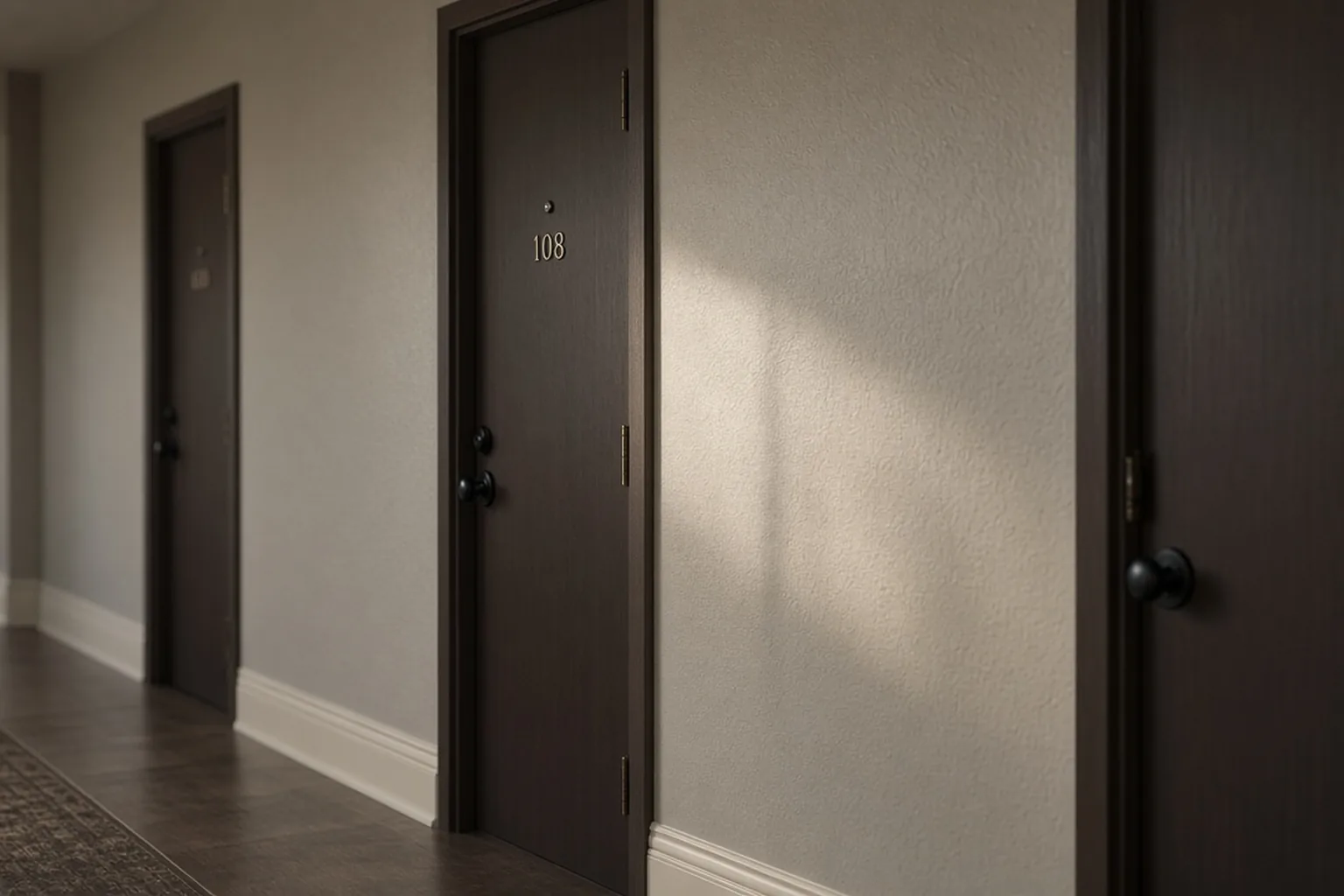 In a multi-unit building, mice move between apartments through shared walls and pipe chases, so treating one unit rarely solves it. Ask for a building-wide plan.
Did you know?
A house mouse measures 3 to 4 inches in body length, with a tail about as long again.
House mice have four to seven young about once a month.
Florida health officials list six rodent-linked illnesses, from hantavirus and plague to typhus.
Questions people ask
Why are roof rats called fruit rats in Gainesville?
Florida health officials use fruit rat as another name for the roof rat because it feeds heavily in fruit trees. In Gainesville yards, roof rats hollow out fruit at night, then follow branches to the roof.
Do roof rats stay active in winter in Gainesville?
Activity often rises in fall, but there is no season when you can ignore them. Gainesville winter lows average around 43 degrees, mild enough that roof rats keep breeding through the cooler months. Yes.
How quickly can a rat problem grow?
A few rats can become dozens in one season. Florida health officials report up to eight roof rat litters a year with six to eight young each, and those young breed at two to three months. Fast.
What should renters do about roof rats?
Report it to your landlord in writing, with dates and where you saw droppings. Roof rats usually enter at the roofline, which only the owner can seal, so ask what the plan is and keep food in sealed containers.
How do I clean rat droppings out of an attic?
Ventilate the attic for 30 minutes, then soak droppings and nests with 1.5 cups of bleach per gallon of water for five minutes and wipe up with gloves. The CDC says never sweep or vacuum droppings.
Nearby cities
Related guides
Sources (6)
The facts in this article come from the public sources listed above. Every home is different, so ask the company you talk to about pricing and what’s included. Published by Rodent Exterminator · Updated October 11, 2026 · How we write these guides