The short version
Rodent control in Eagan, Minnesota is mainly about house mice, which push into garages and walls in fall and stay through winters that average 7F at night. Seal any gap a pencil fits into, trap along walls, and handle deer mice in sheds and garages with care, since Minnesota health officials say deer mice, not house mice, carry hantavirus.
- House mice are the main indoor rodent here, while deer mice turn up in garages and sheds.
- The Minnesota Department of Health test is simple: if a pencil fits a gap, a mouse fits too.
- With 7F winter lows, mice that get in by November usually stay until April.
- Mouse droppings and urine are a recognized asthma trigger, so indoor cleanup matters.
- Never sweep droppings in a closed garage or shed; air it out and soak them first.
This guide is for Eagan homeowners, townhome owners and renters who have found droppings in the garage, heard scratching in a wall, or caught a mouse in the pantry. It also helps households with asthma or allergies, and facility managers responsible for offices and shared buildings who need a plan that holds up through winter.
What to look for
Minnesota's structural rodent is the house mouse, and Eagan follows that pattern. House mice are small and gray-brown with a tail the same color all the way around, and they nest inside walls, under appliances, in stored boxes and in garage clutter. Deer mice look similar but have white bellies and feet and a tail that is dark on top and pale below, and they favor garages, sheds and outbuildings. Norway rats are present in the state too, burrowing outdoors near food, though state guidance treats the house mouse as the main problem inside homes. The climate makes the indoor season unusually long. Summers reach about 83F, so mice live comfortably outdoors, but winter lows average 7F, a cold that small mammals cannot ride out in the open. That sends mice indoors from September on, and they stay well into spring. Around 70% average humidity and steady summer rain keep grass and shrubs thick, giving mice cover right up to the foundation until frost knocks it down.
- 1Black or brown droppings about the size of a grain of rice, the sign MDH tells people to look for.
- 2Gnawed holes in grass seed, birdseed or dog food bags in the garage.
- 3Nests of shredded paper, insulation or fabric in storage bins or under the hood of a parked car.
- 4Scratching in walls or ceilings that is loudest on the coldest nights.
- 5Tiny tracks in fresh snow leading to a gap at the foundation or under the garage door.
- 6A stale, musky smell in a closet, cabinet or storage room.
Why it’s worth acting soon
- Mice that move in during fall can raise several litters before spring arrives.
- MDH counts mouse droppings and urine among asthma triggers, so a winter-long infestation affects indoor air.
- Mice chew car wiring in garages, which can lead to expensive repairs.
- Disturbing deer mouse nests in a closed shed or garage can expose you to hantavirus.
- Gnawed house wiring is a fire risk, and nests in insulation cut its ability to hold heat.
49%U.S. homeowners in a September 2022 Harris Poll for NPMA who said they had ever encountered rodents at home (lifetime, not a yearly rate)NPMA / The Harris Poll, 2022 Treatment options and typical costs
Fall exclusion
Quoted after inspection
Before cold weather, a provider inspects the foundation, siding, rim joist, garage and utility penetrations and seals every gap a pencil can fit through, using steel wool, hardware cloth, metal flashing and sealant. Done in September or October, it prevents most winter infestations.
- Time
- Depends on how many gaps pass the pencil test
- Best for
- Homes that get mice every fall
Winter trapping program
Quoted after inspection
Snap traps or enclosed traps set along walls in garages, utility rooms, kitchens and storage spaces, checked on a schedule and moved based on captures. Through a long Minnesota winter, regular checks keep a small problem from becoming a breeding colony.
- Time
- Through the season, until checks stay empty
- Best for
- Mice already living inside
Garage and outbuilding cleanup
Quoted after inspection
Deer mouse and house mouse nests in garages, sheds and cabins are removed using wet methods: ventilate, soak with diluted bleach, wait, then wipe up and bag. Stored items may be cleaned or discarded. This suits anyone who would rather not handle deer mouse droppings personally.
- Time
- Scheduled once the mice are gone
- Best for
- Sheds, detached garages and seasonal buildings
Commercial monitoring
Quoted after inspection
Office buildings and campuses with cafeterias, loading docks and break rooms often use regular service visits with monitoring stations, trap checks and written records. Ask what the provider monitors, how often, and how they report findings.
- Time
- Ongoing on a set service schedule
- Best for
- Offices, corporate campuses and shared buildings
Prices are typical published ranges. Ask what’s included before you compare quotes.
 Rats can travel plumbing, so a sink or floor drain with a missing strainer is worth fixing; a tight strainer or grate keeps them out.
House mouse or deer mouse: which one is in your Eagan home?
If you have house mice, the job is sealing and trapping inside the home, and the cleanup risk is mainly allergens and food contamination. If you have deer mice, follow the wet cleanup method and do not sweep or vacuum. A trapped animal, a clear photo or a provider's inspection will. Both leave black or brown droppings about the size of a grain of rice, so droppings alone will not settle it. Around Eagan, they turn up most often in garages, sheds, cabins and stored boats or campers. Deer mice are brown on top with crisp white bellies and feet, larger eyes and ears, and a two-toned tail. They live in your living space: kitchen cabinets, wall voids, behind the dryer and in the garage. House mice are gray-brown all over with a tail the same color top and bottom. The Minnesota Department of Health states that house mice do not carry hantavirus, while deer mice do, so knowing which one you have changes how carefully you clean up. The difference is more than cosmetic.
Why the garage is the front door for Eagan mice.
Then change what you store. Check where the garage wall meets the house foundation, around the water heater vent if it is in the garage, and wherever wires or pipes pass into the living space. Replace the bottom seal if it is stiff or torn, and add brush or rubber seals along the side jambs. Start your sealing here. Once inside, mice find birdseed, grass seed, pet food and cardboard boxes to nest in, and from there they follow pipes and wiring into the house. Garage doors take a beating from cold and snow, bottom seals crack and pull away, and the gap at each corner is often wide enough to pass the MDH pencil test. If your Eagan home has an attached garage, that is the likeliest place for mice to get in first. A few snap traps along the walls work as an early warning system all winter. Move seed and pet food into metal cans with tight lids, get boxes off the floor and onto shelves, and keep the door shut on cold evenings.
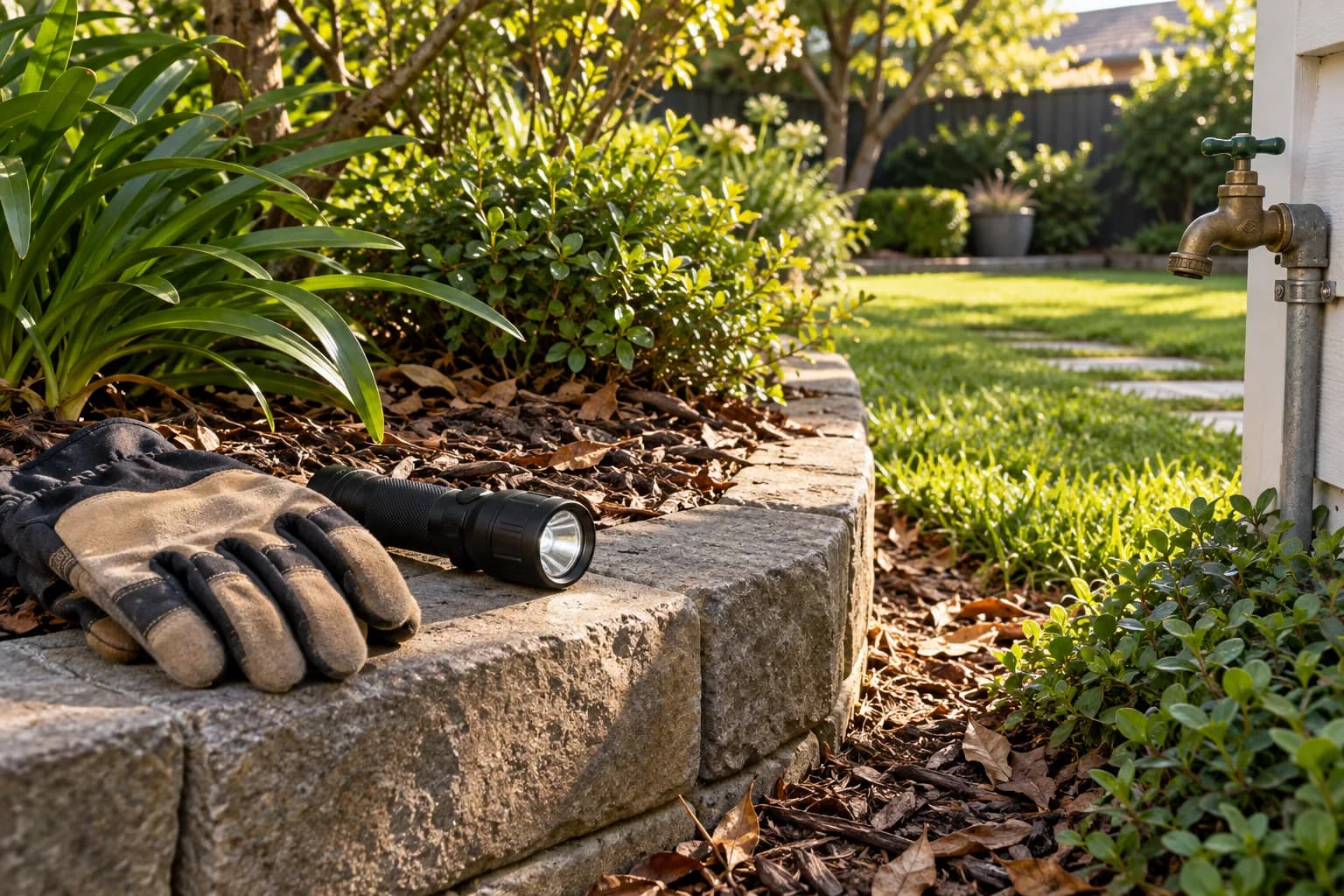 Dense shrubs against the house and a dripping hose bib give rodents cover and water. Trimming back and fixing drips makes the yard less inviting.
Mice and asthma: what Minnesota health officials say.
Change HVAC filters after a cleanup. That means wet cleaning hard surfaces with diluted bleach, washing bedding or fabric that mice reached, and throwing out chewed food packaging. Seal and trap quickly, and clean thoroughly once the mice are gone. If someone at home has asthma, treat mice as a health problem as well as a nuisance. A small infestation in October can mean months of exposure by spring. With winter lows averaging 7F, windows stay shut and the furnace runs for months, so any allergens mice produce stay indoors. This matters more in Eagan than in milder places. Their droppings, urine and dander break down into household dust, and breathing that dust can set off symptoms in sensitive people, especially children. The Minnesota Department of Health includes mice and rats on its list of indoor asthma triggers. Finding them early is the easiest way to keep exposure low. Look for MDH's key sign: black or brown droppings about the size of rice grains in drawers, cabinets and corners.
Rodent control for offices and corporate campuses.
Ask the provider what they monitor, how often, and how quickly they respond when activity shows up. Commercial programs usually include an initial inspection, sealing around dock doors and utility penetrations, monitoring stations inside and outside, and scheduled service visits with written records. When cold weather hits, mice that lived in planting beds around parking lots look for the same way in that they would at a house. Large buildings have loading docks, cafeterias, break rooms, mechanical rooms and long runs of utility chases, all of which give mice food, warmth and places to travel unseen. Eagan's corporate campuses bring a different kind of rodent work. If employees report droppings, treat them as a signal to check nearby entry points rather than a reason to set out more bait. For facility managers, the biggest wins are often simple: dock door seals in good shape, food waste in sealed containers, break room food kept off desks and counters, and doors kept closed in fall.
A season-by-season plan for a 7F winter.
In April and May, check sheds and cabins before you clean them out, since deer mice may have spent the winter there. Shovel snow away from the foundation so you can spot fresh tracks. Keep trapping, watch for droppings in drawers and cabinets, and listen for scratching on cold nights. From December through March, mice that got in are nesting and breeding. Clean up spilled seed and keep the garage door closed. Put snap traps along garage walls and in the utility room as an early warning, and check them often. In October and November, mice start moving in. This is the cheapest and most effective step of the year. Use the pencil test on the foundation, siding, garage and vents, and replace worn door seals. In August and September, inspect and seal. Eagan's rodent year follows the weather closely, and a simple plan lines up with it. Summer, with highs around 83F, is a good time to repair gaps you found during winter. Air them out and use wet cleanup.
What affects the price
- How many entry points turn up around garage doors, utility lines and the sill plate.
- Whether attached garages, detached garages or sheds need their own sealing.
- The amount of contaminated insulation or stored belongings to clean or discard.
- Snow and frozen ground, which can delay some outdoor sealing until spring.
- Trap checks through a winter season that can run from November into April.
- Commercial accounts that need scheduled visits and written records.
📊
What's your biggest concern about rodents?
When to call for help
Call for help when mice keep turning up after a few weeks of sealing and trapping, when you find activity on more than one level, or when someone in the house has asthma and you want the problem handled quickly. Deer mouse nests in a garage, shed or cabin are another good reason, since that cleanup has to be done carefully. Around Eagan, early fall is the best time to call, before the cold locks mice inside and snow makes outdoor sealing harder. Ask the provider to show you each entry point and explain how it will be closed.
What you can do yourself
Do-it-yourself control works for mice in plenty of Eagan homes, as long as you seal as well as trap. Use the MDH pencil test: walk the outside of the house and the garage, and any gap a pencil slips into gets steel wool and caulk, or hardware cloth over vents. Set snap traps along walls where you see droppings, trigger side against the baseboard, and keep them going until you go two weeks without a catch. Professionals earn their fee on the hard parts. Gaps under siding, at the rim joist and where the garage meets the house are easy to miss, and one missed gap can mean mice all winter. Deer mice in outbuildings call for careful cleanup that some people would rather hand off. Rats, though less common than mice here, belong with a pro. And if someone at home has asthma, a faster and more complete result may be worth the cost.
Rodents in Eagan
With about 30 inches of precipitation a year, some of it falling as snow, the outdoor season for rodents is short and the indoor season is long. Shrub beds and lawn edges on suburban lots give mice a staging area right beside the house each fall. With a median home value near $360,000, damage to wiring, insulation and stored belongings is worth preventing rather than repairing. Eagan is a suburban city of about 69,000 people in the Twin Cities area, sitting around 935 feet above sea level. Founded in 1860, it is known today for its corporate campuses as much as its neighborhoods, and that mix matters: office buildings, cafeterias and loading docks need their own rodent plans, separate from homes. The humid continental climate brings warm summers and winters cold enough that mice treat any heated building as a lifeline.
Local research
Rodents in Eagan, MN: what the public record shows
Before you compare quotes, it helps to know which rodents actually live in Minnesota, when they are busiest around Eagan, and what the state figures look like. Everything below links to the agency or university page it came from.
Hantavirus cases likely acquired in Minnesota since 1999
Plus one resident infected in the western US; Minnesota rodents are far less likely to carry the virus.
Minnesota Department of HealthWhich mouse carries hantavirus here
Minnesota Department of Health states plainly that the house mouse does not carry hantavirus.
Minnesota Department of HealthRodent species recorded in Minnesota
- House mouse (Mus musculus) — Enters at 1/4 inch; 5-10 litters per year; eats about 200 small meals a night.
- Norway rat (Rattus norvegicus) — Burrowing rat of basements, sewers and ground floors; tail shorter than head plus body.
- Deer mouse (Peromyscus maniculatus) — Primary U.S. hantavirus carrier; lives throughout Washington and the interior West.
When rodents are busiest around Eagan
Fall entry; winter infestations. Upper Midwest and Northeast: mice in walls and garages all winter.
Based on Eagan’s humid continental climate profile.
In Minnesota the house mouse is the structural problem; the deer mouse is the rural cabin and outbuilding problem.
For context, nationally
- 1/4 inch (the width of a pencil) — Smallest gap a mouse can enter. CDC
- 890; 35% fatal; 94% west of the Mississippi — Hantavirus cases reported since 1993 (through 2023). CDC
Sources: Minnesota Department of Health; CDC; Pest Notes: House Mouse; Pest Notes: Rats; Hantavirus. Figures are quoted as the source prints them. How we check our sources
Simple ways to keep rodents away
- Do the pencil test on your foundation, siding and garage in September and seal every gap that passes.
- Replace the garage door bottom seal and add brush seals along the side jambs.
- Keep the garage door closed, especially on cold fall evenings.
- Store birdseed, grass seed and pet food in metal cans with tight lids.
- Cut back shrubs and tall grass along the foundation before winter.
- Keep snow cleared from the base of the house so fresh tracks and holes stay visible.
- Pack steel wool around pipes and wires where they enter, then caulk over it.
- Shelve garage storage in lidded bins rather than cardboard boxes on the floor.
 Shared basements and utility rooms are where rodent problems in rentals usually start. Landlords should walk them each fall and after every tenant turnover.
Did you know?
California, Arizona and Colorado together accounted for 9 of the 17 provisional U.S. hantavirus cases reported for 2025.
Minnesota health officials treat mice and rats as an indoor asthma trigger worth inspecting for, a real problem pest.
Leptospirosis, which rats can spread through urine, logged 22 cases in U.S. states in the first 13 weeks of 2025 and 21 in the same stretch of 2026.
Questions people ask
When do mice come inside in Eagan?
Usually from September through November, as nights get colder ahead of winters that average 7F at the low. Around Eagan, mice that get in during fall often stay until April, so sealing gaps in September and trapping early is far easier than chasing an established population in January.
Do house mice carry hantavirus in Minnesota?
Around Eagan, deer mice are most likely in garages, sheds and cabins. If you find their nests, air out the space and soak droppings with diluted bleach before cleaning, and never sweep them. No. The Minnesota Department of Health states that the house mouse does not carry hantavirus, while the deer mouse does.
How can I tell a deer mouse from a house mouse?
House mice are gray-brown all over, with an evenly colored tail. Deer mice usually stay in outbuildings, while house mice move into living space. Look at the belly and tail. Deer mice have white undersides and feet and a tail that is sharply dark on top and white below.
Can mice make asthma worse?
In a closed-up Eagan home during a long winter, that exposure builds week after week. Trapping, sealing and careful wet cleanup all bring it down. Yes. The Minnesota Department of Health lists mice and rats as an asthma trigger, because droppings, urine and dander end up in household dust.
How small a gap can a mouse use?
That covers gaps around pipes, dryer vents, cable lines and the corners of garage doors. Check these spots in early fall, before snow and frozen ground make outdoor sealing harder in Eagan. MDH puts it simply: if a pencil fits, a mouse fits.
Are rats a problem in Eagan?
Norway rats live in Minnesota and can show up near compost, birdseed and trash, but state guidance treats the house mouse as the main structural rodent. If you find larger droppings, burrows by the foundation or gnaw holes much wider than a pencil, have a provider confirm the species. Less often than mice.
Should I use poison for mice in winter?
A poisoned mouse often dies inside a wall, and with Eagan homes shut tight for months, the odor has nowhere to go. Snap traps along walls let you remove each mouse and see whether the numbers are actually dropping. Traps are usually the better choice.
Do I need to clean the garage after mice?
The CDC says to ventilate for 30 minutes, soak droppings and nests with one part bleach to nine parts water for five minutes, then wipe up with paper towels. Throw out chewed bags of seed or pet food, and move what is left into lidded bins. Yes, and do it wet.
Nearby cities
Related guides
Sources (6)
The facts in this article come from the public sources listed above. Every home is different, so ask the company you talk to about pricing and what’s included. Published by Rodent Exterminator · Updated October 11, 2026 · How we write these guides