The short version
Rodent control in Elizabeth, New Jersey mostly means Norway rats and house mice, with the heaviest push indoors from September through November. The fix is sealing gaps of 1/4 inch or more, trapping along runways, and cutting off food and water. Hire a company whose applicators hold New Jersey's category 7A license for general and household pest control.
- Norway rats and house mice are Elizabeth's two main rodents.
- Indoor activity climbs from September through November.
- Rodent work falls under New Jersey's category 7A license.
- Hantavirus has not been reported in New Jersey.
This guide is for Elizabeth homeowners finding droppings in the kitchen or basement, tenants hearing rats in shared walls, and landlords or shop owners who need a plan. It also helps anyone checking credentials before signing.
What to look for
Two rodents dominate in Elizabeth. Norway rats are heavy diggers that burrow along foundations, under steps and beside trash areas, then work into basements. House mice nest in walls and cabinets and fit through gaps about the width of a pencil. At roughly 16 feet of elevation with about 48 inches of rain a year, soil stays damp, which suits burrowing rats.
- 1Fresh burrow openings with packed dirt near the foundation or stoop.
- 2Gnaw marks on the bottom corners of basement doors.
- 3Dark droppings along basement walls or near floor drains.
- 4Small droppings in kitchen drawers, a house mouse sign.
- 5Greasy rub marks where rodents run the same route nightly.
Why it’s worth acting soon
- Norway rats have four to six litters a year, per University of California IPM.
- Gnawed wiring and pipes often hide inside walls.
- Leptospirosis, spread through rat urine, tops a CDC list of direct rodent diseases.
- Burrows by the foundation let water and soil wash under steps.
53%Northeastern homeowners who have ever encountered rodents, NPMA and Harris Poll survey, September 2022NPMA and The Harris Poll 37%Homeowners with a past rodent encounter who spotted them in the kitchen, 2022 NPMA and Harris PollNPMA and The Harris Poll Treatment options and typical costs
Exclusion and foundation sealing
Quoted after inspection
Gaps around pipes, basement windows, vents and door bottoms get hardware cloth, flashing and packed steel wool, and foundation burrows are closed once activity stops.
- Time
- One or two visits
- Best for
- Recurring fall entry
Interior and exterior trapping
Quoted after inspection
Snap traps go on runways in basements, crawl spaces and garages and near outdoor burrows. Rats avoid new objects, so expect several checks over a few weeks.
- Time
- Two to four weeks
- Best for
- Rodents already inside
Locked exterior bait stations
Quoted after inspection
Anchored stations around the outside cut rat pressure from surrounding lots. Ask what product is used and how often a 7A-licensed applicator services them.
- Time
- Ongoing, often monthly
- Best for
- Buildings with heavy outside pressure
Prices are typical published ranges. Ask what’s included before you compare quotes.
 Rats can travel plumbing, so a sink or floor drain with a missing strainer is worth fixing; a tight strainer or grate keeps them out.
How to check that an Elizabeth rodent company is properly licensed.
Before anyone applies pesticides in your Elizabeth home, ask for their New Jersey applicator license and check for category 7A, General and Household Pest Control. Rutgers' training program notes that the NJDEP has certified applicators since 1975, and new commercial applicators complete 40 hours of on-the-job training per category. Commercial licenses last one year, with 8 Core and 16 category credits due every five years. Ask who will actually do the work and get that license number in writing.
Norway rats in a low-lying city: why Elizabeth's elevation matters.
Norway rats thrive where soil is soft and damp, and Elizabeth fits that description at about 16 feet above sea level with roughly 48 inches of rain a year. After heavy rain, flooded burrows push rats toward drier basements and crawl spaces. Wet urban ground matters for health too, since leptospirosis travels through water or soil tainted with rat urine. Fix leaks, clear standing water by the foundation, and ask any provider to check the whole perimeter for burrows.
 A metal vent cover with a working flap keeps mice out all winter. Plastic flaps crack in the cold and get chewed open.
Why one apartment cannot fix a building-wide rodent problem.
Rodents treat a building as one big space, moving through wall voids, pipe chases and shared basements. Trapping in one unit while the neighbor does nothing usually just moves the problem around. In an Elizabeth rental, report droppings in writing with dates and locations, and ask the owner to have a 7A-licensed company inspect every unit, the basement and the trash area. A mouse in one kitchen in October can reach every unit by midwinter.
Sealing is the part that lasts in Elizabeth.
Traps and bait remove the rodents you have; sealing removes the ones that would come in next. A mouse fits through a gap the width of a pencil, and a rat through a quarter-sized hole, so the inspection should map every opening — around pipes, under doors, and where utilities enter. In Elizabeth, NJ, 48 inches of rain a year and 64% humidity keep exterior wood soft, so gaps open again seasonally and need re-checking.
What rodent control costs in Elizabeth.
Rodent control is priced by the size of the job: how many entry points need sealing, how much baiting and trapping the colony needs, and whether a cleanup is involved. A simple kitchen mouse job is at the low end; a multi-floor rat colony with a sanitation cleanup is at the high end. In Elizabeth, NJ, the timing matters too — most activity starts in fall as 26°F winter lows push rodents indoors, which is when providers are busiest. Ask for the sealing and the trapping as separate line items, and what the re-service covers.
What affects the price
- Entry points around the foundation, pipes and utility lines.
- Norway rat burrows that add exterior work.
- Shared walls, which widen the area to cover.
- Basement and crawl space access.
- How many follow-up visits are included.
📊
What's your biggest concern about rodents?
When to call for help
Call a professional for Norway rat burrows near your building, droppings in more than one room, or mice that keep showing up after two weeks of trapping. In an Elizabeth building with shared walls, call early. Before hiring, ask whether the person doing the work holds a New Jersey 7A license, and get the entry points in writing.
What you can do yourself
For a house mouse or two, DIY works: snap traps behind the stove and under the sink, plus steel wool around pipe gaps. Norway rats are different. They are cautious, dig outside and range across neighboring lots, so a few basement traps rarely end it. In a dense city like Elizabeth the source may be next door, which is where a licensed perimeter inspection pays off.
Rodents in Elizabeth
Elizabeth was founded in 1664, and about 136,000 people now live in its dense urban layout, which lets Norway rats and house mice move easily between buildings and yards. The city sits only about 16 feet above sea level, and roughly 48 inches of rain a year keeps drainage areas damp. Summer highs near 85 keep rodents outdoors, while winter lows around 26 drive them in. Known for Port Newark and its retail hub, the city has plenty of commercial trash for rats to feed on. With a median home value near $360,000, basements and wiring are worth protecting.
Local research
Rodents in Elizabeth, NJ: what the public record shows
Before you compare quotes, it helps to know which rodents actually live in New Jersey, when they are busiest around Elizabeth, and what the state figures look like. Everything below links to the agency or university page it came from.
Hantavirus in New Jersey
The state health department still lists rodent infestation in and around the home as the primary exposure risk.
New Jersey Department of HealthRodent species recorded in New Jersey
- House mouse (Mus musculus) — Enters at 1/4 inch; 5-10 litters per year; eats about 200 small meals a night.
- Norway rat (Rattus norvegicus) — Burrowing rat of basements, sewers and ground floors; tail shorter than head plus body.
When rodents are busiest around Elizabeth
Fall entry (Sept-Nov). Norway rats and house mice move indoors as temperatures drop.
Based on Elizabeth’s humid subtropical climate profile.
New Jersey's commercial pesticide program began in 1975 under the NJDEP Bureau of Licensing and Registrations; applicants pass a Core exam then add categories such as 7A.
Rules that apply in New Jersey
For context, nationally
- 1/4 inch (the width of a pencil) — Smallest gap a mouse can enter. CDC
- 890; 35% fatal; 94% west of the Mississippi — Hantavirus cases reported since 1993 (through 2023). CDC
Sources: New Jersey Department of Health; Rutgers Pest Management Office, Rutgers, The State University of New Jersey; CDC; Pest Notes: House Mouse; Pest Notes: Rats. Figures are quoted as the source prints them. How we check our sources
Simple ways to keep rodents away
- Use metal trash cans with tight lids, kept off bare soil.
- Seal basement pipe gaps with steel wool and sealant.
- Install door sweeps on basement and exterior doors before September.
- Fix dripping outdoor faucets and clear standing water by the foundation.
- Rack lumber and stored materials off the ground.
- Report burrows on shared property to the owner quickly.
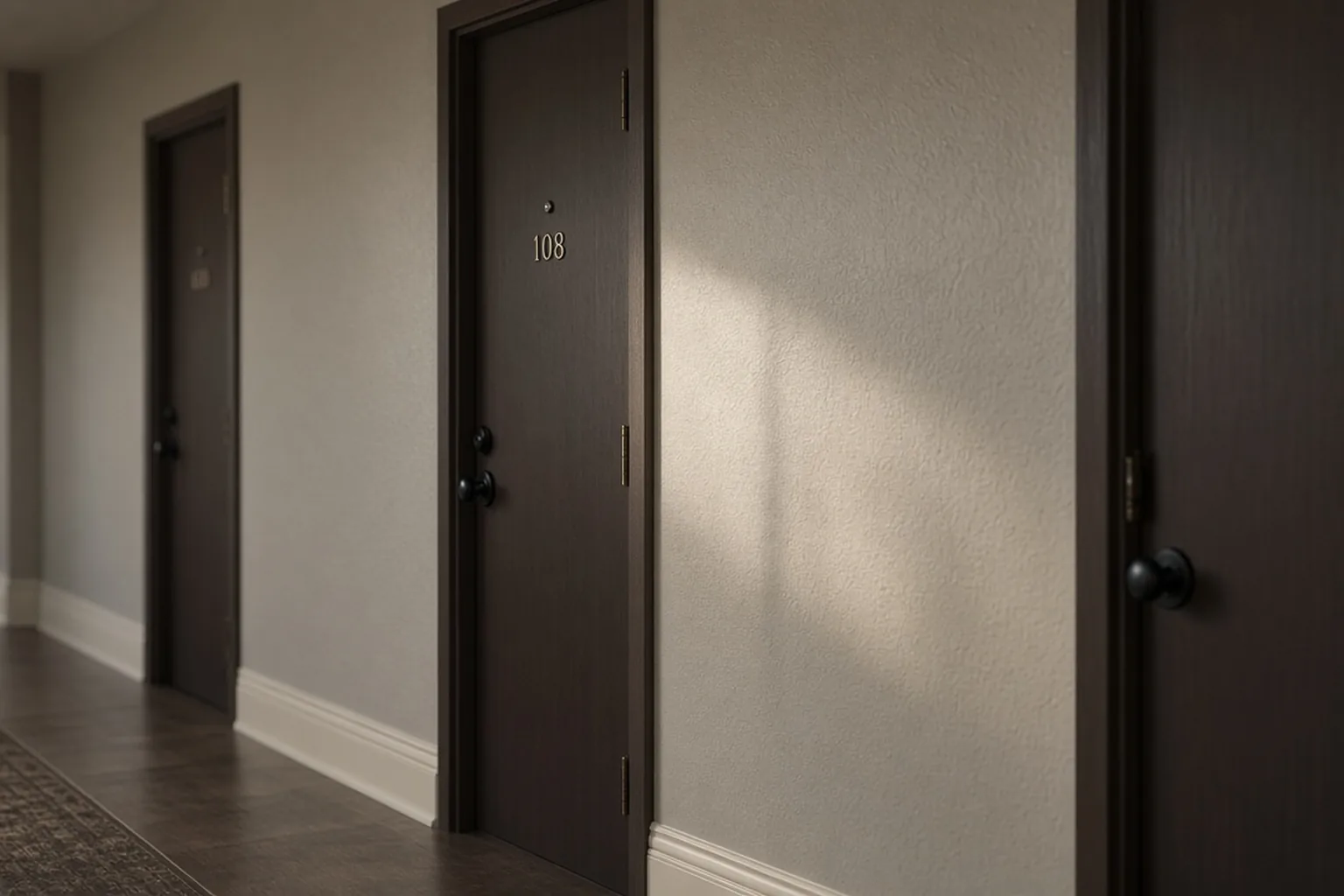 In a multi-unit building, mice move between apartments through shared walls and pipe chases, so treating one unit rarely solves it. Ask for a building-wide plan.
Did you know?
A New Jersey commercial pesticide license is valid for one year, and applicants pass a Core exam before adding categories such as 7A.
Puerto Rico reported 46 leptospirosis cases in the first 13 weeks of 2026, against 21 across US states.
Rodents also spread plague, Lyme disease and murine typhus indirectly, through the ticks and fleas they carry.
Questions people ask
When do rats and mice move into Elizabeth homes?
Mostly from September through November, as temperatures drop across New Jersey. In Elizabeth, with winter lows near 26 degrees, a heated basement or wall void is the obvious shelter, so seal gaps in August.
How do I know a rodent company is licensed in New Jersey?
Ask for the applicator's New Jersey pesticide license and confirm it covers category 7A. The NJDEP Pesticide Control Program requires 40 hours of on-the-job training per category, and the commercial license renews every year.
Is hantavirus a risk in Elizabeth?
Hantavirus has not been reported in New Jersey, according to the state Department of Health. It still names rodent infestations around the home as the main exposure risk, so Elizabeth households should wet-clean droppings rather than sweep.
Why do rats keep coming back after trapping?
Usually an entry point is still open or the colony lives on a neighboring lot. Trapping removes the rats inside, but sealing stops new ones, so ask the provider to check shared fences and trash areas too.
How should I clean up rat droppings safely?
Ventilate for 30 minutes, then drench the droppings with 1.5 cups of bleach per gallon of water and wait five minutes. Lift them out with gloves and paper towels. The CDC says never sweep or vacuum.
Nearby cities
Related guides
Sources (6)
The facts in this article come from the public sources listed above. Every home is different, so ask the company you talk to about pricing and what’s included. Published by Rodent Exterminator · Updated October 11, 2026 · How we write these guides