The short version
Rodent control in Fort Lauderdale, FL is a year-round job, because roof rats stay active in attics, palms and fruit trees through every month. Florida health officials say a roof rat needs a hole the size of a quarter and can have up to 8 litters a year, so sealing with steel mesh or galvanized metal matters more than any bait.
- Roof rats, also called fruit rats, are the main structural rodent in Fort Lauderdale.
- With 59F winter lows, there is no off-season; rats breed year-round.
- A quarter-sized hole is enough for a roof rat, per Florida health officials.
- Seal with heavy steel wool, steel mesh or galvanized metal, not foam.
- Heavy rain and flooding raise leptospirosis concerns around Norway rats.
This guide is for Fort Lauderdale homeowners hearing noises in the attic, condo and apartment residents finding droppings, owners of canal-front homes with docks and seawalls, and anyone with fruit trees or palms close to the roof. It also helps landlords and property managers handling rodent complaints between seasonal tenants.
What to look for
Florida health officials track three rodents: the roof rat, also called the fruit rat; the Norway rat, often called the sewer rat; and the house mouse. Around Fort Lauderdale, the roof rat dominates. It is a slender climber that nests in palms, dense vegetation and attics and moves along power lines, fences and branches. The climate removes any seasonal break. Summer highs average about 90F, winter lows sit near 59F, humidity averages 74 percent and around 63 inches of rain falls each year. Food, water and shelter are available every month. Florida health guidance notes roof rats can have up to 8 litters a year with 6 to 8 young each, and they can breed at 2 to 3 months old. An attic population rebuilds within a season if the entry points stay open. Norway rats tend to stay low, around seawalls, storm drains, garbage areas and burrows. The city sits only about 9 feet above sea level, so heavy rain and high water can push them out of burrows and drains and closer to homes.
- 1Scratching or running in the attic or ceiling at night, typical of roof rats.
- 2Partly eaten fruit on trees or the ground, with hollowed-out citrus or mangoes.
- 3Dark, spindle-shaped droppings on attic insulation, in the garage or along rafters.
- 4Greasy rub marks along beams, pipes or where wires enter the house.
- 5Gnawed holes in soffits, vents or roof edges about the size of a quarter.
- 6Burrows or droppings near seawalls, docks, garbage areas or storm drains.
- 7Chewed wiring, AC insulation or irrigation lines.
Why it’s worth acting soon
- Roof rats can have up to 8 litters a year, so an attic population grows fast.
- Chewed wiring in attics is a fire risk, and damage often goes unseen.
- Droppings and urine contaminate attic insulation, which may need replacement.
- Florida health officials list leptospirosis, salmonella, typhus and rat bite fever among rodent diseases.
- Rats can damage AC ductwork and insulation, raising energy costs in a hot climate.
Treatment options and typical costs
Roofline and attic exclusion
Quoted after inspection
Gaps at soffits, roof returns, vents, plumbing stacks and AC lines are sealed with heavy-gauge steel wool, steel mesh or galvanized metal, as Florida health guidance recommends. Since a roof rat only needs a quarter-sized hole, a thorough roofline inspection is the core of the job.
- Time
- One to three days
- Best for
- Roof rats in attics
Attic trapping
Quoted after inspection
Snap traps are set along rafters, beams and runways where droppings and rub marks show travel. Traps are checked and reset over several visits. Rats can be cautious at first, so placement and patience matter more than the number of traps.
- Time
- One to three weeks
- Best for
- Active rats inside the house
Vegetation and tree management
Quoted after inspection
Branches, palm fronds and vines touching the roof are trimmed back, and fruit is picked or cleaned up regularly. This removes the bridges and food that keep roof rats close to the house.
- Time
- One visit plus routine upkeep
- Best for
- Homes with palms or fruit trees near the roof
Exterior station service
Quoted after inspection
Locked stations with traps or labeled bait are placed along the foundation, fences, seawalls and garbage areas to intercept rats before they reach the house. Regular service keeps them active through the year.
- Time
- Monthly or quarterly
- Best for
- Waterfront homes and properties with steady outdoor activity
Prices are typical published ranges. Ask what’s included before you compare quotes.
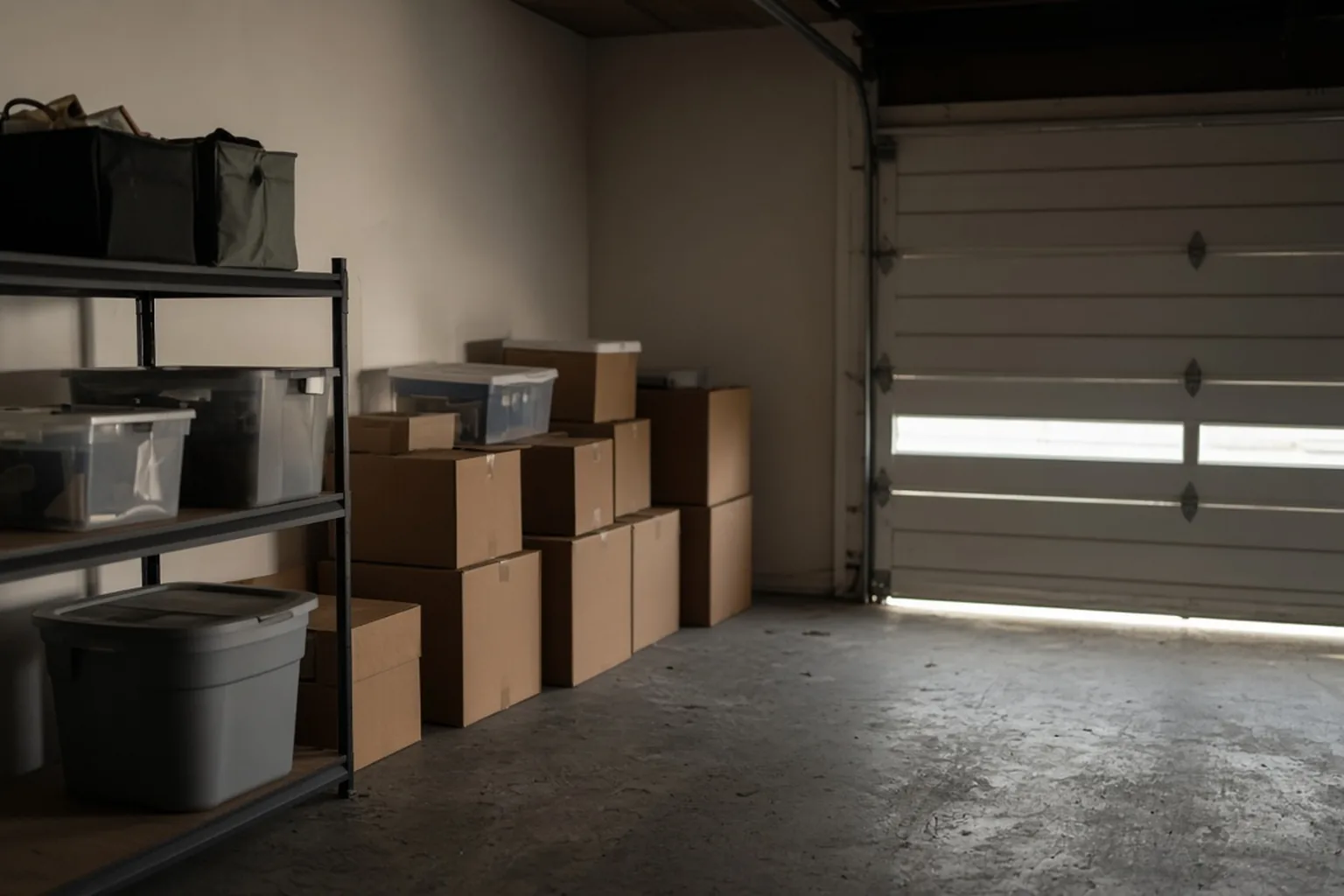 Cardboard boxes make easy nests and the gap under an overhead door makes an easy entrance. Plastic bins and a fresh door seal fix both.
Roof rats, sewer rats and mice: the three rodents in Fort Lauderdale homes.
The house mouse is small, with a body about 3 to 4 inches long and a tail about as long again. You are more likely to see it at ground level, in garages or near docks. It burrows near foundations, seawalls and garbage areas and uses storm drains. The Norway rat, often called the sewer rat, is heavier and stays low. If you hear noise overhead or find droppings on attic insulation, this is likely your rodent. It nests in palms, dense vegetation and attics and travels along power lines, fences and branches. It is slender, with a long tail, and it climbs. The roof rat, also called the fruit rat, is the one most Fort Lauderdale homeowners deal with. Florida health officials track three rodents, and each one uses a different part of your property. Knowing which rodent you have shapes the plan: roofline work for roof rats, ground-level work for Norway rats, and interior sealing for mice. It lives indoors, in kitchens and cabinets, and Florida health guidance says it has 4 to 7 young about once a month.
Rats along Fort Lauderdale's canals and waterfront.
Ask a provider how they would place stations on a waterfront lot and how often they would service them. Exterior stations along the seawall and fence line can help intercept rats before they reach the home. Rats that live along the water will try the house if it offers shelter. Check the house for entry points too, especially where utility lines and pipes enter and around the roofline. Trim trees and vines that bridge from the waterfront to the house. Store bait and pet food in sealed containers. Clean up after fishing and cookouts. Keep garbage cans lidded and away from the seawall. If you live on a canal, focus on food and access. Fish waste, bait, pet food and garbage left near the water attract both. Roof rats move along docks, boat lifts, fences and overhanging trees. Norway rats use seawalls, rock riprap and storm drains as shelter and travel routes. Water is the one thing rats need every day, and waterfront homes have it close at hand. Fort Lauderdale's canals are a big part of its identity, and they also shape where rodents live.
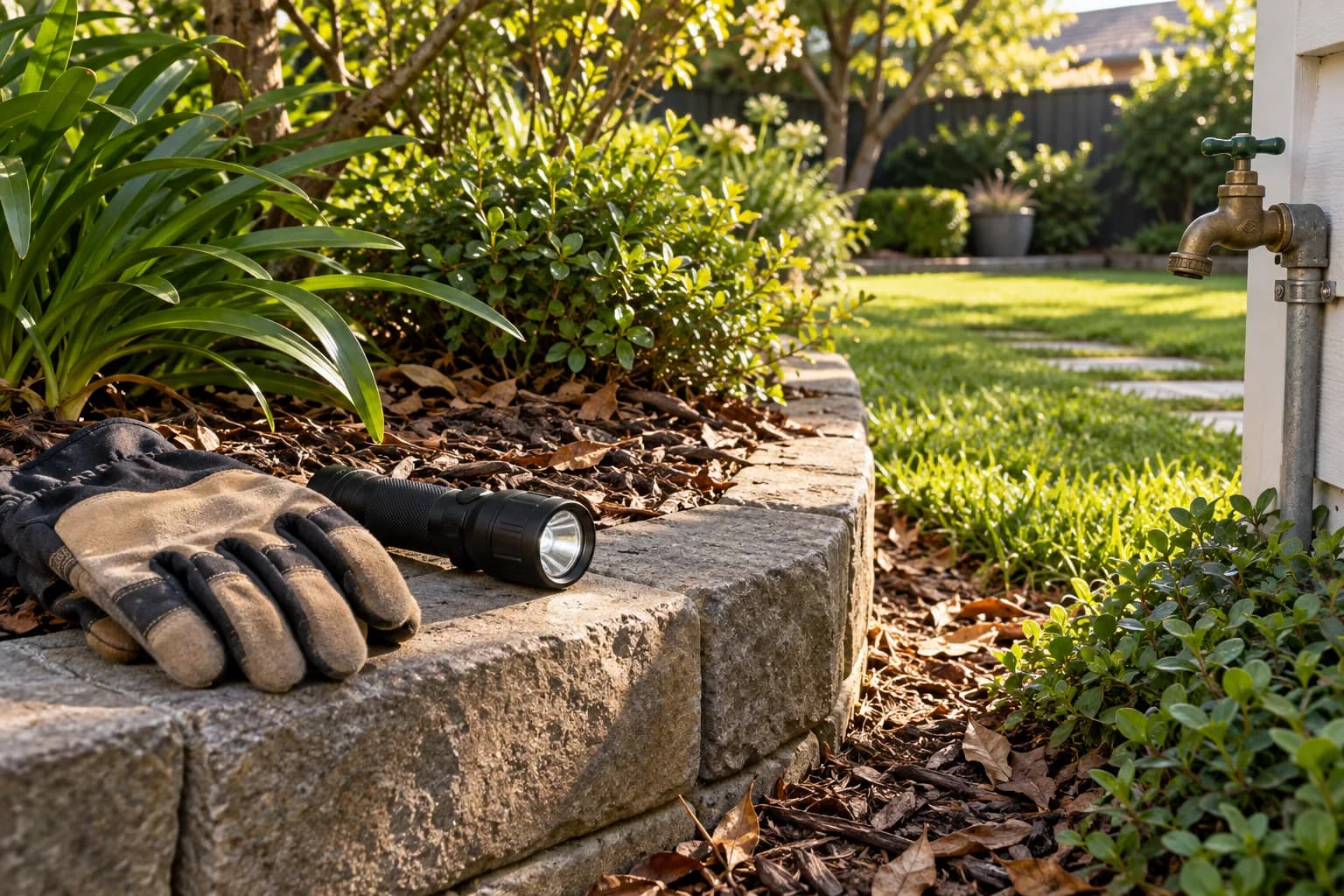 Dense shrubs against the house and a dripping hose bib give rodents cover and water. Trimming back and fixing drips makes the yard less inviting.
Why a roof rat attic refills in a single season.
Rats chew through foam and caulk. The materials matter: heavy-gauge steel wool, steel mesh or galvanized metal. Florida officials note a roof rat can get through a hole the size of a quarter, so every gap at soffits, roof returns, gable vents, plumbing stacks and AC lines needs attention. Sealing is the fix. If the attic still has a way in, new rats replace the ones you caught. In a climate with winter lows near 59F, there is no season that slows them down. Florida health guidance says roof rats can have up to 8 litters a year, with 6 to 8 young each, and they can breed at 2 to 3 months old. The reason is reproduction combined with open entry points. Many Fort Lauderdale homeowners trap a few rats, enjoy a quiet month, and then hear noises again. Doing those steps out of order usually means paying twice. The right order is to seal first, or at the same time as trapping, then trap the rats that are inside, then clean up droppings and soiled insulation.
Flooding, Norway rats and leptospirosis.
For droppings, follow the CDC method: ventilate 30 minutes, spray with 1.5 cups bleach per gallon of water, soak 5 minutes and wipe with paper towels. Clean up debris and garbage promptly so rats do not settle in it. After a flood, avoid wading through standing water when you can, and wear boots and gloves if you must. cases outside the territories through week 13 of 2026, and 46 in Puerto Rico, where the climate is similar. CDC weekly data showed 21 U.S. The bacteria spread through rat urine into water and soil. Florida health officials list leptospirosis among rodent-related diseases and note that it matters most in warm, wet urban settings. When heavy rain floods storm drains and low areas, Norway rats can be pushed out of their burrows and closer to homes, garages and businesses. Fort Lauderdale gets about 63 inches of rain a year and sits only about 9 feet above sea level. If you find dead rats or heavy contamination after a storm, consider hiring the cleanup out. Never sweep or vacuum.
What should a Fort Lauderdale rodent quote include?
For canal-front homes, ask whether exterior stations along the seawall and fence are included. If palms or branches touch the roof, sealing alone will not keep rats away for long. Ask about tree trimming. Some attics need only droppings removed; others need insulation replaced. Cleanup and insulation should be addressed separately. Ask how long they expect trapping to take and who removes the rats. It should explain the trapping plan: how many traps, where, and how many follow-up visits. Foam alone is a red flag. Look for steel mesh, galvanized metal or heavy-gauge steel wool. It should list the specific entry points found, such as soffit gaps, roof returns, gable vents, plumbing stacks and AC lines, and say what material will close each one. A useful quote for roof rat work in Fort Lauderdale is detailed about the roofline. With homes near a $520,000 median value, paying for proper sealing usually costs less than repairing attic damage later. Before signing, find out whether a return visit is included if attic noise starts up again after the job ends, and get those terms on paper.
What affects the price
- Roofline complexity and the number of gaps at soffits, vents and roof returns.
- Amount of attic insulation contaminated by droppings and urine.
- Whether trees, palms or vines need trimming before sealing will hold.
- Waterfront features like docks and seawalls that may need exterior stations.
- Number of follow-up trap checks included.
- Whether you choose a one-time job or ongoing year-round service.
📊
What's your biggest concern about rodents?
When to call for help
Bring in a professional when you hear rats in the attic for more than a couple of nights, find droppings on insulation, or see gnawed holes in soffits or vents. Roof rat entry points are often high and hard to reach, and sealing them properly takes ladders and the right materials. Call promptly if you find chewed wiring or AC ductwork. Around Fort Lauderdale, waiting for cooler weather does not help, because there is no slow season.
What you can do yourself
A sensible approach is to manage the yard and food sources yourself and hire out the roofline work. A professional can handle the sealing, trapping and cleanup together. Rats are also cautious around new objects, and trapping in a hot attic needs frequent checks. Getting those materials into soffit gaps and roof returns safely takes ladder work and experience. Florida officials recommend heavy-gauge steel wool, galvanized metal or steel mesh. Their entry points are usually on the roofline, and sealing them with foam or caulk alone does not work. Roof rats in the attic are a different matter. Setting a few snap traps for a mouse in the kitchen is also manageable. Trimming branches back from the roof, picking up fallen fruit, storing food and pet food in sealed containers, and keeping stored items at least 12 inches off the ground, as Florida health guidance suggests, all make your home less appealing. Some steps are well suited to DIY.
Rodents in Fort Lauderdale
The tropical climate means summer highs near 90F, winter lows around 59F, humidity near 74 percent and roughly 63 inches of rain each year. There is no winter break for rodents here. Fort Lauderdale was founded in 1911, and homes range across many decades of construction. With a median home value around $520,000, attic damage to wiring, AC ducts and insulation is expensive to fix, which makes early sealing worth it. Fort Lauderdale is an urban city of about 183,000 people, known as the Venice of America for its canals, along with its yachting and beaches. That waterfront setting matters for rodents. Canals, seawalls and docks give rats water and travel routes, and the city sits only about 9 feet above sea level, so heavy rain can push rats out of drains and burrows.
Local research
Rodents in Fort Lauderdale, FL: what the public record shows
Before you compare quotes, it helps to know which rodents actually live in Florida, when they are busiest around Fort Lauderdale, and what the state figures look like. Everything below links to the agency or university page it came from.
Rodent species recorded in Florida
- House mouse (Mus musculus) — Enters at 1/4 inch; 5-10 litters per year; eats about 200 small meals a night.
- Norway rat (Rattus norvegicus) — Burrowing rat of basements, sewers and ground floors; tail shorter than head plus body.
- Roof rat (Rattus rattus) — Climber of attics and trees in warm and coastal regions; tail longer than head plus body.
When rodents are busiest around Fort Lauderdale
Roof rats stay active in attics and fruit trees year-round in Florida's climate.
Florida DOH guidance: store food and feed in metal or heavy plastic containers and keep stored material at least 12 inches off the ground.
For context, nationally
- 1/4 inch (the width of a pencil) — Smallest gap a mouse can enter. CDC
- 890; 35% fatal; 94% west of the Mississippi — Hantavirus cases reported since 1993 (through 2023). CDC
Sources: Florida Department of Health in Gadsden County; CDC; Pest Notes: House Mouse; Pest Notes: Rats. Figures are quoted as the source prints them. How we check our sources
Simple ways to keep rodents away
- Trim palm fronds, branches and vines so they are several feet from the roof.
- Pick ripe fruit promptly and clean up fallen fruit daily during the season.
- Store food, pet food and birdseed in metal or heavy plastic containers.
- Keep stored items in garages and sheds at least 12 inches off the ground.
- Seal gaps around AC lines, plumbing and vents with steel mesh or galvanized metal.
- Keep garbage in containers with tight lids, especially near docks and seawalls.
- Check soffits and roof vents for damage after storms.
- Remove standing water and debris piles after heavy rain.
 Before you call, sketch where you have seen droppings or heard noise and measure any gaps you found. It makes the first visit faster and the quotes comparable.
Did you know?
Florida health departments often call the roof rat a fruit rat and the Norway rat a sewer rat.
A roof rat can start breeding when it is just 2 to 3 months old.
Puerto Rico logged 82 leptospirosis cases by week 13 of 2025, nearly four times the 22 reported across U.S. states in the same span.
Questions people ask
What is a fruit rat in Fort Lauderdale?
In Fort Lauderdale it nests in palms, dense vegetation and attics and feeds on fruit, seeds and pet food. It climbs well, so it usually enters homes high on the roofline. Fruit rat is another name for the roof rat, which Florida health officials list as one of the state's three structural rodents.
Why are there rats in my attic all year?
Roof rats can have up to 8 litters a year, according to Florida health officials. As long as entry points stay open, the attic population keeps rebuilding. Fort Lauderdale has no cold season to slow them down. Winter lows average about 59F, and food and water are available every month.
How small a hole can a roof rat use?
That is why sealing has to be thorough and use materials rats cannot chew through: heavy-gauge steel wool, steel mesh or galvanized metal. Foam alone will not hold. Florida health guidance says a roof rat can get through a hole about the size of a quarter.
Do palm trees attract rats?
Roof rats nest in dense palm fronds and use trees and branches to reach roofs. In Fort Lauderdale yards, trimming fronds and branches back from the roof and cleaning up fallen fruit removes both shelter and food close to the house. They can provide shelter.
Do canal-front homes in Fort Lauderdale have more rats?
That does not mean every canal home has rats, but it does mean garbage, fish waste and pet food near the water need careful handling. Exterior stations along seawalls can help intercept activity. Waterfront properties give rats easy access to water and travel routes along seawalls and docks.
Is leptospirosis a risk in Florida?
cases outside the territories through week 13 of 2026. Avoid contact with floodwater or wet soil where rats are active, and wear gloves during cleanup. Florida health officials list leptospirosis among rodent-related diseases and note it matters most in warm, wet urban settings. CDC data showed 21 U.S.
How fast do mice breed in Florida?
Their bodies run about 3 to 4 inches, with a tail about as long again. In a warm Fort Lauderdale home, a pair of mice can become a sizable group within a few months. Florida health guidance says house mice have 4 to 7 young about once a month.
Should I use poison for roof rats?
Bait can also harm pets and wildlife. Most plans focus on sealing and trapping inside, with any bait kept in locked exterior stations used according to the label. Poison inside an attic often leads to rats dying in walls or ceilings, where the smell lingers in Florida heat.
Nearby cities
Related guides
Sources (6)
The facts in this article come from the public sources listed above. Every home is different, so ask the company you talk to about pricing and what’s included. Published by Rodent Exterminator · Updated October 11, 2026 · How we write these guides