The short version
Rodent control in Port St. Lucie, Florida, is mostly a roof rat job. With winter lows near 54F, these climbers breed through the year, reach roofs by way of palms, fruit trees and screen enclosures, and squeeze in through any gap the size of a quarter. Seal those openings with galvanized metal or steel mesh, then trap the attic until catches stop.
- Roof rats, which Florida calls fruit rats, are the main attic invader here.
- Florida DOH says a roof rat needs only a quarter-sized hole to get in.
- Young roof rats breed at 2 to 3 months, so attic colonies grow quickly.
- Pool enclosures, palms and fruit trees often serve as ladders to the roof.
- Store garage items at least 12 inches off the floor so you can spot droppings.
Lucie homeowners hearing noise in the attic, families whose fruit trees keep getting raided, and anyone with a pool enclosure or palms close to the roof. It also helps people returning to a home that sat closed for weeks, landlords handling tenant reports, and anyone weighing whether a few traps from the hardware store will be enough. This page is for Port St.
What to look for
The Florida Department of Health tracks three rodents: the roof rat, which Florida also calls the fruit rat; the Norway rat, often called the sewer rat; and the house mouse. In Port St. Lucie, the roof rat causes most of the trouble. It is a slim climber that lives in trees, palms and attics and eats fruit, seeds and pet food. Florida health officials say roof rats can produce up to 8 litters a year, 6 to 8 young each, and those young can breed at 2 to 3 months. Norway rats stay at ground level, burrowing under slabs and around drainage, and house mice nest in garages and walls. The local setting suits roof rats well. Where palms, fruit trees or a screened pool enclosure stand close to the roofline, they have a route up. Winter lows around 54F never slow breeding. Humidity averaging 74 percent and about 55 inches of rain soften soffits and fascia, which makes chewing an entry easier.
- 1Light, fast footsteps across the ceiling soon after dark, especially over bedrooms.
- 2Citrus or other fruit hollowed out while still hanging on the tree.
- 3Droppings on the lanai, along pool cage framing, or on top of the garage water heater.
- 4Smudge marks along soffit edges, roof vents or where the screen enclosure meets the house.
- 5Chewed screening on a pool cage or lanai.
- 6Nesting material or shredded insulation near the attic access.
- 7Pets suddenly interested in a ceiling, wall or garage corner.
Why it’s worth acting soon
- Roof rat young can breed within 2 to 3 months, so a few rats become many in one season.
- Chewed attic wiring and AC lines can lead to outages and costly repairs.
- Urine and droppings soak into attic insulation, which humid air keeps damp and smelly.
- Florida health officials link rodents to leptospirosis, salmonella, rat bite fever and typhus.
- Damaged screen enclosures and soffits cost more to repair the longer rats use them.
Treatment options and typical costs
Roofline exclusion
Quoted after inspection
Any gap the size of a quarter at soffits, roof vents, roof-to-wall joints, plumbing stacks and AC line penetrations is closed with heavy-gauge steel wool, galvanized metal or steel mesh, as Florida health officials recommend. If your Port St. Lucie home has a screen enclosure, the spot where it meets the roof also needs attention.
- Time
- One to three days
- Best for
- Homes with attic activity
Attic snap trapping
Quoted after inspection
Traps along rafters, top plates and runways remove the rats still inside after sealing. Follow-up visits empty and reset traps until nothing more is caught. Removing carcasses quickly matters in a hot, humid attic.
- Time
- Two to four weeks
- Best for
- Roof rats nesting in the attic
Tree and yard trimming
Quoted after inspection
Trimming palms, fruit trees and shrubs away from the roof and screen enclosure removes the routes rats use to climb up. Picking fruit as it ripens and clearing drops takes away a major food source. Some providers include recommendations, and the trimming itself may be a separate job.
- Time
- One day
- Best for
- Yards with palms, fruit trees or dense plantings near the house
Exterior bait stations
Quoted after inspection
Locked stations along the fence or foundation can cut outdoor numbers on properties with steady pressure from neighboring yards or open land. Stations should be tamper resistant and kept away from pets and children. Bait supports sealing but does not replace it.
- Time
- Ongoing monthly service
- Best for
- Lots bordering green space or heavy outdoor activity
Prices are typical published ranges. Ask what’s included before you compare quotes.
 Clutter gives mice cover. Keeping stored fabric in lidded bins and off the floor takes away the nesting spots they like best.
How roof rats get from the yard to a Port St. Lucie attic.
Cutting the routes and closing the openings work together. Trim trees and palms back from the roof and enclosure, then seal every opening with heavy steel wool, galvanized metal or steel mesh. Roof rats rarely come in at ground level. They climb, and suburban Port St. Lucie yards give them plenty to climb on. Palms and fruit trees close to the house make an easy route. Rats run up the trunk and drop onto the roof from fronds or branches that hang over it. Screen pool enclosures are another. The aluminum framing works like a ladder, and the place where the enclosure meets the house often has small gaps. Fences, utility lines and vines along walls also work. Once on the roof, they look for openings. Florida health officials say a roof rat can get through a hole the size of a quarter. Common spots include gaps at soffits, roof vents, plumbing stacks, AC line penetrations and where different roof sections meet.
Why trapping alone rarely ends a roof rat problem.
Once catches stop and no new activity shows up, the attic is clear. Trapping without sealing keeps you on a cycle that does not end. It is tempting to set a few traps in a Port St. Lucie attic, catch a couple of rats, and call the problem solved. The noise tends to come back within weeks. The Florida Department of Health numbers explain why. Roof rats can have up to 8 litters a year, with 6 to 8 young each. Those young can breed at only 2 to 3 months. With winter lows near 54F, nothing in the local climate slows this down. That means the rats you catch are quickly replaced, either by young already in the attic or by rats from nearby yards using the same entry point. The fix is sealing first. Close every quarter-sized opening along the roofline with materials rats cannot chew through. Then trap to remove what is still inside.
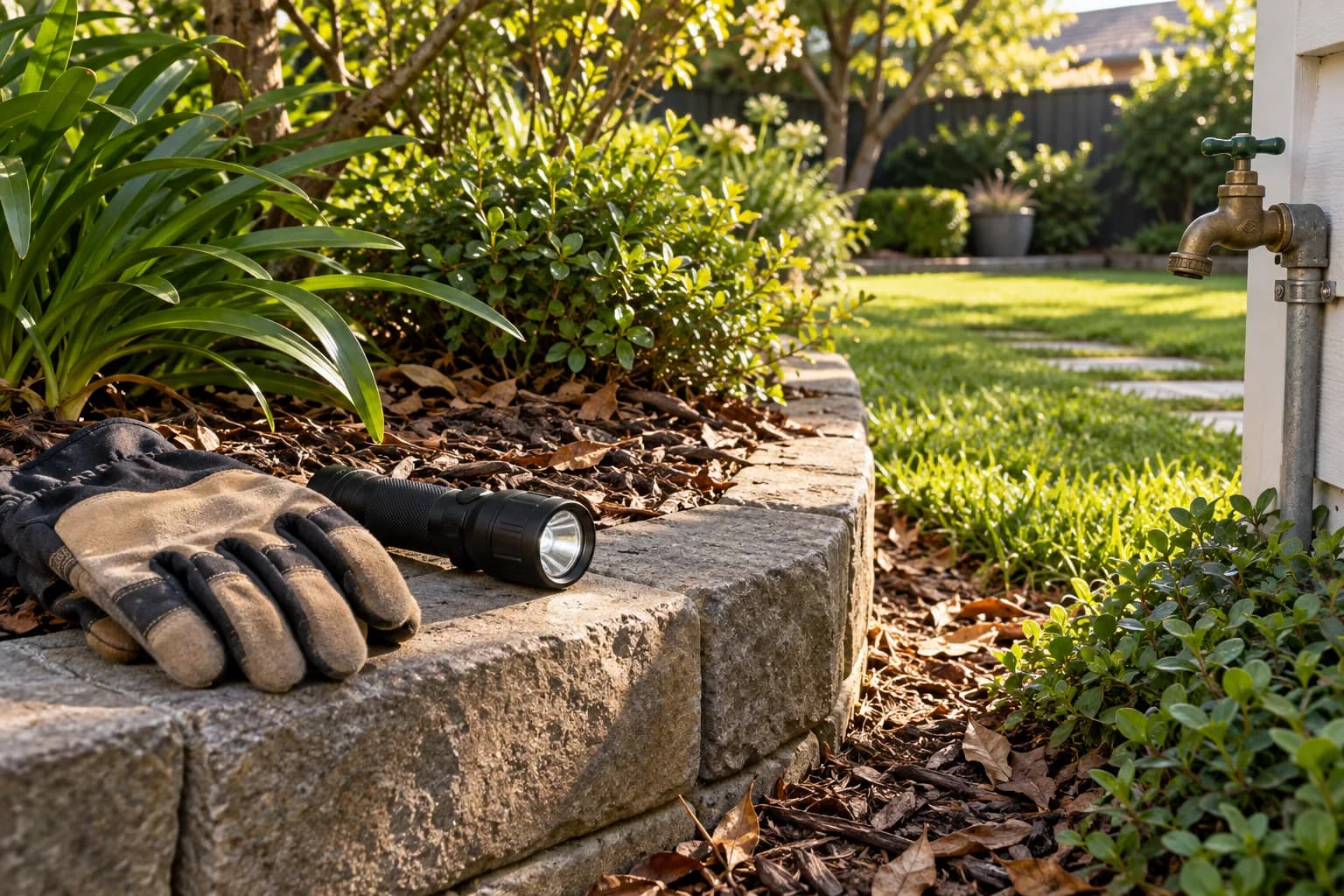 Dense shrubs against the house and a dripping hose bib give rodents cover and water. Trimming back and fixing drips makes the yard less inviting.
A Port St. Lucie rodent calendar.
October and November: a fall surge as rodents settle into shelter. If you had attic activity in past years, book an inspection before this stretch. Rodent activity in Port St. Lucie runs year-round, but some months bring changes worth planning around. December through February: winter lows near 54F are mild, and roof rats keep breeding. Cooler nights may draw more rats into attics for warmth. This is a good window to seal the roofline, since the attic population is concentrated. March through May: young rats from litters born over the mild winter spread out. Trim palms and trees before summer growth. June through September: highs near 91F. Heavy rain can flood ground burrows and push Norway rats toward garages. Roof rats look for water around pools, irrigation and AC drip lines. Hot attics may push some rats into wall voids and garages.
Health risks from rodents in a Florida suburb.
Florida health officials link rodents to a long list of illnesses: hantavirus, leptospirosis, plague, rat bite fever, salmonella and typhus. Most of these are uncommon, but they are worth knowing about. Leptospirosis and typhus are the most relevant in Florida's warm, wet settings. Leptospirosis spreads through urine in water and soil, and typhus through fleas. In suburban Port St. Lucie, the likely exposure points are attics, garages, sheds and areas around pools and irrigation. Salmonella is a concern anywhere rats get into food. Pet food, birdseed and pantry items they have touched should be thrown out. Cleanup is where most people take the biggest risk. The CDC says to ventilate for 30 minutes, soak droppings with a bleach solution of 1.5 cups per gallon, wait 5 minutes, then wipe up with gloves on. Never sweep or vacuum. If someone in the home becomes sick after rodent exposure, tell a doctor about it.
Coming back to a closed-up house.
If your Port St. Lucie home sits empty for weeks at a time, whether for travel or a second residence, rodents can settle in while it is quiet. When you return, check before you unpack. Look in the garage, especially along walls and under shelving. Check the attic access, closets, under sinks and in kitchen cabinets for droppings. Walk the outside and look at soffits, vents and the pool enclosure for chew marks or smudges. If you find droppings, do not sweep them. Open windows and doors for 30 minutes first, then wet everything with bleach solution and wipe up with gloves. Before you leave next time, store items at least 12 inches off the garage floor, as Florida DOH recommends, so droppings are easy to see. Put pet food and birdseed in sealed metal or heavy plastic bins. Trim trees away from the roof. A provider can also inspect and seal before an extended absence.
What affects the price
- Roof type, height and the number of vents, soffits and penetrations to seal.
- Whether a screen enclosure connects to the roof and needs extra sealing.
- Soffit or fascia wood that humidity has softened and needs replacement.
- How much attic insulation is soiled and must be removed.
- Palms and trees that need trimming away from the roofline.
- The number of trap check visits included in the plan.
📊
What's your biggest concern about rodents?
When to call for help
Call a professional once attic noise continues for more than a couple of nights, when you find droppings in the garage and on the lanai, or when fruit trees show steady damage. In Port St. Lucie, that combination usually means roof rats with a nest overhead. Since young rats can breed in 2 to 3 months, waiting makes the job larger. Roofline sealing involves ladders, metal and mesh, often near screen enclosures, which is safer to hand off. Also call if you are returning to a home that sat closed and find signs of activity.
What you can do yourself
Trapping an attic also takes planning, and carcasses have to come out fast in Florida heat. A provider can seal, trap and recommend yard changes as one plan, which usually costs less than months of trial and error. Some rodent work is very doable on your own in Port St. Lucie. Pick fruit promptly, clear drops, trim palms and shrubs back from the roof and pool cage, and keep pet food and birdseed in sealed metal containers. For a mouse or two in the garage, snap traps along the walls usually do the job. Roof rats in the attic are a different project. Finding every quarter-sized opening along soffits, vents and the roofline means time on a ladder, and closing them properly takes galvanized metal or steel mesh. Missing one opening means the attic refills.
Rodents in Port St. Lucie
The climate does the rest. Winter lows around 54F mean no real cold season, and summer highs near 91F send rodents after water around pools, irrigation and AC drip lines. About 55 inches of rain a year and humidity near 74 percent keep wood trim damp and soft. At about 16 feet of elevation, heavy rain can flood ground burrows and push Norway rats toward garages. With a median home value around $370,000, sealing an attic properly protects a big investment. Port St. Lucie grew from a 1961 founding into a suburban city of about 231,000 people, known for spring training baseball and PGA Village. That suburban pattern shapes the rodent picture. Wherever palms, fruit trees or a pool enclosure sit close to a roof, roof rats have a route from the ground up.
Local research
Rodents in Port St. Lucie, FL: what the public record shows
Before you compare quotes, it helps to know which rodents actually live in Florida, when they are busiest around Port St. Lucie, and what the state figures look like. Everything below links to the agency or university page it came from.
Rodent species recorded in Florida
- House mouse (Mus musculus) — Enters at 1/4 inch; 5-10 litters per year; eats about 200 small meals a night.
- Norway rat (Rattus norvegicus) — Burrowing rat of basements, sewers and ground floors; tail shorter than head plus body.
- Roof rat (Rattus rattus) — Climber of attics and trees in warm and coastal regions; tail longer than head plus body.
When rodents are busiest around Port St. Lucie
Roof rats stay active in attics and fruit trees year-round in Florida's climate.
Florida DOH guidance: store food and feed in metal or heavy plastic containers and keep stored material at least 12 inches off the ground.
For context, nationally
- 1/4 inch (the width of a pencil) — Smallest gap a mouse can enter. CDC
- 890; 35% fatal; 94% west of the Mississippi — Hantavirus cases reported since 1993 (through 2023). CDC
Sources: Florida Department of Health in Gadsden County; CDC; Pest Notes: House Mouse; Pest Notes: Rats. Figures are quoted as the source prints them. How we check our sources
Simple ways to keep rodents away
- Trim palms, fruit trees and shrubs so they do not touch the roof or screen enclosure.
- Pick fruit as it ripens and clear fallen fruit every day or two.
- Seal any quarter-sized gap with heavy-gauge steel wool, galvanized metal or steel mesh.
- Keep garage storage at least 12 inches off the floor, per Florida DOH guidance.
- Store pet food, birdseed and grass seed in metal or heavy plastic containers.
- Repair torn pool cage screens quickly, before rats use them as an entry.
- Check the attic and garage for droppings after any time away from home.
- Replace soft soffit or fascia boards before rats chew through them.
 After sealing, a few monitors or unset traps left along the walls tell you whether anything is still getting in before you hear it again.
Did you know?
Florida health officials use two nicknames: the roof rat is the fruit rat, and the Norway rat is the sewer rat.
A single Norway rat female can raise four to six litters in a year and wean 20 or more young in total.
The CDC uses the width of a pencil as a handy guide for the smallest gap a mouse can squeeze through.
Questions people ask
What kind of rats live in Port St. Lucie attics?
In Port St. Lucie, winter lows around 54F never slow them down, so attic activity can happen in any month. Almost always roof rats, which Florida also calls fruit rats. They climb palms, fruit trees, fences and screen enclosures to reach the roof.
Can rats get into my attic from the pool enclosure?
Florida health officials say a roof rat needs only a quarter-sized hole. In Port St. Lucie, ask any provider to inspect the enclosure connection along with soffits and vents. Yes. The framing of a screen enclosure can act like a ladder, and where it attaches to the house there are often small gaps.
How quickly do roof rats multiply?
That is why sealing matters more than trapping alone. Without sealing, new rats keep moving in. Quickly. The Florida Department of Health says roof rats can have up to 8 litters a year, 6 to 8 young each, and the young can breed at 2 to 3 months.
What diseases do rats carry in Florida?
Leptospirosis and typhus are the most relevant in warm, wet settings. Avoid touching droppings, keep food sealed, and clean with bleach solution rather than sweeping. Florida health officials link rodents to hantavirus, leptospirosis, plague, rat bite fever, salmonella and typhus.
Why do rats eat my fruit trees?
In Florida's climate, roof rats stay active in fruit trees all year, and Port St. Lucie winter lows near 54F do nothing to change that. Pick fruit promptly and clear drops. Roof rats are called fruit rats in Florida for a reason. They climb into trees and eat fruit on the branch, often hollowing it out.
What should I check after being away from home?
A closed house is quiet, which rats like. If you find signs, wet droppings with bleach solution before cleaning and never sweep them. Look in the garage, attic access, closets and kitchen cabinets for droppings, and check soffits and the pool enclosure for chew marks.
How big are house mice?
They can have 4 to 7 young about once a month. Mice usually nest in garages, cabinets and walls rather than attics. Florida health officials describe house mice as about 3 to 4 inches long in the body, with a tail about as long again.
Nearby cities
Related guides
Sources (6)
The facts in this article come from the public sources listed above. Every home is different, so ask the company you talk to about pricing and what’s included. Published by Rodent Exterminator · Updated October 11, 2026 · How we write these guides