The short version
Rodent control in West Palm Beach, Florida is a year-round job. Winter lows near 57F never slow roof rats, Norway rats or house mice, and 62 inches of rain keep low ground damp. A good plan seals openings as small as a quarter with metal or steel mesh, traps rats already inside, and includes regular follow-up rather than a single visit.
- West Palm Beach's tropical climate keeps rodents breeding all twelve months.
- Roof rats run attics; Norway rats burrow in damp, low-lying ground.
- A roof rat needs only a hole about the size of a quarter, per Florida DOH.
- In condos and apartments, building-wide plans work better than single units.
- Read service agreements for visit frequency, scope and cancellation terms.
This guide is for West Palm Beach homeowners hearing rats in the attic, condo owners and renters dealing with rodents in shared buildings, and landlords or property managers weighing an ongoing service plan. It also helps anyone comparing two or three quotes and trying to figure out which one actually covers the problem.
What to look for
Florida's health department tracks three rodents around homes: the roof rat, the Norway rat and the house mouse. In West Palm Beach all three stay active year round. Roof rats are the climbers. They travel along palms, hedges, fences and utility lines and nest in attics, where Florida DOH says they can produce up to 8 litters a year with 6 to 8 young in each. Norway rats are the diggers. With 62 inches of rain a year and land sitting about 13 feet above sea level, the ground stays moist, which suits their burrows along foundations, drainage areas and trash areas. House mice settle into kitchens, closets and storage rooms and produce 4 to 7 young about once a month. The tropical climate removes the cold snap that thins rodent numbers in other places. That is why a single round of trapping rarely ends a problem here. Without sealing and some kind of follow-up, the next generation is already on its way.
- 1Thumping or running in the attic or ceiling after dark, the usual roof rat pattern.
- 2Pointed droppings near half an inch long on attic insulation or garage shelves.
- 3Open burrows beside the foundation or near dumpsters and trash carts.
- 4Gnawed holes in window screens or soffit vents.
- 5Chewed fruit left hanging on backyard trees.
- 6Rice-sized droppings in kitchen cabinets or a storage closet.
- 7Dark rub marks where pipes and cables enter the building.
Why it’s worth acting soon
- With no winter slowdown, an attic population can grow in every season.
- Rats chewing AC ducts and wiring in a hot attic can cause expensive damage.
- Leptospirosis, spread through rat urine in water and damp soil, is a concern in wet places.
- In a condo or apartment building, an untreated unit keeps feeding the others.
- Urine-soaked insulation often has to be removed and replaced.
Treatment options and typical costs
Exclusion with metal and steel mesh
Quoted after inspection
The provider seals openings down to about the size of a quarter, the gap Florida DOH says a roof rat can use, with heavy-gauge steel wool, galvanized metal or steel mesh. Soffits, roof vents, AC chases and plumbing entries are common targets. Ask for photos of each sealed opening.
- Time
- Set once every opening is mapped
- Best for
- Single-family homes with attic activity
Trapping with follow-up visits
Quoted after inspection
Traps placed on attic runways, in garages and near burrows, then checked and moved as activity changes. In a climate with year-round breeding, follow-up visits matter as much as the first setup. Ask how many visits are included and what happens if activity continues.
- Time
- Until catches stop
- Best for
- Active infestations
Ongoing exterior service
Quoted after inspection
Tamper-resistant stations around the foundation, trash areas and landscaping, checked monthly or quarterly. Often used for multi-unit buildings and lots with dense vegetation. Ask what goes in the stations and how pets and wildlife are protected.
- Time
- Ongoing, on an agreed schedule
- Best for
- Multi-unit buildings and high-pressure lots
Attic restoration
Quoted after inspection
Removing contaminated insulation, sanitizing the attic and installing new insulation after rats are gone. Some providers do this themselves and some subcontract it. Ask for it as a separate line so you can compare.
- Time
- Depends on how much insulation is soiled
- Best for
- Attics with long-term roof rat activity
Prices are typical published ranges. Ask what’s included before you compare quotes.
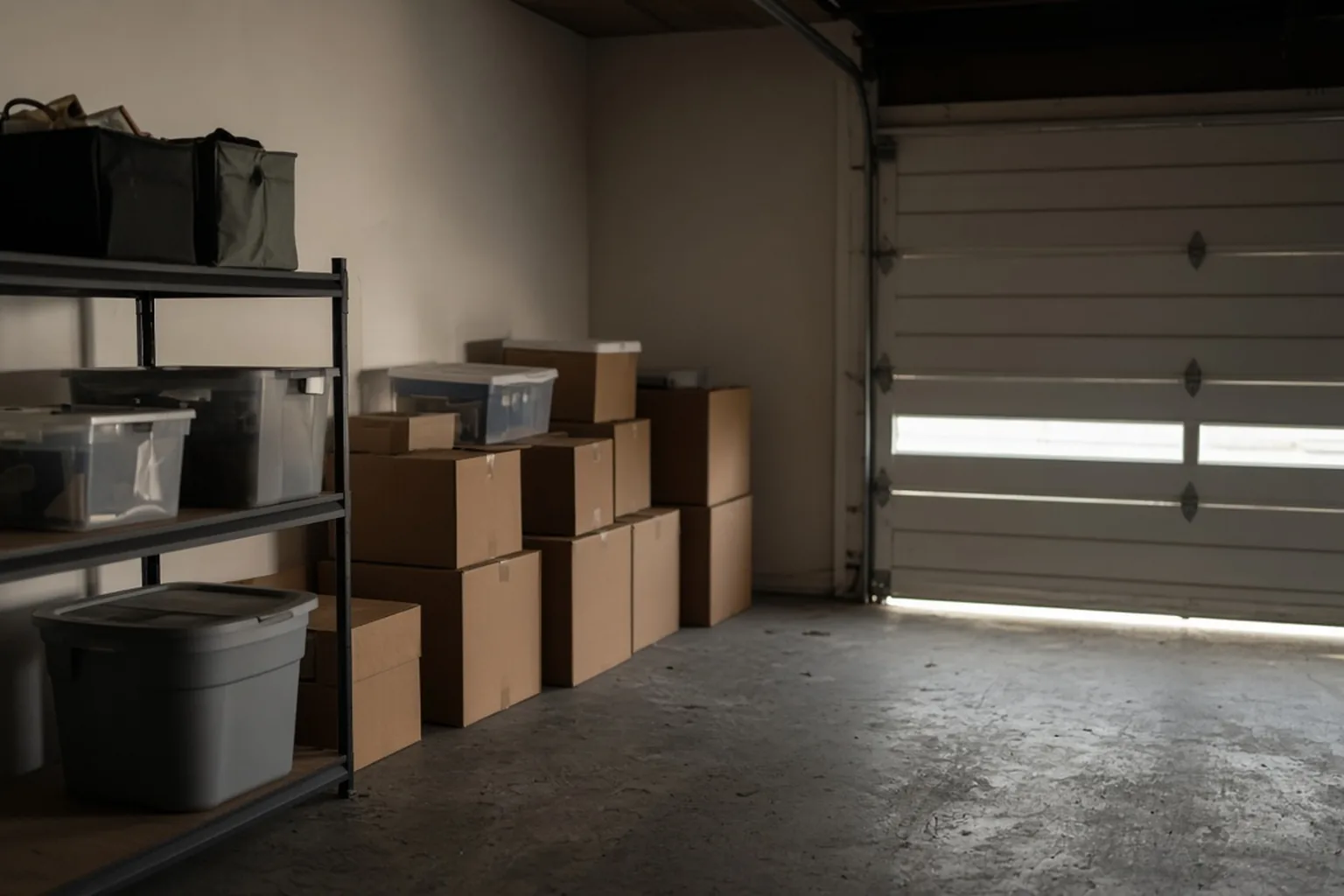 Cardboard boxes make easy nests and the gap under an overhead door makes an easy entrance. Plastic bins and a fresh door seal fix both.
Why there is no off season in West Palm Beach.
In much of the country, cold weather does some of the rodent control for you. West Palm Beach does not get that help. Winter lows average around 57F, summer highs reach about 90F, and the city's tropical climate keeps food, water and cover available every month. Florida DOH reports that roof rats can produce up to 8 litters a year, with 6 to 8 young each, and can breed at 2 to 3 months old. House mice produce 4 to 7 young about once a month. With no winter pause, those numbers add up quickly. That changes how to think about control. A single visit that traps out an attic but leaves openings unsealed will often be followed by a new group within months. Sealing is the step that lasts, and some properties benefit from regular follow-up through the year. It also changes timing. There is no best season to wait for. If you hear rats in the attic in January, deal with it in January.
Rain, low ground and Norway rats.
West Palm Beach gets about 62 inches of rain a year and sits only about 13 feet above sea level. That keeps soil damp and creates standing water after heavy rain, conditions that suit Norway rats. Norway rats are burrowers. They dig along foundations, under sidewalks and patios, and near trash areas. Heavy rain can flood burrows and push rats toward higher, drier spots, sometimes into garages, storage rooms and ground-floor units. The health concern that comes with wet ground is leptospirosis, a bacterial illness spread through the urine of infected animals in water and soil. The CDC counts rats as a key urban reservoir. Tropical places carry the highest risk, and Puerto Rico reported 46 cases through early April 2026, compared with 21 among residents of the states. Practical steps help: fix drainage that leaves standing water near the house, keep trash sealed, avoid wading in floodwater with cuts, and wear gloves when cleaning up after rats. If you see burrows, an exterior program is usually worth it.
 Fall is when rodents head indoors. Leaf piles against the foundation hide burrows and gaps, so clear them and walk the wall before the first cold snap.
Rodents in condos, apartments and downtown buildings.
If you live in a West Palm Beach condo or apartment, including a downtown building near Clematis Street, shared construction shapes how rodent problems spread and who has to fix them. In shared buildings, rodents move through wall voids, ceiling spaces, plumbing chases and electrical runs. Roof rats can enter through the roofline and travel down. Norway rats can come in at ground level from trash rooms or landscaping. Treating a single unit while the rest of the building still has activity rarely works. If you own or rent a unit, report signs to the association or building manager in writing, with dates and locations. Keep food sealed and trash out of the unit. If you manage a building, a building-wide inspection is the place to start: roofline, trash areas, ground-floor entries and every unit with reported activity. Ask whether ongoing exterior service makes sense for the property. Ask providers for a written report you can share with owners and residents.
Is a full exclusion job worth it on a $420,000 home?
When comparing quotes, look for a list of specific openings and materials. A quote that only mentions traps or bait may cost less now and more later. With a median home value around $420,000 in West Palm Beach, the math usually favors thorough exclusion over repeated trapping. Roof rats in an attic chew wiring, AC ductwork and insulation. Repairs to ductwork and electrical systems are expensive, and contaminated insulation often has to be removed and replaced. Rats that die in hidden spots also leave odors in a hot attic. Exclusion addresses the cause. Florida DOH says roof rats can get through a hole about the size of a quarter, so the job means finding and sealing every opening at soffits, roof vents, gable vents, AC chases, plumbing vents and roof-to-wall joints, using heavy-gauge steel wool, galvanized metal or steel mesh. The upfront cost is higher than a trap-only visit, but in a climate where breeding never stops, trapping alone tends to repeat.
How to read a rodent service plan.
Get answers in writing. A clear plan makes it easy to compare providers, and it makes it easy to tell whether you are getting what you paid for. If a West Palm Beach provider offers you an ongoing service plan, read it for a few specific things before you sign. Scope. What does each visit include? Exterior stations only, or interior checks too? Does it cover the attic and garage? Frequency. Monthly, every other month, or quarterly? Rodents here breed year round, so long gaps between visits can let activity build. Exclusion. Is sealing included, priced separately, or not offered? A plan without exclusion relies on removing rodents rather than keeping them out. Callbacks. If you hear activity between scheduled visits, will someone come back, and is there a charge? Products. What goes into stations, and how are pets and wildlife protected? Term and cancellation. How long is the commitment, and how do you cancel?
What affects the price
- The number of roofline, soffit and AC chase openings that need metal or mesh.
- Roof type and pitch, which affect access for sealing.
- Whether the job is a single home or a condo or apartment building with shared spaces.
- Monthly or quarterly service versus a one-time job.
- Attic insulation removal and replacement.
- Dense hedges, standing water or shared trash areas that keep rat pressure high.
📊
What's your biggest concern about rodents?
When to call for help
Call a provider when you hear anything moving overhead, because in West Palm Beach roof rats will not age out of the attic on their own and breeding never pauses. Call if you see burrows along the foundation, which point to Norway rats and a property-wide problem. If you live in a condo or apartment, report activity to the association or manager right away so the whole building can be checked. And call before signing any long-term plan you do not fully understand; a provider should be able to explain exactly what each visit covers.
What you can do yourself
Norway rats burrowing in damp ground usually need an exterior program. Condo and apartment residents generally need the building to act, since rodents move through shared walls and chases. Some work is well within reach for a West Palm Beach homeowner. Keep palms, hedges and tree limbs trimmed away from the roof. Pick up fallen fruit. Store pet food and birdseed in metal or heavy plastic containers, and keep garage items at least 12 inches off the floor, as Florida DOH recommends. Snap traps can handle a mouse or two in the kitchen. Roof rats are harder. Sealing every quarter-sized opening at the roofline means ladder work along the roofline, and trapping in a summer attic is tough going.
Rodents in West Palm Beach
That combination keeps rodents active year round: roof rats in attics and trees, Norway rats in damp ground, and house mice indoors. In any condo or apartment building, shared walls, chases and trash areas let rodents move between units. Founded in 1894, the city now has a median home value around $420,000, so protecting attics, ductwork and wiring is worth the cost of thorough sealing. West Palm Beach is the Palm Beach County seat, an urban city of about 119,000 people known for Clematis Street and its downtown. It sits at about 13 feet of elevation in a tropical climate, with summer highs near 90F, winter lows around 57F, humidity near 73 percent and roughly 62 inches of rain a year.
Local research
Rodents in West Palm Beach, FL: what the public record shows
Before you compare quotes, it helps to know which rodents actually live in Florida, when they are busiest around West Palm Beach, and what the state figures look like. Everything below links to the agency or university page it came from.
Rodent species recorded in Florida
- House mouse (Mus musculus) — Enters at 1/4 inch; 5-10 litters per year; eats about 200 small meals a night.
- Norway rat (Rattus norvegicus) — Burrowing rat of basements, sewers and ground floors; tail shorter than head plus body.
- Roof rat (Rattus rattus) — Climber of attics and trees in warm and coastal regions; tail longer than head plus body.
When rodents are busiest around West Palm Beach
Roof rats stay active in attics and fruit trees year-round in Florida's climate.
Florida DOH guidance: store food and feed in metal or heavy plastic containers and keep stored material at least 12 inches off the ground.
For context, nationally
- 1/4 inch (the width of a pencil) — Smallest gap a mouse can enter. CDC
- 890; 35% fatal; 94% west of the Mississippi — Hantavirus cases reported since 1993 (through 2023). CDC
Sources: Florida Department of Health in Gadsden County; CDC; Pest Notes: House Mouse; Pest Notes: Rats. Figures are quoted as the source prints them. How we check our sources
Simple ways to keep rodents away
- Trim palms, hedges and tree limbs so nothing touches the roof.
- Harvest backyard fruit as it ripens and pick up any that falls.
- Seal openings with heavy-gauge steel wool, galvanized metal or steel mesh.
- Store pet food and birdseed in metal or heavy plastic containers.
- Keep garage and storage items at least 12 inches off the floor.
- Repair torn screens and vent covers, which rats use as a way in.
- Keep dumpster and trash cart lids closed, especially at multi-unit buildings.
- Fix drainage problems that leave standing water near the foundation.
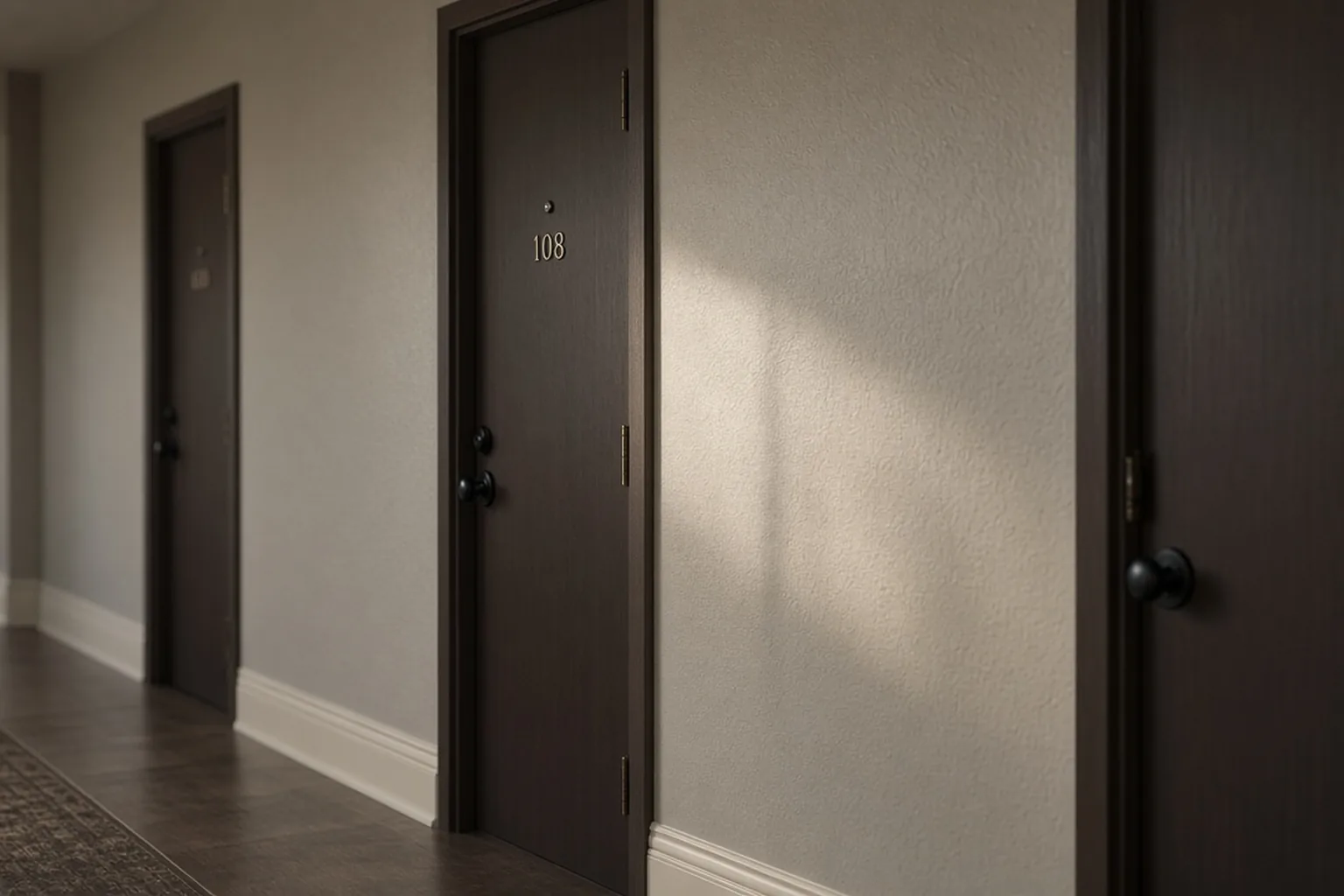 In a multi-unit building, mice move between apartments through shared walls and pipe chases, so treating one unit rarely solves it. Ask for a building-wide plan.
Did you know?
Puerto Rico's leptospirosis count through early April 2026 was 46, down from 82 in the same weeks of 2025.
Florida did not appear in CDC's 2025 provisional hantavirus tally; California led the 17 reported cases with 4.
Florida's health department says house mice can raise 4 to 7 young roughly every month.
Questions people ask
Do rodents slow down in winter in West Palm Beach?
Florida DOH says roof rats can have up to 8 litters a year, and house mice produce young about once a month. Plan for year-round prevention rather than a seasonal fix. No. Winter lows in West Palm Beach average around 57F, which is not cold enough to slow breeding.
What kind of rats live in West Palm Beach?
Norway rats are heavier burrowers that dig in damp ground near foundations, drainage and trash areas. In West Palm Beach, noise overhead points to roof rats and burrows outside point to Norway rats, and one property can have both. Two kinds. Roof rats are slim climbers that nest in attics, palms and hedges and travel along fences and wires.
Who handles rodents in a West Palm Beach condo?
Check your association documents or lease for specifics. Since rodents move through shared walls and chases, building-wide plans work better than one unit at a time. Usually the association or building manager coordinates treatment for common areas and the structure, while owners or tenants keep their own units clean and report activity.
Is leptospirosis a risk in South Florida?
US state residents reported 21 cases through early April 2026, with 46 in Puerto Rico. After heavy rain, avoid wading where rats are active, especially with cuts. It is uncommon but worth knowing. Leptospirosis spreads through rodent urine in water and damp soil, and the CDC counts rats as a key urban reservoir.
How small a hole can a roof rat get through?
Common gaps on West Palm Beach homes include soffit vents, roof vents, AC line chases and plumbing entries. Seal them with heavy-gauge steel wool, galvanized metal or steel mesh, not foam. About the size of a quarter, according to Florida DOH.
What does rodent control cost in West Palm Beach?
Price depends on how many roofline openings need sealing, roof type, whether attic insulation needs replacing, and whether you choose a one-time job or monthly or quarterly service. Ask for each piece listed separately so quotes compare fairly. Most West Palm Beach providers quote after an inspection.
Should I sign a monthly rodent service contract?
A single-family home that has been fully sealed may not need it. Before signing, ask what each visit includes, how often visits happen and how to cancel. It depends on the property. Properties with dense vegetation, standing water or shared trash areas may benefit from ongoing exterior service.
Nearby cities
Related guides
Sources (6)
The facts in this article come from the public sources listed above. Every home is different, so ask the company you talk to about pricing and what’s included. Published by Rodent Exterminator · Updated October 11, 2026 · How we write these guides