The short version
Rodent control in Green Bay, Wisconsin is mostly exclusion, then trapping. UW-Madison Extension says mice get through openings over 1/4 inch and rats over 1/2 inch, so seal with 24-gauge 1/4-inch hardware cloth and block every gap 36 inches above and below grade. With winter lows near 10F, mice that get in during fall stay in walls and garages until spring.
- UW Extension treats exclusion as the core of rodent control, with trapping second.
- Mice need openings just over 1/4 inch; rats need just over 1/2 inch.
- Rat-proof a band from 36 inches below grade to 36 inches above it.
- A dozen traps is the minimum UW suggests for a private house.
- Rats may test new sealing for about two weeks, so keep checking.
This is for Green Bay homeowners who heard scratching in the walls when the furnace came on, garage owners finding droppings near stored seed or pet food, landlords dealing with mice across several units, and warehouse or facility managers who need a plan at commercial scale.
What to look for
Three rodents cause the trouble here. House mice are the main indoor problem, slipping through openings just over 1/4 inch and nesting in wall voids, basements, and kitchen cabinets. Norway rats burrow along foundations and work the soil line, which is why UW Extension recommends blocking openings 36 inches above and below grade rather than just at ground level. Deer mice move into garages and sheds from outdoor cover. The calendar is set by the cold. Summer highs near 81F keep rodents outdoors and breeding, but winter lows average about 10F, which leaves no doubt about where a mouse would rather spend January. That makes the fall push indoors intense and the stay long. Once mice are in walls or garages, they remain through winter, breeding as they go. Humidity averages around 72%, so basements tend to stay damp, giving rodents water close to their nests. Green Bay's history runs back to 1634, but whatever the age of your own house, every foundation crack and utility entry is a potential gap.
- 1Droppings along basement walls, in drawers, or under sinks.
- 2Scratching in walls or ceilings once the heat comes on in fall.
- 3Shredded insulation or paper in garage storage.
- 4Burrow openings along the foundation or beside the garage slab.
- 5Chewed bags of bird seed, grass seed, or pet food in the garage.
- 6Dark grease marks along pipes, beams, and basement walls.
Why it’s worth acting soon
- Mice that get in during fall breed in the walls all winter.
- Chewed wiring in walls and basements creates fire risk.
- Norway rat burrows can undermine slabs, steps, and walkways.
- Droppings and urine contaminate stored food and insulation.
- Rats may keep probing new repairs, so unfinished sealing invites them back.
51%Midwestern homeowners reporting a rodent encounter at some point (Harris Poll for NPMA, September 2022, self-reported)NPMA and The Harris Poll Treatment options and typical costs
Exclusion to UW Extension specs
Quoted after inspection
Sealing every opening over 1/4 inch with 24-gauge 1/4-inch hardware cloth, sheet metal, or mortar, and using 1/2-inch hardware cloth where only rats are the concern. For Norway rats, the band from 36 inches below grade to 36 inches above it needs attention. Ask for a written list of sealed points.
- Time
- Depends on how many gaps turn up
- Best for
- Homes with mice or rats getting inside
Trapping with proper spacing
Quoted after inspection
UW Extension recommends at least a dozen traps for a private house, with mouse traps no more than 10 feet apart, ideally 3 feet, and rat traps at least 20 feet apart. Traps that catch nothing for seven days should be moved. Ask how often the provider checks and relocates traps.
- Time
- Until checks show no new activity
- Best for
- Active indoor infestations
Follow-up monitoring
Quoted after inspection
Rats may keep testing fresh rodent proofing for about two weeks, according to UW Extension. A good provider plans return visits to check repairs, look for new gnawing, and reseal if needed. Ask how many follow-ups are included through the fall and winter.
- Time
- Two weeks or more after sealing
- Best for
- Homes with Norway rat pressure
Commercial trap programs
Quoted after inspection
For warehouses and large buildings, UW Extension notes that 50 to 100 traps is not excessive. A provider will typically set traps and monitoring stations on a schedule and keep logs. Ask about reporting and how traps are moved based on activity.
- Time
- Ongoing service
- Best for
- Warehouses, mills, and commercial buildings
Prices are typical published ranges. Ask what’s included before you compare quotes.
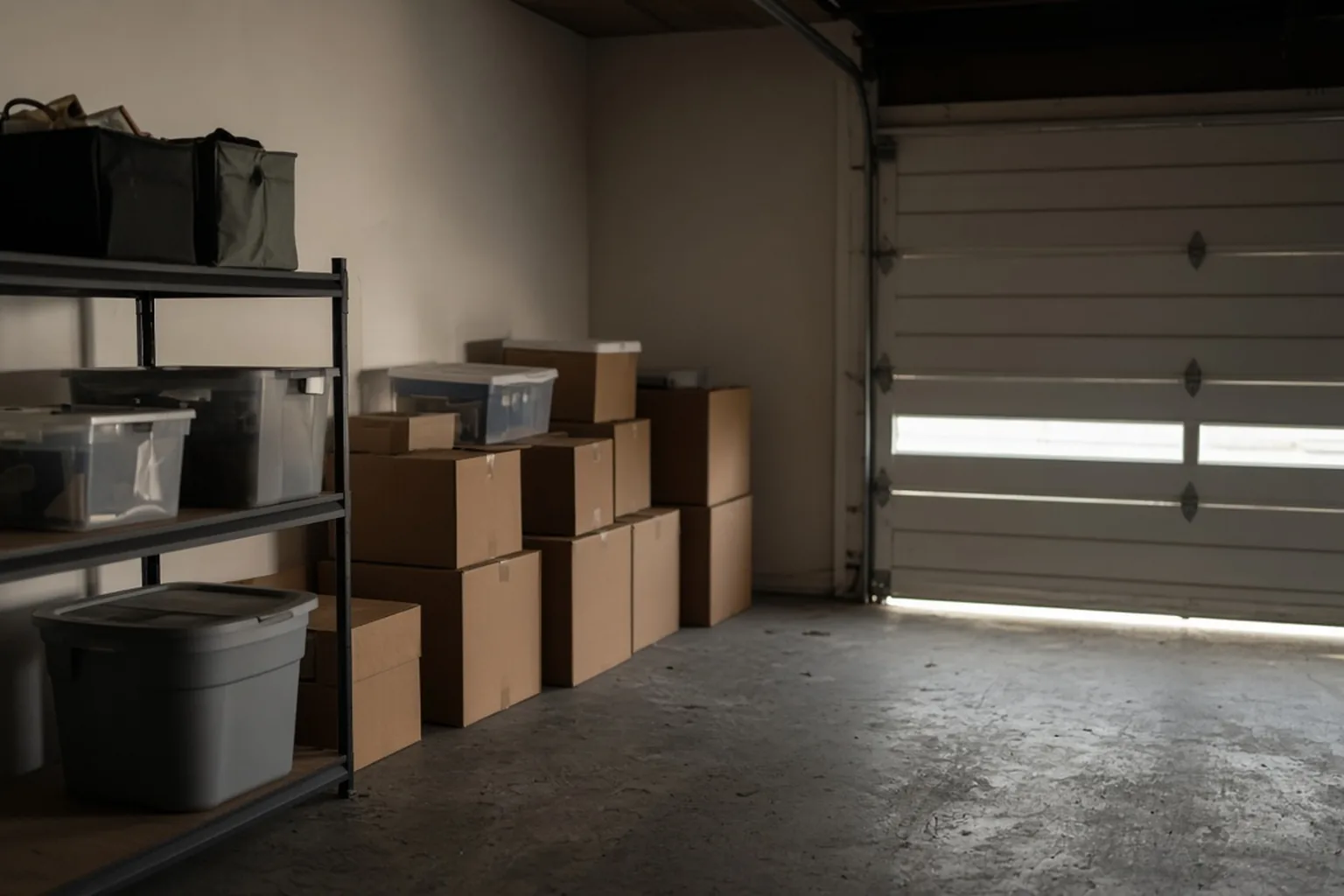 Cardboard boxes make easy nests and the gap under an overhead door makes an easy entrance. Plastic bins and a fresh door seal fix both.
The 36-inch band: rat-proofing a Green Bay foundation.
The materials matter. UW Extension says rats get through openings over 1/2 inch and mice through openings over 1/4 inch, so 24-gauge 1/4-inch hardware cloth covers both. Sheet metal and mortar work for larger gaps. Foam alone is not enough, since rats chew through it. In practice, a provider may dig along parts of the foundation or install an L-shaped barrier of hardware cloth buried below grade. Ask what they plan for the below-grade part of the band, since that is often skipped. Norway rats do not just walk in through gaps at ground level. They burrow along the foundation and work the soil line, so UW-Madison Extension recommends blocking all openings in a band from 36 inches below grade to 36 inches above it. For a Green Bay house, that means looking past the obvious. Foundation cracks a foot below the soil surface, gaps where utility lines enter below grade, and vents just above the ground all fall in the band. Rats can find and enlarge them.
How many traps, and where? UW Extension's numbers.
Set traps along walls, where rodents travel, with the trigger end against the wall. Look for droppings and dark rub marks to find routes. In a Green Bay basement, common routes run along the sill plate, beside the furnace, and near pipe entries. Traps that catch nothing for seven days should be moved, according to UW Extension. A trap a few feet off the route may never get visited. For warehouses and large buildings, UW Extension says 50 to 100 traps is not excessive. Scale matters. Most DIY trapping fails because there are too few traps in the wrong spots. UW-Madison Extension's guidance gives specific numbers. For a private house, a dozen traps is the minimum. Mouse traps should be no more than 10 feet apart, with 3 feet preferred, since mice forage close to their nest. Rat traps go at least 20 feet apart, because rats range farther. Placement matters as much as number.
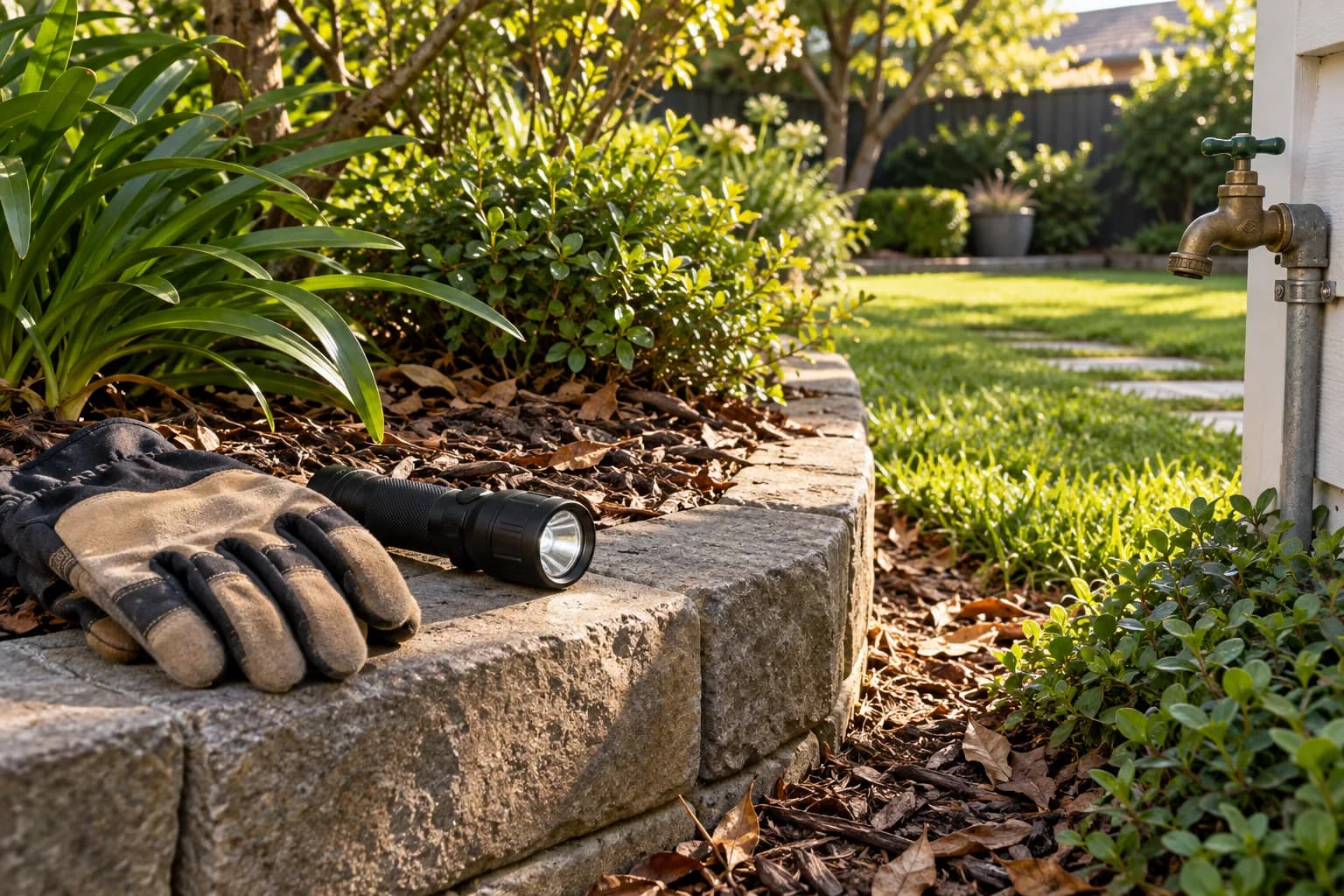 Dense shrubs against the house and a dripping hose bib give rodents cover and water. Trimming back and fixing drips makes the yard less inviting.
Ten-degree winters: why Green Bay mice stay all season.
Scratching in walls and fresh droppings are common. Act quickly, because mice that settle in now will be there all winter. From December through March, mice stay in walls and garages and continue to breed. Activity may seem quieter, but the population can grow. Keep checking traps and move unproductive ones after seven days. In April, as the ground thaws, rats return to outdoor burrows. Inspect for winter damage and plan summer sealing. Green Bay's winter lows average about 10F, and that cold shapes the whole rodent year. From June through August, with highs near 81F, rodents breed outdoors. This is the best time to seal gaps and fix the foundation band, since nothing is pushing to get in yet. In September, as nights cool, mice and Norway rats start probing for warmth. Garages, basements, and utility entries get tested. Set traps early in the month. October and November are the peak months for indoor entry.
Why rats test new repairs, and what to do about it.
The fix is durable materials and follow-up. Use 24-gauge 1/4-inch hardware cloth, sheet metal, or mortar. Check repairs every few days for the first two weeks, and reseal anything that shows damage. Keep traps set near the sealed area to catch rats trying to get back in. For a Green Bay home with Norway rat pressure, ask any provider how they handle this window. A plan that includes a return visit two weeks after sealing is more likely to hold than one that ends the day the work is done. You sealed the gaps, and a week later there are fresh gnaw marks next to the repair. That is normal. UW-Madison Extension says rats may keep trying to break through fresh rodent proofing for about two weeks. Rats are persistent and know their routes. When a familiar entry is blocked, they work at it, chew around it, and look for nearby weak spots. Repairs made with foam, thin mesh, or loose steel wool may not hold.
Warehouses, mills, and commercial rodent control in Green Bay.
Dock doors need seals, and gaps around utility entries and foundations need closing. For Norway rats, the 36-inch band above and below grade applies to commercial foundations as much as homes. Monitoring matters at this scale. Providers often set traps and stations on a schedule, keep logs of activity, and move traps based on results. UW Extension's advice to relocate unproductive traps after seven days applies here too. When getting quotes for a commercial building, ask how many traps and stations will go in, how often the provider visits, what reports include, and how they handle dock doors and stored materials. Green Bay's paper history is a reminder that industrial and warehouse buildings need rodent control at a different scale. UW-Madison Extension notes that 50 to 100 traps is not excessive in a warehouse. Large buildings have long walls, many doors, loading docks, and stored materials that give rodents cover. Coverage needs to match. Exclusion is still the core.
What affects the price
- How many entry points need sealing, especially along the foundation band.
- The number of traps needed for the size of the building.
- Whether Norway rats are present, adding follow-up visits.
- Basement access and stored items to move.
- Commercial scale and reporting requirements.
- Cleanup of droppings and soiled insulation.
📊
What's your biggest concern about rodents?
When to call for help
Call a professional when mice keep appearing after a week or two of trapping, when you see burrows along the foundation, or when droppings show up in several parts of the house. For Green Bay homes, timing matters: calling in September, before winter lows settle in, gives a provider time to seal before rodents are locked in for the season. Commercial buildings and warehouses should bring in help early, since UW Extension's guidance on trap numbers shows how much coverage a large space needs. A provider also helps with Norway rats, which may test new sealing for about two weeks and need follow-up.
What you can do yourself
DIY handles plenty of small problems. If you have a mouse or two in the kitchen, a dozen snap traps placed 3 feet apart along the walls, plus steel wool and caulk in the gap behind the stove, will often clear it. UW Extension's numbers help: move traps that catch nothing after seven days, and use 24-gauge 1/4-inch hardware cloth for vents. DIY gets harder at scale and with rats. Sealing the full 36-inch band above and below grade on a foundation is serious work, and Norway rats keep testing repairs for about two weeks, so missed gaps get found. Large buildings need dozens of traps and steady monitoring. A fair split: DIY for small indoor mouse problems, a provider for whole-house exclusion, rats, and commercial buildings.
Rodents in Green Bay
Green Bay was founded in 1634 and is known for the Packers, the Titletown nickname, and a long paper industry history. About 106,000 people live here in an urban setting, where houses, garages, and commercial buildings all offer rodents a way in if a gap is left open. The climate is humid continental, with summer highs near 81F, winter lows around 10F, about 29 inches of precipitation, and humidity near 72%. Those cold winters make Green Bay's rodent season distinctive: the fall push indoors is strong, and mice that get in stay all winter in walls and garages. The median home value is about $205,000, so owners tend to want durable, practical fixes. UW-Madison Extension's applicator training treats exclusion as the heart of rodent management, with trapping second, and gives specific numbers for mesh, foundation bands, and trap counts.
Local research
Rodents in Green Bay, WI: what the public record shows
Before you compare quotes, it helps to know which rodents actually live in Wisconsin, when they are busiest around Green Bay, and what the state figures look like. Everything below links to the agency or university page it came from.
Rodent species recorded in Wisconsin
- House mouse (Mus musculus) — Enters at 1/4 inch; 5-10 litters per year; eats about 200 small meals a night.
- Norway rat (Rattus norvegicus) — Burrowing rat of basements, sewers and ground floors; tail shorter than head plus body.
- Deer mouse (Peromyscus maniculatus) — Primary U.S. hantavirus carrier; lives throughout Washington and the interior West.
When rodents are busiest around Green Bay
Rodents move indoors as Wisconsin temperatures drop in fall.
UW-Madison Extension's applicator training treats exclusion as the core of rodent management, with trapping second.
For context, nationally
- 1/4 inch (the width of a pencil) — Smallest gap a mouse can enter. CDC
- 890; 35% fatal; 94% west of the Mississippi — Hantavirus cases reported since 1993 (through 2023). CDC
Sources: University of Wisconsin-Madison Division of Extension; CDC; Pest Notes: House Mouse; Pest Notes: Rats; Hantavirus. Figures are quoted as the source prints them. How we check our sources
Simple ways to keep rodents away
- Use 24-gauge 1/4-inch hardware cloth over vents and openings.
- Check the foundation from 36 inches below grade to 36 inches above it.
- Fit door sweeps on garage and basement doors.
- Store bird seed and pet food in metal cans.
- Keep firewood stacked away from the house and off the ground.
- Run a dehumidifier in damp basements.
- Seal gaps around pipes and wires in late summer, before fall.
- Move unproductive traps after seven days.
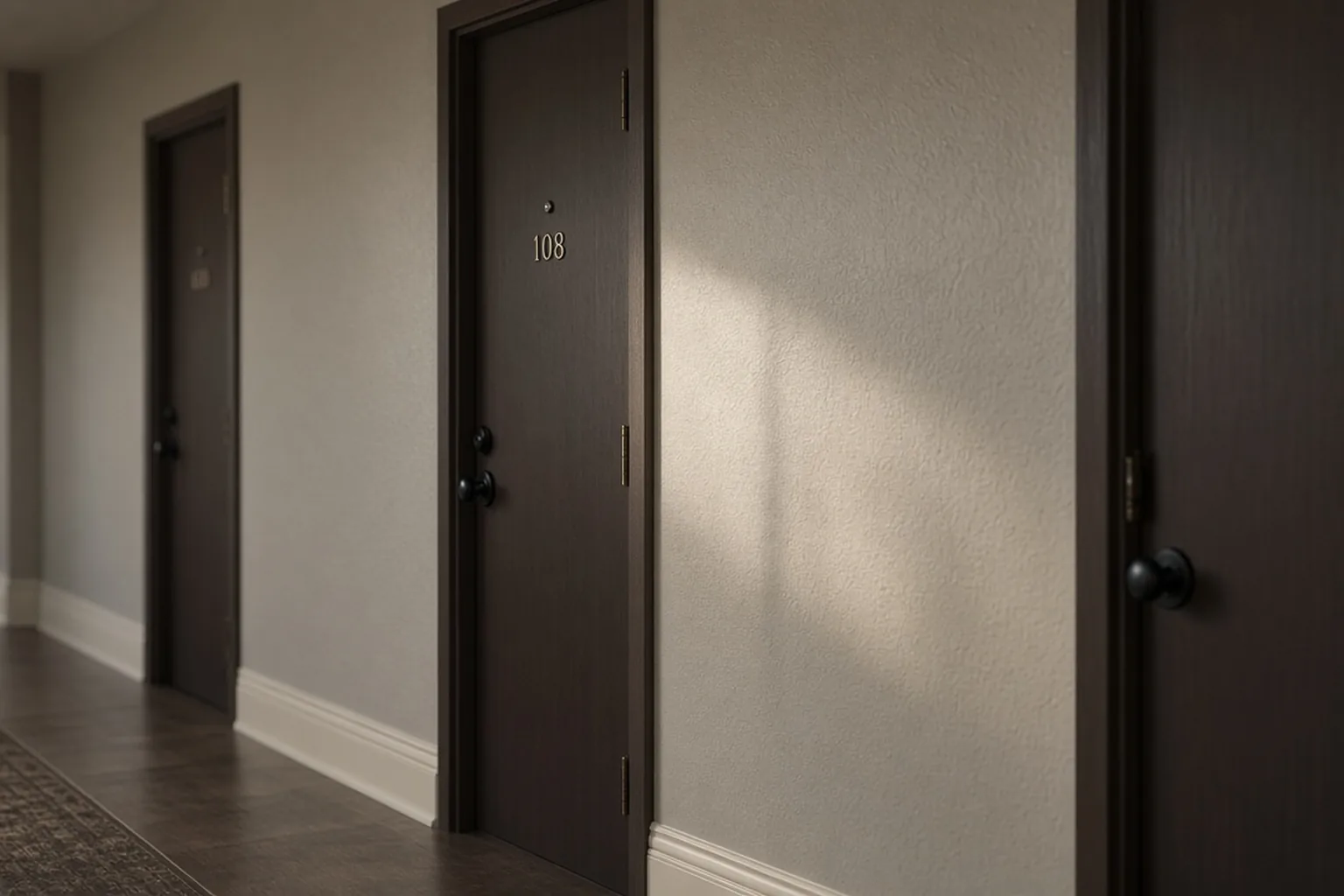 In a multi-unit building, mice move between apartments through shared walls and pipe chases, so treating one unit rarely solves it. Ask for a building-wide plan.
Did you know?
UC IPM reports that Norway rats have 4 to 6 litters a year, adding up to 20 or more young.
Nearly all U.S. hantavirus cases, 94% since 1993, have been west of the Mississippi, according to the CDC.
The CDC says to let bleach solution soak on rodent droppings for 5 minutes before wiping, after airing out the space for 30 minutes.
Questions people ask
How many traps does a Green Bay house need?
UW-Madison Extension considers a dozen traps the minimum for a private dwelling. Space mouse traps no more than 10 feet apart, with 3 feet preferred, and rat traps at least 20 feet apart. In a Green Bay basement with mice along several walls, more traps closer together catch them faster.
Why do rats keep trying to get in after I seal?
Rats are persistent. UW Extension says they may keep testing fresh rodent proofing for about two weeks. Check new repairs for gnaw marks and reseal any weak spots. Using durable materials, like hardware cloth, sheet metal, or mortar, makes it more likely they will give up.
When do mice come into Green Bay homes?
Mostly from September through November, as nights cool. With winter lows near 10F in Green Bay, mice that get in during fall stay in walls and garages through the winter. Sealing gaps in late summer and setting traps early in fall catches them before they settle.
What size hardware cloth keeps rodents out?
UW Extension specifies 24-gauge hardware cloth with 1/4-inch openings for mice and 1/2-inch hardware cloth for rats. Mice can get through any opening over 1/4 inch, so use the smaller mesh anywhere mice are a concern, which is almost everywhere in a home.
What is the 36-inch rat-proofing band?
Norway rats burrow and work along the foundation line, so UW Extension recommends blocking all openings from 36 inches below grade to 36 inches above it. That means checking foundation cracks, utility entries, and vents in that range, not just at ground level.
Should I move traps that aren't catching anything?
Yes. UW Extension recommends moving unproductive traps after seven days. Rodents follow set routes, so a trap a few feet off their path may never get visited. Look for droppings and rub marks to find the routes, then place traps along them.
How does rodent control work for Green Bay warehouses?
At much larger scale. UW Extension notes that 50 to 100 traps is not excessive in a warehouse. An industrial or commercial building in Green Bay usually needs scheduled monitoring and written logs. Ask a provider about trap counts, visit frequency, and reports.
Nearby cities
Related guides
Sources (6)
The facts in this article come from the public sources listed above. Every home is different, so ask the company you talk to about pricing and what’s included. Published by Rodent Exterminator · Updated October 11, 2026 · How we write these guides