The short version
Rodent control in New Rochelle targets Norway rats outside and house mice inside, with activity all year and a peak in fall. Seal gaps a pencil fits through with steel wool or metal, keep garbage tightly lidded, trap indoors, and use locked stations for rats. New York's DEC lets property owners remove rats and mice without a permit.
- Norway rats and house mice are New Rochelle's two structural rodents.
- Activity runs all year in this coastal city, with a fall peak as nights cool.
- New York DEC lets property owners remove mice and rats without a permit.
- Rental turnover in a college town makes move-in inspections worthwhile.
- Seal with metal materials, because rats chew through foam and caulk.
This guide is for New Rochelle homeowners who have seen rats near the garbage or found droppings in the basement, students and other renters in shared housing, and landlords managing multi-unit buildings or student rentals. It also fits restaurant and shop owners who need a rodent plan that holds up to inspection.
What to look for
Two rodents cause most of the trouble in New Rochelle. The Norway rat is a heavy, burrowing rat that lives in the ground along foundations, under garages and sheds, beneath stoops, and in overgrown corners. It feeds on garbage, pet food, compost, and bird seed, travels 100 to 500 feet a night to reach it, and can have 4 to 6 litters a year, according to UC IPM. In an urban city of 82,000 people, those foraging trips cross several properties, so a burrow in one yard can be fed by trash cans a few doors down. The house mouse lives indoors, nesting in walls, cabinets, and stored boxes after slipping through gaps the width of a pencil. New Rochelle's coastal climate keeps both busy. Summer highs near 84F and about 46 inches of rain support plenty of food and soft soil, while winter lows around 26F are cold enough to drive mice inside but not cold enough to stop rats. Activity runs all year, with a clear peak in fall when mice move in.
- 1Burrow openings in soil beside foundations, stoops, or garage slabs, sometimes with fresh dirt.
- 2Large, dark droppings near garbage cans or inside the garage.
- 3Gnaw marks on plastic trash cans, recycling bins, or wooden door bottoms.
- 4Small droppings in kitchen drawers, under sinks, or behind the stove from house mice.
- 5Scratching in walls or ceilings, especially from October onward.
- 6Smudge marks along basement walls where rats run the same route.
- 7Food packaging chewed open in pantries or shared kitchen cabinets.
Why it’s worth acting soon
- Rat urine can spread leptospirosis, and New York City counted 3 cases early in 2026 versus 1 a year before.
- Burrows undermine stoops, walkways, and garage slabs over time.
- Mice chewing wiring inside walls raise fire risk in any building.
- A fall mouse problem left alone keeps breeding through winter.
- In shared housing, one unit's mice quickly become the whole building's problem.
Treatment options and typical costs
Exterior rat control
Quoted after inspection
Locked, tamper-resistant stations and burrow monitoring around foundations, garages, and garbage areas. Since rats forage 100 to 500 feet, a provider should look at nearby food sources and, on dense blocks, may suggest coordinating with neighbors or a building manager.
- Time
- Ongoing until burrows stay quiet
- Best for
- Norway rats in yards and around garbage areas
Interior trapping
Quoted after inspection
Snap traps along walls in basements, kitchens, and storage areas, checked on a schedule. Indoors, traps avoid a poisoned rodent dying inside a wall, which matters in buildings where walls are hard to open.
- Time
- Several weeks
- Best for
- House mice and rats inside
Exclusion
Quoted after inspection
Sealing gaps at the foundation, around pipes and utility lines, under doors, and at vents using steel wool, hardware cloth, and metal flashing. Done before the fall peak, it prevents most winter mouse problems in New Rochelle homes and rentals.
- Time
- One or two visits
- Best for
- Any building with recurring rodents
Move-in and turnover inspections
Quoted after inspection
A check of a rental unit between tenants for droppings, nests, entry points, and gnaw damage. In a college town where leases change hands regularly, this catches problems before new occupants unpack and documents the unit's condition for both sides.
- Time
- One visit
- Best for
- Landlords and incoming renters
Prices are typical published ranges. Ask what’s included before you compare quotes.
 Rats can travel plumbing, so a sink or floor drain with a missing strainer is worth fixing; a tight strainer or grate keeps them out.
Why do Norway rats stay active year-round in New Rochelle?
They often have more than one opening, and fresh dirt pushed out means they are in use. Rats also breed quickly. UC IPM puts a female at 4 to 6 litters a year, weaning 20 or more young. The practical lesson is that rat control in New Rochelle depends as much on garbage and neighbors as on traps. Tight lids, timely pickup, and coordination on a block are what let stations and burrow treatment work. Norway rats need food, water, and soil they can dig, and New Rochelle provides all three almost every month. The coastal climate brings about 46 inches of rain a year and winter lows around 26F, which is cold but not cold enough to drive rats underground for long. In an urban city with 82,000 people living close together, food is everywhere: garbage cans, recycling bins, restaurant dumpsters, compost, bird feeders, and pet waste. Rats travel 100 to 500 feet from the burrow to feed, so the colony behind one garage can be eating from trash several houses away. Burrows show up along foundations, under stoops and garage slabs, and in overgrown corners.
Renters, students, and landlords in a college town.
Keep food in sealed containers rather than paper bags or open boxes, and take trash out often. If you own or manage rentals, treat the building as one unit. Mice move through wall voids and pipe chases, so a trap in one apartment does little if the basement and other units are ignored. Ask a provider for a building-wide inspection, a written entry-point list, and a schedule that covers turnover periods. Fall is the key season. When nights cool toward winter lows around 26F, mice move in, and sealing the building in late summer prevents most of the problems before they start. New Rochelle is known as a college town, and shared rentals have their own rodent patterns. More people means more food in more places, shared kitchens are hard to keep spotless, and turnover leaves units empty or stacked with boxes, which suits mice well. If you rent, start with a move-in check. Look under sinks, behind the stove and refrigerator, in closets, and in any basement storage for droppings or gnaw marks. Photograph anything you find and send it to the landlord in writing.
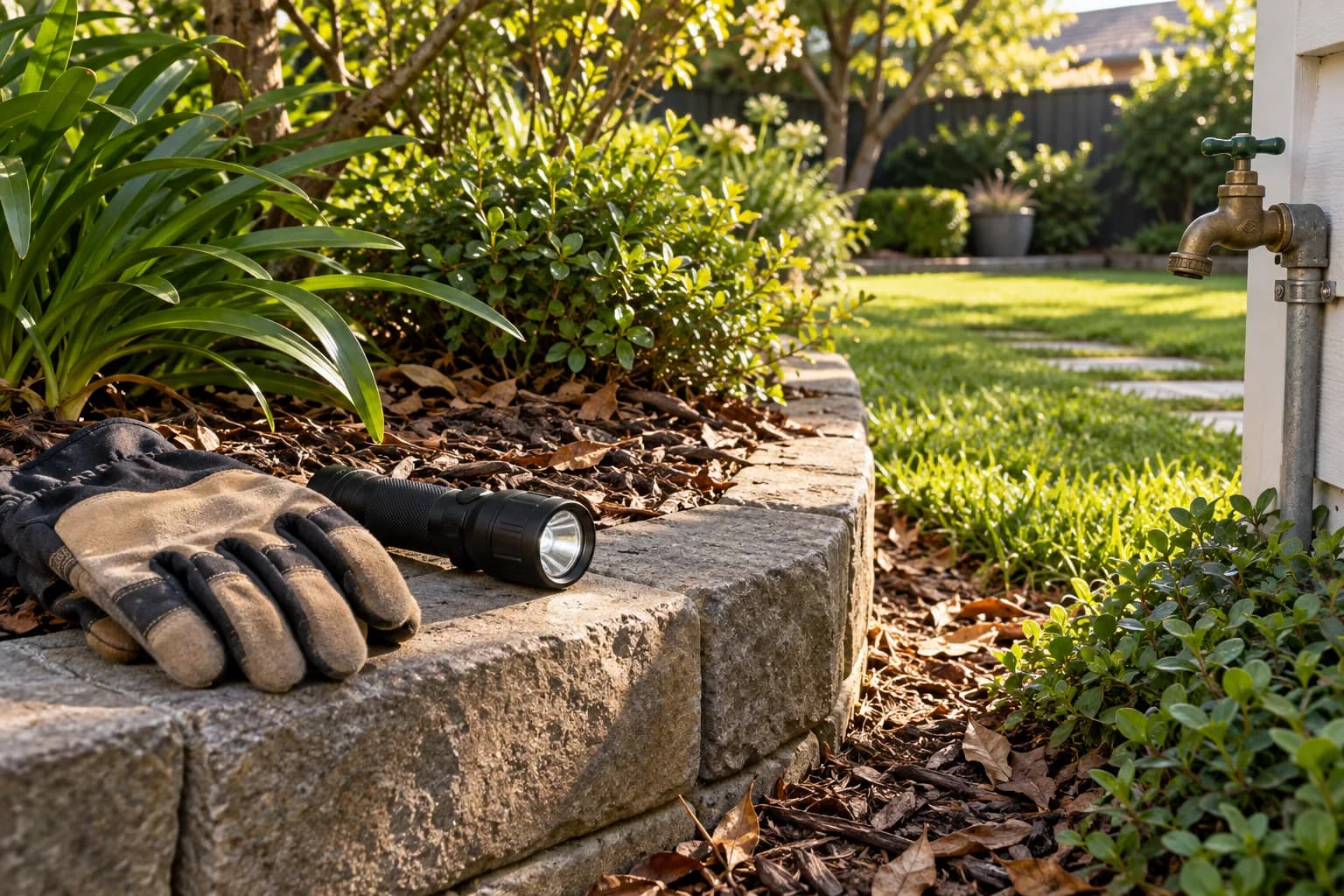 Dense shrubs against the house and a dripping hose bib give rodents cover and water. Trimming back and fixing drips makes the yard less inviting.
What does New York law say about removing rats and mice?
Safe choices look like this. Indoors, use snap traps placed along walls, in enclosed boxes if children or pets are around. Outdoors, use locked, tamper-resistant stations for rats, anchored so they cannot be moved. Check traps daily and handle them with gloves. If you hire a provider, ask which methods they use, where traps and stations will go, and how they protect nontarget animals. The DEC language refers to property owners, so renters should check with the landlord before setting traps in shared or common spaces. New York's Department of Environmental Conservation keeps it simple: property owners may take mice and rats without a permit. The one exception is the Allegheny woodrat, a native species that is protected. The common rodents in New Rochelle homes, the Norway rat and the house mouse, are not protected. That means you can trap mice and rats on your own property. It does not mean every method is a good idea. Loose poison can harm children, pets, and wildlife, and a poisoned rodent can die inside a wall where the odor lasts for weeks.
What drives the cost of rodent work in New Rochelle homes?
A single-family house is simpler than a multi-unit rental with shared basements and many utility lines, and a building with years of additions and repairs may hide more gaps. The third is sealing. Every gap a pencil fits through needs closing, and metal materials take more time than foam. The work pays off in fewer visits later. With a median home value around $610,000 in New Rochelle, repairing gnawed wiring, ruined insulation, or a finished space after rodent damage is rarely cheap, which makes thorough exclusion worth paying for. When comparing quotes, ask each provider to separate one-time sealing from recurring service, list follow-up visits, and say whether droppings cleanup is included. Rodent control in New Rochelle is quoted after an inspection, and three things move the price most. The first is the type of problem. A few house mice in a kitchen with obvious entry points is a short job: inspection, sealing, and a handful of traps with a follow-up. Norway rats burrowing outside add stations, burrow monitoring, and more visits. The second is the building.
New Rochelle's fall peak, month by month.
Keep traps along walls and check them daily, and look for new gaps wherever you find activity. December through February, winter lows around 26F keep mice indoors, where they breed in wall voids and storage. Norway rats stay active outdoors, clustering near garbage and warm foundations. March through May, rats become more visible as yards thaw and food returns. Look for new burrows along foundations and under stoops. June and July, summer highs near 84F keep rats outdoors and busy. Focus on garbage control, yard cleanup, and repairing anything chewed over the winter, then plan next August's sealing check. August is the best month to prepare. Walk the foundation, check around pipes and utility lines, and close gaps with steel wool and metal. Replace worn door sweeps. September brings cooler nights, and mice start testing doors, vents, and basement windows. Set a few traps in the basement and garage as an early warning. October and November are the peak. This is when most New Rochelle homes and rentals first notice droppings, scratching, or chewed packaging.
What affects the price
- Whether rats are burrowing outside, mice are inside, or both.
- The number of units and shared spaces in a multi-unit building.
- How many entry points need metal sealing.
- Burrows under slabs, stoops, or garages that need repeat monitoring.
- Commercial kitchens or food storage that need frequent service and records.
- The number of follow-up visits included.
📊
What's your biggest concern about rodents?
When to call for help
Call a provider if you see a rat, find burrows, or notice large droppings near the house. In an urban setting like New Rochelle, rats rarely travel alone, and the food source may be on a neighboring property. For mice, try traps first, then call if catches continue after a couple of weeks or droppings appear in more than one room. Landlords should call between tenants if a unit shows any signs, and restaurant owners should call at the first sighting. New York DEC lets property owners remove rats and mice without a permit, so the real question is doing it safely and thoroughly.
What you can do yourself
In shared rentals, one coordinated plan almost always beats each tenant setting traps alone. A provider makes sense for rats, for multi-unit buildings where every unit and the basement need attention, and for repeated fall infestations that point to a missed entry point. Loose poison is risky for pets, children, and wildlife. Their burrows need to be found and monitored, they avoid new objects at first, and their food may come from a neighbor's yard. Rats are harder. Snap traps along walls, sealed food containers, and steel wool in obvious gaps can clear a kitchen, and since New York DEC allows property owners to remove mice and rats without a permit, you are free to trap on your own property. House mice are often a DIY project.
Rodents in New Rochelle
At 72 feet of elevation, the ground stays damp much of the year, which suits burrowing Norway rats, while cooler fall nights send house mice indoors. The coastal climate brings summer highs around 84F, winter lows near 26F, 66% average humidity, and about 46 inches of rain a year. With a median home value near $610,000, chewed wiring and soiled insulation are expensive repairs worth heading off early. As a college town, it also sees leases change hands, and every move-in is a good moment to check a unit for droppings before boxes go into closets. Its urban density means a rat colony can feed at one property and burrow at the next, so block-level habits matter as much as your own yard. New Rochelle is an urban city of about 82,000 people on Long Island Sound, founded in 1688 and known as a college town.
Local research
Rodents in New Rochelle, NY: what the public record shows
Before you compare quotes, it helps to know which rodents actually live in New York, when they are busiest around New Rochelle, and what the state figures look like. Everything below links to the agency or university page it came from.
Leptospirosis cases, New York City (YTD 2026 vs 2025, week 13)
NYC reports separately from the rest of the state.
CDC NNDSSRodent species recorded in New York
- House mouse (Mus musculus) — Enters at 1/4 inch; 5-10 litters per year; eats about 200 small meals a night.
- Norway rat (Rattus norvegicus) — Burrowing rat of basements, sewers and ground floors; tail shorter than head plus body.
When rodents are busiest around New Rochelle
Year-round; fall peak. Pacific Northwest: roof and Norway rats plus deer mice statewide in Washington.
Based on New Rochelle’s humid subtropical climate profile.
Rules that apply in New York
For context, nationally
- 1/4 inch (the width of a pencil) — Smallest gap a mouse can enter. CDC
- 890; 35% fatal; 94% west of the Mississippi — Hantavirus cases reported since 1993 (through 2023). CDC
Sources: CDC NNDSS; CDC National Notifiable Diseases Surveillance System; New York State DEC; CDC; Pest Notes: House Mouse; Pest Notes: Rats. Figures are quoted as the source prints them. How we check our sources
Simple ways to keep rodents away
- Keep garbage in cans with tight lids and replace any cracked or chewed can.
- Put trash out the morning of pickup rather than the night before.
- Seal gaps around pipes and utility lines with steel wool and caulk before October.
- Fit doors and garage doors with tight sweeps, ideally metal-reinforced.
- Store food in sealed containers, especially in shared rental kitchens.
- Clear clutter and cardboard from basements and storage rooms.
- Pick up dog waste and fallen bird seed daily.
- Keep shrubs trimmed back from the foundation so burrows are easy to spot.
 A good rodent quote lists the inspection, the number of trapping visits, each opening to be sealed and the material for it, and any cleanup.
Did you know?
The native Allegheny woodrat is the one rat New York DEC carves out of its no-permit rule for property owners.
CDC disease tables report New York City separately from the rest of New York State.
The CDC's hantavirus tally since 1993 stands at 890 cases, nearly all of them west of the Mississippi.
Questions people ask
Are rats a year-round problem in New Rochelle?
Fall is the busiest season indoors, when mice and some rats look for warm shelter, but burrows and garbage activity continue in winter, so prevention cannot wait for spring. New Rochelle's coastal climate, with winter lows averaging about 26F and summer highs near 84F, keeps Norway rats active outdoors through the year. Yes.
Do I need a permit to trap rats or mice in New York?
For New Rochelle homeowners, that means you can trap on your own property, though safe methods still matter around children, pets, and wildlife. The one exception is the native Allegheny woodrat, which is protected. New York's Department of Environmental Conservation says property owners may take mice and rats without a permit. No.
Is leptospirosis a concern near New York City?
For New Rochelle homes, wear gloves when handling traps, wet down droppings with diluted bleach, and avoid puddles near burrows. The bacteria spread through rat urine in water and soil. CDC weekly tables show New York City with 3 leptospirosis cases in the first 13 weeks of 2026, compared with 1 the year before. It is uncommon but real.
What about hantavirus in New York?
Deer mice are the main carrier, while the rodents common in New Rochelle are Norway rats and house mice, but the wet cleanup method is still the right habit. cases since 1993 occurred west of the Mississippi. CDC tables list 1 hantavirus case in New York outside New York City so far in 2026, and the CDC notes 94% of U.S. It is rare in the East.
Who handles mice in a student rental?
In a college town like New Rochelle, any rental with a shared kitchen or frequent move-outs gives mice easy openings, so a building-wide plan from the landlord works better than each roommate setting traps. Sealing the building and treating common areas typically falls to the owner, while tenants keep food sealed and report sightings in writing. Check the lease.
How do I clean up droppings safely?
In a New Rochelle basement or garage with heavy droppings, consider having a provider handle the cleanup. Wear gloves and bag everything, and never sweep or vacuum. Ventilate the room for 30 minutes, then spray droppings with 1.5 cups of bleach per gallon of water and let it soak 5 minutes before wiping with paper towels.
What raises the cost of rodent control in New Rochelle?
Ask each New Rochelle provider to separate sealing, trapping, and ongoing service in the quote. A building with Norway rat burrows, several units, shared basements, and many utility penetrations takes more visits, stations, and materials. A house with a few mice and obvious gaps is a short job. Rats outside, multiple units, and the amount of sealing.
Nearby cities
Related guides
Sources (6)
The facts in this article come from the public sources listed above. Every home is different, so ask the company you talk to about pricing and what’s included. Published by Rodent Exterminator · Updated October 11, 2026 · How we write these guides