The short version
For rodent control in Skokie, Illinois, start in the basement. House mice and Norway rats usually get in low, through gaps around pipes, floor-level vents, foundation cracks and basement doors, and the push comes when fall nights head toward winter lows near 18 degrees. Close anything 1/4 inch or wider with steel wool, caulk, hardware cloth or mortar, then trap along the walls where droppings appear.
- Rodents usually get into Skokie homes low: basements, foundations and utility gaps.
- Rat droppings are much larger than mouse droppings, which tells you the plan.
- Illinois tracked 1 leptospirosis case in early 2026, tied to Chicago-area rats.
- Damp basements give mice water without leaving the lower floor.
- Never sweep droppings; soak them in bleach solution first.
This page is for Skokie homeowners finding droppings in a basement, laundry room or kitchen, renters who need to explain a rodent problem to a landlord, and anyone who has seen a rat near a garage or trash area. It also helps if you have tried a few traps and want a clearer plan.
What to look for
Clutter in storage areas offers nesting spots. Summer highs near 83 degrees keep rodents comfortable outside, but once fall arrives and winter lows approach 18 degrees, they move toward heated spaces and tend to stay until spring. Skokie's two main rodents are the house mouse and the Norway rat, and both tend to enter at or below ground level. Norway rats burrow along foundations and look for openings in basement walls, floor drains and gaps around utility lines. House mice need only about 1/4 inch and slip in through the same low routes, then climb inside walls to reach kitchens and upper floors. A basement makes this easy. With average humidity around 69 percent and about 37 inches of rain a year, a basement can stay damp, giving rodents water as well as shelter.
- 1Droppings near the water heater, furnace, laundry area or along basement walls.
- 2Larger, blunt droppings about 1/2 inch or more, which point to rats rather than mice.
- 3Gnaw marks around basement window frames, floor drains or the bottom of doors.
- 4Scratching or scurrying in walls or ceilings at night after the weather turns cold.
- 5Nests of paper, fabric or insulation in stored boxes or behind appliances.
- 6Burrows along the foundation or near a garage slab.
Why it’s worth acting soon
- Mice that find a damp, warm basement in fall can breed there all winter.
- Rats can widen gaps in mortar and around drains as they keep using them.
- Rat urine can spread leptospirosis, a disease Illinois tracks.
- Chewed wiring in basements and walls can create hidden hazards.
- Stored belongings in basements get soiled by droppings and urine.
1Illinois hantavirus cases in 2025 (provisional)CDC NNDSS 1 vs. 3Illinois leptospirosis cases, through week 13 of 2026 vs. 2025CDC NNDSS Treatment options and typical costs
Basement and foundation sealing
Quoted after inspection
Closing gaps 1/4 inch or larger around pipes, vents, basement windows, doors and foundation cracks using steel wool and caulk, hardware cloth, sheet metal or mortar. In Skokie homes, this low-level sealing usually matters most. Ask the provider to show you each gap before and after.
- Time
- Depends on how many gaps are found
- Best for
- Homes with basement activity
Snap trapping along basement and kitchen walls
Quoted after inspection
Traps set along walls, near the furnace and water heater, and in kitchen cabinets where droppings appear. Traps are checked and reset until catches stop. Trapping clears mice already inside while sealing stops new ones.
- Time
- Until catches stop
- Best for
- House mice in basements and kitchens
Exterior rat control
Quoted after inspection
Tamper-resistant stations or traps near burrows, along the foundation and by garages and trash areas, with burrows filled once activity stops. Ask how stations are locked, how often they are checked, and how pets are protected.
- Time
- Until activity stops, then periodic checks
- Best for
- Norway rats burrowing outdoors
Basement cleanup
Quoted after inspection
Removing droppings, nests and soiled stored items using ventilation, a bleach soak and wet wiping. Some providers also remove contaminated insulation. This fits basements and storage areas with heavy or long-term activity.
- Time
- Depends on how much soiling is found
- Best for
- Basements and storage rooms with heavy droppings
Prices are typical published ranges. Ask what’s included before you compare quotes.
 Clutter gives mice cover. Keeping stored fabric in lidded bins and off the floor takes away the nesting spots they like best.
Basements: where Skokie rodent problems usually begin.
Steel wool and caulk handle the small gaps; hardware cloth or sheet metal covers bigger ones, and fresh mortar replaces any that has crumbled. Note where droppings concentrate, since they usually cluster near entry points and travel routes. Look at basement windows and doors for gaps and gnaw marks. Check every pipe and wire entry. Look along the top of the foundation wall where it meets the wood framing. Take a flashlight and check systematically. Storage boxes, laundry areas and the warmth around furnaces and water heaters provide shelter. With Skokie's average humidity near 69 percent, basements often stay damp enough to provide water. They also offer what rodents need. Gaps around those penetrations, cracks in foundation walls, loose window frames and worn door sweeps are all common entries. Basements sit where rodents naturally travel: along the foundation, at ground level, where pipes, wires and drains pass through. If you have mice or rats in a Skokie home, the basement is the most likely place they got in, and the best place to start looking.
Mouse or rat? Reading the signs in your home.
Why it matters: mice need many traps set close together near droppings, and sealing to 1/4 inch. Mice rarely leave obvious signs outside. Outdoors, rats leave burrows along foundations and garage slabs, with worn runways through grass. Rats leave larger, rougher holes and may gnaw through wood, plastic and even soft mortar. Mice leave small, clean gnaw holes and shred paper for nests. Damage varies. Rats are heavier and sound like thumping or dragging. Mice make light scratching and quick scurrying. Sounds differ too. Rat droppings are much larger, often half an inch or more, and blunt at the ends. A mouse leaves small, pointed pellets roughly the size of a grain of rice. Droppings are the clearest clue. The plan for a Skokie home depends on whether you have mice or rats, and a few signs tell you which. If unsure, show a photo of the droppings to a provider. Rats need wider trap placement, patience since they avoid new objects, and stronger sealing materials.
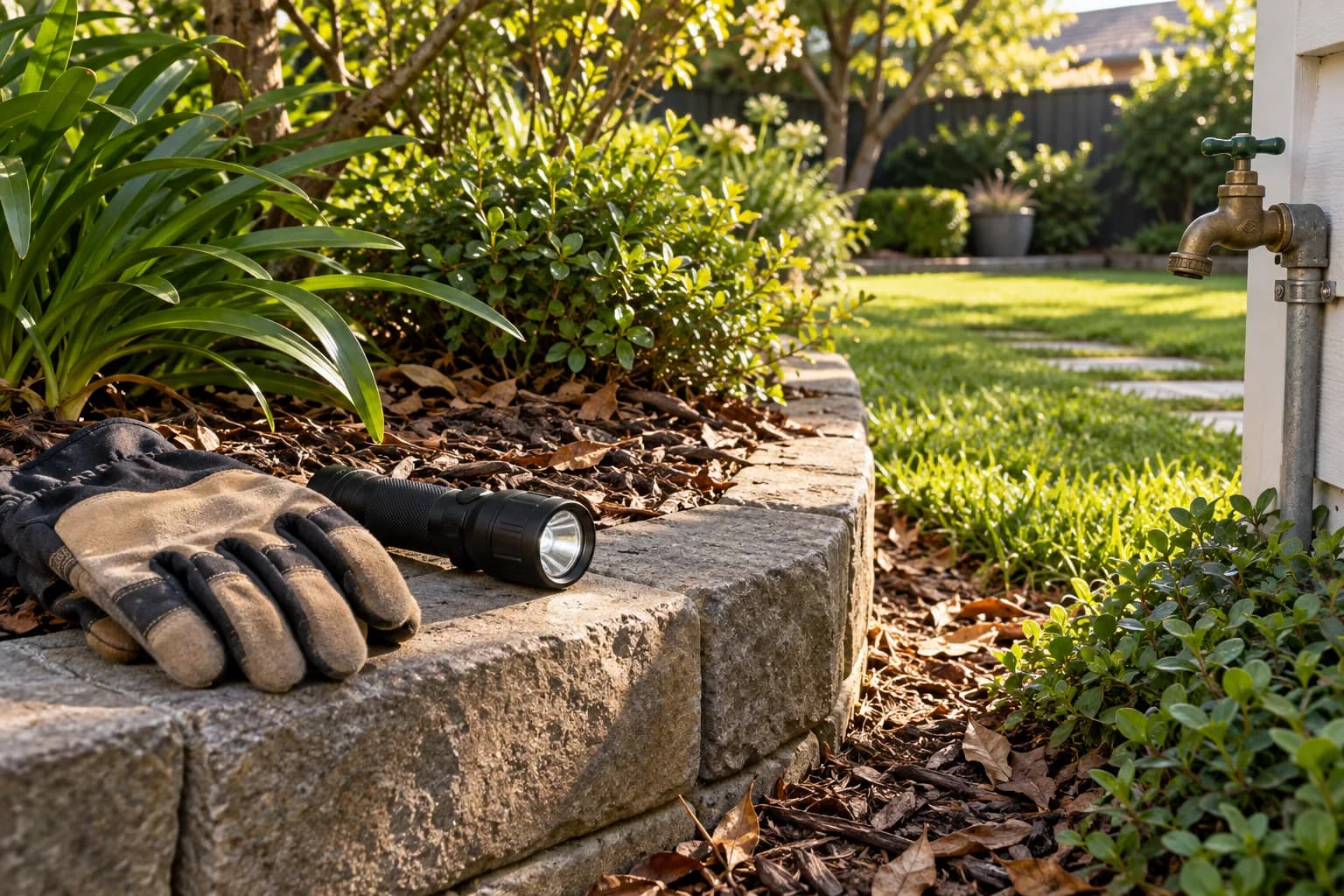 Dense shrubs against the house and a dripping hose bib give rodents cover and water. Trimming back and fixing drips makes the yard less inviting.
Leptospirosis and Chicago-area rats.
If you have rats near your home, controlling them protects your family and pets from more than property damage. Wash hands after yard work near burrows. Avoid touching standing water in those areas, and keep dogs from drinking it. Wear gloves when cleaning areas where rats have been. Puddles near rat burrows, damp basement floors where rats travel, and areas around trash are the places to be careful. The risk comes from contact with contaminated water or soil, often through cuts or the eyes. The numbers are small, but rats are a key urban reservoir. residents outside the territories had 21 cases over those weeks, versus 22 the year before. Nationally, U.S. The CDC's count through early April 2026 showed 1 Illinois case, compared with 3 at the same point in 2025. It is uncommon in Illinois, but cases have been tied to rat exposure in the Chicago area, so Skokie residents should know the basics. Leptospirosis is a bacterial disease that rats spread through urine in water and soil.
The first cold snap: why fall brings mice to Skokie.
The best time to act is August. April and May bring thaw and rain, and spring cleaning often reveals winter nests in storage areas. Mice move from the basement into walls and kitchens. With winter lows near 18 degrees, rodents that got in stay put and keep breeding. December through March is the settled-in period. Basements are the natural first stop, since they sit at ground level and stay warmer than outdoors. As nights cool, outdoor food thins and rodents look for warmth. September through November is when that changes. They breed and build numbers through the warm months. Summer, with highs near 83 degrees, keeps mice and rats outdoors with plenty of food. Around Skokie, the first truly cold nights of fall set off the yearly move-in, and knowing the pattern helps you get ahead of it. Doing it before the cold arrives keeps most rodents out. Walk the basement and outside foundation, seal gaps 1/4 inch or larger, fix door sweeps and organize storage.
Cleaning up after rodents in a basement or garage.
The CDC warns against both because they put particles into the air. Do not sweep or vacuum droppings. Then mop or wipe floors and surfaces with the same solution. Wipe up the wet material with paper towels and seal everything in a plastic bag for the trash. Let it soak for 5 minutes. Spray droppings, urine spots and nests with a bleach solution of 1.5 cups of bleach per gallon of water, which works out to about a 1 to 9 ratio. Put on rubber or plastic gloves. This lets fresh air move through before you disturb anything. Open basement windows or run a fan and leave the area for 30 minutes before you begin. Start by ventilating. Once trapping is done in a Skokie home, cleanup is the last step, and doing it the right way protects your health. Going forward, store belongings in sealed plastic bins on shelves so droppings are easy to spot. For stored items, toss soiled cardboard and wash or disinfect anything you keep.
What affects the price
- The number of basement and foundation gaps that need sealing.
- Whether mortar repair or metal patching is needed around drains and windows.
- Mice only, or Norway rats as well.
- How much basement cleanup and insulation removal is involved.
- The number of follow-up trap checks included.
- Whether exterior stations are set up on an ongoing plan.
📊
What's your biggest concern about rodents?
When to call for help
Ask the company how it will seal at the foundation level and whether it will inspect the garage and yard too. Heavy droppings in a storage area are another reason, since cleanup takes care. Call too if mice keep returning after two weeks of trapping, or if your basement has finished walls that hide entry points. Bring in a provider if you find rat droppings or burrows, since rats often enter through floor drains, mortar gaps and foundation cracks that need more than caulk.
What you can do yourself
In those situations, a provider who knows where to look will usually solve it faster. Doing the clutter cleanup and food storage yourself still helps. Mice in a Skokie basement or kitchen are often a reasonable DIY project. With a flashlight, check where pipes and wires come through the foundation, around basement windows and under doors, and seal small gaps with steel wool topped by caulk. Set snap traps along basement and kitchen walls where droppings turn up, and check them daily. Rats raise the difficulty. They enter through larger gaps, may use floor drains, and avoid new traps for days. Foundation cracks and crumbling mortar can need masonry repair. A finished basement can hide the real entry behind drywall.
Rodents in Skokie
At about 614 feet of elevation in the Chicago area, Skokie shares the region's pattern of Norway rats and house mice, and Illinois leptospirosis cases have been tied to rat exposure around Chicago. Summer highs near 83 degrees give way to winter lows near 18, which drives the fall move-in. With a median home value around $345,000, sealing a foundation and keeping a basement clean protects belongings, wiring and insulation that are expensive to replace. Skokie is a suburban community of about 67,000 people, founded in 1888 and known for the Illinois Holocaust Museum and its diverse community. For rodent control, the details that matter most are underground. If your home has a basement, average humidity near 69 percent and about 37 inches of yearly rain can keep it damp, which gives rodents water and shelter close to the foundation where they enter.
Local research
Rodents in Skokie, IL: what the public record shows
Before you compare quotes, it helps to know which rodents actually live in Illinois, when they are busiest around Skokie, and what the state figures look like. Everything below links to the agency or university page it came from.
Leptospirosis cases (YTD 2026 vs 2025, week 13)
Chicago rat exposure.
CDC NNDSSRodent species recorded in Illinois
- House mouse (Mus musculus) — Enters at 1/4 inch; 5-10 litters per year; eats about 200 small meals a night.
- Norway rat (Rattus norvegicus) — Burrowing rat of basements, sewers and ground floors; tail shorter than head plus body.
When rodents are busiest around Skokie
Fall entry; winter infestations. Upper Midwest and Northeast: mice in walls and garages all winter.
Based on Skokie’s humid continental climate profile.
For context, nationally
- 1/4 inch (the width of a pencil) — Smallest gap a mouse can enter. CDC
- 890; 35% fatal; 94% west of the Mississippi — Hantavirus cases reported since 1993 (through 2023). CDC
Sources: CDC National Notifiable Diseases Surveillance System; CDC NNDSS; CDC; Pest Notes: House Mouse; Pest Notes: Rats. Figures are quoted as the source prints them. How we check our sources
Simple ways to keep rodents away
- Seal gaps around pipes and wires where they pass through the foundation.
- Fit floor drains with secure covers if rats are active nearby.
- Run a dehumidifier in damp basements to remove an easy water source.
- Keep stored items in plastic bins on shelves, not cardboard on the floor.
- Fix door sweeps on basement and garage entry doors.
- Repair cracked mortar around basement windows.
- Keep trash in cans with tight lids, away from the house.
 In a multi-unit building, mice move between apartments through shared walls and pipe chases, so treating one unit rarely solves it. Ask for a building-wide plan.
Did you know?
Lymphocytic choriomeningitis is a virus house mice can pass directly to people, and it appears on the CDC's list of rodent-borne diseases.
A Norway rat female typically has four to six litters a year and can wean 20 or more young annually.
About 35 percent of the 890 U.S. hantavirus cases reported from 1993 through 2023 were fatal.
Questions people ask
How do rodents get into Skokie homes?
Mice need only about 1/4 inch. Check the basement first with a flashlight and look for droppings and daylight. Most get in low. Around Skokie, the common routes are gaps around pipes and wires in the foundation, cracks in basement walls, loose basement window frames, worn door sweeps and, for rats, floor drains.
Do I have mice or rats?
Rats also leave burrows outdoors and make heavier noises. In a Skokie basement, small droppings near the furnace usually mean mice, while larger ones near a drain suggest rats. Look at the droppings. Mouse droppings are small, about the size of a rice grain, while rat droppings are much larger and blunt.
Is leptospirosis a concern near Chicago?
The bacteria spread through rat urine. Wear gloves when cleaning areas rats use and keep pets from drinking standing water. It is uncommon, but Illinois cases have been linked to rat exposure in the Chicago area. Illinois logged just 1 case in the first 13 weeks of 2026, down from 3 over the same weeks of 2025, per CDC tables.
How should I clean up mouse droppings in a basement?
Wearing gloves, spray droppings with 1.5 cups of bleach per gallon of water and let it soak 5 minutes, then wipe up with paper towels and bag them. The CDC says never to sweep or vacuum, which spreads particles. Open windows or run a fan and leave the area for 30 minutes.
When do mice move into houses in Skokie?
Skokie winter lows near 18 degrees keep mice indoors once they find a way in, and they breed through the winter in basements and walls. Sealing foundation gaps in late summer keeps most of them out. Mainly from September through November, as nights get cold.
Is hantavirus a risk in Illinois?
Wild mice carry it, not house mice or Norway rats. Clean all droppings with bleach solution after airing the space out, since you cannot tell droppings apart by sight. It is rare. Illinois was one of only a few eastern states with a case in the CDC's provisional 2025 count, with 1 of 17 nationwide.
How much does rodent control cost in Skokie?
The total usually depends on how many foundation gaps need sealing, whether mortar or drain work is needed, whether rats are present, and how much basement cleanup is involved. Ask for each piece priced separately. Skokie providers generally quote after an inspection, and there is no published local price.
Nearby cities
Related guides
Sources (6)
The facts in this article come from the public sources listed above. Every home is different, so ask the company you talk to about pricing and what’s included. Published by Rodent Exterminator · Updated October 11, 2026 · How we write these guides