The short version
Rodent control in Westminster, CO deals with three animals: deer mice, which carry hantavirus, house mice in walls and kitchens, and Norway rats that burrow outside. Seal openings down to 1/4 inch before winter lows near 19F arrive, trap indoors, and treat spring cleanup of closed garages and sheds with care: ventilate 30 minutes, then soak droppings in diluted bleach.
- Westminster homes deal with deer mice, house mice and Norway rats.
- Colorado had 2 of the 17 provisional U.S. hantavirus cases in 2025, per the CDC.
- The riskiest moment is sweeping out a garage or shed after winter.
- Plague clusters in southern Colorado, not the Denver suburbs, though pet flea control still helps.
- A gap the width of a pencil is enough for a mouse.
This guide is for Westminster homeowners opening up garages, sheds and campers in spring, families hearing noises in walls or ceilings over winter, renters who have found droppings in a kitchen drawer, and landlords who want to know what a proper fix includes. Small business owners with storage rooms will find the inspection and sealing sections useful too.
What to look for
Westminster deals with all three of Colorado's structural rodents. Deer mice are the natives: white-bellied, big-eyed mice that live outdoors and move into garages, sheds, campers and crawl spaces, carrying hantavirus with them. House mice are indoor settlers that nest in walls, cabinets and insulation and can breed year-round once inside. Norway rats are ground-level burrowers drawn to compost, trash, birdseed and pet food. The climate concentrates them around houses. Westminster gets about 16 inches of rain a year with humidity near 50 percent, so watered lawns, garden beds, hose bibs and pet bowls become the dependable water sources. Summer highs near 89F keep rodents active outside, then winter lows around 19F push them toward heated space. At 5,384 feet, a garage that stays above freezing is a real prize. The health picture follows the species. The CDC's provisional 2025 table shows 2 hantavirus cases in Colorado, and the riskiest exposure comes in spring, when people sweep out spaces that deer mice used all winter.
- 1Droppings on garage shelves, in tool drawers or along the base of storage bins.
- 2Nests of shredded insulation, paper or fabric in camper cabinets, boxes or patio cushions.
- 3Chewed wiring or packed nesting material under the hood of a car that sits for long stretches.
- 4Scratching or light thumping above ceilings or inside walls on cold nights.
- 5Burrow openings with fresh soil in garden beds, under decks or along the foundation, a common Norway rat sign.
- 6Seed hulls and droppings under bird feeders that keep coming back after you clean.
- 7A musty, ammonia-like smell when you open a shed or storage room that was shut for months.
Why it’s worth acting soon
- Of the 890 U.S. hantavirus cases the CDC counted since 1993, about 35 percent were fatal.
- Mice nesting in a vehicle can chew through wiring and leave you with an expensive repair.
- House mice that slip in during fall keep breeding indoors through the winter.
- Norway rats range across several yards, so an ignored burrow can feed a problem along the whole street.
- Nesting can ruin attic or crawl space insulation, which then has to be removed and replaced.
890 cases, 35% fatalU.S. hantavirus cases since 1993 and share fatalCDC 94%Hantavirus cases west of the MississippiCDC Treatment options and typical costs
Exclusion work
Quoted after inspection
Closing every opening 1/4 inch or wider with steel wool and sealant, hardware cloth, metal flashing and new door sweeps. Garage door seals, utility penetrations and foundation vents deserve the closest look. Getting this done in Westminster before the first hard freeze keeps the fall wave of mice outside.
- Time
- Depends on the number of openings and buildings
- Best for
- Any home with mice returning each fall
Indoor trapping
Quoted after inspection
Snap traps or enclosed snap traps along walls, in the garage and in any outbuilding with droppings. Trapping lets you count catches and remove each carcass with gloves, which matters when deer mice are involved. Ask whether the provider checks traps on a schedule and who disposes of the catches.
- Time
- Until catches stop
- Best for
- House mice and deer mice already inside
Exterior stations for Norway rats
Quoted after inspection
Locked stations along foundations and fence lines, set where rat runways and burrows show up. Since rats in a suburb travel well beyond a single lot, ask how the provider decides placement, what goes inside each station, and how pets and wildlife are kept out.
- Time
- Ongoing, serviced on a schedule
- Best for
- Properties with burrows or rat sightings
Deer mouse cleanup and sanitizing
Quoted after inspection
Ventilating, soaking droppings and nests with diluted bleach, bagging contaminated material and disinfecting surfaces, with crews in gloves and often respirators. This is the job most worth hiring out when a Westminster garage, shed or camper sat closed all winter and holds a season's worth of nests.
- Time
- Depends on the size and condition of the space
- Best for
- Heavily soiled garages, sheds, campers and crawl spaces
Prices are typical published ranges. Ask what’s included before you compare quotes.
 Clutter gives mice cover. Keeping stored fabric in lidded bins and off the floor takes away the nesting spots they like best.
Reading rodent clues room by room in a Westminster house.
Garage and shed: Droppings on shelves, chewed seed bags and nests in boxes or camper cushions often point to deer mice, which favor outbuildings and rooms people rarely use. Treat these spots as cleanup hazards and wet everything before you touch it. Kitchen and pantry: Small droppings in drawers, gnawed cereal boxes and activity behind the stove usually mean house mice, the species most at ease living alongside people. Attic and walls: Light scratching on cold nights, especially once lows drop toward 19F, means mice have found a way up through a wall cavity or a gap at the roofline. Yard and foundation: Burrows under decks, along the foundation or beside compost bins are the Norway rat signature. Rats tend to stay low and come in through garages and crawl spaces. If you find droppings and cannot tell which mouse left them, assume deer mouse. The careful cleanup method costs nothing extra and protects you either way. Where you find the evidence often tells you which rodent you have, and in Westminster that matters because one of the three carries hantavirus.
When are rodents most active in Westminster?
The first runs from roughly March through May. Rodents are not suddenly more numerous, but people open garages, sheds, campers and storage rooms that deer mice used all winter. Sweeping that debris out dry is the classic hantavirus exposure, which is why the Colorado data we compiled marks spring cleanup as the peak risk. Summer, June through August, keeps rodents busy outdoors. Highs near 89F and a 16-inch rainfall year send them toward shade and water: irrigated beds, sprinkler lines, dripping spigots and the pet bowl on the patio. Deer mice stay active around outbuildings. The second season starts as nights cool in September and builds through November. Mice test garage door seals, foundation vents and utility gaps, and the ones that get in stay through winter lows near 19F, nesting in walls, attics and parked vehicles. The practical rhythm: seal in late summer, trap through winter, and treat every spring cleanout as a careful job rather than a quick sweep. Westminster has two rodent seasons that matter, and they are not the same problem.
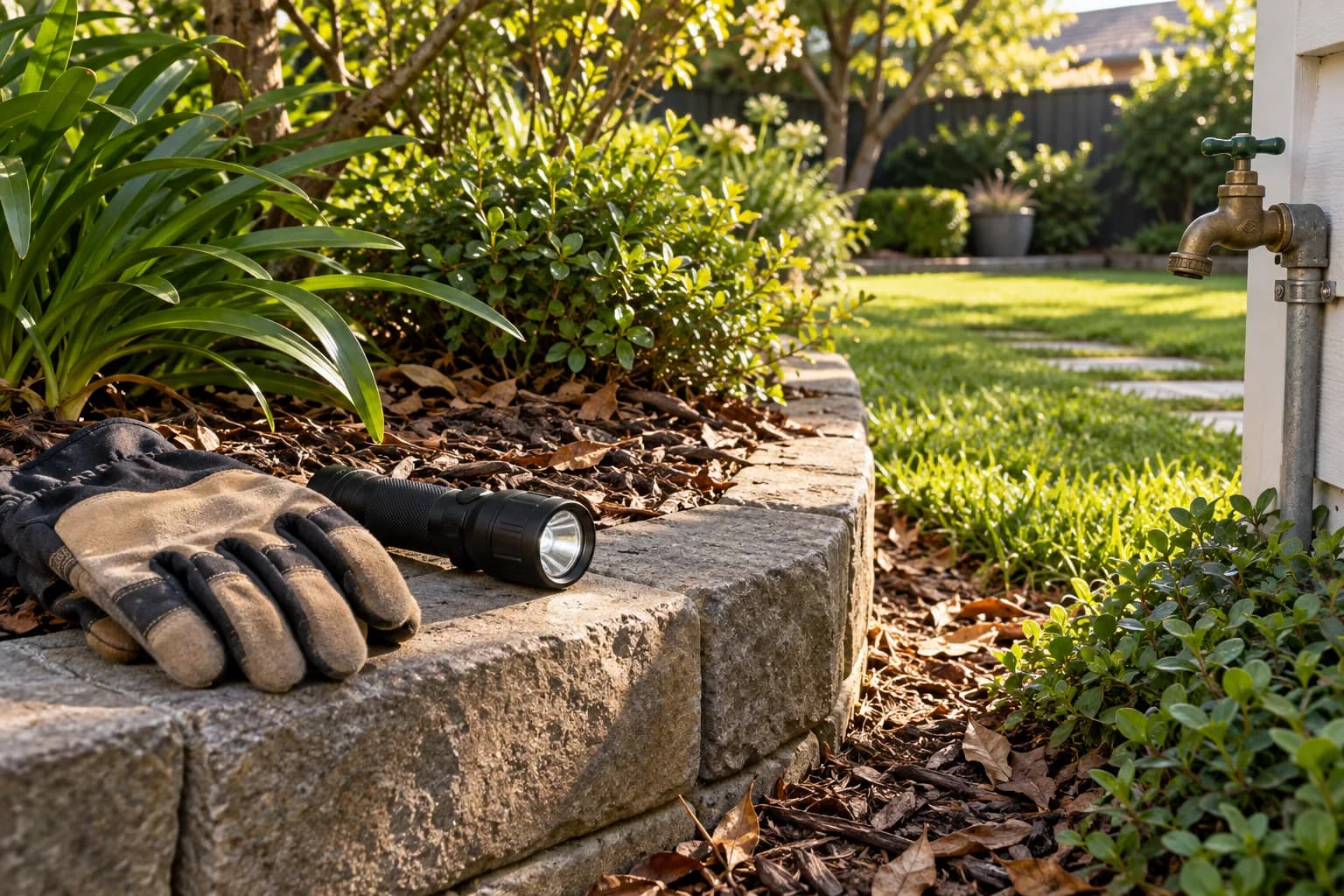 Dense shrubs against the house and a dripping hose bib give rodents cover and water. Trimming back and fixing drips makes the yard less inviting.
Cars, campers and stored gear: where deer mice spend the winter.
Mice like engine bays and camper interiors for the same reasons they like garages: shelter from 19F nights, soft nesting material and little disturbance. In a camper, they shred cushions, curtains and insulation and leave droppings in cabinets and vents. Under a hood, they chew wiring and stuff air filters and intakes with nests. Because deer mice are part of the local mix, treat a camper the way you would a closed shed. Prop the doors and windows open and let it air for 30 minutes before starting. Wear gloves, spray droppings and nests with a 1:9 bleach solution, let it soak for 5 minutes, then wipe and bag everything. Do not vacuum or sweep first. To prevent a repeat, store campers and seldom-used vehicles in a sealed garage if you can, keep food out of them, and check under the hood every few weeks through winter. A camper or car that sits all winter is an easy place for a rodent mess to build up unnoticed, and in Westminster the mess often goes unnoticed until something stops working or smells wrong.
What should a first rodent inspection in Westminster cover?
Expect the provider to walk the outside of the house first. They should look at the garage door seal and corners, foundation vents, gaps where gas, water and cable lines enter, dryer and bath vents, window wells and the roofline. The CDC treats any opening of 1/4 inch or more as a possible entry, so a good inspector notes each one rather than just eyeballing the house. Inside, they should check the garage, attic, crawl space or basement, kitchen cabinets and the areas behind appliances, reading droppings, rub marks and nests to identify the species. In Westminster that identification matters, since deer mice change how cleanup has to be handled. Outside, they should look for Norway rat burrows under decks and sheds and along the foundation, and flag food sources such as bird feeders and compost. Before agreeing to anything, ask for the findings in writing with a photo or note for each opening, a sealing plan that names materials, and a separate line for cleanup. A useful first visit covers every structure on the lot, not just the room where you saw droppings.
When is a rodent problem urgent rather than routine?
A few cannot. Illness after a cleanup comes first. Hantavirus can start like the flu, with fever and muscle aches, then move to breathing trouble. If that happens after you cleaned droppings in a garage, shed or camper, get medical care and tell the doctor about the rodent exposure. Colorado's 2 provisional cases in 2025 show the disease is rare, not impossible. Chewed wiring is next. Gnawed insulation on wires in an attic, wall or vehicle is a fire and failure risk. Shut off the affected circuit if you can and have an electrician look at it alongside the rodent work. A rat in the living space, rather than the yard or garage, also calls for quick action. A cornered rat may bite, so shut the door to that room, keep kids and pets elsewhere, and call for help. Everything else, from droppings in a drawer to a burrow under the deck, deserves prompt but calm attention. For a Westminster home near the $525,000 median, the bigger cost usually comes from waiting out a whole winter. Most rodent problems can wait a few days for the right provider.
What affects the price
- How many structures are involved: house, garage, shed, camper.
- The number of gaps and the materials needed to close them.
- Whether deer mice are present, which calls for protected cleanup.
- Insulation or stored belongings ruined by nesting that must be hauled away.
- Exterior rat stations and how often they get serviced.
- Follow-up trap checks written into the agreement.
📊
What's your biggest concern about rodents?
When to call for help
Bring in a provider if you find more than a few droppings in a closed garage, shed or camper, if mice keep turning up despite steady trapping, or if you see rats or burrows. Across Westminster, it also makes sense to call before the spring cleanout of any space deer mice used over winter, so the work happens with protective gear. Chewed wiring, droppings in ductwork, or a rodent in a bedroom are reasons to move quickly. Anyone who develops fever and muscle aches, followed by shortness of breath, after cleaning up droppings should see a doctor right away and mention the exposure.
What you can do yourself
You can handle a lot of rodent prevention in Westminster yourself. Snap traps along garage and kitchen walls catch house mice well. Steel wool packed into pipe gaps and capped with sealant, a new garage door bottom seal, and metal bins for birdseed and pet food all cost little and work. Moving bird feeders away from the house helps with both mice and rats. Paying someone makes more sense in three situations. The first is heavy deer mouse contamination, where the cleanup itself carries the health risk. The second is Norway rats, which are wary of traps and need station placement that covers the whole lot. The third is sealing that requires ladders, roof work or cutting sheet metal. Plenty of owners split the job: they hire out the inspection, sealing and cleanup, then keep up the trapping and prevention on their own.
Rodents in Westminster
Westminster is a suburban city of about 115,000 people in the Denver suburbs, founded in 1911 and known for the Butterfly Pavilion. Its rodent picture is shaped by altitude and dryness. At 5,384 feet, with roughly 16 inches of rain a year and humidity around 50 percent, the semi-arid climate makes irrigated yards and household water the most reliable drinks around, and rodents settle close to them. Summer highs near 89F give way to winter lows around 19F, so fall brings a steady push of mice into garages and houses. All three of Colorado's structural rodents live here: deer mice, house mice and Norway rats. Colorado's 2 provisional hantavirus cases in 2025 keep careful spring cleanup on the list. With a median home value near $525,000, sealing out mice is cheap protection for wiring, insulation and stored belongings.
Local research
Rodents in Westminster, CO: what the public record shows
Before you compare quotes, it helps to know which rodents actually live in Colorado, when they are busiest around Westminster, and what the state figures look like. Everything below links to the agency or university page it came from.
Rodent species recorded in Colorado
- House mouse (Mus musculus) — Enters at 1/4 inch; 5-10 litters per year; eats about 200 small meals a night.
- Norway rat (Rattus norvegicus) — Burrowing rat of basements, sewers and ground floors; tail shorter than head plus body.
- Deer mouse (Peromyscus maniculatus) — Primary U.S. hantavirus carrier; lives throughout Washington and the interior West.
When rodents are busiest around Westminster
Spring cleanup exposure; summer. Deer mice and hantavirus in NM/AZ/CO/NV; plague fleas on wild rodents.
Based on Westminster’s semi-arid climate profile.
For context, nationally
- 1/4 inch (the width of a pencil) — Smallest gap a mouse can enter. CDC
- 890; 35% fatal; 94% west of the Mississippi — Hantavirus cases reported since 1993 (through 2023). CDC
Sources: CDC National Notifiable Diseases Surveillance System; CDC; Pest Notes: House Mouse; Pest Notes: Rats; Hantavirus. Figures are quoted as the source prints them. How we check our sources
Simple ways to keep rodents away
- Seal gaps at the garage door, utility lines and foundation vents before the first hard freeze.
- Store birdseed, grass seed and pet food in metal containers with snug lids.
- Hang bird feeders well away from the house and sweep up spilled seed.
- Fix dripping hose bibs and sprinkler leaks that give rodents a reliable drink.
- Check under the hood of any car or camper that sits unused through winter.
- Keep firewood and stored lumber off the ground and away from exterior walls.
- Air out a closed shed for 30 minutes before you start spring cleaning.
- Keep pets on flea prevention if they hunt or roam open areas.
 After sealing, a few monitors or unset traps left along the walls tell you whether anything is still getting in before you hear it again.
Did you know?
California led the CDC's provisional 2025 hantavirus count with 4 cases, Arizona followed with 3, and Colorado came next with 2.
Salmonellosis, a common foodborne illness, appears on the CDC's list of diseases rodents can spread directly to people.
CDC cleanup guidance says to let a closed space air out for 30 minutes before touching droppings, and never to sweep or vacuum them.
Questions people ask
Is hantavirus something to worry about in Westminster, CO?
Take it seriously, but keep it in proportion. The CDC counted 17 provisional U.S. cases in 2025, 2 of them in Colorado, and about 35 percent of reported cases since 1993 have been fatal. Westminster residents face the most risk when sweeping out a garage, shed or camper that deer mice used over winter, so air it out and wet everything first.
Is plague a risk in the Denver suburbs?
For a Denver suburb, the plague risk is small. The areas the CDC flags start farther south in Colorado and run into New Mexico and Arizona, plus parts of California, Oregon and far western Nevada. Nationally the average is about 7 human cases a year. Flea control on pets and gloves for dead rodents cover what most households need.
Do mice come inside during a Westminster summer?
Some do, though for different reasons than in winter. With highs near 89F and only about 16 inches of rain a year, rodents go where water and shade are: under decks, into irrigated beds, and through garage doors left open. Summer is also when deer mice stay busy around sheds and campers you have just reopened.
Why do I find mouse nests in my car?
Engine bays are warm, sheltered and close to the ground. On 19F nights, a car parked outside or in an unsealed garage is an easy target, and mice chew wiring and pack intakes with nesting material. Keep the garage sealed, store birdseed and pet food somewhere else, and check under the hood when a vehicle sits for weeks.
Do Norway rats live in Westminster, or just mice?
Both. Norway rats are one of the three rodents in our Colorado data. They dig burrows under decks, sheds and along foundations, and they follow compost, garbage, birdseed and pet food. Because they forage 100 to 500 feet from the nest, a rat problem in Westminster often involves several neighboring yards at once.
Can I clean up mouse droppings myself?
For a small area, yes, as long as you follow the CDC steps. Open the space and leave for 30 minutes, put on gloves, soak droppings with 1.5 cups of bleach per gallon of water for 5 minutes, then wipe with paper towels and bag them. For a whole garage or a camper full of nests, a crew with respirators is a sensible choice.
How much damage can mice do to a house?
More than their size suggests. Mice gnaw wiring, shred insulation for nests and soak it with urine and droppings, which often means replacing it. Across Westminster, where the median home value is about $525,000, catching a problem in the garage before it spreads into walls and the attic protects a very expensive asset.
Nearby cities
Related guides
Sources (6)
The facts in this article come from the public sources listed above. Every home is different, so ask the company you talk to about pricing and what’s included. Published by Rodent Exterminator · Updated October 11, 2026 · How we write these guides