Around Wisconsin
Conditions vary across the state. Choose your city below, then describe what’s happening around your home or business.
Local rodent information
Learn what to look for around your property, explore your city, and ask about an inspection or a quote.
Conditions vary across the state. Choose your city below, then describe what’s happening around your home or business.
Where you see rodents, how long it has been going on, and anything you’ve already tried are the most useful details to mention.
Ask about an inspection, what treatment would involve, and whether follow-up visits are included. You don’t need to identify the problem yourself before getting in touch.
Before you compare quotes, it helps to know which rodents actually live in Wisconsin, when they are busiest, and what the state figures look like. Everything below links to the agency or university page it came from.
UW-Madison Extension specifies hardware cloth at 1/2 inch for rats and 24-gauge 1/4 inch for mice.
University of Wisconsin-Madison Division of ExtensionNorway rats work the foundation line, so proofing is a band, not just ground level.
University of Wisconsin-Madison Division of ExtensionA dozen traps is the minimum for a private dwelling; 50-100 is not excessive in a warehouse.
University of Wisconsin-Madison Division of ExtensionRodents move indoors as Wisconsin temperatures drop in fall.
UW-Madison Extension's applicator training treats exclusion as the core of rodent management, with trapping second.
Sources: University of Wisconsin-Madison Division of Extension; CDC; Pest Notes: House Mouse; Pest Notes: Rats; Hantavirus. Figures are quoted as the source prints them. How we check our sources

Humid Continental · urban setting
Read the local guide →
Humid Continental · suburban setting
Read the local guide →
Humid Continental · suburban setting
Read the local guide →
Humid Continental · suburban setting
Read the local guide →
Humid Continental · urban setting
Read the local guide →
Humid Continental · suburban setting
Read the local guide →
Humid Continental · urban setting
Read the local guide →
Humid Continental · suburban setting
Read the local guide →
Humid Continental · urban setting
Read the local guide →
Humid Continental · suburban setting
Read the local guide →
Humid Continental · urban setting
Read the local guide →
Humid Continental · suburban setting
Read the local guide →
Humid Continental · urban setting
Read the local guide →
Humid Continental · suburban setting
Read the local guide →
Humid Continental · suburban setting
Read the local guide →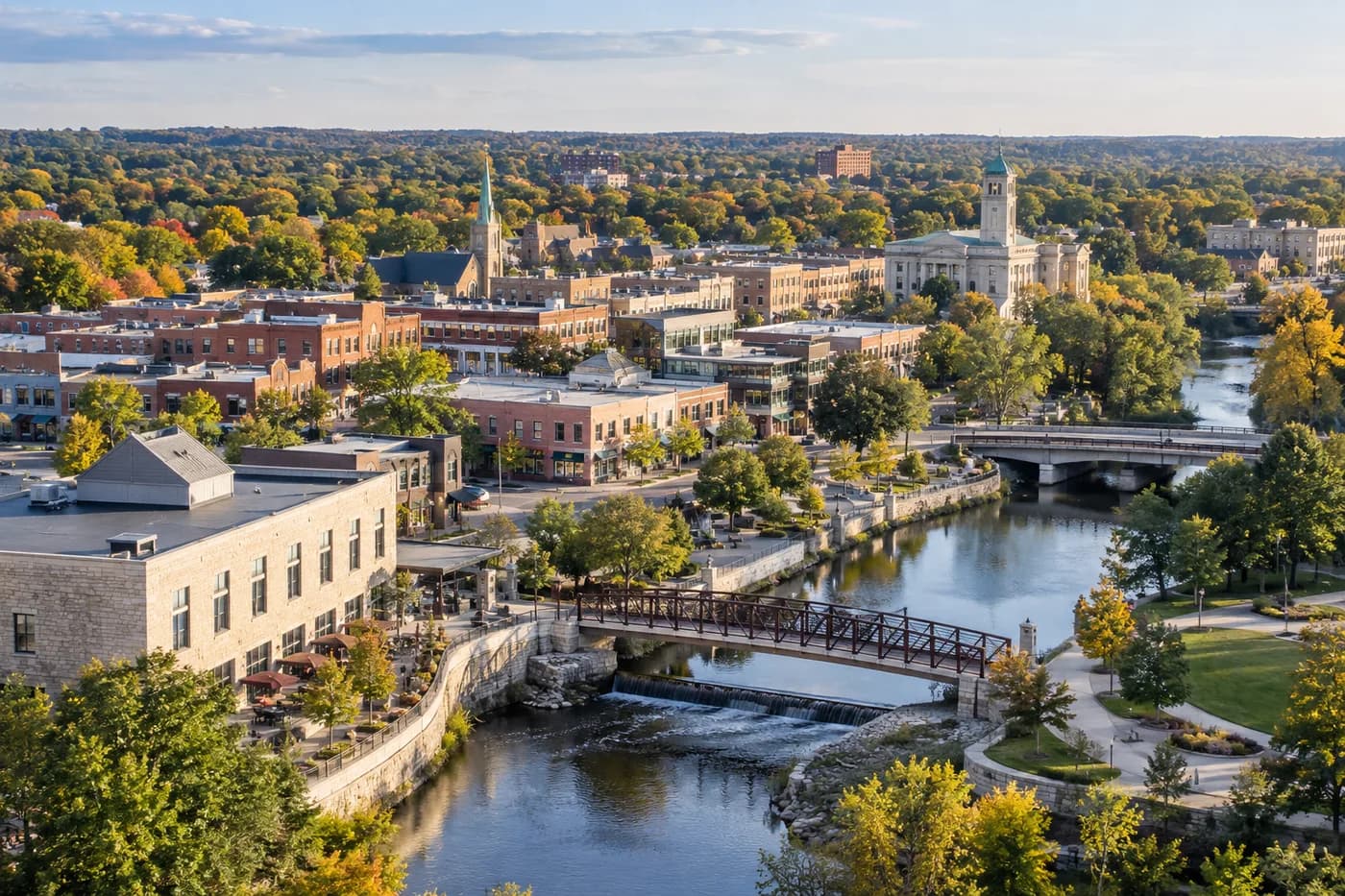
Humid Continental · suburban setting
Read the local guide →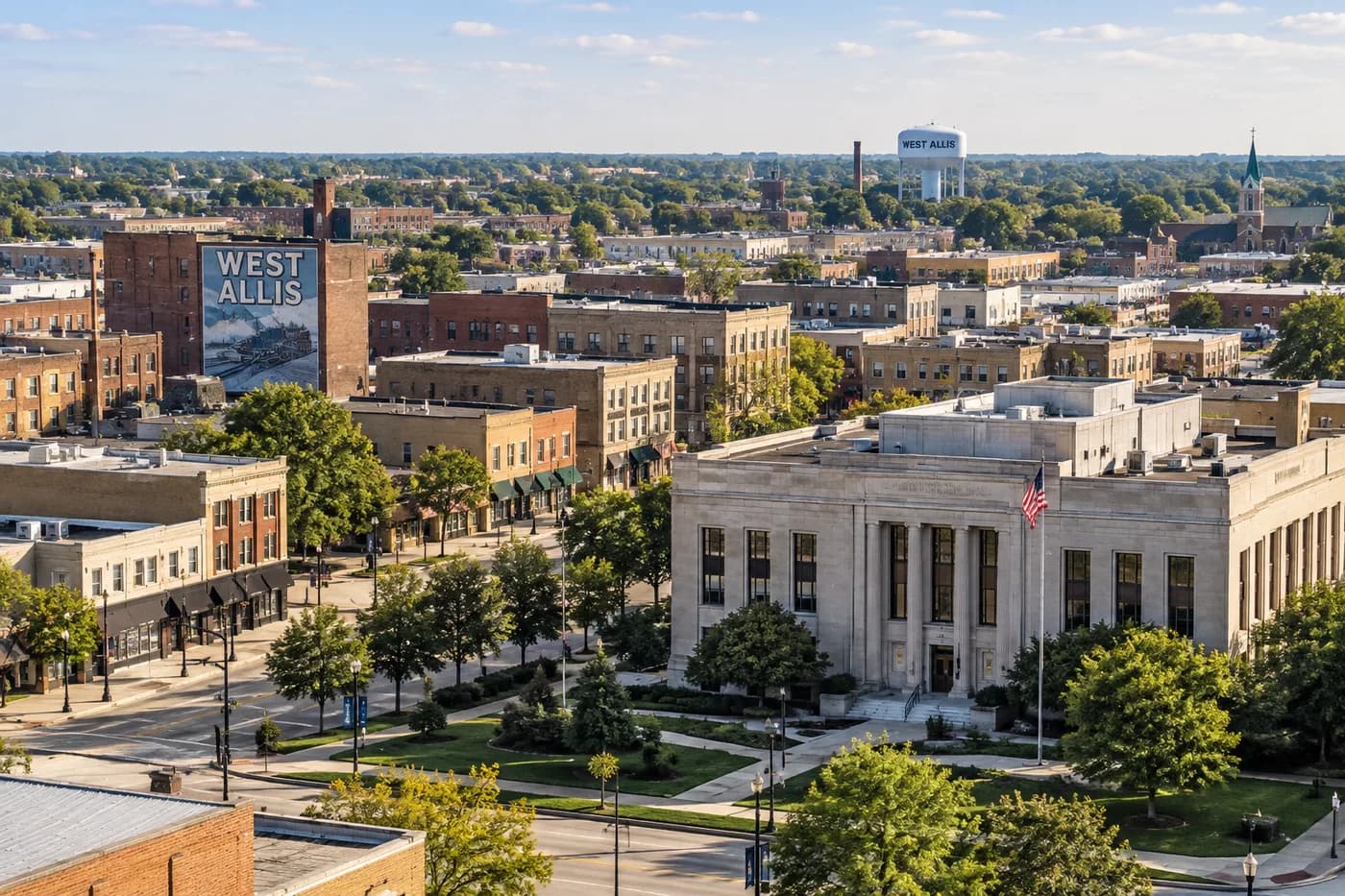
Humid Continental · urban setting
Read the local guide →
Humid Continental · suburban setting
Read the local guide →