The short version
Glendale rodent control mostly targets roof rats in attics, trees and palms, along with house mice and deer mice in garages and sheds. Rodents stay active all year because winter lows average 43F. The approach that works in Glendale is sealing roof and garage gaps, trapping along travel routes, cutting off water and food, and cleaning droppings wet with bleach.
- Glendale rodents never get a winter break, so prevention is a twelve-month job.
- Spring cleanout season is the main hantavirus exposure window for Arizona households.
- Roof rats leave larger, spindle-shaped droppings; mouse droppings look like dark rice grains.
- Food businesses near busy event areas can face extra rodent pressure during peak crowds.
- Tenants should report rodent signs to landlords in writing, with dates and photos.
This page is for Glendale homeowners hearing scratching in the ceiling, renters finding droppings in a cabinet, landlords responding to a tenant complaint, and owners of restaurants or food stands who need rodents gone before an inspection. It also helps anyone about to clean a dusty garage or shed after months of disuse.
What to look for
Glendale deals with three rodents. Roof rats are the climbers: sleek, dark, with tails that outrun their bodies. They nest above ground in palms, dense shrubs and attics, and they come down at night to feed. House mice are the small gray-brown visitors that move into kitchens, garages and wall gaps and need very little to survive. Deer mice, recognizable by their white undersides and sharply bicolored tails, nest in quiet storage spaces and carry hantavirus. Dry heat shapes how all three behave. Average humidity sits around 34%, so any source of water, from a leaking hose bib to a pool filter, becomes a magnet. Shade matters during 106F summers, which pushes rats into dense vegetation and attics. Winters are mild, with lows near 43F. That means breeding never fully stops, and a roof rat colony that settles into a yard in spring can keep growing through the cooler months. Most homeowners first notice the problem as noise in the attic or fruit damage on backyard trees.
- 1Spindle-shaped droppings on attic insulation or along garage shelves.
- 2Scratching and scampering above the ceiling during the first hours after dark.
- 3Fruit rinds left hanging on backyard trees with the fruit eaten out.
- 4Dark rub marks where a palm frond or branch touches the roof or eave.
- 5Shredded cardboard, fabric or insulation bunched into a nest inside a storage bin.
- 6Chewed wiring on a pool pump, irrigation timer or car engine parked in the garage.
- 7A sharp ammonia smell in a closet or cabinet that stays closed for weeks.
Why it’s worth acting soon
- Attic rats chew AC wiring and flex ducts, and failures in July are expensive and uncomfortable.
- Droppings in closed storage build up, making cleanup riskier for hantavirus exposure.
- A dead rodent in a wall during summer heat creates odor within days.
- Restaurants and food sellers risk failed health inspections if rodent signs spread.
- Year-round breeding lets small problems grow without a seasonal pause.
Treatment options and typical costs
Roofline and entry sealing
Quoted after inspection
Closing roof vents, eave gaps, pipe penetrations and garage door edges with hardware cloth, metal flashing and sealant. Across Glendale, roof rats usually get in high, so this is where lasting control starts. Ask for photos of every sealed point.
- Time
- One to two days
- Best for
- Roof rats in attics and mice in garages
Trapping along travel routes
Quoted after inspection
Snap traps placed on attic beams, along walls, on top of block walls and near trees where rats move. Regular checks over several weeks remove rodents already present and show whether entry points are truly closed.
- Time
- Two to four weeks
- Best for
- Active rodents inside homes and businesses
Commercial monitoring program
Quoted after inspection
Scheduled service for restaurants and food businesses, with traps and locked stations, written logs and recommendations on storage and waste. Ask what documentation the provider leaves after each visit, since written records help during a health inspection.
- Time
- Monthly or more often
- Best for
- Restaurants, food stands, warehouses and shops
Storage area decontamination
Quoted after inspection
Wet cleaning of sheds, garages and storage rooms with bleach solution and protective equipment, plus removal of nests and fouled materials. Useful when deer mice have been in closed spaces or droppings are widespread.
- Time
- One to two days
- Best for
- Spring cleanouts and heavy contamination
Prices are typical published ranges. Ask what’s included before you compare quotes.
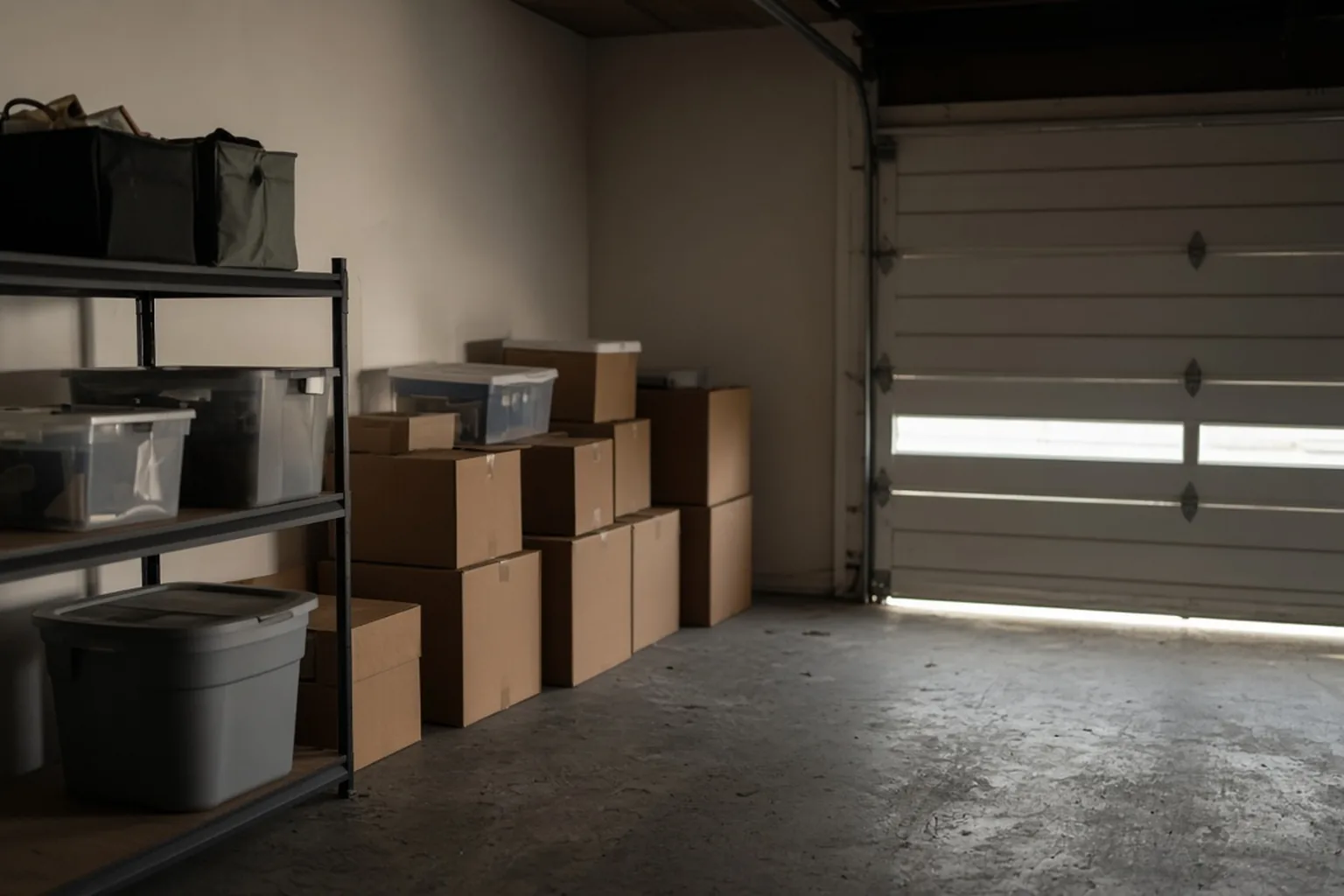 Cardboard boxes make easy nests and the gap under an overhead door makes an easy entrance. Plastic bins and a fresh door seal fix both.
A month-by-month rodent calendar for Glendale.
January through March: mild weather keeps roof rats active in trees and attics. This is also spring training season, with crowds and extra food waste around event areas. Check fruit trees for hollowed rinds and attics for noise. March through May: cleanout season. Families clear garages, sheds and storage rooms, which is when deer mouse droppings get disturbed. Clean wet with bleach, never dry. June through September: the heat peaks around 106F. Rodents chase water and shade, chewing drip lines and gathering near pools and AC units. Attic activity continues, and dead rodents smell fast. October through December: temperatures ease, and roof rats keep breeding in the mild weather, so attic and garage noise can carry on. Plan sealing work in late winter or fall, when it is easier to work on the roof and before rodents settle in. Rodents in Glendale do not hibernate, but their focus shifts through the year.
Droppings, sounds and smells: which rodent do you have.
Droppings are the best clue. Mouse droppings are tiny and look like dark rice grains. Roof rat droppings are several times bigger, spindle-shaped, and often found in attics, on top of walls and along garage shelves. Sounds help. Mice make light, quick scratching in walls and cabinets. Roof rats make heavier running and gnawing sounds in the attic, often right after dark. Location matters. Activity high up, in the attic or on the roof, points to roof rats. Activity in the kitchen, pantry or low cabinets suggests mice. Droppings in closed sheds or storage rooms may mean deer mice, which calls for careful cleanup. Smell is a final clue. A strong musky or ammonia odor usually means urine buildup, and a rotten smell in summer can mean a dead rodent in a wall. You can often identify the rodent in your Glendale home before you ever see it.
 A metal vent cover with a working flap keeps mice out all winter. Plastic flaps crack in the cold and get chewed open.
Restaurants, food sellers and event season in Glendale.
For restaurants and food businesses nearby, that can mean extra rodent pressure. Roof rats and mice look for easy food. Overflowing dumpsters, food scraps near back doors, open storage and grease buildup are all attractants. One rodent sighting in a kitchen or storeroom often means more out of view. Prevention starts with waste. Keep dumpster lids closed and the area around them clean. Empty indoor trash at night. Store dry goods in sealed containers off the floor. Seal entry points. Check door sweeps, gaps around pipes and conduit, and roof vents. Keep records. A pest control log, trap maps and notes on corrective actions give you something to show a health inspector. A provider that offers a commercial monitoring program can leave written reports after each visit, which helps during inspections. Glendale is known for the Cardinals stadium and spring training, and busy event periods bring crowds, food vendors and a lot of waste.
Renters and landlords: who handles rodents.
Landlords often handle structural problems: gaps in the roofline, broken vents, holes around pipes, and infestations that come from the building itself. Roof rats in particular often enter through rooflines, which tenants cannot fix. Tenants are often responsible for keeping food sealed, taking out trash and keeping the unit reasonably clean. If a tenant leaves pet food out or stores open food, that can contribute to the problem. If you rent, report rodent signs to your landlord in writing, with dates and photos of droppings or damage. That record helps if the issue continues. If you are a landlord, ask your provider for a written plan that covers inspection, sealing, trapping and follow-up. Keep copies. In a multifamily Glendale building, rodents move between units through shared attics and walls, so a building-wide approach is often needed. In Glendale rentals, rodent responsibility is often shared, and the lease is the first place to look.
When a rodent problem in Glendale needs fast action.
Call right away if you see rodents in a food business, especially in kitchens or storerooms. Health risks and inspection consequences make delay costly. Act fast if you smell burning or find chewed wiring in the attic or garage. Rodents chewing AC or electrical wiring can cause fires or system failures, and in a 106F summer, losing AC is a real health concern. Move quickly if you notice a strong rotten smell during summer. A dead rodent in a wall or attic breaks down fast in the heat. Take care if you are about to clean a shed or garage with lots of droppings. Hantavirus is rare, but Arizona did log three provisional cases in 2025. Ventilate, soak with bleach, and consider professional cleanup. In all other cases, schedule an inspection soon so a small problem stays small. Most rodent problems can wait a few days for a scheduled visit, but some need quick attention.
What affects the price
- How many roof vents, eave gaps and penetrations need sealing.
- Whether the property is a home or a food business needing documented service.
- Attic size and condition of insulation.
- Trees, palms and hedges near the roof that give rats access.
- Number of follow-up visits to check and reset traps.
- Cleanup scope in garages, sheds and storage rooms.
📊
What's your biggest concern about rodents?
When to call for help
Call a provider if you hear rodents in the attic more than a night or two, find droppings in several rooms, or see rats on walls or roofs. Roof rats are cautious and live high, so DIY traps placed at ground level often miss them. Food businesses in Glendale should call at the first sign, since one sighting usually means more out of view. If you plan to clean a shed or storage room full of droppings, get help or follow CDC steps carefully. And if a rodent smell appears in summer, have it located quickly before it spreads.
What you can do yourself
At that point, a provider's inspection is usually the faster path. If you try DIY for two weeks and keep catching rodents or hearing noise, that is a sign an entry point is still open. Businesses often bring in a provider for the paperwork alone: logs, trap maps and notes on corrective actions. Sealing a roofline takes ladder work and a trained eye for small openings around vents and fascia. They use high routes, avoid unfamiliar objects, and can enter through gaps you cannot see from the ground. Roof rats are another matter. When cleaning, open up the space for half an hour, wear gloves, soak droppings in bleach solution, wait five minutes, then wipe. A single mouse in the pantry, a gap under the garage door, a few droppings near the water heater: seal the gap, set snap traps along the wall, and keep food sealed. Some jobs suit DIY.
Rodents in Glendale
Glendale was founded in 1892 and now has about 255,000 residents. It is known for the Cardinals stadium and spring training, which bring large crowds, food vendors and waste during busy seasons. That matters for rodents near restaurants and commercial areas. The climate is hot desert: summer highs near 106F, winter lows around 43F, about 34% humidity and only 9 inches of rain a year, at an elevation near 1,152 feet. Rodents here depend on irrigation, pools and pet water, and they keep breeding through mild winters. With median home values around $370,000, many Glendale homeowners want rodent control that protects attics and AC systems without large repeat costs. Arizona lists roof rats, house mice and deer mice among its rodents.
Local research
Rodents in Glendale, AZ: what the public record shows
Before you compare quotes, it helps to know which rodents actually live in Arizona, when they are busiest around Glendale, and what the state figures look like. Everything below links to the agency or university page it came from.
Plague reports, previous 52 weeks (week 21 2026 table)
Sporadic rural cases; no YTD cases in 2025 or 2026 through May 30.
CDC NNDSSRodent species recorded in Arizona
- House mouse (Mus musculus) — Enters at 1/4 inch; 5-10 litters per year; eats about 200 small meals a night.
- Roof rat (Rattus rattus) — Climber of attics and trees in warm and coastal regions; tail longer than head plus body.
- Deer mouse (Peromyscus maniculatus) — Primary U.S. hantavirus carrier; lives throughout Washington and the interior West.
When rodents are busiest around Glendale
Spring cleanup exposure; summer. Deer mice and hantavirus in NM/AZ/CO/NV; plague fleas on wild rodents.
Based on Glendale’s hot desert climate profile.
For context, nationally
- 1/4 inch (the width of a pencil) — Smallest gap a mouse can enter. CDC
- 890; 35% fatal; 94% west of the Mississippi — Hantavirus cases reported since 1993 (through 2023). CDC
Sources: CDC National Notifiable Diseases Surveillance System; CDC NNDSS; CDC; Pest Notes: House Mouse; Pest Notes: Rats; Hantavirus. Figures are quoted as the source prints them. How we check our sources
Simple ways to keep rodents away
- Keep palm fronds and tree limbs trimmed back from the roofline.
- Pick backyard fruit as it ripens and pick up dropped fruit within a day or two.
- Repair dripping hose bibs, misters and pool equipment so rodents lose water.
- Store storage items in lidded plastic bins instead of cardboard boxes.
- Fit garage doors with a tight bottom seal and replace cracked rubber.
- Cover attic and foundation vents with metal hardware cloth.
- For food businesses, keep dumpster lids closed and clean spill areas daily.
- Bring pet food in at night and keep birdseed in metal cans.
 Before you call, sketch where you have seen droppings or heard noise and measure any gaps you found. It makes the first visit faster and the quotes comparable.
Did you know?
Of the 17 provisional U.S. hantavirus cases counted for 2025, California, Arizona and Colorado together accounted for nine.
A single roof rat litter can hold as many as eight young, and three to five litters a year is typical.
U.S. states reported 21 leptospirosis cases in the first quarter of 2026, nearly matching the 22 of the year before.
Questions people ask
What are the most common rodents in Glendale, AZ?
Roof rats are the most common rats in Glendale. They live in trees, palms and attics. House mice are the common small rodent indoors, and deer mice show up in sheds and closed storage. Deer mice are the species that carries hantavirus in Arizona.
When is rodent season in Glendale?
There is no off-season in Glendale because winter lows only reach about 43F. Spring brings cleanout exposure to deer mouse droppings, and summer heat sends rodents toward water and shade. Through the mild cooler months, roof rats keep using attics and trees.
How can I tell rat droppings from mouse droppings?
Mouse droppings are small and pointed like rice grains. Roof rat droppings are noticeably larger and spindle-shaped. Across Glendale, finding the larger kind on attic insulation or along the top of a block wall usually means roof rats are nesting nearby.
Do restaurants in Glendale have special rodent concerns?
Yes. Restaurants and food sellers have constant food and waste, and busy event periods add more. Keep dumpster lids closed, clean spills daily, seal gaps around doors and pipes, and keep service records. A provider can set up a monitoring program with logs for inspectors.
Is hantavirus a concern in Arizona?
It is rare but serious. The CDC's provisional 2025 data shows three Arizona hantavirus cases. Infection usually comes from breathing dust from deer mouse droppings in closed spaces. When cleaning, ventilate 30 minutes, wear gloves, soak with bleach solution, and do not sweep.
Who pays for rodent control in a Glendale rental?
It depends on the lease, but landlords often handle structural fixes like sealing gaps and treating infestations tied to the building, while tenants often handle food storage and trash. Report problems in writing with photos. Across Glendale, roof rats often enter through rooflines, which tenants cannot repair.
Should I worry about plague in Glendale?
Not much. Plague in Arizona is sporadic and concentrated in northern parts of the state. CDC weekly tables show at most one Arizona report in the past 52 weeks. Keep pets on flea control and avoid handling wild rodents, but plague is not a typical concern for city homes.
Nearby cities
Related guides
Sources (6)
The facts in this article come from the public sources listed above. Every home is different, so ask the company you talk to about pricing and what’s included. Published by Rodent Exterminator · Updated October 11, 2026 · How we write these guides