The short version
Rodent control in Ontario, CA relies on sealing and trapping, because California bans most anticoagulant rat poisons in most areas. Roof rats, Norway rats, house mice and deer mice are all present, and rats stay active year-round. Seal any hole larger than 1/4 inch, close door gaps a rat could squeeze under, and trap along runways inside.
- California prohibits most anticoagulant rodenticides, so trapping and exclusion lead.
- Ontario has roof rats, Norway rats, house mice and deer mice.
- UC IPM says roof rats travel 300 feet or more for food.
- California led the 2025 provisional hantavirus count with 4 cases.
- Rats stay active all year here; check traps and seals periodically.
This guide is for Ontario homeowners hearing rats on the roof or in the attic, renters seeing droppings in the kitchen, and businesses around warehouses and distribution centers dealing with rats near loading docks. It also helps if someone has suggested a poison you are not sure is legal in California.
What to look for
Ontario has four rodents to plan for. Roof rats are slender climbers that use fences, palms, citrus trees and utility lines to reach attics. Norway rats are heavier burrowers that live under slabs, sheds and along foundations and often show up around commercial areas. House mice live indoors in kitchens and walls. Deer mice prefer garages, sheds and outbuildings and are the main hantavirus carrier in the West. The climate keeps them busy. With only about 15 inches of rain a year and average humidity near 53 percent, water is scarce, so irrigation, pools, pet bowls, drips and leaks pull rodents close to homes. Summer highs near 95F drive them to shade and moisture, and winter lows around 42F never get cold enough to slow them much. UC IPM notes that rats are active year-round in California and that roof rats travel 300 feet or more for food, so the source of your problem might be several yards away. A rat can squeeze under a door with a 1/2-inch gap.
- 1Running or scratching on the roof or in the attic at night, typical of roof rats.
- 2Hollowed-out oranges, lemons or avocados still hanging on the tree.
- 3Dark droppings along walls, in the garage or on attic insulation.
- 4Burrows beside slabs, under sheds or near trash enclosures, a sign of Norway rats.
- 5Gnawed irrigation lines, pool equipment wiring or AC line insulation.
- 6Greasy rub marks along block walls, fences or where pipes enter the house.
- 7Light visible under doors with chewed or worn sweeps.
Why it’s worth acting soon
- Rats chew wiring, irrigation and AC lines, and repairs add up quickly in a home near a $575,000 median value.
- Roof rats can raise several litters a year, so attic populations grow.
- Droppings and urine contaminate insulation and stored goods.
- Leptospirosis spreads through rat urine, and California sees cases tied to urban rats and dogs.
- Deer mouse droppings in closed spaces raise hantavirus risk during cleanup.
Treatment options and typical costs
Exclusion to UC IPM standards
Quoted after inspection
Every hole larger than 1/4 inch is sealed with hardware cloth, metal flashing, steel wool or concrete, and door sweeps are fitted to close gaps a rat could squeeze under. Roof vents, eaves, AC lines and garage doors get attention. In California, this is the backbone of any lasting plan.
- Time
- One to three days
- Best for
- Homes with rats in attics or walls
Snap trapping
Quoted after inspection
Snap traps are set along runways in attics, garages and walls, then checked and reset over several visits. With most anticoagulants off the table, trapping does the work of removing rats and mice already inside, and it avoids dead rodents in walls.
- Time
- One to three weeks
- Best for
- Active rodents indoors
Non-anticoagulant exterior stations
Quoted after inspection
Where bait is used, it must follow California rules and the label. Bromethalin, cholecalciferol and zinc phosphide remain available, placed in locked exterior stations. Ask the provider which product they use and why.
- Time
- Monthly or quarterly
- Best for
- Commercial sites and properties with heavy outdoor pressure
Sanitation and yard work
Quoted after inspection
Fallen fruit, pet food, open trash and debris are removed, and trees are trimmed away from the roof. Because roof rats travel 300 feet or more, neighborhood cooperation helps.
- Time
- One visit plus routine upkeep
- Best for
- Yards with fruit trees, palms or dense vegetation
Prices are typical published ranges. Ask what’s included before you compare quotes.
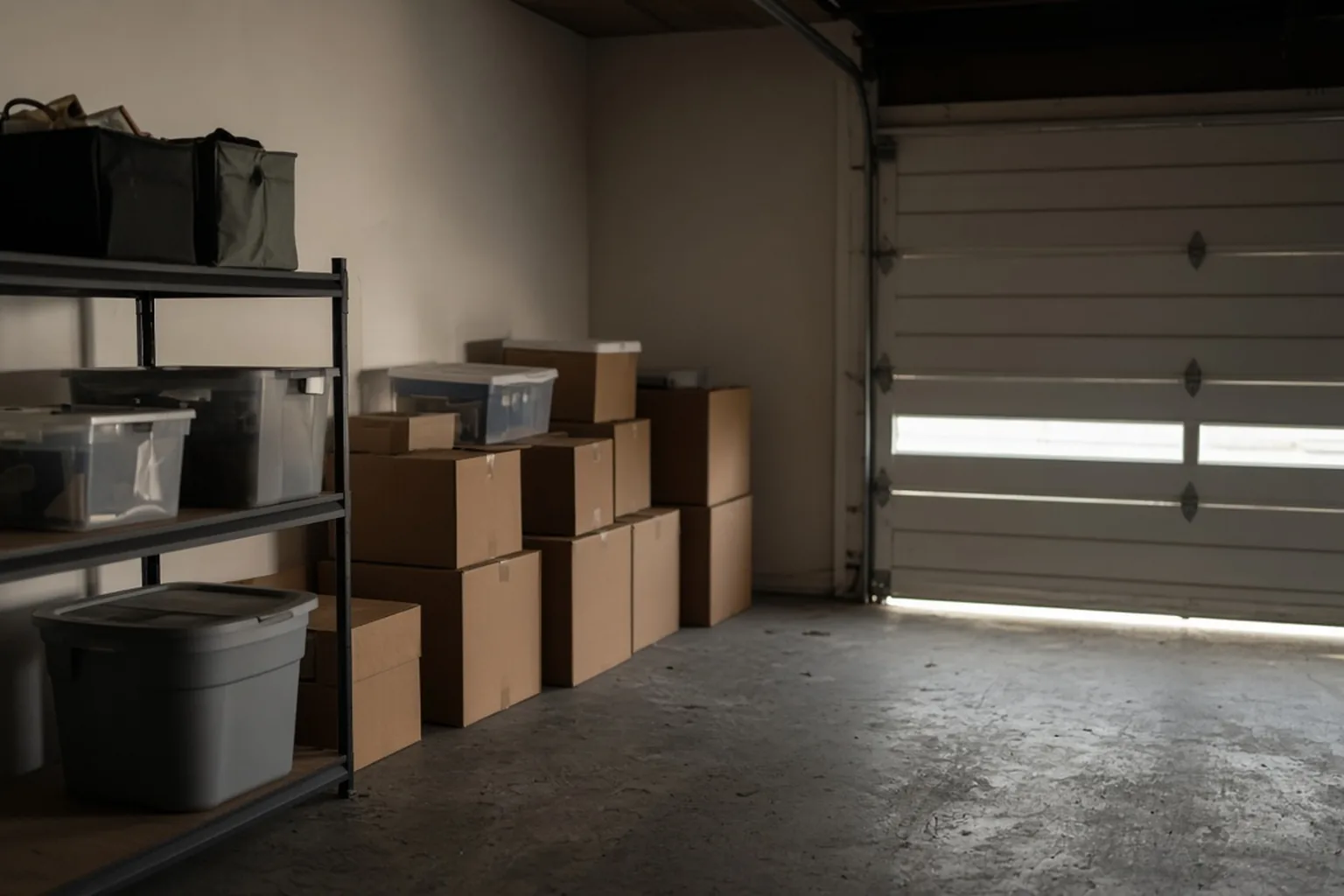 Cardboard boxes make easy nests and the gap under an overhead door makes an easy entrance. Plastic bins and a fresh door seal fix both.
What California's rodenticide law means for your Ontario home.
That is not a bad thing. Rats that eat bait often die inside walls or attics, where the smell lingers in summer heat near 95F. Traps let you confirm and remove each catch. When you talk to providers, ask what products they plan to use, if any, and where. Bait should be in locked exterior stations and follow the label. A plan that relies mainly on sealing and trapping is the one most likely to fit California rules and solve the problem for good. California has prohibited most uses of first- and second-generation anticoagulant rodenticides in most areas. According to UC IPM, that includes bromadiolone, brodifacoum, difethialone, diphacinone, chlorophacinone and warfarin. Bromethalin, cholecalciferol and zinc phosphide remain available, with label restrictions. For an Ontario homeowner, this changes the plan. The classic approach of tossing bait into the attic and waiting is mostly off the table. Rodent control now depends on exclusion, sealing every hole larger than 1/4 inch and closing door gaps, and on trapping along runways.
Rats around Ontario's warehouses and logistics centers.
Close dumpster lids and clean the area around them regularly. Fit door sweeps on dock and man doors, and seal gaps around pipes and conduit. Regular service is usually the right model for commercial sites. Exterior stations along the building perimeter, interior traps near entry points, and written records of activity help spot trends and show what was done. Homes near commercial areas can feel the effects too, since roof rats travel 300 feet or more. If you live near a warehouse or shopping center in Ontario, sealing your home and cleaning up your yard matter even more. Ontario is a logistics hub, and warehouses, distribution centers and the businesses that serve them create conditions rats like. Pallets, cardboard, stored goods and dumpsters offer shelter and food. Norway rats burrow along foundations and around trash enclosures, and roof rats climb to rooflines and use gaps at eaves and vents. For business owners, a few practices make a big difference. Keep pallets and stored materials off the ground and away from walls so you can inspect behind them.
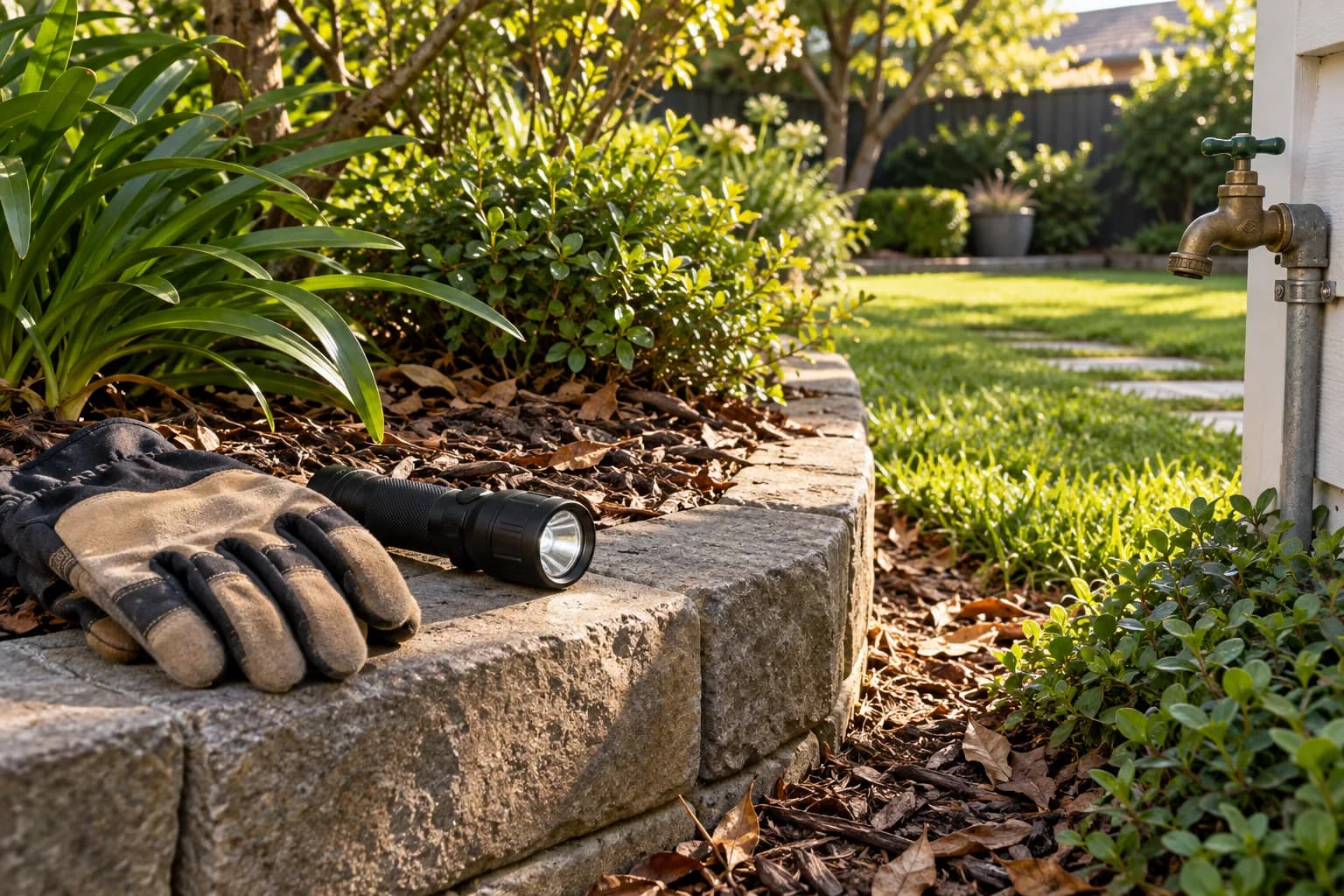 Dense shrubs against the house and a dripping hose bib give rodents cover and water. Trimming back and fixing drips makes the yard less inviting.
Roof rats travel far: why your whole block matters.
The rats are not necessarily coming from your property. Sealing your home is still the most important step, because it keeps rats out of your attic and walls no matter where they feed. Seal all holes larger than 1/4 inch and close door gaps. Talking with neighbors helps too. If several households pick fruit promptly, store pet food indoors, trim trees and fix leaks, rat pressure across the block drops. Ask a provider whether they can inspect for signs of activity along shared fences and walls. UC IPM notes that roof rats travel 300 feet or more for food. In an Ontario neighborhood, that can cover several yards. A rat living in your attic might be eating fruit from a neighbor's tree, pet food from another yard, and drinking from a pool down the street. That range explains why one homeowner's efforts sometimes fall short. You can clean up your yard, pick your fruit and seal your house, and still see rats moving along fences and power lines.
Leptospirosis, dogs and rats in Ontario backyards.
Ask your vet about leptospirosis vaccination. For people, wear gloves when cleaning areas with rat droppings or urine and avoid touching water or soil where rats are active. Follow the CDC cleanup method: air out 30 minutes, soak droppings with bleach solution for 5 minutes, wipe up with paper towels and bag it. Never sweep or vacuum. Controlling rats around the house reduces the risk for everyone, including pets. Leptospirosis is a bacterial disease spread through the urine of infected animals, and rats are a key urban carrier. CDC weekly data shows 2 California cases through week 13 of 2026, compared with 3 at the same point in 2025, and in California urban rats and dogs are common routes of exposure. For Ontario households, the concern is often the family dog. Dogs drink from puddles, sniff around fences and investigate areas where rats travel. Keep dogs away from standing water and from spots with rat activity, such as under sheds or near compost.
A year of rodent activity in Ontario's heat.
Attics get very hot, so rats may move to cooler spaces in walls and garages during the day. Fall, October and November, is a good time to seal. Activity continues, and some rodents move indoors as nights cool, but there is no hard freeze to force them. Winter, December through February, stays mild with lows near 42F. Rats keep breeding, and you may hear them in the attic more often as nights cool. The takeaway for Ontario is that there is no off-season. Check traps and seals periodically, and handle fruit and water sources year-round. Rats stay active all year in Ontario, but the seasons still shape what you notice. In spring, from March through May, people clean out garages, sheds and storage areas. That is when deer mouse droppings get disturbed, so use the wet cleanup method. Fruit trees start setting fruit, and roof rats feed on it. Summer, June through September, brings highs near 95F. Water becomes the main draw, and rats gather around irrigation, pools, pet bowls and leaks.
What affects the price
- Number of entry points at eaves, roof vents, AC lines and garage doors.
- Which species is involved: roof rats need roofline work, Norway rats need ground-level work.
- Attic size and whether insulation is contaminated.
- Whether trees and palms need trimming before sealing will hold.
- For businesses, the number of stations and the service frequency.
- Number of follow-up trap checks included.
📊
What's your biggest concern about rodents?
When to call for help
Call a provider when you hear rats in the attic or walls for more than a few nights, find droppings in several areas, or see chewed wiring or irrigation lines. Because California restricts most anticoagulant baits, effective control depends on sealing and trapping done well, and rooflines and attics are hard to seal safely without experience. Businesses near Ontario's warehouses and logistics areas should set up ongoing service rather than waiting for a problem.
What you can do yourself
Plenty of rodent work in Ontario is DIY-friendly. Pick up fallen fruit, trim trees back from the roof, store pet food in sealed containers, fix irrigation leaks, and fit door sweeps so no gap is larger than a rat can use. Set snap traps along walls where you see droppings. The harder part is sealing the roofline and attic. Roof rats enter at eaves, roof vents and gaps around AC lines, often high up. UC IPM advises sealing every hole larger than 1/4 inch with durable materials, and doing that on a two-story roof is risky without the right equipment. California's rules also matter. Most anticoagulant baits are prohibited in most areas, and the ones that remain have label restrictions. A licensed provider will know what can be used, where, and how. A sensible split is to handle yard cleanup and food sources yourself and hire out the roofline sealing and attic trapping.
Rodents in Ontario
California's rodenticide restrictions mean most control here depends on trapping and exclusion. With a median home value around $575,000, keeping rats out of wiring and insulation protects a big investment. Ontario sits at about 1,006 feet and was founded in 1891, so homes span many decades. Water is the limiting factor, so rodents gather around irrigation, pools and leaks. The semi-arid climate brings summer highs near 95F, winter lows around 42F, average humidity of about 53 percent and only 15 inches of rain a year. That mix of warehouses, distribution centers and neighborhoods means rats have commercial food waste and pallets to exploit alongside backyard fruit trees. Ontario is an urban city of about 177,000 people, known for Ontario International Airport and its role as a logistics hub.
Local research
Rodents in Ontario, CA: what the public record shows
Before you compare quotes, it helps to know which rodents actually live in California, when they are busiest around Ontario, and what the state figures look like. Everything below links to the agency or university page it came from.
Rodenticide restriction
Bromadiolone, brodifacoum, difethialone, diphacinone, chlorophacinone and warfarin cannot be applied in most areas; bromethalin, cholecalciferol and zinc phosphide remain.
UC IPMGap a rat can squeeze under a door
Roof rats travel 300+ feet for food.
UC IPMRodent species recorded in California
- House mouse (Mus musculus) — Enters at 1/4 inch; 5-10 litters per year; eats about 200 small meals a night.
- Norway rat (Rattus norvegicus) — Burrowing rat of basements, sewers and ground floors; tail shorter than head plus body.
- Roof rat (Rattus rattus) — Climber of attics and trees in warm and coastal regions; tail longer than head plus body.
- Deer mouse (Peromyscus maniculatus) — Primary U.S. hantavirus carrier; lives throughout Washington and the interior West.
When rodents are busiest around Ontario
Rats active year-round; check periodically.
California's rodenticide law pushes work toward trapping and exclusion.
Rules that apply in California
For context, nationally
- 1/4 inch (the width of a pencil) — Smallest gap a mouse can enter. CDC
- 890; 35% fatal; 94% west of the Mississippi — Hantavirus cases reported since 1993 (through 2023). CDC
Sources: CDC National Notifiable Diseases Surveillance System; Pest Notes: Rats; CDC; Pest Notes: House Mouse; Hantavirus. Figures are quoted as the source prints them. How we check our sources
Simple ways to keep rodents away
- Pick ripe citrus and avocados promptly and clean up fallen fruit every day or two.
- Trim trees, palms and vines so they are several feet from the roof.
- Fit door sweeps so no gap under a door is 1/2 inch or larger.
- Seal holes larger than 1/4 inch with hardware cloth or metal flashing.
- Fix dripping irrigation and keep pet water indoors at night.
- Store pet food and birdseed in metal or heavy plastic containers.
- Keep trash enclosures clean and lids closed.
- Talk with neighbors, since roof rats travel 300 feet or more for food.
 After sealing, a few monitors or unset traps left along the walls tell you whether anything is still getting in before you hear it again.
Did you know?
Warfarin, once the best-known rat poison, is among the anticoagulants California now bars in most areas.
Roof rats usually have 3 to 5 litters a year, each with up to 8 young.
The CDC counts murine typhus among the illnesses rodents pass along indirectly, through the fleas they carry.
Questions people ask
Can I still use rat poison in Ontario, California?
For an Ontario home, trapping and sealing are the main tools, and any bait should be handled by a licensed provider. Bromethalin, cholecalciferol and zinc phosphide remain, with label restrictions. Most anticoagulant rat poisons are prohibited in most areas of California, including bromadiolone, brodifacoum, difethialone, diphacinone, chlorophacinone and warfarin.
How far do roof rats travel for food?
Cleaning up your own yard helps, but neighborhood cooperation makes a bigger difference. That means a rat in your attic in Ontario might be feeding on fruit or pet food several yards away. UC IPM says roof rats travel 300 feet or more for food.
How small a gap can a rat get under?
UC IPM says a rat can squeeze under a door with a 1/2-inch gap and recommends sealing all holes larger than 1/4 inch. Check exterior doors, garage doors and gaps where pipes and AC lines enter the house.
Is hantavirus a risk in Ontario?
Air the space out, soak droppings with bleach solution and never sweep. For Ontario homes, the main risk comes from cleaning garages, sheds or storage areas with deer mouse droppings. The CDC's provisional 2025 tally lists 4 California cases, the highest of any state. Deer mice live in California and carry hantavirus.
Can my dog get leptospirosis from rats?
Keep dogs away from standing water and areas with rat activity, and ask your vet about vaccination. California reported 2 cases through week 13 of 2026. Leptospirosis spreads through rat urine in water and soil, and in California urban rats and dogs are common exposure routes. Yes.
Are rats active in Ontario during winter?
Check traps and seals periodically through the year. You may notice less activity on the hottest summer days, but rats keep breeding. Winter lows average about 42F, which is mild, and UC IPM notes rats are active year-round in California. Yes.
Why do I have rats near my warehouse or business?
Sealing loading door gaps, keeping trash enclosures clean, and setting up regular service with exterior stations help. Norway rats burrow along foundations and around dumpsters. Ontario is a logistics hub, and warehouses offer pallets, cardboard, food products and trash that rats use for shelter and food.
Nearby cities
Related guides
Sources (6)
The facts in this article come from the public sources listed above. Every home is different, so ask the company you talk to about pricing and what’s included. Published by Rodent Exterminator · Updated October 11, 2026 · How we write these guides