The short version
Rodent control in Silver Spring, MD focuses on Norway rats burrowing near trash, alleys and foundations, and on house mice moving indoors from September through November. Seal every gap a quarter inch or larger, lock down trash and food, and trap. In apartments and attached homes, the whole building needs a plan, so involve management or neighbors early.
- Norway rats and house mice are the two rodents Silver Spring homes deal with.
- Mice and rats push indoors from September through November.
- The CDC says a mouse can use a gap just a quarter inch wide.
- Maryland logged 2 leptospirosis cases through early April 2026, versus 1 in 2025.
- In multi-unit buildings, treating one unit alone rarely works.
Silver Spring homeowners with yards, alleys or sheds, renters and condo owners in apartment buildings, landlords and property managers, and restaurant and office managers. If you have spotted a burrow, heard scratching in a wall or seen a rat by the trash, this page is for you.
What to look for
Two rodents cause most of the trouble in Silver Spring. Norway rats are the big, burrowing rats of eastern cities. They dig under sheds, decks, foundations and landscaping, travel along fences and alleys, and feed on trash, compost, bird seed and pet food. House mice stay indoors once they find a way in, nesting in wall voids, cabinets and storage boxes and raising litters all winter. The setting favors both. Silver Spring is urban, with about 82,000 people, and density tends to mean steady food waste and, wherever buildings share walls, easy travel between units. The climate helps too. Summer highs near 86F, humidity around 66% and roughly 42 inches of rain a year keep soil soft for burrowing and vegetation thick for cover. Winter lows average around 27F, cold enough to push rodents indoors from September on but mild enough that outdoor rats stay active most of the year.
- 1Burrow holes with packed dirt under a shed, deck or along the foundation.
- 2Rats running along a fence line or around trash cans at dusk.
- 3Large, blunt droppings near trash areas, basements or garages.
- 4Small, pointed droppings in kitchen drawers and under the sink.
- 5Gnawed holes in trash can lids, compost bins or bags of bird seed.
- 6Scratching inside walls or ceilings after the heat comes on.
- 7Dark, greasy rub marks along walls and around pipes.
Why it’s worth acting soon
- Norway rats can have 4 to 6 litters a year, per UC IPM, so colonies grow fast.
- Rat urine and droppings can carry leptospirosis and salmonella, two illnesses on the CDC's rodent list.
- Burrows can undermine patios, steps and shed floors.
- Mice chew wiring in walls and ceilings, which can start fires.
- In shared buildings, a problem in one unit spreads to the next.
11.9%Occupied U.S. homes reporting rodent signs in the prior 12 months (Census American Housing Survey, 2019; signs, not confirmed infestations)Census: 2019 housing pest findings 1/4 inchSmallest gap a house mouse can enterCDC Treatment options and typical costs
Exclusion and sealing
Quoted after inspection
A provider checks the foundation, sill, utility lines, vents, doors and basement windows and closes gaps with steel wool, hardware cloth, flashing and sealant, using the CDC's quarter-inch standard. In attached homes and apartments, shared utility chases and gaps between units need attention too. Ask for a written list of sealed openings.
- Time
- Set after the inspection
- Best for
- Homes with repeat fall activity
Outdoor rat program
Quoted after inspection
Norway rats call for traps or locked bait stations along fences, foundations and trash areas, plus monitoring and closing of burrows. The plan should also address food sources: trash storage, compost, bird feeders and pet food. Ask how stations are anchored and kept away from pets and children.
- Time
- Ask how often stations are serviced
- Best for
- Yards with burrows and alley trash areas
Indoor trapping
Quoted after inspection
Snap traps along walls, behind appliances and in basements remove mice and any rats already inside, without leaving poisoned animals in walls. Expect follow-up visits to check and reset traps. In apartments, coordinated trapping across neighboring units works better than one unit at a time.
- Time
- Until catches stop
- Best for
- Active mice in kitchens and walls
Building-wide service
Quoted after inspection
Apartment and condo buildings, restaurants and offices usually need recurring service: inspections, traps and stations in common areas, trash room management and sealing at doors and utility lines. Ask how the provider documents findings and coordinates with tenants or staff.
- Time
- Ongoing; ask about visit frequency
- Best for
- Multi-unit and commercial buildings
Prices are typical published ranges. Ask what’s included before you compare quotes.
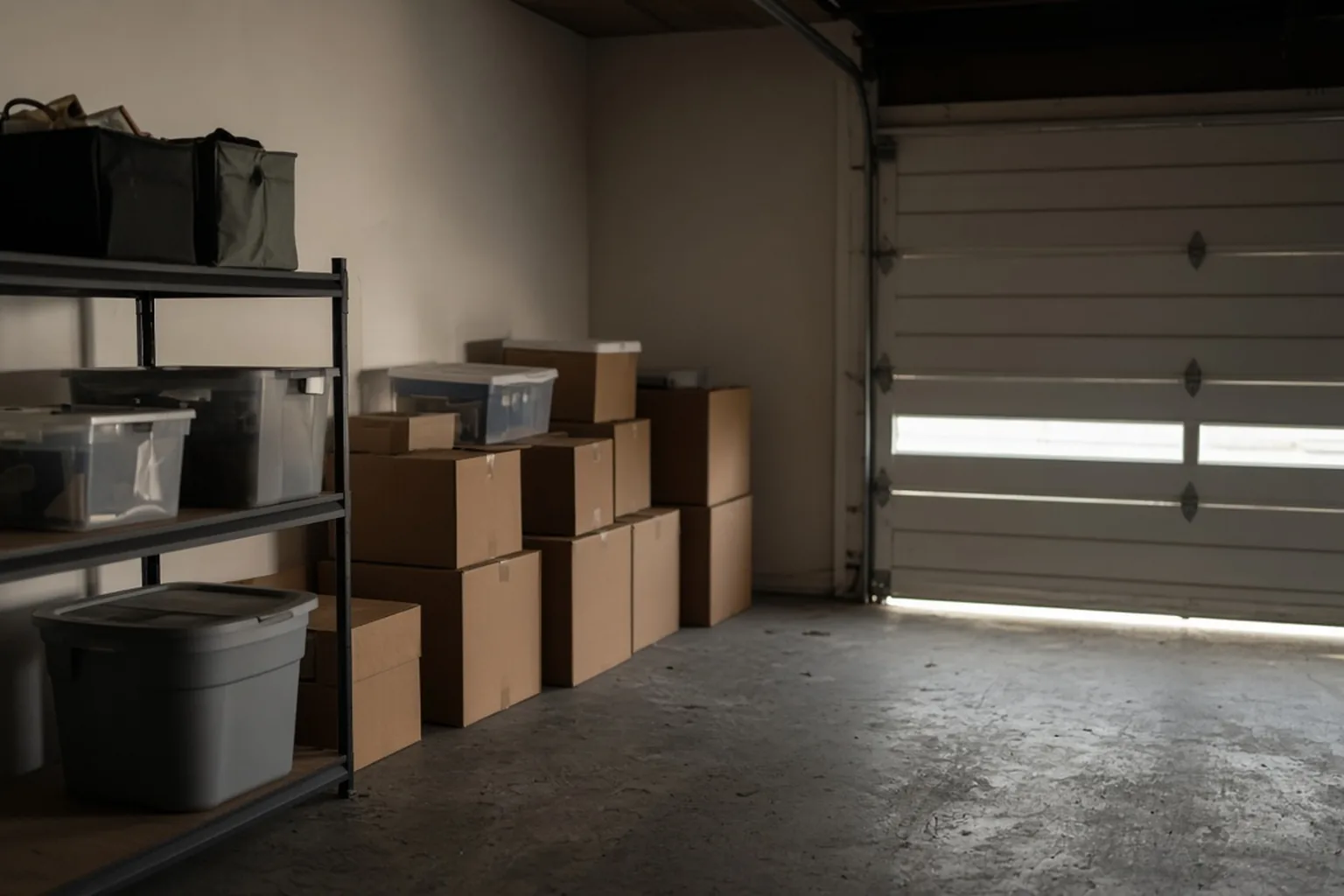 Cardboard boxes make easy nests and the gap under an overhead door makes an easy entrance. Plastic bins and a fresh door seal fix both.
Rats in a dense city on the DC line.
Water and soil come from the climate. Silver Spring gets about 42 inches of rain a year, which keeps soil soft for burrowing under sheds, decks and foundations. Winter lows near 27F are cold enough to push some rats indoors but mild enough that outdoor colonies stay active most of the year. The border with Washington, DC does not matter to rats. They follow food across property lines and city lines. That is why the best results come when neighbors deal with trash and burrows together, not one yard at a time. Silver Spring is urban and busy, and Norway rats do well in exactly that kind of place. They need three things: food, water and somewhere to dig. Dense neighborhoods with apartment buildings, restaurants, alleys and backyard trash supply plenty of all three. Food is the driver. Overflowing trash cans, bags left out overnight, compost piles, bird feeders and pet food all feed rats. A rat colony can be supported by a single poorly managed trash area, and rats travel along fences and alleys to reach it.
Apartments, condos and attached homes: who does what?
Renters should put every sighting in an email or letter to management, with photos and the date attached. Ask management whether neighboring units and common areas, such as trash rooms and basements, are being inspected too. If you own an attached home or a condo, talk with your neighbors or association. Coordinated sealing of shared walls and utility chases, plus traps or stations in common areas, gives far better results than everyone handling their own unit separately. For building managers, a recurring service with documented inspections, trash room management and sealing at doors and utility lines is usually the most practical approach. In a multi-unit building, mice and rats move through shared walls, pipe chases and common areas. Treating one unit while the neighbors do nothing usually just pushes rodents next door and back again. In a typical Silver Spring rental, the owner or management handles sealing and building-wide treatment, since those involve the structure and common areas. Tenants are expected to keep food stored in sealed containers, take out trash, and report problems promptly. Check your lease for specifics.
 This is what a proper seal looks like: metal mesh fastened with screws and sealed at the edges. Foam or caulk on its own gets chewed through.
When do rodents move indoors in Silver Spring?
Norway rats stay active outdoors for much of the year, but burrows next to warm foundations and basements see extra traffic in cold snaps. That timing gives you a plan. In August, walk the outside of the house and seal gaps a quarter inch or larger around pipes, cables, vents and doors. Clear clutter from along the foundation. Lock down trash. Set a few snap traps in the basement in September as an early warning. Then check for new burrows in early spring, when rats start breeding again. For Silver Spring homes, the move indoors runs roughly September through November. As nights cool, house mice and some Norway rats look for warm walls, basements and garages. The summer before sets up the fall. Highs near 86F, humidity around 66% and steady rain give rodents plenty of food and cover, so populations peak by late summer. When cooler weather arrives, those animals all need shelter at once. Winter lows average around 27F. Mice that get in during the fall stay through the winter, breeding as long as they have food and warmth.
Leptospirosis and rats: what Maryland's numbers mean.
Wear gloves when cleaning areas where rats have been active, such as trash areas, sheds and basements. Avoid touching standing water or wet soil near burrows with bare hands, especially if you have cuts. Wash your hands well afterward. For droppings, follow the CDC method: ventilate for 30 minutes, soak with a 1:9 bleach solution for 5 minutes, then wipe and bag. Never sweep or vacuum dry droppings. The best protection is reducing rats in the first place: trash control, sealing and a perimeter plan. Leptospirosis is a bacterial disease spread through water or soil contaminated by the urine of infected animals. Rats are a key urban carrier, according to the CDC, which is why the disease shows up in dense cities. Maryland's count is tiny: two cases by early April 2026 and one by that same week a year earlier, per CDC weekly tables. Nationally, U.S. residents outside the territories had 21 cases through that week in 2026, versus 22 the year before. The risk in Silver Spring is low, but sensible habits help.
How to compare two rodent control quotes.
How will burrows be monitored and closed? Is trash storage addressed? Then check the schedule. Count the visits, note how far apart they fall, and find out what a callback costs once the contract runs out. Finally, ask about cleanup and documentation. Will droppings and soiled insulation be cleaned up, or is that separate? Will you get a written report of findings and what was done? Get answers in writing. A cheaper quote that skips sealing or perimeter work often costs more over a couple of seasons. Rodent quotes for the same Silver Spring property can vary widely, because they often cover different work. Before comparing prices, line up the scope. Start with exclusion. Does the quote name the entry points to be sealed and the materials? In attached homes and apartments, does it address shared walls and utility chases? A plan without sealing will need to keep coming back. Next, look at the rat plan. If Norway rats are present, how many stations or traps will go around the perimeter, where, and how are they locked and anchored?
What affects the price
- Whether you have Norway rats outside, mice inside, or both.
- The number of burrows and how much of the yard and alley need stations.
- Attached homes and apartments, where shared walls widen the job.
- Finished basements that hide entry points behind walls and ceilings.
- One-time work versus recurring monthly service.
- Cleanup of droppings and any soiled insulation.
📊
What's your biggest concern about rodents?
When to call for help
Call a provider when you find burrows in the yard, see rats regularly, or keep catching mice after two weeks of trapping. Rats in Silver Spring often have food sources beyond your property, in alleys, neighbors' yards and commercial trash, so a plan has to cover the whole perimeter. If you live in an apartment or attached home and see activity, report it to management or talk with neighbors, since single-unit treatment rarely works. Restaurants, offices and anyone with droppings near food storage should act right away.
What you can do yourself
House mice are often a fair DIY job. Seal visible gaps with steel wool and sealant, set several snap traps along walls near droppings, and keep food in sealed containers. Many Silver Spring homeowners solve a fall mouse problem that way. Norway rats are harder. They live outdoors in burrows, avoid new objects for days, and travel along fences and alleys to food you may not control. That calls for traps or locked stations around the perimeter, burrow monitoring and changes to trash storage, which is more than a few traps in the basement. Shared buildings add another layer, since you cannot seal or trap your neighbor's unit. A provider brings a full inspection, perimeter work and follow-up visits. If you see burrows or rats, or trapping stalls, bring in help.
Rodents in Silver Spring
Homes here carry a median value near $480,000, and a rat chewing through basement wiring is an expensive way to learn where the gaps were. Maryland's leptospirosis count of 2 cases through early April 2026 is a reminder that rats carry disease, even if cases are rare. Winter lows near 27F push rodents indoors from September through November. At 341 feet in a humid subtropical climate, Silver Spring sees summer highs near 86F, humidity around 66% and about 42 inches of rain a year, keeping soil soft for burrows. Dense blocks mean steady food waste, and wherever homes share walls, rodents share them too, which suits Norway rats and house mice. That density shapes its rodent problems. Silver Spring dates to 1840 and has grown into an urban city of about 82,000 people on the border with Washington, DC, known for the Discovery Channel headquarters.
Local research
Rodents in Silver Spring, MD: what the public record shows
Before you compare quotes, it helps to know which rodents actually live in Maryland, when they are busiest around Silver Spring, and what the state figures look like. Everything below links to the agency or university page it came from.
Leptospirosis cases (YTD 2026 vs 2025, week 13)
CDC NNDSSRodent species recorded in Maryland
- House mouse (Mus musculus) — Enters at 1/4 inch; 5-10 litters per year; eats about 200 small meals a night.
- Norway rat (Rattus norvegicus) — Burrowing rat of basements, sewers and ground floors; tail shorter than head plus body.
When rodents are busiest around Silver Spring
Fall entry (Sept-Nov). Norway rats and house mice move indoors as temperatures drop.
Based on Silver Spring’s humid subtropical climate profile.
For context, nationally
- 1/4 inch (the width of a pencil) — Smallest gap a mouse can enter. CDC
- 890; 35% fatal; 94% west of the Mississippi — Hantavirus cases reported since 1993 (through 2023). CDC
Sources: CDC NNDSS; CDC; Pest Notes: House Mouse; Pest Notes: Rats. Figures are quoted as the source prints them. How we check our sources
Simple ways to keep rodents away
- Use metal or heavy plastic trash cans with tight lids, and keep lids closed.
- Put trash out the morning of pickup rather than the night before.
- Keep compost in a closed bin and avoid adding meat or dairy.
- Take bird feeders down if rats are active, or clean up spilled seed daily.
- Seal gaps around pipes, cables and vents with steel wool and sealant.
- Clear clutter, firewood and debris from along the foundation and fence lines.
- Bring pet food and water bowls in at night.
- Check under sheds and decks each fall for new burrows.
 Before you call, sketch where you have seen droppings or heard noise and measure any gaps you found. It makes the first visit faster and the quotes comparable.
Did you know?
Puerto Rico reported 46 leptospirosis cases through early April 2026, down from 82 at the same point in 2025.
Roof rats, the climbing cousin of the Norway rat, have 3 to 5 litters a year with up to 8 young each.
The CDC counts tularemia and lymphocytic choriomeningitis among diseases rodents can pass directly to people.
Questions people ask
Why do rats do well in Silver Spring?
Locking down trash is the biggest single fix. About 42 inches of rain a year keeps soil soft for burrows, and winter lows near 27F are mild enough for outdoor rats to stay active. Silver Spring is a dense, urban city on the DC border, and dense places tend to produce steady food waste. Food, shelter and soil.
Is leptospirosis a risk in Maryland?
Wear gloves when cleaning rat areas and wash up afterward. The bacteria spread through water or soil contaminated by infected animal urine, and rats are a key urban carrier. CDC weekly tables show Maryland had 2 leptospirosis cases through early April 2026, compared with 1 at the same point in 2025. It is uncommon.
How can I tell if I have rat burrows in my yard?
For Silver Spring homes, check near alleys and trash areas first, since rats dig close to food. Worn paths through grass between the burrow and food are another sign. Look for holes a few inches across with packed, smooth edges and fresh dirt pushed out, often under sheds, decks, along the foundation or in landscaping.
Who handles rodents in an apartment building?
Because mice and rats move through shared walls, the best results come from coordinated treatment of neighboring units and common areas. Report activity in writing with dates and photos. Tenants are expected to store food properly and report problems. Usually the owner or management, since sealing and building-wide treatment involve the structure and common areas.
When do mice come inside in Silver Spring?
Closing gaps in August, before that shift, keeps you a step ahead. Winter lows in Silver Spring average around 27F, so mice look for warm walls and kitchens before the cold sets in, then breed inside through the winter. Mostly September through November, as nights cool.
What size gap do I need to seal?
Foam alone is easy for rodents to chew through. Seal anything that size around pipes, cables, vents and doors using steel wool, hardware cloth or metal flashing with sealant. The CDC says mice can get through a gap of about a quarter inch, and rats can gnaw small holes wider.
Is rat poison safe in a yard with pets?
Traps along fences and walls are often a better choice in small urban yards. If bait is needed, it belongs in locked, anchored stations placed where pets cannot reach, and a licensed provider should handle placement under label rules. Loose bait is a real risk to dogs, cats and wildlife.
Nearby cities
Related guides
Sources (6)
The facts in this article come from the public sources listed above. Every home is different, so ask the company you talk to about pricing and what’s included. Published by Rodent Exterminator · Updated October 11, 2026 · How we write these guides