The short version
Rodent control in Yuma, Arizona targets roof rats, house mice and deer mice, and in a city with about 3 inches of rain a year, water is what draws them in. Fix leaks and drips, seal gaps of 1/4 inch, trap indoors, and clean droppings with the CDC bleach method, since deer mice in Arizona can carry hantavirus.
- Yuma rodents chase water first, since the city averages about 3 inches of rain a year.
- Winter lows near 46F mean rodents stay active in every month.
- Arizona logged 3 provisional hantavirus cases in 2025, and deer mice are the carrier.
- Roof rats climb, so keep trees, vines and shrubs off the roofline.
- Clean droppings wet, never with a broom or vacuum.
This is for Yuma homeowners hearing scratching in the attic or finding droppings in the garage, renters and landlords dealing with mice in a unit, and anyone opening a storage shed, RV or closed room after months of disuse. It also applies to businesses that store produce, feed or seed and need rodents kept away from it.
What to look for
Arizona's species list for this area includes three rodents: the roof rat, the house mouse and the deer mouse. Roof rats are slender climbers that travel along fences, tree limbs and utility lines and nest up high. House mice live close to food indoors and slip through gaps as small as 1/4 inch, according to the CDC. Deer mice are the outdoor and outbuilding mice of the West and the main carrier of hantavirus. Yuma's climate is the extreme version of the desert pattern. Summer highs average 107F, annual rain is about 3 inches, and humidity averages 33%. Water is the scarcest thing around, so rodents organize their lives around it: irrigation, leaks, pet bowls and the damp soil beside a slab. Heat drives them into shade during the day, and winter lows around 46F are mild enough that there is no real off-season. Across the arid West, exposure peaks in spring, when sheds and storage spaces get cleaned out, and activity stays high through summer.
- 1Fruit hollowed out while it still hangs on the tree, a classic roof rat sign.
- 2Scratching or quick running in the attic or ceiling after dark.
- 3Droppings near water, such as under sinks, by the water heater or beside a leaky spigot.
- 4Gnawed drip irrigation lines or chewed garden hoses.
- 5Dark rub marks along the top of a fence or wall where rats travel.
- 6Droppings and nests in a shed, RV or storage room that sat closed.
- 7Chewed wiring or torn insulation in the garage or attic.
Why it’s worth acting soon
- CDC weekly data counted 3 provisional hantavirus cases in Arizona in 2025.
- A roof rat colony grows quickly, with up to 8 young per litter according to UC IPM.
- Chewed irrigation lines and plumbing waste water and money in a desert city.
- Gnawed wiring raises fire risk in hot attics and garages.
- Fleas on wild rodents can carry plague, which the CDC says averages about 7 U.S. cases a year.
3Arizona hantavirus cases, 2025 (provisional)CDC NNDSS 0Arizona plague cases year to date, 2025 and 2026, through May 30CDC NNDSS About 7Average U.S. human plague cases per yearCDC Treatment options and typical costs
Exclusion and roofline sealing
Quoted after inspection
Closing gaps at the foundation, around pipes and cooling lines, under doors and at the roofline with metal mesh, sheet metal and mortar. Because roof rats come in high, the inspection should cover eaves, vents and any branch touching the roof. The CDC's 1/4-inch threshold for mice means small gaps count too.
- Time
- Depends on the number of openings
- Best for
- Roof rats in the attic or mice in the walls
Trapping inside and in the attic
Quoted after inspection
Snap traps set on rafters, along walls and near water sources catch rodents already inside without leaving poisoned animals to decay somewhere hidden. When summer highs reach 107F, a rat dying inside a wall or attic produces a strong odor quickly, which is a good reason to favor traps indoors.
- Time
- Until catches stop
- Best for
- Active indoor or attic activity
Exterior stations along travel routes
Quoted after inspection
Locked stations placed where roof rats move along fences, walls and vegetation, and near the base of trees. Ask what goes inside each one, how stations are secured from pets and children, and how often someone returns to check them and record what was taken.
- Time
- Ongoing, on a set schedule
- Best for
- Yards with clear roof rat routes
Water and cover removal
Quoted after inspection
Fixing leaks, redirecting drips, lifting stored items off the ground, and thinning dense plants against the house. In a 3-inch-rain climate, taking away a water source can do as much as a dozen traps. Some providers do this work; others leave it to you with a written list.
- Time
- One round of repairs, then upkeep
- Best for
- Any property with leaks or heavy ground cover
Prices are typical published ranges. Ask what’s included before you compare quotes.
 Roof rats and mice love attic insulation. Tunnels through the fluff, flattened runways and droppings along the eaves are the signs to look for.
Why does water matter more than food for Yuma rodents?
The city averages about 3 inches of rain a year, humidity sits near 33%, and summer highs reach 107F. A mouse or rat living outdoors in those conditions spends much of its night looking for a drink, and the most dependable sources are almost always man-made. Think about what your property offers after sundown: a hose bib that drips, an irrigation emitter that pools, a cooling unit that drains onto the ground, a pet bowl on the patio, a damp spot under the water heater in the garage. Each one is a reason for rodents to visit, and a reliable one is a reason to move in. That is why fixing leaks can do as much as setting traps. A roof rat that has to cross several yards for water is less likely to settle on yours. Walk the property at dusk once a month, look for wet soil and dripping fixtures, and repair what you find. Then set traps inside near whatever water remains, where rodents are most likely to pass. Across Yuma, water is the resource rodents compete for.
Roof rats in Yuma: how do they get in and how do you stop them?
They are slim, agile climbers that run along fence tops, tree limbs, vines and utility lines, and they nest up high, in attics, dense trees or stacked storage. Across Yuma, that means any inspection has to look up. Common entry points include gaps at the eaves, roof vents with damaged screens, openings where pipes or wires pass through the roof or upper walls, and any branch that touches the house. UC IPM reports roof rats can produce 3 to 5 litters a year of up to 8 young each, so an attic with two rats in spring can hold many more by fall. Control works best in a set order. Trap first, on rafters, along the tops of walls and on routes the rats already use. Seal entries once activity drops, using metal rather than foam. Then trim vegetation so the roof cannot be reached from trees or vines. Skipping that last step is a frequent reason roof rats return. Roof rats are the rat on Arizona's list for this area, and they behave nothing like the burrowing rats many people picture.
 A metal vent cover with a working flap keeps mice out all winter. Plastic flaps crack in the cold and get chewed open.
Hantavirus and plague: what do Arizona's numbers actually say?
Knowing them helps you take the right precautions without overreacting. Hantavirus comes from deer mice, which are on Arizona's species list. The CDC's provisional data show 3 Arizona cases in 2025 out of 17 nationwide. Of the 890 U.S. cases recorded from 1993 through 2023, 94% occurred west of the Mississippi and 35% were fatal. Risk comes from dust off droppings and nests, especially in closed sheds, garages and storage spaces. Plague is rarer still. The CDC averages about 7 human cases a year nationally, mostly in northern New Mexico, northern Arizona, southern Colorado and parts of California, Oregon and Nevada, and fleas on wild rodents spread it. For a Yuma household, the practical steps are the same either way: never sweep droppings, wet-clean with a 1:9 bleach mix, keep pets on flea control, and leave wild rodents alone. Arizona sits in the part of the country where rodent-borne disease is most active, but the actual numbers are small.
What does a year of rodent pressure look like in Yuma?
Lows around 46F are mild, so rodents stay busy in every month. Spring is cleanup season and, for the arid West, the peak exposure window. This is when people open sheds, garages, RVs and storage rooms that sat closed through the cooler months and find droppings and nests. Clean with the wet method before sorting anything. Summer is about heat and water. With highs averaging 107F, rodents shelter by day in shade, wall voids, garages and dense shrubs, then forage after dark around leaks, irrigation and pet bowls. This is when gnawed drip lines and nighttime noises in the attic are most likely. Fall and winter bring steady activity rather than a surge. Use the cooler weather for roofline sealing and tree trimming, since ladder work is much safer then than in July. Plan the year around that cycle: clean in spring, cut off water in summer, and seal once temperatures ease. Yuma's calendar runs differently from colder places, because there is no winter rush indoors.
How do you compare two rodent control quotes in Yuma?
A complete rodent plan in Yuma usually has four parts: trapping the animals inside, sealing entry points including the roofline, managing water and vegetation outdoors, and cleaning up droppings safely. A quote that covers only one or two parts will look cheaper and often costs more later. Ask each provider which species they found. A roof rat job needs ladder work and attention to trees and fences. A house mouse job is mostly interior gaps and traps. A deer mouse problem in a shed calls for careful cleanup because of hantavirus. Next, compare follow-up. How many return visits are included for trap checks, what does an extra visit cost, and who removes dead rodents? Last, weigh the cost against the stakes. With median home values around $240,000, damage from chewed wiring or soiled insulation adds up quickly, and properly sealed eaves and vents keep paying off. Get both quotes in writing and compare them line by line. Start by checking whether both quotes describe the same job.
What affects the price
- Roofline and attic work for roof rats, which takes ladders and time in serious heat.
- The number of openings around pipes, cooling lines and vents.
- Sheds, storage rooms or stored RVs that need inspection and sealing.
- Cleanup of droppings and nests in attics or closed storage.
- How many follow-up trap checks are included.
- The count of exterior stations along fences and walls.
📊
What's your biggest concern about rodents?
When to call for help
Call for help when you hear rodents overhead, since roof rats in an attic mean roofline work that most people should not attempt in summer heat. Call too if you find a large pile of droppings in a shed or storage space, because deer mice in Arizona can carry hantavirus and the state logged 3 provisional cases in 2025. If you trap mice for a couple of weeks and still see fresh signs, an inspection will usually find the entry points you missed. Across Yuma, ask the provider whether the plan deals with water sources as well as gaps.
What you can do yourself
House mice are the easiest DIY target in Yuma. Snap traps along walls and near water heaters, sinks and laundry hookups catch most of them, and steel wool with caulk closes small gaps. Check traps every morning; in summer heat, a missed catch turns unpleasant fast. Roof rats are harder. They enter high, travel along fences and branches, and are wary of new objects for a while, so traps placed on the ground often fail. Sealing the roofline means ladder work in temperatures that can top 107F. That combination makes a strong case for professional help. Cleanup of a heavily soiled shed or storage space is the other place to think about hiring out, given hantavirus. If you do it yourself, ventilate for 30 minutes, soak the droppings with a 1:9 bleach mix, wait 5 minutes and wipe them up with paper towels. Skip the broom and the vacuum entirely.
Rodents in Yuma
Yuma, founded in 1914, bills itself as the sunniest city on Earth and is known for agriculture, and both facts connect to rodent pressure. Intense sun and summer highs near 107F push rodents into shade during the day, so they forage after dark, when most people never see them. An agricultural economy means seed, feed and produce, all of which feed rodents when stored loosely. About 100,000 people live in Yuma at suburban density, with a median home value near $240,000. The city sits at roughly 141 feet in a hot desert climate with about 3 inches of rain and 33% humidity, which turns every leak into a magnet. Winter lows near 46F mean no cold-weather pause. On the health side, Arizona's provisional 2025 hantavirus count of 3 is reason to clean carefully, while the state's plague activity centers on the north.
Local research
Rodents in Yuma, AZ: what the public record shows
Before you compare quotes, it helps to know which rodents actually live in Arizona, when they are busiest around Yuma, and what the state figures look like. Everything below links to the agency or university page it came from.
Plague reports, previous 52 weeks (week 21 2026 table)
Sporadic rural cases; no YTD cases in 2025 or 2026 through May 30.
CDC NNDSSRodent species recorded in Arizona
- House mouse (Mus musculus) — Enters at 1/4 inch; 5-10 litters per year; eats about 200 small meals a night.
- Roof rat (Rattus rattus) — Climber of attics and trees in warm and coastal regions; tail longer than head plus body.
- Deer mouse (Peromyscus maniculatus) — Primary U.S. hantavirus carrier; lives throughout Washington and the interior West.
When rodents are busiest around Yuma
Spring cleanup exposure; summer. Deer mice and hantavirus in NM/AZ/CO/NV; plague fleas on wild rodents.
Based on Yuma’s hot desert climate profile.
For context, nationally
- 1/4 inch (the width of a pencil) — Smallest gap a mouse can enter. CDC
- 890; 35% fatal; 94% west of the Mississippi — Hantavirus cases reported since 1993 (through 2023). CDC
Sources: CDC National Notifiable Diseases Surveillance System; CDC NNDSS; CDC; Pest Notes: House Mouse; Pest Notes: Rats; Hantavirus. Figures are quoted as the source prints them. How we check our sources
Simple ways to keep rodents away
- Repair dripping spigots, irrigation emitters and any drip line that leaves standing water.
- Pick up fallen fruit daily and bring pet water bowls in at night.
- Trim trees, vines and shrubs so nothing touches the roof or eaves.
- Keep stored items in sheds on shelves rather than piled on the floor.
- Seal gaps around pipes and wires where they enter the house.
- Store birdseed, pet food and feed in metal containers with lids.
- Air out and wet-clean sheds and storage spaces each spring before sorting through them.
- Thin dense ground cover along the foundation to take away daytime shade.
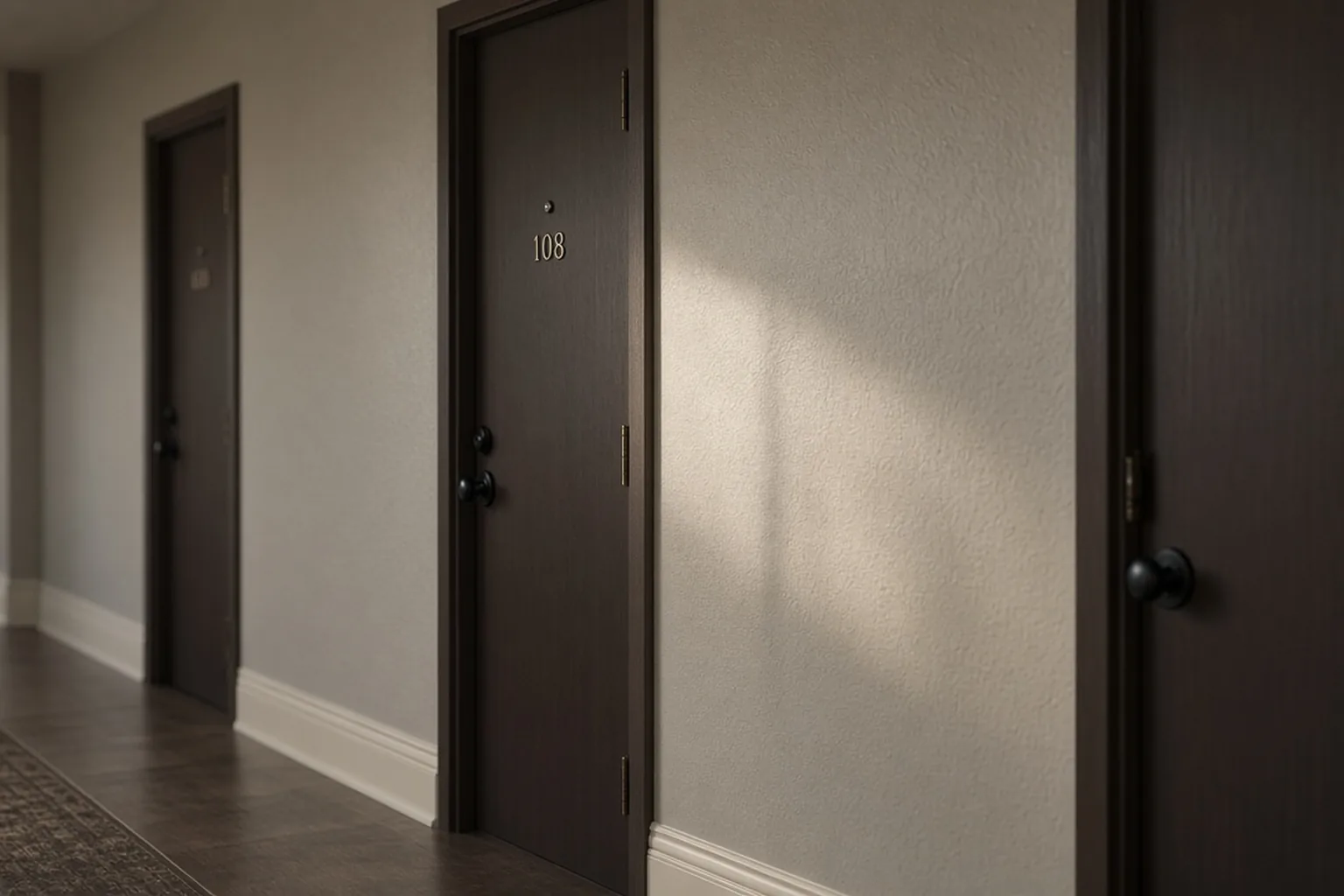 In a multi-unit building, mice move between apartments through shared walls and pipe chases, so treating one unit rarely solves it. Ask for a building-wide plan.
Did you know?
Human plague in the United States has ranged from 0 to 17 cases a year, and rodent fleas do the spreading.
Nearly all of the 17 provisional U.S. hantavirus cases in 2025 came from western states, with California at 4 and Arizona close behind at 3.
Rat-bite fever, tularemia and lymphocytic choriomeningitis all appear on the CDC's list of diseases rodents spread directly.
Questions people ask
Why are rodents so drawn to my Yuma yard?
Water, mostly. Yuma averages about 3 inches of rain a year and 33% humidity, so a dripping spigot, a leaky irrigation emitter or a pet bowl may be the most reliable drink for blocks. Shade is the second draw. Fix leaks, bring bowls in overnight and trim dense shrubs off the house, and the yard loses much of its appeal.
Is there a rodent season in Yuma?
Not a quiet one. Winter lows average about 46F in Yuma, mild enough that rodents stay active year-round. Across the arid West, risk peaks in spring, when people clean out sheds and storage spaces and disturb droppings, and activity runs high through summer as rodents chase water and shade.
Should I worry about hantavirus in Arizona?
Take it seriously, but keep it in proportion. The CDC's provisional count shows 3 Arizona cases in 2025, out of 17 nationally, and deer mice are on the state species list. The illness is rare but severe: the CDC reports that 35% of U.S. cases since 1993 were fatal. Wet-clean droppings and never sweep them.
Is plague a risk in Yuma?
It is very low. The CDC averages about 7 human plague cases a year nationwide, concentrated in northern New Mexico, northern Arizona, southern Colorado and parts of California, Oregon and Nevada, while Yuma sits in the state's southwest. CDC weekly data showed no Arizona cases year to date in 2025 or 2026 through May 30. Keep pets on flea control anyway.
How do I know if roof rats are in my attic?
Listen after dark. Roof rats are climbers, so scratching or running overhead at night is the classic sign, along with droppings on attic insulation, greasy marks along rafters and fruit hollowed out on nearby trees. Each female can have 3 to 5 litters a year, per UC IPM, so a few noises can turn into a colony.
What is the safest way to clean up rodent droppings in desert heat?
Ventilate first, even when it is hot: open the space for 30 minutes and stay out. Then put on gloves, soak droppings with 1.5 cups of bleach per gallon of water, wait 5 minutes, and wipe with paper towels. Do the job early in the morning in summer, and never sweep or vacuum, which the CDC warns spreads particles.
What should I ask a Yuma rodent provider before hiring?
Ask which species they identified and where the entry points are, especially at the roofline. Ask how they will handle water sources and dense plants, not just gaps, since water drives rodent pressure in Yuma. Ask what goes into any exterior station, how pets are protected, and how many follow-up visits the price includes.
Nearby cities
Related guides
Sources (6)
The facts in this article come from the public sources listed above. Every home is different, so ask the company you talk to about pricing and what’s included. Published by Rodent Exterminator · Updated October 11, 2026 · How we write these guides